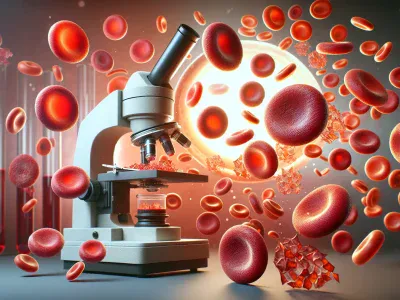
Imagine your body’s cells as tiny workers, each with a specific job to keep you thriving. Now, picture some of these workers struggling to perform because of their unusual shape, causing disruptions you can’t ignore. This is the reality for those affected by sickle cell conditions, but not all terms used to describe these conditions mean the same thing.
You’ve probably heard “sickle cell anemia” and “sickle cell disease” used interchangeably, but they’re not identical. While they’re closely related, their differences can impact how they’re understood and managed. Knowing what sets them apart isn’t just important for medical professionals—it’s essential for anyone looking to grasp the challenges faced by those living with these conditions.
By understanding these distinctions, you’ll gain clarity on a topic often surrounded by confusion and open the door to more informed conversations about health and care.
Understanding Sickle Cell Disorders
Sickle cell disorders disrupt the normal function of red blood cells, caused by a genetic mutation. These conditions are categorized based on their characteristics and impact on the body.
What Is Sickle Cell Anemia?
Sickle cell anemia is a specific subtype of sickle cell disease marked by severe anemia due to abnormal hemoglobin. In this condition, red blood cells, instead of their typical round shape, become crescent or sickle-shaped. These misshapen cells die prematurely, reducing oxygen transport, which leads to fatigue, pain, and organ damage.
This form of anemia results from inheriting two copies of the sickle cell gene (HbSS genotype). For example, conditions like extreme tiredness or delayed growth are common in children with this genotype. The repetitive blocking of blood vessels by these cells intensifies the symptoms.
What Is Sickle Cell Disease?
Sickle cell disease is a broad term encompassing all genetic conditions caused by the sickle cell gene. It includes sickle cell anemia (HbSS), hemoglobin SC disease (HbSC), and others such as sickle beta-thalassemia (HbS/β). The spectrum of symptoms varies across the subtypes but involves chronic pain, infections, and damage to organs.
If both patients with HbSS or HbSC share experiences like frequent crises, their severity differs based on the genetic combination. For example, while HbSS cases often present more severe symptoms, HbSC tends to have milder complications. Monitoring these symptoms allows targeted treatment to prevent severe outcomes.
Key Differences Between Sickle Cell Anemia And Sickle Cell Disease
Sickle cell anemia and sickle cell disease are interconnected but not identical. Understanding their distinct features enhances the ability to address the unique challenges each presents.
Specifics Of Sickle Cell Anemia
Sickle cell anemia refers specifically to the HbSS genotype, where individuals inherit two copies of the sickle cell gene. This form of sickle cell disease is characterized by severe anemia, caused by the rapid destruction of abnormally shaped red blood cells. These crescent-shaped cells have a shorter lifespan, approximately 10-20 days compared to the typical 120 days of healthy red cells.
This subtype often causes debilitating fatigue and developmental delays in children due to reduced oxygen delivery to tissues. For example, organ damage, particularly in the spleen and kidneys, occurs frequently in HbSS patients. Pain crises, triggered by blocked blood flow, are more common and severe in this category. The HbSS genotype accounts for the most intense symptoms within the broader sickle cell spectrum.
Broad Scope Of Sickle Cell Disease
Sickle cell disease encompasses multiple genetic conditions related to the sickle cell mutation. Besides HbSS, this group includes conditions like hemoglobin SC disease (HbSC) and sickle beta-thalassemia (HbS/β). These variations arise from inheriting one sickle cell gene along with another abnormal hemoglobin gene.
Symptoms may range from mild to severe depending on the combination of genes. For instance, individuals with HbSC typically experience less severe anemia, but they remain susceptible to complications like avascular necrosis and eye problems. HbS/β varies broadly in presentation, with beta-plus variants often mirroring milder conditions and beta-zero variants aligning more closely with HbSS. Taking note of these variations ensures that treatment strategies remain tailored to a patient’s specific type of sickle cell disease.
Symptoms And Complications
Common Symptoms
You may notice a range of signs in individuals with sickle cell disorders, but the severity often depends on the specific subtype. Fatigue is one of the most universal symptoms, caused by anemia when sickled red blood cells die too early. This condition can leave you or your loved ones feeling persistently drained. Pain crises, another hallmark symptom, occur due to blocked blood flow in small vessels. These episodes may last for hours or even days, with patients describing the discomfort as stabbing or throbbing.
Swelling in the hands and feet, known as dactylitis, might appear, particularly in young children. This results from restricted blood flow to extremities. Frequent infections could also occur since damaged spleen tissue affects immunity. Children with sickle cell anemia, for instance, could find themselves battling dangerous bacterial infections more regularly without preventive care.
Jaundice, or yellowing of the skin and eyes, tends to show up in cases where the liver struggles to filter out excess bilirubin from rapidly dying red blood cells. Breathlessness may arise as oxygen delivery becomes less efficient. These symptoms collectively highlight the complex challenges posed by sickle cell conditions on your body.
Long-Term Complications
Over time, complications linked to sickle cell disorders could become life-altering, particularly without targeted interventions. Organ damage is one of the most serious risks, stemming from continuous oxygen deprivation. For example, the kidneys may struggle and lead to chronic kidney disease, which often necessitates ongoing monitoring.
Stroke is another potential complication, particularly in children with sickle cell anemia. This occurs when abnormal cells block blood flow to the brain. You could witness cognitive impairment or developmental delays under such circumstances. Also, avascular necrosis, or joint damage from reduced blood flow, leaves patients at risk for reduced mobility, especially in the hips and shoulders.
Pulmonary hypertension, marked by high blood pressure in the lungs, emerges in some cases of sickle cell disease and affects your ability to breathe comfortably. Vision loss may occur when retinal blood vessels face repeated blockages, leading to proliferative retinopathy. Adults with chronic skin ulcers, which stem from poor blood supply to limbs, may endure persistent discomfort. Identifying these issues promptly aids in mitigating their impact.
Diagnosis And Treatment
Identifying and managing sickle cell conditions involve detailed diagnostic techniques and tailored treatment approaches. Effective care depends on recognizing the specific subtype presented by the patient.
Diagnostic Techniques
Doctors rely on specific tests to confirm sickle cell conditions. Hemoglobin electrophoresis identifies abnormal hemoglobin variants like HbS in red blood cells. This precise method determines whether you have sickle cell anemia (HbSS) or another form of sickle cell disease (e.g., HbSC). Newborn screening programs help detect these conditions early, especially in regions with a high prevalence of the sickle cell gene. Blood smear tests enhance diagnosis by revealing sickle-shaped cells under a microscope.
Genetic testing provides in-depth clarity, especially for family planning. If you carry the sickle cell trait, testing helps assess the potential risk of passing it to your children. Understanding these genetic factors enables informed decisions and early management strategies.
Treatment Approaches For Both Conditions
Treatments aim to reduce symptoms and prevent complications. Hydroxyurea, a medication that promotes fetal hemoglobin production, reduces pain episodes and lowers the need for blood transfusions. Frequent blood transfusions, though effective at mitigating anemia and stroke risk, necessitate careful monitoring to prevent iron overload.
Bone marrow or stem cell transplants remain the only curative options, although these are limited to specific cases due to availability and risk factors. Comprehensive care often involves vaccines and antibiotics to combat infections, a common complication. Pain management through medications and hydration improves quality of life during crises.
Lifestyle adjustments, like avoiding extreme temperatures and staying hydrated, prevent crisis triggers. Engaging with multidisciplinary care teams ensures personalized management, combining expertise in hematology, nutrition, and psychological support. Tailored care plans, based on the subtype of disease, optimize outcomes and minimize health deterioration.
Conclusion
Understanding the distinction between sickle cell anemia and sickle cell disease is essential for providing effective care and fostering awareness. By recognizing the unique challenges posed by each subtype, you can better support those living with these conditions and advocate for informed healthcare decisions.
Accurate diagnosis and tailored treatment approaches play a critical role in managing symptoms and preventing complications. With advancements in medical care and a proactive approach, individuals with sickle cell conditions can lead healthier, more fulfilling lives.
To provide the best experiences, we use technologies like cookies to store and/or access device information. Consenting to these technologies will allow us to process data such as browsing behaviour or unique IDs on this site. Not consenting or withdrawing consent, may adversely affect certain features and functions.
Functional
Always active
The technical storage or access is strictly necessary for the legitimate purpose of enabling the use of a specific service explicitly requested by the subscriber or user, or for the sole purpose of carrying out the transmission of a communication over an electronic communications network.
Preferences
The technical storage or access is necessary for the legitimate purpose of storing preferences that are not requested by the subscriber or user.
Statistics
The technical storage or access that is used exclusively for statistical purposes.The technical storage or access that is used exclusively for anonymous statistical purposes. Without a subpoena, voluntary compliance on the part of your Internet Service Provider, or additional records from a third party, information stored or retrieved for this purpose alone cannot usually be used to identify you.
Marketing
The technical storage or access is required to create user profiles to send advertising, or to track the user on a website or across several websites for similar marketing purposes.