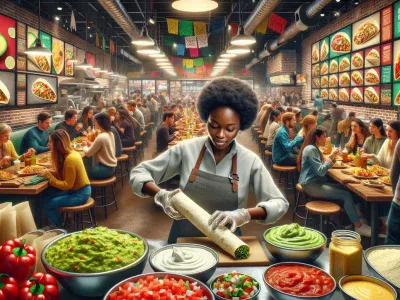
Picture this: you’re standing in line, stomach growling, faced with a choice that feels almost impossible—Qdoba or Chipotle? Both promise bold flavors, fresh ingredients, and customizable options. But beneath the surface of these popular fast-casual chains lies a world of subtle differences that can make or break your burrito experience.
Is it the smoky depth of Chipotle’s barbacoa calling your name, or the creamy indulgence of Qdoba’s free guacamole and queso? Maybe it’s not just about taste but also how each brand approaches its menu, pricing, and overall vibe. These distinctions might seem small at first glance but reveal why loyal fans often swear by one over the other.
Overview Of Qdoba And Chipotle
Qdoba and Chipotle are two leading fast-casual chains specializing in Mexican-inspired cuisine. Both focus on customizable meals, yet they differ in history, menu features, and brand identity.
Brief History Of Qdoba
Qdoba was founded in 1995 by Anthony Miller and Robert Hauser in Denver, Colorado. Originally named Zuma Fresh Mexican Grill, the chain rebranded to Qdoba Mexican Eats in 1999 to avoid trademark conflicts. The brand expanded quickly due to its commitment to bold flavors and diverse toppings such as queso—a signature ingredient that distinguishes it from competitors.
As of 2023, Qdoba operates over 750 locations across the United States and Canada. Its emphasis lies on offering meals with freely included add-ons like guacamole or queso without upcharges.
Brief History Of Chipotle
Chipotle began operations in 1993 under Steve Ells’ leadership with its first store also located in Denver, Colorado. Inspired by traditional taquerías during his time as a chef-in-training, Ells introduced a focused menu revolving around burritos and tacos using responsibly sourced ingredients.
With over 3,200 outlets worldwide by late 2023, Chipotle has become synonymous with sustainability through initiatives like sourcing organic produce and humanely raised meats. Unlike Qdoba’s inclusive pricing model for extras like guac or queso costs extra at Chipotle but aligns with their premium positioning strategy.
Menu Offerings Comparison
Qdoba and Chipotle offer distinct menu features that cater to different tastes. From signature dishes to customization options, examining their menus provides insight into what sets them apart.
Signature Dishes At Qdoba
Qdoba emphasizes bold flavors with offerings like the Smoked Brisket Burrito and the Impossible Bowl, which caters to plant-based preferences. Unique add-ons such as 3-Cheese Queso and Guacamole come at no extra charge, enhancing value. Their Loaded Tortilla Soup adds variety during colder seasons.
For example, you can pair seasoned grilled steak with cilantro-lime rice and pick from diverse salsa options like Salsa Roja or Fiery Habanero Salsa. These choices reflect Qdoba’s focus on combining rich ingredients for a customizable experience.
Signature Dishes At Chipotle
Chipotle focuses on simplicity with items like the Chicken Burrito or Sofritas Bowl for vegetarians. The Carnitas Tacos highlight slow-cooked pork paired with fresh toppings. Limited-time offerings such as Garlic Guajillo Steak introduce seasonal variety while maintaining their commitment to sustainably sourced ingredients.
You might select a Barbacoa Burrito Bowl loaded with black beans, fajita veggies, roasted chili-corn salsa, and lettuce—a combination emphasizing fresh flavors over complex seasoning blends.
Customization And Variety
Both chains allow extensive customization though they differ in approach. Qdoba offers free extras like queso and guac across its menu; Chipotle charges also for similar toppings but ensures ingredient transparency by highlighting organic sources.
At Qdoba, you could mix proteins like adobo chicken and shrimp in one meal—something unavailable at Chipotle due to single-protein limits per item. Conversely, Chipotle’s streamlined menu gives consistency if you’re seeking fewer yet high-quality options tailored around ethical sourcing standards.
These differences influence dining decisions depending on whether cost-free upgrades or ingredient origins matter more to your preferences.
Pricing Differences
Comparing Qdoba and Chipotle’s pricing reveals different approaches to cost and value. While both cater to similar audiences, their pricing strategies impact your dining experience.
Affordability At Qdoba
Qdoba is known for incorporating free add-ons like guacamole, queso, and fajita veggies. For instance, when ordering a burrito or bowl costing around $9-$11, you can enhance it with multiple toppings at no extra charge. This all-inclusive approach appeals to budget-conscious customers who want more for their money.
Qdoba also offers loyalty rewards through its Rewards program, where points accumulate with each purchase. These points can be redeemed for free entrees or discounts on future orders, further increasing affordability.
Affordability At Chipotle
Chipotle charges additional fees for premium toppings like guacamole (approximately $2-$2.50) or queso blanco (around $1.50), making customization more expensive compared to Qdoba. A typical burrito at Chipotle costs $8-$10 before adding extras.
Even though the higher costs of some items, Chipotle emphasizes ingredient quality and sustainability as key differentiators within its pricing model. If you’re prioritizing ethically sourced ingredients over cost-saving options, this trade-off may feel justified.
While Chipotle doesn’t offer complimentary extras akin to Qdoba’s approach, it has a Rewards program that provides points per dollar spent—redeemable for menu items after reaching specific thresholds—offering another avenue for savings over time.
Nutritional Value And Healthier Choices
Qdoba and Chipotle both offer customizable menus that cater to various dietary preferences, but their nutritional profiles differ significantly. At Qdoba, calorie counts can quickly add up due to free extras like queso and guacamole. For example, a Smoked Brisket Burrito with all toppings might exceed 1,000 calories. But, the chain provides nutrition calculators online, allowing you to tailor meals based on your needs.
Chipotle emphasizes ingredient transparency and simplicity in its menu. A Chicken Burrito with standard toppings often contains around 900 calories but can be customized for lower-calorie options by skipping cheese or sour cream. With sustainably sourced ingredients like organic beans and humanely raised meats, Chipotle appeals more to health-conscious eaters prioritizing ethical sourcing alongside diet-friendly choices.
For healthier alternatives, both chains offer salad bowls with fresh greens as a base instead of rice or tortillas. At Qdoba, you can create low-carb options using Impossible protein or grilled adobo chicken while adding fajita veggies for extra nutrients. Chipotle’s Lifestyle Bowls cater to specific diets such as keto and paleo; examples include the Whole30 Salad Bowl featuring supergreens mix, carnitas, and guacamole.
Sodium levels at both chains can be high depending on chosen ingredients. For instance—Qdoba’s queso adds over 800 mg of sodium per serving while Chipotle’s barbacoa contributes about 530 mg per portion (USDA). If reducing sodium intake is important for you then selecting fewer seasoned proteins or skipping salty toppings helps optimize meal choices at either location.
Ambience And Dining Experience
Dining atmosphere plays a significant role in shaping your overall experience at Qdoba and Chipotle. Both chains offer distinct environments that cater to different preferences, enhancing the way you enjoy their meals.
Atmosphere At Qdoba
Qdoba focuses on creating a vibrant, casual dining space with warm tones and contemporary decor. Bright colors like orange and yellow dominate the interior, fostering an inviting ambiance. Seating arrangements vary with high tables for quick bites and comfortable booths for longer stays.
Music selections are upbeat but not overly loud, maintaining energy without disrupting conversations. Many locations incorporate open kitchen layouts where you can watch your food being prepared, adding transparency to the dining process. The relaxed yet lively setting makes it ideal for group outings or casual lunches.
Atmosphere At Chipotle
Chipotle leans towards minimalist aesthetics with industrial-style interiors featuring exposed brick walls and metallic finishes. Neutral colors like gray and brown create a modern yet understated vibe focused on simplicity.
Seating includes communal tables encouraging social interaction alongside smaller options for individuals or couples. Background music is subtle, emphasizing calmness over vibrancy. Open kitchens allow you to observe precise assembly-line efficiency while reflecting their commitment to ingredient quality.
Whether you’re seeking buzz or tranquility influences whether Qdoba’s dynamic setting or Chipotle’s sleek minimalism better aligns with your mood that day.
Customer Service And Convenience
Customer service and convenience are critical aspects when comparing Qdoba and Chipotle. Both chains aim to enhance customer satisfaction but approach it differently.
Ordering Options At Qdoba
Qdoba offers multiple ordering options designed for flexibility. You can order in-store for a traditional experience or use their online platform for pick-up. Their app simplifies customization by letting you choose toppings like guacamole and queso, which remain free of charge.
Delivery services through third-party platforms—such as DoorDash or Uber Eats—expand accessibility. For catering needs, Qdoba provides customizable meal packages ideal for events, including taco bars and boxed meals tailored to group preferences.
Ordering Options At Chipotle
Chipotle prioritizes tech-driven solutions to streamline orders. Through the Chipotle app, you can customize meals down to ingredient portions while tracking nutritional details with real-time updates.
Conclusion
Choosing between Qdoba and Chipotle eventually comes down to your personal preferences and priorities. Whether you value bold flavors with cost-free extras or lean toward sustainable sourcing and ingredient transparency, each chain offers something unique.
Both brands excel in customization, rewards programs, and convenient service options, making them popular choices for fast-casual dining. Consider what matters most to you—be it affordability, nutrition, or atmosphere—and let that guide your decision next time you’re craving a burrito.
To provide the best experiences, we use technologies like cookies to store and/or access device information. Consenting to these technologies will allow us to process data such as browsing behaviour or unique IDs on this site. Not consenting or withdrawing consent, may adversely affect certain features and functions.
Functional
Always active
The technical storage or access is strictly necessary for the legitimate purpose of enabling the use of a specific service explicitly requested by the subscriber or user, or for the sole purpose of carrying out the transmission of a communication over an electronic communications network.
Preferences
The technical storage or access is necessary for the legitimate purpose of storing preferences that are not requested by the subscriber or user.
Statistics
The technical storage or access that is used exclusively for statistical purposes.The technical storage or access that is used exclusively for anonymous statistical purposes. Without a subpoena, voluntary compliance on the part of your Internet Service Provider, or additional records from a third party, information stored or retrieved for this purpose alone cannot usually be used to identify you.
Marketing
The technical storage or access is required to create user profiles to send advertising, or to track the user on a website or across several websites for similar marketing purposes.