Ever found yourself puzzled in the men’s shirt aisle, struggling to discern between Oxford and Poplin? You’re not alone. These two popular fabrics often leave shoppers scratching their heads. But don’t worry – we’ve got you covered.
In this text, you’ll uncover what sets these materials apart from each other. From weave patterns to durability and feel, we’ll investigate into all aspects that make them unique. By the end of your read, picking out a shirt will be as easy as pie! So let’s dive right in and unravel the mystery behind Oxford versus Poplin.
Understanding the Basics of Oxford and Poplin Fabrics
Embarking on this exploration, let’s jump into understanding these fabrics in detail.
Definition and Origin
Oxford fabric finds its roots back to England. Named after one of Britain’s most famous universities, it’s a type of woven dress shirt fabric. The specific weave pattern involves multiple threads crossing over an equal number creating a robust yet comfortable feel.
On the other hand, poplin originated from Avignon in Southern France during the 15th century when it was known as “papaline”. It consists of very fine yarns that are tightly packed together resulting in a smooth texture with slight sheen.
Now that we’ve established their origins, here are some distinguishing features:
Key Characteristics of Each Fabric
When you touch oxford cloth shirts for instance at any store downtown or run your fingers through them online by virtually inspecting their description; they exhibit durability due to their thicker threads which give them characteristic weighty feel while remaining breathable enough for daily wear.
Poplin differs quite substantially: remember those extremely soft summer cotton pajamas? That lightweight comfort can be attributed to poplins’ thin but strong characteristics achieved via closely interwoven warp and weft threads giving it an almost silk-like finish.
Texture and Weave
Diving deeper into the texture and weave of both Oxford and Poplin fabrics, you’ll find distinct differences that contribute to their unique characteristics.
Weave Techniques for Oxford
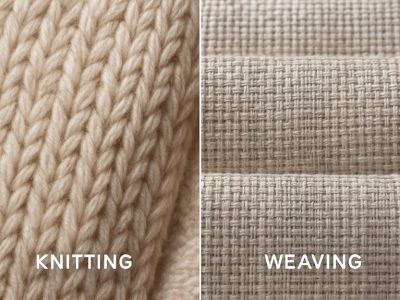
Oxford fabric exhibits a basket-weave pattern. This technique intertwines two threads in one direction with a single thread in another, creating its renowned durability. Typically thicker yarns are used which add to this sturdiness yet still allow breathability. Take an up-close look at your favorite oxford shirt; you’ll likely spot the checkerboard-like structure that’s characteristic of this weaving method.
Weave Techniques for Poplin
Poplin, on the other hand, features a simple over-under weave pattern often referred to as “one-up-one-down”. This straightforward design utilizes finer threads than those found in Oxford cloth but achieves greater density due to tighter weaving. It results in lightweight material with a smooth surface – perfect if you’re after shirts exuding subtle elegance while offering supreme comfort.
Applications in Fashion and Apparel
After getting an insight into the origins, textures, and weave patterns of both Oxford and Poplin fabrics let’s investigate deeper to see how these differences translate into their applications in fashion apparel.
Where Oxford is Typically Used
You’ll find that due to its durability and breathability features, the application of oxford fabric extends beyond just men’s casual shirts. It also sees use in dressier items like business suits or blazers – ideal for environments requiring a blend of comfort yet formal aesthetics.
Also, it finds itself at home within sportswear lines as well given its resistance against wear-and-tear while maintaining airflow; hence serving as a reliable option for sports jackets or golf pants.
Apart from clothing articles, oxford’s robust nature makes it equally suitable for accessories such as bags where resilience takes precedence over other factors.
Where Poplin is Typically Used
Poplin fabric on the other hand leans towards more refined uses with sartorial elegance being paramount – largely because of its smooth texture coupled with lightweight properties.
Its presence can be seen predominantly among high-end menswear including bespoke tailored suits offering unmatched sophistication while ensuring wearer comfort throughout long durations courtesy of poplin’s breathable characteristics.
Also because poplins retain colour vibrancy exceptionally well thanks to finer threads used during weaving process they are preferred choice when designing vividly coloured summer dresses giving them much sought-after freshness feel amidst scorching heat waves.
Finally don’t get surprised if you spot poplins gracing interiors decor too especially curtains since soft sheen imparted by this textile adds subtle grace any room setting without appearing overly glossy.
Care and Maintenance
Maintaining the quality of Oxford and Poplin fabrics involves understanding their unique properties. Let’s investigate into some essential care tips for these materials.
Tips for Oxford
Oxford fabric, renowned for its durability, does demand careful handling to prolong its lifespan. When washing this material:
Opt for cold or lukewarm water.
Use a gentle cycle on your machine.
Air-dry it preferably in indirect sunlight.
Also, when ironing oxford cloth:
4. Keep the heat setting at medium level,
5. Iron while damp if possible,
These steps aid in retaining the structure of an oxford weave without causing unnecessary stress on the fibers.
Tips for Poplin
Poplin fabric is known both delicate beauty and subtle sheen require specific attention during cleaning processes:
1.Carry out hand-washing as much as you can with cool water,
2.If using a washer use delicate cycle,
3.Never wring out poplin; instead gently squeeze excess water from it,
When pressing poplin clothes:
4.Use low-to-medium heat settings;
5.Avoid direct contact by placing another cloth between iron & garment;
Conclusion
So you’ve learned about the unique characteristics of Oxford and Poplin fabrics. From their distinct weave patterns to their diverse applications in fashion, each offers something different. Remember, the sturdy yet breathable nature of Oxford makes it perfect for business attire and sportswear while Poplin’s smooth texture with a hint of sheen lends itself well to high-end menswear and vibrant summer dresses.
Don’t forget how important proper care is – these fabrics need special attention! Treat your Oxfords gently with cold or lukewarm washes, air-dry them away from direct sunlight, and iron at medium heat when damp. For those luxurious Poplins? Hand-wash coolly or use a delicate machine cycle without wringing out excess water; then go easy on the ironing by using low-to-medium heat settings along with an interposing cloth.
By knowing your materials well — whether that be Oxford or Poplin —you’re all set to make informed choices for style longevity as well as supreme comfort.
To provide the best experiences, we use technologies like cookies to store and/or access device information. Consenting to these technologies will allow us to process data such as browsing behaviour or unique IDs on this site. Not consenting or withdrawing consent, may adversely affect certain features and functions.
Functional
Always active
The technical storage or access is strictly necessary for the legitimate purpose of enabling the use of a specific service explicitly requested by the subscriber or user, or for the sole purpose of carrying out the transmission of a communication over an electronic communications network.
Preferences
The technical storage or access is necessary for the legitimate purpose of storing preferences that are not requested by the subscriber or user.
Statistics
The technical storage or access that is used exclusively for statistical purposes.The technical storage or access that is used exclusively for anonymous statistical purposes. Without a subpoena, voluntary compliance on the part of your Internet Service Provider, or additional records from a third party, information stored or retrieved for this purpose alone cannot usually be used to identify you.
Marketing
The technical storage or access is required to create user profiles to send advertising, or to track the user on a website or across several websites for similar marketing purposes.