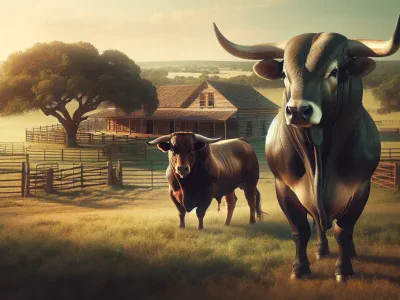
Imagine standing in a vast, sun-drenched field, surrounded by the gentle lowing of cattle. You might wonder, what’s the difference between the sturdy ox and the powerful bull? While both animals share a common ancestry, their roles and characteristics couldn’t be more distinct.
Unraveling the mystery of these majestic creatures reveals fascinating insights into agricultural history and animal husbandry. Whether you’re a curious reader or an aspiring farmer, understanding the unique traits of oxen and bulls can enrich your knowledge and appreciation of these vital animals. Let’s jump into their world and explore what sets them apart.
Overview Of Ox And Bull
Ever wondered what makes an ox and a bull different. Though they might look similar at first glance, they’re not just your average bovines. Let’s jump into their world and explore what sets these two apart.
Physical Differences
An ox and a bull might seem similar, but their physical appearances can give away their true identities. While bulls often flaunt more muscular builds and larger horns, oxen (which are usually castrated adult male cattle) boast a stockier, more robust stature designed for labor. This transformation happens after castration, changing their physique quite a bit.
Behavioral Traits
Oxen are the strong, silent type. They’ve got this mellow attitude because let’s face it, castration takes away some of that fiery aggression bulls have. Bulls, on the other hand, can be pretty aggressive especially in mating seasons. This makes bulls a lot less predictable in behavior, while oxen are more reliable for tasks needing strength and endurance.
Roles In Agriculture
Oxen likely have been the powerhouse of ancient agriculture. They’re trained to pull plows, carts, and even log trees with their unmatched strength. Bulls, meanwhile, have a completely different job in the field – breeding. Their primary role in agriculture is to sire calves, ensuring the continuity of cattle herds.
Lifespan And Productivity
Who lives longer. Oxen probably have a longer lifespan compared to bulls. Their calm demeanor and reduced stress from not participating in mating fights might contribute to their longevity. Bulls, invested in reproductive duties, might face more risks and stress, potentially reducing their lifespan compared to oxen.
Economic Value
From an economic standpoint, farmers value oxen for their labor while bulls might carry the genetics necessary for improving the cattle herd. Oxen contribute continuously to daily farm work, making them invaluable for labor-intensive tasks. Bulls, through breeding, can enhance the herd’s quality over generations, offering long-term benefits.
Cultural Significance
In many cultures, oxen are symbols of strength and resilience, often playing a part in traditional festivals and ceremonies. Bulls also hold cultural importance, but their representation is more aligned with power and fertility.
Next time you spot these majestic creatures, you’ll likely appreciate the nuances that distinguish oxen from bulls. Whether for their stature, behavior, or roles in agriculture, each has unique traits that make them essential in their own right.
Physical Characteristics
Wondering how to tell an ox from a bull? Let’s explore the key physical traits that help you distinguish between these two mighty beasts.
Size And Strength
Oxen tend to be bulkier and more robust, built for power and endurance rather than speed. They have a wider frame suggesting their use for heavy labor like plowing and pulling carts. Bulls, on the other hand, exhibit muscular builds, especially around the shoulders and neck, likely due to their active roles in mating battles and displaying dominance. These differences might not be apparent at first glance, but focus on the overall body structure gets you a good clue.
Horns And Appearance
Horns can be a major giveaway. Bulls typically boast larger, more pointed horns since they use them for fighting and for show during mating seasons. In contrast, oxen might have smaller or less pronounced horns, and sometimes they’re dehorned to prevent injuries during labor. Then there’s the general look—bulls have a sharper, more aggressive appearance, while oxen sport a more docile, approachable expression. If it looks ready to rumble, it’s probably a bull.
Roles And Uses
Understanding the roles and uses of oxen and bulls can shed light on their importance in various contexts. These mighty creatures have been companions to humans for centuries, and their contributions stretch beyond the pasture.
Agricultural Work
Oxen are the heavy lifters on the farm. They’re castrated, making them more docile and easier to train for tasks like plowing fields and pulling carts. Imagine a tractor that eats grass! That’s your ox. They’re built for endurance and strength, which makes ’em perfect for repetitive labor, like tilling the soil.
Bulls, on the other hand, ain’t got time for that. They’re strong and muscular, sure, but that energy’s reserved for breeding purposes. Mating prowess, not manual labor, defines a bull’s role on the farm. You might see them in the breeding pens, contributing their genes to strengthen the herd.
Meat Production
When it comes to meat, both oxen and bulls are valuable, but they serve different niches. Oxen, since they live longer and work hard, can be leaner. Their meat might not be as tender as a young bull’s, but it’s valued for its unique flavor, often used in specialized dishes.
Bulls, usually slaughtered at a younger age, provide more tender cuts. They don’t just offer meat; they contribute to leather and other by-products. You’ll likely find bull meat in various forms in your local butcher shop, prized for its quality.
In short, whether it’s giving you a helping hand on the farm or ending up on your dinner table, these animals play critical roles that go beyond mere livestock. Their value stems from their specialized uses and the unique benefits each one brings to agriculture and beyond.
Behavioral Differences
When comparing oxen and bulls, you’ll notice distinct behavioral patterns influenced by their roles and physical traits.
Temperament
Oxen typically have a more docile temperament. Because of their castration, oxen are less likely to display aggressive behaviors and are more predictable. This makes them ideal for tasks requiring calmness like plowing fields or pulling carts.
Bulls, on the other hand, are known for their aggressive nature, especially during mating seasons. Their behaviors can be unpredictable and often dangerous, reflecting their primary role in breeding. If you’ve ever seen a bullfight, you know bulls can charge without much provocation.
Social Structure
In terms of social structure, oxen may form stronger bonds with their handlers and other animals. Their calmer disposition allows them to integrate more easily into mixed animal groups on farms. This helps in maintaining a steady and harmonious working environment.
Bulls often establish dominance hierarchies within herds. This is especially evident when multiple bulls vie for the attention of cows during breeding seasons. Their social interactions revolve mainly around asserting dominance and securing mating opportunities. Bulls may find themselves challenging other males more often, leading to potential conflicts and injuries.
Considering these factors explains why oxen are well-suited for farm labor while bulls are prized for their breeding capabilities. You might wonder, does social behavior really impact their usefulness? Absolutely.
Training And Maintenance
Training and maintaining oxen and bulls require different approaches due to their distinct behaviors and roles. It’s like having two different pets—both lovable but with their quirks.
Feeding Habits
Oxen and bulls have varied feeding habits, which can impact their health and performance. You might think, “Hey, they both eat grass, right?” Well, yes and no. Oxen tend to have a more controlled diet because their job involves a lot of heavy lifting. Their meals may include high-fiber forages, grains, and even some supplements to keep their energy levels up. Bulls, on the other hand, probably need a bit more protein and nutrients, especially those involved in breeding. They might get specialized feeds designed to enhance their strength and vitality.
Curious about what to feed your working oxen or a breeding bull? Always consult with a livestock nutritionist to ensure they get proper nutrition. After all, you might not want a hangry ox or bull; trust the experts on this one.
Health Care
Oxen and bulls, like all animals, require regular health care. Think of it as going to the vet for your giant, four-legged friends. Oxen, with their labor-intensive lives, can experience strain and injuries. Regular check-ups, hoof care, and even massages (yes, massages) can help them stay in tip-top shape. Bulls, being the macho men they are, need frequent monitoring for reproductive health and any signs of aggression or illness.
Have you ever thought about vaccinating your livestock? Vaccinations and parasite control are essential for both oxen and bulls to prevent diseases that could knock them out of commission. You might say, “Should I call the vet for this or can I handle it myself?” While some basic care can be managed on your own, it’s best to involve professionals for more serious health concerns, ensuring your animals are hale and hearty.
Would you fancy brushing up on livestock first aid? Knowing some basics can be a game-changer in emergencies.
Historical And Cultural Significance
Oxen and bulls have played pivotal roles throughout human history. Their significance extends beyond agriculture into cultural and religious realms.
Symbolism In Various Cultures
Oxen and bulls hold deep symbolic meaning in diverse cultures. In Hinduism, the bull represents Nandi, the vehicle of Lord Shiva. Nandi is often seen at temples, symbolizing strength and endurance. In contrast, Chinese culture celebrates the ox during the Year of the Ox, appreciating qualities like diligence and perseverance.
You might’ve noticed how in ancient Greek mythology, bulls were revered too. Bulls were linked to Zeus; he transformed into one to woo Europa. This connect symbolizes power and fertility. In Celtic culture, the bull was also esteemed, symbolizing wealth and status. There are myths recounting how owning a bull could signify a tribe’s prosperity.
Historical Uses
Historically, these animals were indispensable. Oxen were the tractors of the ancient world, used for plowing fields and transporting goods. The labor of oxen transformed agriculture, enabling the cultivation of larger areas and boosting food production. Their calm demeanor made them reliable work partners, as they could be trained to follow commands and work in teams.
On the flip side, bulls had a somewhat different role. Bulls were often not just bred for their strength but for their aggression. This trait was harnessed in activities like bull-baiting or even Roman gladiatorial games. You may find it intriguing that some cultures even conducted rituals involving bulls to appease gods or to forecast weather patterns.
Think back to Mesopotamia, records suggest that bulls were used in both ritualistic ceremonies and as draft animals. This duality shows their versatile significance in early societies. Similarly, in Egypt, the Apis bull was sacred and mummified, reflecting its religious importance.
Consider how the differing roles of oxen and bulls resonate in modern times. While technology has replaced many of their traditional functions, their symbolic value remains ingrained in cultural traditions worldwide.
Conclusion
Understanding the differences between oxen and bulls enriches your knowledge of these fascinating animals. Their distinct physical and behavioral traits define their roles in agriculture and cultural significance. Oxen, known for their docility and strength, are essential for labor, while bulls, with their aggressive nature, are vital for breeding. Recognizing these differences helps you appreciate their contributions to human history and their symbolic meanings in various cultures. Whether you’re involved in farming or simply interested in animal husbandry, this insight into oxen and bulls offers a deeper appreciation for their unique qualities and enduring importance.
To provide the best experiences, we use technologies like cookies to store and/or access device information. Consenting to these technologies will allow us to process data such as browsing behaviour or unique IDs on this site. Not consenting or withdrawing consent, may adversely affect certain features and functions.
Functional
Always active
The technical storage or access is strictly necessary for the legitimate purpose of enabling the use of a specific service explicitly requested by the subscriber or user, or for the sole purpose of carrying out the transmission of a communication over an electronic communications network.
Preferences
The technical storage or access is necessary for the legitimate purpose of storing preferences that are not requested by the subscriber or user.
Statistics
The technical storage or access that is used exclusively for statistical purposes.The technical storage or access that is used exclusively for anonymous statistical purposes. Without a subpoena, voluntary compliance on the part of your Internet Service Provider, or additional records from a third party, information stored or retrieved for this purpose alone cannot usually be used to identify you.
Marketing
The technical storage or access is required to create user profiles to send advertising, or to track the user on a website or across several websites for similar marketing purposes.