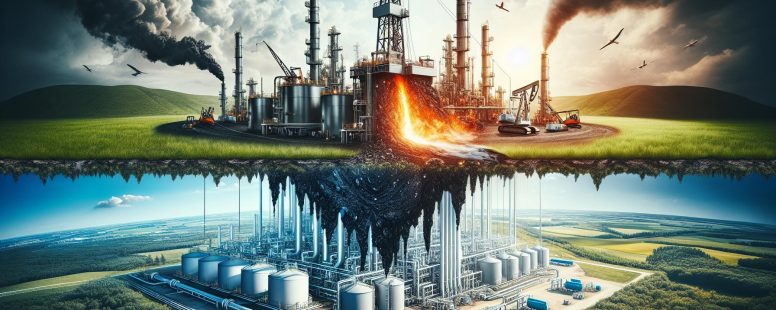
Oil and gas stand as titans in the global energy world, powering everything from your car to your home heating system. While often mentioned together, these fossil fuels have distinct characteristics that affect how they’re extracted, processed, and utilized in our daily lives.
Understanding the difference between oil and gas isn’t just academic knowledge—it’s practical information that impacts energy investments, environmental considerations, and even consumer choices. You’ll find these two resources vary significantly in their molecular structure, energy output, environmental footprint, and market dynamics. These differences determine how each fuel source fits into our current energy infrastructure and future sustainability goals.
What Are Oil and Gas?
Oil and gas represent hydrocarbons formed over millions of years from organic matter, serving as primary energy sources in modern society. These fossil fuels power transportation systems, electricity generation, and manufacturing processes worldwide.
Origin and Formation
Oil and gas originated from ancient marine organisms that died and settled on ocean floors 300-400 million years ago. These organisms—primarily plankton, algae, and plant matter—underwent transformation through a process called diagenesis where heat and pressure converted the organic material into kerogen. As sedimentary layers accumulated, increasing temperature and pressure transformed kerogen into liquid and gaseous hydrocarbons.
The transformation process required specific geological conditions:
Sufficient organic matter concentration
Appropriate temperature window (60-120°C for oil, 100-200°C for gas)
Impermeable cap rock to trap the hydrocarbons
Porous reservoir rock to store the fuel
These distinct formation environments explain why oil and gas deposits often occur in sedimentary basins like the Persian Gulf, Gulf of Mexico, and North Sea regions.
Basic Composition
Oil consists primarily of liquid hydrocarbons containing carbon chains with 5-40+ carbon atoms. It’s composition varies by source, containing different proportions of:
Alkanes (paraffins) – straight-chain hydrocarbons
Cycloalkanes (naphthenes) – ring structures
Aromatics – ring structures with alternating bonds
Asphaltenes – complex molecules with heteroatoms
Gas, in contrast, features simpler hydrocarbon molecules with fewer carbon atoms. Natural gas primarily contains:
Methane (CH₄) – typically 70-90%
Ethane (C₂H₆) – 5-15%
Propane (C₃H₈) – 3-8%
Butane (C₄H₁₀) – 1-2%
Non-hydrocarbon components like nitrogen, carbon dioxide, and hydrogen sulfide
The molecular structure differences between oil and gas directly impact their physical states at standard temperature and pressure. These composition variations also determine their energy content, with methane producing approximately 55.5 MJ/kg compared to gasoline’s 46.4 MJ/kg, making natural gas theoretically more energy-dense by weight though less dense by volume.
Physical Properties of Oil vs. Gas
Oil and gas exhibit distinct physical properties that determine their behavior during extraction, transportation, and utilization. These properties directly impact how each resource is handled throughout the energy supply chain and influence their economic value.
State of Matter
Oil exists primarily as a liquid at standard temperature and pressure, while natural gas remains in a gaseous state. This fundamental difference affects every aspect of their handling and storage. Oil’s liquid state makes it relatively easy to contain in tanks and transport through pipelines without significant compression. Natural gas, being gaseous, requires specialized pressurized containment systems to maintain efficient storage densities. During extreme cold conditions, some components of natural gas can condense into liquid form (natural gas liquids or NGLs), creating a mixture that requires additional processing. The distinct physical states also impact how these fuels interact with their surroundings, with gas dispersing rapidly upon release while oil forms pools or slicks.
Density and Viscosity
Density and viscosity represent critical differentiating factors between oil and gas. Oil typically has a density ranging from 0.8 to 1.0 g/cm³, significantly heavier than natural gas at approximately 0.0008 g/cm³ at standard conditions. This density difference explains why gas rises through oil during extraction and why separation equipment works effectively.
Oil’s viscosity varies dramatically across different types—from light crude oils with viscosities similar to water (1-10 centipoise) to heavy oils that can exceed 10,000 centipoise. Temperature has a profound effect on viscosity, with colder conditions making oil more resistant to flow. For example, Venezuelan heavy crude becomes nearly solid at ambient temperatures, requiring heating during transportation.
Natural gas, by contrast, exhibits minimal viscosity (0.01-0.03 centipoise), flowing easily through pipelines with less resistance. This property enables gas to move through smaller diameter pipelines at greater distances with lower pressure drop than liquid hydrocarbons. The low viscosity also contributes to gas’s ability to penetrate small pore spaces in rock formations, affecting recovery rates during production.
These viscosity differences directly influences extraction techniques, with high-viscosity oils often requiring enhanced recovery methods such as steam injection or chemical additives to improve flow characteristics, while gas typically flows more readily to production wells.
Chemical Composition Differences
Oil and gas differ fundamentally in their molecular structure and chemical makeup. These composition differences directly impact their physical properties, energy content, and applications in various industries.
Hydrocarbon Structures
Crude oil consists primarily of complex hydrocarbon chains with 5-60+ carbon atoms arranged in various configurations. These molecules include alkanes (paraffins), cycloalkanes (naphthenes), and aromatics like benzene and toluene. The longer carbon chains in oil create heavier, more complex molecules that exist in liquid form at standard temperature and pressure. This complexity gives crude oil its viscous nature and requires significant refining to separate into usable products.
Natural gas features much simpler hydrocarbon structures, predominantly methane (CH₄) with 1 carbon atom. Other light hydrocarbons in natural gas include ethane (C₂H₆), propane (C₃H₈), and butane (C₄H₁₀). These shorter carbon chains result in gaseous compounds at room temperature, making natural gas less dense and more volatile than oil. The simpler structure allows natural gas to burn more cleanly, producing fewer byproducts during combustion.
Additional Components
Crude oil contains numerous non-hydrocarbon components that affect its quality and processing requirements. These impurities include:
Sulfur compounds (0.1-5% by weight) that create corrosion issues and environmental concerns
Nitrogen compounds (0.1-2%) that poison catalysts during refining
Oxygen-containing compounds like alcohols and acids that affect stability
Metallic elements including vanadium, nickel, and iron that damage equipment
Asphaltenes and resins that increase viscosity and complicate processing
Natural gas typically contains fewer impurities but still includes various non-hydrocarbon elements. Common components in unprocessed natural gas are:
Carbon dioxide (0-8%) that reduces energy content
Hydrogen sulfide (0-5%) that creates safety hazards and requires removal
Nitrogen (0-5%) that dilutes energy value
Water vapor that must be removed to prevent pipeline corrosion
Helium and other inert gases in trace amounts that can be extracted for commercial use
The additional components in both oil and gas create unique processing challeneges. For example, “sour” crude oil and gas with high sulfur content require specialized handling techniques to prevent equipment damage and meet environmental regulations. Similarly, natural gas with high CO₂ concentrations needs additional processing before it’s suitable for pipeline transportation or commercial use.
Extraction and Production Methods
Oil and gas extraction methods differ significantly due to their distinct physical properties and geological locations. These extraction techniques have evolved over decades to maximize recovery rates while minimizing environmental impact.
Oil Drilling Techniques
Oil extraction begins with exploration using seismic surveys and geological assessments to locate potential reservoirs. Once identified, drilling operations begin using several specialized techniques:
Conventional drilling involves creating a vertical well into oil-bearing rock formations using rotary drill bits. This method works effectively for accessible oil reservoirs with adequate pressure.
Directional drilling enables operators to reach oil deposits that aren’t directly below the drilling site by creating non-vertical wells. This technique minimizes surface disturbance in environmentally sensitive areas.
Offshore drilling utilizes specialized platforms or floating vessels to access subsea oil reservoirs. These operations require complex equipment designed to withstand marine conditions and extreme depths.
Enhanced oil recovery (EOR) techniques include water flooding, gas injection, and thermal recovery methods. These approaches are implemented when natural reservoir pressure becomes insufficient to force oil to the surface.
Modern oil production also incorporates hydraulic fracturing (“fracking”) for extracting oil from tight shale formations. This process involves injecting high-pressure fluid mixtures into rock to create fissures that release trapped oil. The industry has developed sophisticated monitoring systems that track production efficiency and reservoir depletion rates throughout the extraction process.
Natural Gas Recovery
Natural gas extraction employs different methodologies tailored to its gaseous state and geological distribution. The primary gas recovery techniques include:
Conventional gas extraction targets gas trapped in porous rock formations with natural permeability. Wells drilled into these reservoirs allow the pressurized gas to flow naturally to the surface where its captured and processed.
Unconventional extraction focuses on gas deposits in low-permeability formations like shale, tight sandstone, or coal seams. These sources require specialized techniques to release the gas.
Hydraulic fracturing for gas works similar to oil fracking but focuses on releasing methane rather than liquid hydrocarbons. The technique has revolutionize gas production in regions with extensive shale formations.
Coalbed methane recovery extracts natural gas adsorbed onto coal surfaces. This method often involves dewatering coal seams before collecting the released methane.
Associated gas, which occurs alongside oil in reservoirs, presents unique extraction challenges. Historically flared as waste, modern operations now capture this valuable byproduct through specialized separation equipment. Gas processing facilities remove impurities like carbon dioxide, hydrogen sulfide, and water vapor before the gas enters transmission pipelines.
Both industries face ongoing challenges related to sustainability and efficiency. Technological innovations such as digital monitoring, automated drilling systems, and advanced imaging techniques continue to improve recovery rates while reducing the environmental footprint of extraction operations.
Transportation and Storage Differences
Pipeline Transportation Methods
Oil and gas require different pipeline infrastructures due to their distinct physical properties. Oil pipelines typically operate at pressures between 600-1,000 psi and are constructed from carbon steel with specialized coatings to prevent corrosion. These pipelines range from 8 to 48 inches in diameter to accommodate the viscous nature of crude oil.
Natural gas pipelines function at much higher pressures—often 1,000-1,500 psi—to maintain gas in a compressed state for efficient flow. These systems include compressor stations every 40-100 miles to boost pressure and keep the gas moving. Gas pipelines feature advanced monitoring systems that detect pressure changes and potential leaks through acoustic sensors and infrared technology.
Tanker and Truck Transport
Oil enjoys significant flexibility in transportation methods compared to natural gas. Oil tankers represent the backbone of global crude transport, with Very Large Crude Carriers (VLCCs) capable of hauling 2 million barrels per voyage. Tank trucks typically transport refined petroleum products in quantities of 5,000-9,000 gallons for local distribution to gas stations and businesses.
Natural gas transport in its gaseous state proves impractical for long-distance shipping across oceans. For intercontinental transport, natural gas undergoes liquefaction to create Liquefied Natural Gas (LNG), reducing its volume by approximately 600 times. Specialized LNG carriers maintain the cargo at -260°F in cryogenic tanks during transit. This liquefaction process adds $2-$5 per MMBtu to the final cost, making LNG more expensive than pipeline gas in many markets.
Storage Facilities and Requirements
Oil storage facilities include above-ground tanks, underground caverns, and floating storage units. Standard crude oil tanks in the United States hold 80,000-650,000 barrels and don’t require pressurization or temperature control beyond basic weatherproofing. The Strategic Petroleum Reserve stores approximately 714 million barrels in salt caverns along the Gulf Coast, providing energy security during supply disruptions.
Gas storage demands more complex infrastructure due to its low density and compressibility. Underground storage options include:
Depleted gas reservoirs (accounting for 80% of U.S. storage capacity)
Salt caverns (offering high deliverability rates up to 500 MMcf/day)
Aquifers (providing seasonal storage in porous rock formations)
Aboveground LNG storage tanks maintain temperatures at -260°F using specialized insulation systems. These double-walled containment structures feature a layer of perlite insulation or vacuum space between inner and outer shells to maintain cryogenic temperatures.
Safety Considerations
Oil and gas transportation systems face different safety challenges based on their physical properties. Oil spills primarily create environmental contamination concerns, affecting soil, water, and wildlife. The 2010 Deepwater Horizon disaster released 4.9 million barrels of oil into the Gulf of Mexico, demonstrating the catastrophic potential of major oil spills.
Natural gas leaks present immediate explosion and fire hazards due to the flammable nature of methane. The 2010 San Bruno pipeline explosion in California resulted from a gas line rupture, causing eight deaths and destroying 38 homes. Transportation companies add mercaptan odorants to natural gas to make leaks detectable by smell, since natural gas is naturally odorless.
Both industries maintain strict regulatory compliance with standards set by agencies like PHMSA (Pipeline and Hazardous Materials Safety Administration) and the Coast Guard to prevent accidents and minimize environmental impacts during transportation and storage.
Refining and Processing Comparison
Oil and gas undergo fundamentally different refining and processing methods due to their distinct physical and chemical properties. These differences affect everything from facility design to end products and environmental considerations.
Oil Refining Process
Crude oil refining transforms raw petroleum into usable products through several complex stages. The process begins with distillation, where crude oil is heated to separate it into different components based on boiling points. These components include:
Fraction
Boiling Range (°C)
Carbon Atoms
Common Products
Light ends
<40
C1-C4
LPG, fuel gas
Naphtha
40-180
C5-C12
Gasoline, chemicals
Kerosene
180-250
C11-C13
Jet fuel, heating oil
Diesel
250-350
C13-C25
Diesel fuel, heating oil
Heavy gas oil
350-400
C20-C30
Lubricating oils
Residuals
>400
>C30
Asphalt, coke, waxes
After distillation, secondary conversion processes like catalytic cracking, reforming, and hydrocracking break down larger molecules into smaller ones. These processes increase the yield of valuable products such as gasoline and diesel. The final stages include treating processes to remove impurities like sulfur and blending components to create finished products with specific properties.
Oil refineries are massive industrial complexes requiring substantial capital investment, typically ranging from $5-15 billion for a modern facility with a capacity of 300,000-400,000 barrels per day.
Natural Gas Processing
Natural gas processing differs significantly from oil refining, focusing primarily on purification rather than molecular transformation. Raw natural gas contains methane along with impurities that must be removed before the gas can be used commercially.
The gas processing sequence includes:
Acid gas removal – Eliminates hydrogen sulfide and carbon dioxide
Dehydration – Removes water vapor using glycol absorption or solid desiccants
Mercury removal – Filters out traces of mercury that could damage equipment
Nitrogen rejection – Separates nitrogen from the methane stream
Natural gas liquids recovery – Extracts valuable components like ethane, propane, and butane
Gas processing plants are typically smaller and less complex than oil refineries, with investment costs of $500 million to $2 billion for facilities processing 500-1,000 million standard cubic feet per day.
Product Yield Differences
Oil and gas generate distinctly different product portfolios after processing. A typical barrel of crude oil yields:
Product
Percentage of Barrel
Gasoline
40-45%
Distillate (diesel/heating oil)
25-30%
Jet fuel
8-10%
Heavy fuel oil
4-6%
LPG and other products
15-20%
Natural gas processing primarily yields pipeline-quality methane (85-95%) along with natural gas liquids (NGLs) including ethane, propane, butane, and natural gasoline. These NGLs serve as valuable feedstocks for the petrochemical industry and as consumer fuels.
Environmental Considerations
The environmental footprints of oil refining and gas processing differs substantially. Oil refining generates more emissions and waste products, including:
Air emissions – Sulfur dioxide, nitrogen oxides, particulate matter, and volatile organic compounds
Wastewater – Contains oils, phenols, benzene, and other contaminants
Solid waste – Spent catalysts, sludges, and tank bottoms
Natural gas processing typically produces fewer emissions per unit of energy, though it still generates significant greenhouse gases and waste streams. Methane leakage during processing remains a critical environmental concern, as methane is approximately 25 times more potent as a greenhouse gas than carbon dioxide over a 100-year period.
Both industries continue to develop cleaner processing technologies and more efficient waste management systems to reduce there environmental impact. The investment in carbon capture and utilization technologies is particularly important for reducing the climate impact of these essential energy processes.
Environmental Impact Comparison
Oil and gas have significantly different environmental footprints across their lifecycle stages. These fossil fuels impact ecosystems, air quality, and climate change in distinct ways due to their unique chemical compositions and handling requirements.
Carbon Footprint
Natural gas produces approximately 50-60% less carbon dioxide than coal and 30% less than oil when combusted. This lower carbon intensity stems from methane’s simpler molecular structure, which contains more hydrogen atoms relative to carbon. When burned, a unit of natural gas generates:
Fuel Type
CO₂ Emissions (pounds per million BTU)
Natural Gas
117
Gasoline
157
Diesel
161
Coal
200-228
Even though its cleaner combustion profile, methane leakage during natural gas extraction and transportation partially offsets these benefits. Methane traps 25-86 times more heat than CO₂ over different time horizons, making fugitive emissions a critical concern. Recent satellite data shows methane leaks from gas operations are 60% higher than previously estimated by the EPA.
Oil’s carbon footprint varies significantly based on extraction method and crude quality. Conventional light crude produces fewer lifecycle emissions than heavy oils or those extracted from oil sands, which require 3-4 times more energy to produce. Refining operations account for approximately 10-15% of oil’s total lifecycle emissions.
Ecological Considerations
Oil and gas development affects ecosystems through different mechanisms. Oil spills create immediate, visible ecological damage while gas operations often have more subtle, long-term impacts.
Oil spills in marine environments coat shorelines, destroy habitats, and kill wildlife through direct toxicity and physical effects. The 2010 Deepwater Horizon disaster released 134 million gallons of oil, affecting 1,300 miles of coastline and causing the death of an estimated 800,000 birds and countless marine organisms.
Produced water with high salt and chemical content
Noise pollution affecting wildlife behavior
Natural gas extraction creates different ecological challenges:
Smaller physical footprint per well but higher well density in unconventional plays
Reduced water pollution risk compared to oil
Higher noise levels from compressor stations
Habitat fragmentation from extensive pipeline networks
Water consumption concerns in hydraulic fracturing operations
Both industries face water management challenges, though hydraulic fracturing for oil and gas extraction consumes between 1.5-16 million gallons of water per well. The wastewater generated often contains naturally occurring radioactive materials, heavy metals, and high salt concentrations that poses treatment challenges.
Air pollution impacts also differ between these fuels. Oil combustion produces more particulate matter, nitrogen oxides, and sulfur compounds than natural gas. These pollutants contribute to respiratory diseases and acid rain. In contrast, natural gas burns cleaner but it’s extraction and processing releases volatile organic compounds and methane that contribute to ground-level ozone formation.
Land reclamation efforts after well abandonment remain challenging for both industries, though gas infrastructure generally has less persistent soil contamination than oil production sites. Abandoned oil wells can leak for decades if improperly sealed, while gas wells typically present fewer long-term leakage issues but may still contribute to groundwater contamination if casing fails.
Market Value and Economic Significance
Oil and gas markets operate differently due to their distinct physical properties, supply chains, and demand dynamics. These differences impact their economic significance, market volatility, and investment profiles across global economies.
Global Market Size and Value
The oil market represents approximately $2.1 trillion annually, with daily production averaging 100 million barrels worldwide. Major oil producers include Saudi Arabia, Russia, and the United States, collectively controlling over 40% of global output. Natural gas markets, valued at roughly $1.4 trillion annually, produce about 4 trillion cubic meters yearly with the U.S., Russia, and Iran leading production.
Market structures for these commodities differ substantially:
Oil trades as a global commodity with relatively standardized pricing benchmarks like Brent and WTI
Natural gas markets remain more regionalized due to transportation limitations
Oil prices typically respond more dramatically to geopolitical tensions
Gas prices fluctuate seasonally based on weather patterns and storage levels
These structural differences create distinct investment opportunities and risks in each sector, with oil generally experiencing higher price volatility compared to natural gas.
Economic Impact and Employment
The oil and gas industries serve as economic pillars in many countries, contributing significantly to GDP, government revenues, and employment. In the United States alone, the oil industry supports approximately 10.3 million jobs and contributes over $1.3 trillion to the economy annually. The natural gas sector accounts for roughly 4.1 million jobs and adds about $518 billion to U.S. economic output.
Resource-rich countries often experience dramatic economic effects:
Country
Oil & Gas % of GDP
Oil & Gas % of Exports
Oil & Gas % of Govt Revenue
Saudi Arabia
42%
78%
87%
Russia
15%
63%
40%
Norway
14%
58%
21%
Nigeria
8%
90%
60%
This dependency creates economic vulnerability to price fluctuations, especially for nations whose budgets rely heavily on petroleum revenues. When prices drop, these countries face immediate fiscal challenges, while consumer nations typically benefit from reduced energy costs.
Price Volatility and Market Factors
Oil prices demonstrate greater volatility than natural gas, influenced by OPEC decisions, geopolitical conflicts, and global economic conditions. Crude oil experienced price swings from $147 per barrel in 2008 to below $20 during the 2020 pandemic. Natural gas prices, while still variable, haven’t seen comparable extremes, though regional markets can experience significant fluctuations during supply disruptions or weather events.
Key market factors affecting pricing include:
Production costs varying from $10 per barrel in Saudi Arabia to over $60 for some U.S. shale operations
Seasonal demand patterns, particularly for natural gas in residential heating
Storage capacity limitations creating price pressures during supply disruptions
Political stability in major producing regions impacting supply reliability
Investment cycles in both industries reflect these realities, with oil typically requiring larger capital expenditures but offering faster returns, while natural gas infrastructure demands longer-term investment horizons.
Future Market Trends
Energy transition policies are reshaping both oil and gas markets, though at different rates. Natural gas is increasingly positioned as a “bridge fuel” toward renewable energy, supporting its medium-term outlook. Oil faces more immediate pressure from electric vehicle adoption and climate policies in many developed economies.
Industry projections suggest gas demand will continue growing through 2040, particularly in Asia, while oil demand may peak within the next decade. This divergence creates distinct investment challenges, with gas infrastructure potentially maintaining value longer than some oil assets.
Investment trends reflect these changing dynamics:
Major oil companies investing heavily in gas assets and renewable energy
National oil companies diversifying their portfolios beyond crude production
Financial markets applying higher risk premiums to long-term oil projects
Liquefied natural gas (LNG) experiencing significant investment growth
Both industries face increasing scrutiny from ESG-focused investors
These market transformations are occurring amid technological disruptions that continuously alter the economic equation for both commodities, affecting their relative value and market position.
Uses and Applications
Oil and gas serve distinctly different purposes in the modern economy based on their unique physical and chemical properties. Their applications span industries from transportation and manufacturing to power generation and petrochemicals, with each fuel offering specific advantages for particular use cases.
Oil-Based Products
Oil-based products dominate transportation, manufacturing, and consumer goods industries through their versatility and energy density. Transportation fuels including gasoline, diesel, and jet fuel account for 70% of petroleum consumption globally. These refined products power cars, trucks, ships, and aircraft due to their high energy content and convenient liquid form.
Petrochemicals derived from oil serve as building blocks for thousands of everyday products. These include plastics, synthetic fibers, cosmetics, medicines, and industrial chemicals. For example, polyethylene—the world’s most common plastic—is manufactured from ethylene, a petroleum derivative. The versatility of oil-based feedstocks allows for the creation of materials with specific properties for applications ranging from food packaging to medical devices.
Lubricants represent another crucial oil-based product category. These specialized formulations reduce friction and wear in machinery across industries from automotive to industrial manufacturing. Motor oils, transmission fluids, and industrial greases all contain petroleum bases enhanced with additives for specific performance characteristics.
Asphalt, a heavy oil residue, forms the foundation of transportation infrastructure worldwide. This material paves approximately 94% of U.S. roads and highways, providing durable surfaces for vehicular traffic. Its waterproof properties also make it valuable for roofing materials and sealants.
Natural Gas Applications
Natural gas functions primarily as a versatile energy source across residential, commercial, and industrial sectors. Power generation represents the largest application, accounting for approximately 38% of U.S. natural gas consumption. Gas-fired power plants provide reliable baseload and peaking electricity generation with faster startup times than coal plants and lower emissions, making them complementary to renewable energy sources.
Residential and commercial heating systems rely extensively on natural gas in many regions. The fuel heats about 48% of American homes through furnaces and boilers that distribute warmth efficiently during cold weather. Its clean-burning properties and direct delivery through pipeline systems make it convenient for cooking applications in both household kitchens and commercial food service operations.
Industrial processes use natural gas both as a fuel and feedstock. Energy-intensive manufacturing operations including glass production, metal fabrication, and food processing harness natural gas for its consistent heat output and controllability. The chemical industry transforms natural gas components, particularly methane, into hydrogen, ammonia, and methanol—critical inputs for fertilizers, plastics, and countless other products.
Transportation applications for natural gas continue expanding through compressed natural gas (CNG) and liquefied natural gas (LNG) technologies. Public transit fleets in numerous cities have adopted CNG buses to reduce emissions and fuel costs. Heavy-duty trucking increasingly incorporates LNG for long-haul operations, while shipping companies invest in LNG-powered vessels to meet stringent maritime emission standards.
Industrial feedstocks derived from natural gas create different product streams than oil-based alternatives. The extraction of natural gas liquids (NGLs) like ethane, propane, and butane provides crucial raw materials for plastics production and specialty chemicals. These NGL-based products often complement traditional oil-derived petrochemicals, expanding the range of available materials and reducing dependency on crude oil.
Conclusion
Understanding the fundamental differences between oil and gas is essential for exploring our energy world. While both fuels originate from the same ancient organic matter they diverge significantly in composition physical properties and applications.
These differences extend throughout their lifecycle from extraction techniques and transportation requirements to refining processes and environmental impacts. Oil’s versatility makes it dominant in transportation and manufacturing while natural gas serves as a cleaner option for power generation and heating.
As the global energy transition accelerates you’ll see these distinctions become increasingly important. Market dynamics investment patterns and environmental considerations continue to reshape how these fossil fuels fit into our energy future. Their unique characteristics will determine their respective roles in balancing energy security economic growth and sustainability goals moving forward.
Published: September 28, 2025 at 9:59 am by Ellie B, Site owner & Publisher
To provide the best experiences, we use technologies like cookies to store and/or access device information. Consenting to these technologies will allow us to process data such as browsing behaviour or unique IDs on this site. Not consenting or withdrawing consent, may adversely affect certain features and functions.
Functional
Always active
The technical storage or access is strictly necessary for the legitimate purpose of enabling the use of a specific service explicitly requested by the subscriber or user, or for the sole purpose of carrying out the transmission of a communication over an electronic communications network.
Preferences
The technical storage or access is necessary for the legitimate purpose of storing preferences that are not requested by the subscriber or user.
Statistics
The technical storage or access that is used exclusively for statistical purposes.The technical storage or access that is used exclusively for anonymous statistical purposes. Without a subpoena, voluntary compliance on the part of your Internet Service Provider, or additional records from a third party, information stored or retrieved for this purpose alone cannot usually be used to identify you.
Marketing
The technical storage or access is required to create user profiles to send advertising, or to track the user on a website or across several websites for similar marketing purposes.