Picture a misty forest at twilight, where ancient legends come alive. You’ve probably heard tales of ogres and trolls—towering creatures shrouded in mystery and folklore. But what truly sets them apart? While they both loom large in myths and stories, their origins, traits, and even habitats weave entirely different narratives.
Ogres might evoke images of brutish strength and menacing glares, while trolls often conjure thoughts of cunning trickery or lurking beneath bridges. These mythical beings are more than just fantasy staples; they reflect cultural fears, values, and imaginations across centuries. Understanding the differences between them isn’t just fascinating—it’s like unlocking a hidden layer of storytelling that enriches your appreciation for these timeless characters.
Ready to jump into the lore? Let’s untangle the threads that separate ogres from trolls and uncover why they’ve captured human fascination for generations.
Understanding Ogres And Trolls
Ogres and trolls, both rooted in folklore, possess distinct traits that differentiate them. These mythical beings have captured the imagination of cultures worldwide, representing unique archetypes in fantasy narratives.
What Are Ogres?
Ogres are large, humanoid creatures often depicted as brutish and menacing. Originating from European folklore, particularly French tales like “Puss in Boots” by Charles Perrault, ogres embody raw strength and gluttony. They’re commonly portrayed with oversized bodies, coarse features, and an insatiable appetite for human flesh.
These creatures typically dwell in isolated locations such as caves or desolate forests to avoid human contact. In stories like “Jack and the Beanstalk,” ogres symbolize primal fears of uncontrollable power. Their physicality and aggressive nature make them formidable adversaries in myths and legends.
What Are Trolls?
Trolls differ significantly from ogres due to their cunning behavior and varied appearances. Scandinavian folklore describes trolls as beings ranging from small goblin-like entities to massive giants capable of blending into landscapes like rocks or mountains when exposed to sunlight.
Unlike ogres’ reliance on brute force, trolls exploit intelligence or trickery to achieve goals. For instance, Norwegian folktales often depict trolls guarding bridges or hidden treasures while outsmarting travelers who cross their paths.
Their habitats include mountainous regions or dense forests where they interact minimally with humans unless provoked. Trolls represent a blend of natural forces and moral challenges characters face in myths—highlighting cleverness over confrontation for survival.
Key Differences Between Ogres And Trolls
Ogres and trolls, while both prominent in folklore, stand apart in significant ways. Their physical characteristics, behaviors, habitats, and cultural portrayals highlight their unique roles in myths.
Physical Appearance
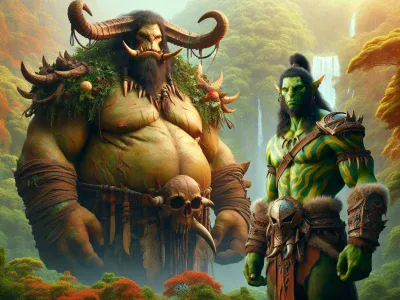
Ogres are typically massive humanoid figures with exaggerated features. They often have large heads, thick limbs, and a grotesque visage marked by fangs or tusks. Their skin is usually rough or leathery and may appear greenish or dull gray.
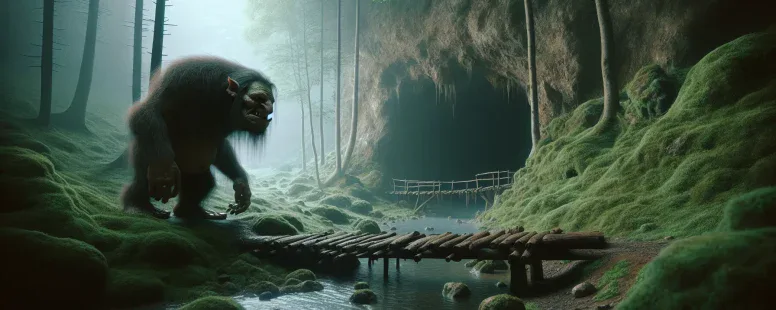
Trolls exhibit greater diversity in size and form. Some portrayals show them as hulking creatures similar to ogres, while others depict smaller beings with gnarled appearances. Many trolls blend into nature with moss-covered bodies or stone-like textures.
Behavior And Temperament
Ogres display brute strength and aggression. They’re portrayed as violent predators who rely on physical dominance rather than intellect. Stories frequently describe them hunting humans for food without nuance or strategy.
Trolls showcase cunning over raw power. Folklore often paints them as clever tricksters guarding bridges or treasures through riddles and deception. While not inherently hostile, they can become vengeful if disturbed.
Habitat And Environment
Ogres inhabit isolated areas like caves or dense forests far from human settlements. These environments align with their solitary nature and enhance their fearsome mystique in folklore.
Trolls prefer rugged landscapes such as mountainsides, rocky valleys, or even under bridges—integrating seamlessly into these terrains due to their adaptive traits like camouflaged skin.
Cultural Depictions And Myths
Ogre myths stem primarily from European tales where they embody primal fears of monstrous power threatening societal order. Examples include the ogre antagonist in “Puss in Boots” by Charles Perrault.
Similarities Between Ogres And Trolls
Ogres and trolls share common traits rooted in their mythical origins. Both are prominent figures in folklore, often symbolizing danger or challenges that heroes must overcome. These creatures serve as obstacles or adversaries in tales, embodying fears of the unknown.
Both ogres and trolls are humanoid beings, with physical forms resembling exaggerated versions of humans. They possess immense strength compared to ordinary humans, making them formidable opponents in battles or conflicts. In mythology, their sheer power often defines their role within stories.
Their habitats also overlap. You’ll find both creatures living away from human civilizations—ogres in caves and barren lands; trolls among mountains and dense forests. This isolation reinforces their portrayal as otherworldly entities removed from societal norms.
Another shared aspect is their connection to greed or hunger. Ogres crave human flesh according to European legends, while trolls guard treasures or demand tolls for crossing bridges—a reflection of material greed. This theme ties them to moral lessons about avarice and caution.
In modern interpretations across literature and media, these two beings sometimes blend characteristics. For instance, movies like “Shrek” depict ogres with troll-like wit or humor instead of brute violence, showcasing how narratives reinterpret shared mythological features over time.
Why The Confusion Between Ogres And Trolls?
The confusion between ogres and trolls arises from their overlapping roles in folklore. Both creatures are depicted as humanoid beings with immense strength, often living in isolated or natural settings. Their shared themes of danger, greed, and otherworldliness blur the lines between their identities for many readers.
Ogres and trolls are frequently portrayed together in popular media. For instance, fantasy films like “The Lord of the Rings” series showcase large, brutish trolls resembling ogres in size and behavior. Similarly, stories like “Shrek” combine traits from both myths, presenting an ogre with troll-like cleverness and emotional depth. These blended interpretations contribute to the misunderstanding.
Cultural differences also play a role. In Scandinavian folklore, trolls appear diverse in form—some massive and monstrous while others small and human-like—which can resemble ogres from European legends. Variations within each mythological tradition create overlaps that confuse those unfamiliar with their origins.
Language adds another layer to this mix-up. Translations of ancient texts sometimes interchange terms for ogres and trolls due to similarities in their descriptions or lack of direct linguistic equivalents. This leads you to encounter inconsistencies when exploring these myths across different cultures.
Conclusion
Understanding the differences and similarities between ogres and trolls unveils the rich complexities of folklore. These mythical beings, while often confused, each hold unique traits that reflect cultural values and fears across time. Whether it’s the brute strength of an ogre or the cunning nature of a troll, both creatures continue to captivate imaginations through their distinct roles in myths and modern media.
By exploring their origins, behaviors, and evolving depictions, you gain a deeper appreciation for how these legends shape storytelling. Their enduring presence reminds us of humanity’s fascination with the unknown and its endless capacity for reinterpretation.
To provide the best experiences, we use technologies like cookies to store and/or access device information. Consenting to these technologies will allow us to process data such as browsing behaviour or unique IDs on this site. Not consenting or withdrawing consent, may adversely affect certain features and functions.
Functional
Always active
The technical storage or access is strictly necessary for the legitimate purpose of enabling the use of a specific service explicitly requested by the subscriber or user, or for the sole purpose of carrying out the transmission of a communication over an electronic communications network.
Preferences
The technical storage or access is necessary for the legitimate purpose of storing preferences that are not requested by the subscriber or user.
Statistics
The technical storage or access that is used exclusively for statistical purposes.The technical storage or access that is used exclusively for anonymous statistical purposes. Without a subpoena, voluntary compliance on the part of your Internet Service Provider, or additional records from a third party, information stored or retrieved for this purpose alone cannot usually be used to identify you.
Marketing
The technical storage or access is required to create user profiles to send advertising, or to track the user on a website or across several websites for similar marketing purposes.