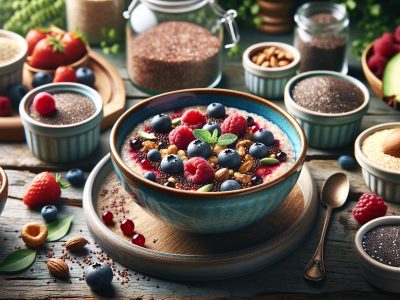
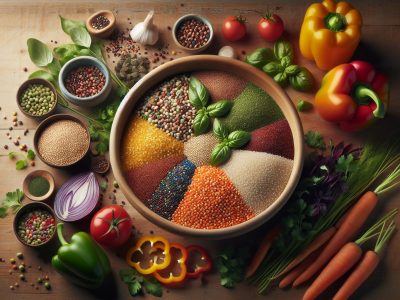
Picture this: you’re strolling down the grain aisle, faced with shelves of oats and barley. Both are wholesome, versatile, and packed with nutrients—but how do you decide which one’s right for your table? While they may seem similar at first glance, these ancient grains have unique qualities that set them apart in flavor, texture, and nutrition.
From hearty breakfast bowls to savory soups, oats and barley each bring something special to the plate. But understanding their differences can help you unlock their full potential in your meals. Whether you’re seeking a fiber boost or exploring new recipes, knowing what makes these grains distinct will transform the way you use them. Ready to jump into the details?
Nutritional Composition
Oats and barley, while both nutritious grains, differ significantly in their nutrient profiles. Understanding these differences helps you choose the right grain for your dietary goals.
Calories And Carbohydrates
Barley contains 354 calories per 100 grams, whereas oats provide approximately 389 calories for the same quantity. Oats have higher carbohydrate content at about 66 grams per 100 grams compared to barley’s 73 grams. These carbohydrates in both grains serve as complex energy sources, with oats often preferred in calorie-dense diets.
Fiber Content
Barley excels in fiber content, delivering around 17 grams of fiber per 100 grams. In comparison, oats offer roughly 10 grams. Barley’s beta-glucans contribute to its cholesterol-lowering properties and digestive benefits—ideal for heart health enthusiasts. Oats also contain beta-glucans but at a slightly lower concentration.
Protein And Fat Levels
Oats surpass barley in protein levels with about 16.9 grams per 100 grams versus barley’s approximately 12.5 grams. This makes oats suitable for individuals aiming to increase their protein intake efficiently. On the other hand, oat fats (6-7%) are higher than those found in barley (approximately <2%), offering more healthy fats like unsaturated lipids essential for brain function and hormonal balance.
Physical Characteristics
Oats and barley differ significantly in their physical traits, influencing how they’re processed and used in cooking.
Appearance
Oats are oval-shaped with a smoother surface. They retain a pale beige or cream color after processing. Rolled oats, steel-cut oats, and instant oats are common variations you might encounter on store shelves. Barley grains are more elongated and have a distinct ridge down the middle. Their husk remains attached even after harvesting unless they’re processed into pearl barley or hulled barley, which removes either part or all of the outer layers.
Taste And Texture
Oats usually offer a mild, slightly sweet flavor that works well in porridge or baked goods like oatmeal cookies. When cooked, they become soft and creamy—perfect for dishes requiring smooth textures. Barley’s nutty taste is more pronounced, providing an earthy depth to soups or stews. Its chewy texture holds up well under prolonged cooking times, making it ideal for hearty meals such as risottos or pilafs.
Health Benefits Of Oats Vs. Barley
Oats and barley both offer numerous health benefits, but their impacts vary depending on the nutrients they provide. Understanding these differences can help you choose the right grain for your dietary needs.
Impact On Digestion
Barley’s high fiber content, particularly beta-glucan, supports healthy digestion by promoting regular bowel movements and feeding beneficial gut bacteria. Consuming barley in forms like hulled or pearled grains helps alleviate constipation and improves gut microbiota diversity.
Oats also contain beta-glucan but in slightly lesser amounts compared to barley. But, oats have soluble fiber that forms a gel-like substance during digestion, which slows nutrient absorption and soothes the digestive tract. For example, oatmeal may be gentler on sensitive stomachs than barley-based soups.
Heart Health Benefits
Both oats and barley contribute significantly to heart health through their cholesterol-lowering properties linked to beta-glucan. Barley is especially effective in reducing LDL (bad) cholesterol levels due to its higher fiber density—making it an excellent choice for cardiovascular support if consumed regularly.
Oats are equally celebrated for managing cholesterol levels while providing antioxidants called avenanthramides. These compounds prevent oxidative stress in arterial walls, enhancing overall vascular function. Including oat-based breakfasts like porridge can boost your daily heart-healthy habits effortlessly.
Weight Management
The high satiety index of oats makes them ideal for weight management; their slow-digesting carbohydrates keep you full longer, preventing overeating throughout the day. Preparing steel-cut oats with fruits or nuts creates a balanced meal perfect for maintaining energy without excess calories.
Culinary Uses
Oats and barley bring versatility to various cuisines, each excelling in specific culinary applications. Their unique flavors and textures make them indispensable in both traditional and modern recipes.
Common Dishes With Oats
Oats are a staple in breakfast dishes due to their creamy texture when cooked. Porridge, made from rolled or steel-cut oats, is one of the most popular oat-based meals. You can enhance it with toppings like fresh fruits, nuts, or honey for added flavor.
Baked goods often feature oats as a key ingredient. Cookies, granola bars, and muffins benefit from the nutty undertones and chewy bite that oats provide. Instant oats work well for quick smoothies or overnight soaked preparations.
Savory uses include oat-based veggie patties or thickening soups and stews. In Scottish cuisine, oatmeal plays a central role in making haggis—a traditional dish with deep cultural significance.
Popular Recipes With Barley
Barley’s hearty texture makes it ideal for comforting meals like soups and stews. Beef barley soup combines tender beef chunks with pearl barley’s chewiness to create a satisfying dish perfect for colder seasons.
Pilafs showcase barley’s ability to absorb flavors while maintaining its structure. Cooking hulled barley with aromatic spices adds depth to side dishes served alongside roasted meats or grilled vegetables.
Traditional recipes such as risottos substitute arborio rice with pearl barley for a nuttier taste profile. Barley porridge offers an alternative breakfast option when simmered slowly with milk and sweetened using brown sugar or dried fruits.
Fermented beverages also highlight barley’s importance; malted barley serves as the foundation for beer production worldwide—blending craftsmanship with centuries-old traditions vividly reflected through regional brewing styles.
Farming And Growing Conditions
Oats and barley thrive in different farming conditions, influenced by their climate preferences and harvesting methods. Understanding these distinctions can help you appreciate their growth processes.
Climate Requirements
Oats grow best in cool, temperate climates with moderate rainfall. They tolerate poor soil quality better than many other grains, making them suitable for regions where nutrient-rich soil isn’t available. For example, oats are commonly cultivated in countries like Canada and Scotland due to their favorable growing conditions.
Barley prefers slightly warmer climates compared to oats but still requires a moderate temperature range. It adapts well to semi-arid regions, such as parts of Australia and North Africa, because of its drought-resistant qualities. While both grains grow during the spring or winter season depending on the region, barley’s hardiness makes it viable in harsher environments.
Harvesting Methods
Farmers harvest oats using combine harvesters when the grain reaches full maturity and the moisture content falls below 14%. This process ensures that oats retain their nutritional integrity while minimizing spoilage risks during storage. Rolled or steel-cut oat production involves additional processing steps after harvesting to remove hulls and prepare the grain for consumption.
Barley is harvested similarly but often retains its husk unless processed into pearl or hulled barley forms. The timing of barley harvest is crucial; if delayed, overripe grains may shatter easily, leading to yield loss. Barley’s role in beer production also impacts how it’s grown and harvested since malting-grade barley requires specific quality standards.
Conclusion
Understanding the distinctions between oats and barley helps you make smarter dietary choices while exploring their unique flavors and uses. Whether you’re preparing a nourishing breakfast, a hearty dinner, or experimenting with new recipes, both grains bring valuable nutrients and culinary versatility to your table. By incorporating them mindfully into your meals, you can enjoy their health benefits while diversifying your diet in delicious ways.
Published: July 25, 2025 at 9:13 am by Ellie B, Site owner & Publisher
To provide the best experiences, we use technologies like cookies to store and/or access device information. Consenting to these technologies will allow us to process data such as browsing behaviour or unique IDs on this site. Not consenting or withdrawing consent, may adversely affect certain features and functions.
Functional
Always active
The technical storage or access is strictly necessary for the legitimate purpose of enabling the use of a specific service explicitly requested by the subscriber or user, or for the sole purpose of carrying out the transmission of a communication over an electronic communications network.
Preferences
The technical storage or access is necessary for the legitimate purpose of storing preferences that are not requested by the subscriber or user.
Statistics
The technical storage or access that is used exclusively for statistical purposes.The technical storage or access that is used exclusively for anonymous statistical purposes. Without a subpoena, voluntary compliance on the part of your Internet Service Provider, or additional records from a third party, information stored or retrieved for this purpose alone cannot usually be used to identify you.
Marketing
The technical storage or access is required to create user profiles to send advertising, or to track the user on a website or across several websites for similar marketing purposes.