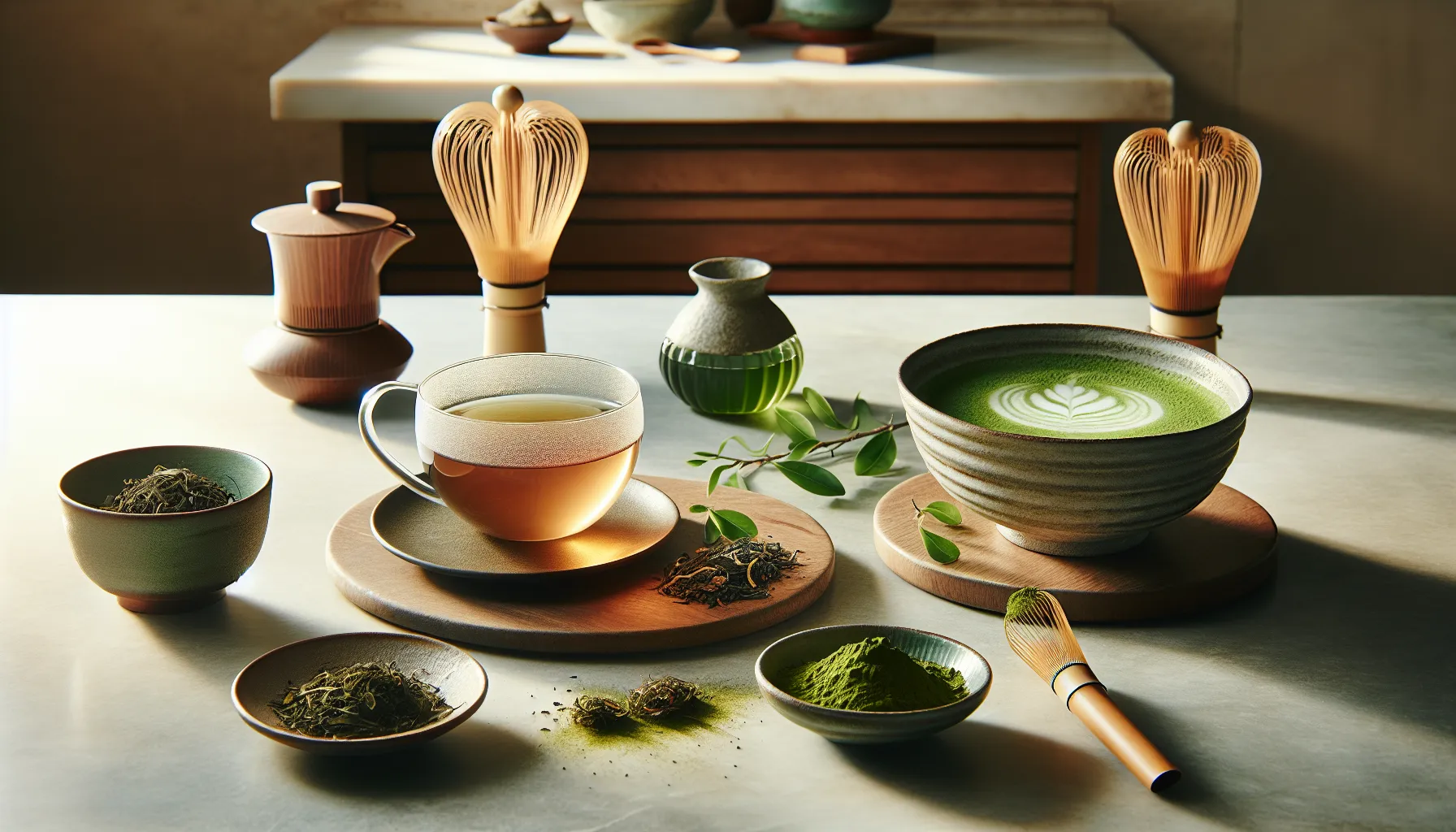
Picture standing in front of a tea aisle, where rows of intricate tea blends and vibrant green powders await your selection. If you’ve ever wondered about the aging debate between Matcha and Green Tea, you’re not alone. Both hail from the same plant, yet their differences make them unique and appealing for various reasons. Let’s investigate into the compelling distinctions between these two Japanese staples, revealing the secrets behind their preparation, consumption, and health benefits.
Understanding Matcha and Green Tea
What Is Matcha?
Matcha is a type of powdered green tea originating from Japan and traditionally consumed during tea ceremonies. The tea leaves used to make matcha are shade-grown, which enhances their chlorophyll content, resulting in its vivid green color and concentrated nutrients.
What Is Green Tea?
Green tea refers to the broader category that includes various tea types made from Camellia sinensis leaves. Unlike matcha, green tea leaves are commonly steeped in hot water, providing a lighter taste and a different nutrient profile.
Comparison of Matcha and Green Tea
Growing and Harvesting Processes
While both come from the same plant, matcha leaves undergo a unique shading process before harvest, allowing better retention of vitamins and minerals. Green tea, but, is commonly sun-grown, which contributes to its distinct flavor and appearance.
Processing Methods
Matcha leaves are steamed, dried, and ground into a fine powder. Green tea usually involves drying and rolling methods, with variations depending on the desired tea type.
Flavor Profiles and Uses
Matcha offers a creamy, earthy taste with a hint of umami, making it versatile for use in beverages and culinary creations. Green tea, on the other hand, provides a lighter, sometimes floral or grassy flavor suited for sipping as tea.
Nutritional Differences
Matcha contains a higher concentration of nutrients compared to green tea due to the consumption of the whole leaf in powdered form. Green tea varies in its nutritional content depending on varieties and preparation methods.
Health Benefits of Matcha and Green Tea
Antioxidant Content
Matcha boasts a notably higher antioxidant level than green tea, because of its unique shading and whole-leaf consumption. This attribute makes matcha a powerhouse for combating oxidative stress.
Caffeine Levels
While both teas contain caffeine, matcha generally has a higher concentration, providing a more sustained energy boost without the typical caffeine crash.
How to Choose Between Matcha and Green Tea
Personal Preferences and Lifestyle
Your choice between matcha and green tea will likely depend on your flavor preferences and caffeine needs. Matcha is ideal for those seeking a robust flavor and a higher energy level.
Recommendations for Enjoyment
For a soothing, light cup of tea, opt for green tea. If you’re delving into a creative recipe or need an energy boost, matcha offers versatility and vigor.
Published: January 22, 2026 at 5:39 pm by Ellie B, Site owner & Publisher
To provide the best experiences, we use technologies like cookies to store and/or access device information. Consenting to these technologies will allow us to process data such as browsing behaviour or unique IDs on this site. Not consenting or withdrawing consent, may adversely affect certain features and functions.
Functional
Always active
The technical storage or access is strictly necessary for the legitimate purpose of enabling the use of a specific service explicitly requested by the subscriber or user, or for the sole purpose of carrying out the transmission of a communication over an electronic communications network.
Preferences
The technical storage or access is necessary for the legitimate purpose of storing preferences that are not requested by the subscriber or user.
Statistics
The technical storage or access that is used exclusively for statistical purposes.The technical storage or access that is used exclusively for anonymous statistical purposes. Without a subpoena, voluntary compliance on the part of your Internet Service Provider, or additional records from a third party, information stored or retrieved for this purpose alone cannot usually be used to identify you.
Marketing
The technical storage or access is required to create user profiles to send advertising, or to track the user on a website or across several websites for similar marketing purposes.