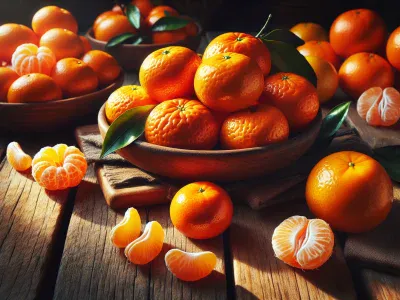
Picture peeling back the skin of a tiny citrus fruit and catching a burst of sweet aroma—are you holding a mandarin or a tangerine? The world of citrus can feel like a maze, with vibrant orange orbs that look almost identical yet promise subtle surprises with every juicy bite. You might think they’re the same, but these fruits each have their own story, flavor, and hidden charm.
As you savor the tangy sweetness, you’ll discover that choosing between mandarins and tangerines isn’t just about taste—it’s about unlocking a world of convenience, nutrition, and culinary adventure. Curious about what sets them apart and how picking the right one can brighten your snack game? Get ready to peel back the layers and uncover the delicious details.
Overview of Citrus Fruits
Citrus fruits shape your mornings and brighten snack plates worldwide. You peel a clementine at your desk and wonder—how does its sweet burst compare to the tart sting of a lemon or the bold punch of a grapefruit? Grapefruits, oranges, lemons, limes, mandarins, and tangerines form the core citrus family. Each species belongs to the genus Citrus in the family Rutaceae, yet their flavors, colors, and origins paint a vivid spectrum.
Sweet oranges (Citrus × sinensis) dominate kitchen fruit bowls, dotting breakfast tables with bright color. By comparison, mandarins (Citrus reticulata) show up in lunch boxes and grocery aisles, prized for their loose skins and delicate segments. Tangerines, a subgroup of mandarins, carry both the story and taste of Old World Asia: their bright orange rinds hint at ancient trade routes, while their sweet, lightly tart flavor has fueled myths and memories. If you’ve ever dabbed mandarin peel oil on your wrist, you’ve experienced the essential oil’s zesty aroma, a favorite in both aromatherapy and high-end cuisine (see: USDA, 2023).
Fascinatingly, citrus trees cross and mingle so easily that market labels rarely tell the whole genetic truth. Did you know nearly all commercial citrus hybrids descend from just three ancestors: mandarin, pomelo, and citron? For instance, lemons combine citron with bitter orange, whose parents are mandarin and pomelo. This complex ancestry means your “orange juice” might contain traces of both mandarin brightness and pomelo heft.
For most people, citrus means convenience and refreshment. You twist a lime into salsa, sip grapefruit juice for breakfast, or zest a lemon into cookies. Yet climate and soil transform each fruit: Valencian oranges ripen under Mediterranean sun, while Satsuma mandarins thrive in Japanese coastal fog. Seasons matter, too—tangerines peak in November and December, loaded with vitamin C and antioxidants as winter colds arrive.
Citrus fruits spark questions: Why do some peel so easy while others cling stubbornly? Does the deep orange hue of a tangerine signal more sweetness than a pale mandarin? And when you spot an unfamiliar hybrid like a tangelo or yuzu at the store, do you try it, or stick to familiar favorites?
Answering these questions deepens your understanding—and enjoyment—of every citrus bite. The next time you choose between a mandarin and a tangerine, remember, you’re tasting centuries of agricultural ingenuity, climate conditions, and global trade. Which fruit will refresh your day today?
What Is a Mandarin?
Mandarin refers to a small citrus fruit, scientific name Citrus reticulata, known for its sweet flavor, thin skin, and easy-to-separate segments. You experience the difference instantly when you bite into a mandarin during a busy weekday, with its vibrant orange skin peeling away without protest. Grocery stores often display mandarins in stacks, branding them as “Cuties” or “Halos”—popular trademarks in the US that drive sales especially in December and January. In linguistic taxonomy, “mandarin” denotes an entire species, not just one type. Its territory spans from Southern China to Northern India, where it’s cultivated as a staple component of local diets (USDA, 2022).
Children in elementary schools might trade mandarins in their lunchboxes for cookies, treasuring the fruit’s perfect snack size. Chefs select mandarins over oranges for salads because they’re less acidic and less messy. Unlike tangerines, all mandarins are not a distinct variety but a broad classification, encompassing subtypes like Clementines, Satsumas, and Ponkan. You encounter mandarins not just as fresh fruit but in canned segments, desserts, and even haute cuisine. Mandarin hybrids, such as tangelos and tangors, cross-pollinate genes to create new tastes and textures—a living experiment in food biodiversity.
Why do mandarins stick around in cultures from East Asia’s Lunar New Year to Florida’s spring harvest festivals? Botanists believe it’s mandarin’s genetic adaptability: hearty trees resist drought, and fruit matures early, avoiding some winter freezes. Still, not every mandarin looks alike. Deep orange hues hint at the fruit’s carotenoids, but thin-skinned Satsumas might appear pale and bumpy, which could lead some consumers wrongly to judge freshness by appearance alone.
Have you tried comparing the segments of a mandarin to those of a standard orange? Count the number of sections—mandarins generally have fewer, which makes them more convenient for quick eating. Every section hides a vesicle-packed compartment, releasing bursts of juice with every bite. Scientists studying the sugar profile of mandarins consistently note higher concentrations of sucrose compared to most other citrus fruits, conferring that uniquely mellow sweetness (Food Chemistry, 2023).
If you open a mandarin at your kitchen table, the fragrance lingers, hinting at essential oils in the skin—compounds sometimes extracted for perfume or cleaning products. Mandarin zest infuses cocktails, sauces, and candies, bridging culinary artistry and natural chemistry. With every part useful and minimal waste, mandarins anchor themselves as versatile fruit in your daily life.
What Is a Tangerine?
You probably spot tangerines nestling in winter fruit bowls, their pebbled orange skins almost daring you to peel them. Tangerines—classified botanically as Citrus reticulata like mandarins—stand out because their distinct sweet-tart flavor gets noticed in holiday salads, candied desserts, and even spa waters. Unlike larger oranges, tangerines fit easily in your palm and their skin often releases a burst of aromatic oil when pulled away. Can you recall that zesty fragrance lingering on your fingers after peeling one on a chilly December morning?
Farmers first cultivated tangerines near Tangier, a port city in Morocco, giving the fruit its name—although, depending on which source you trust (USDA or UC Riverside Citrus Variety Collection), tangerines today come from multiple lineages, both Asian and Mediterranean. Grocery labels often mix up tangerines with other mandarins, but citrus experts describe true tangerines as having tighter skins, a raspberry-like undertone, and a more robust texture compared to others in the mandarin family.
Culinary enthusiasts say tangerines brighten up winter salads, salsas, and glazes, but kids often just eat them in segments after sports. You may wonder, Are tangerines healthier? According to the Florida Department of Citrus, a medium tangerine provides about 23mg vitamin C—less than an orange but still significant. Their segments, packed with beta-carotene and potassium, deliver a fresh energy boost.
If you’ve tasted varieties like Dancy, Sunburst, or Fairchild, you’ve entered the tangerine’s world. Dancy tangerines, for example, made appearances in American Christmas stockings during the early 1900s; Sunburst tangerines ripen in early winter and star in school fruit programs across the US. Occasionally, growers graft tangerines with grapefruits or even pummelos, yielding hybrids known as tangelos or tangors—each with their own trademark juiciness and tang.
Do you peel your tangerines in a single spiral, or do you break each segment free with your thumb? Pip or no pip, that vibrant tangerine color signals peak ripeness according to horticulturists, and supermarkets time their displays to this sweet spot. Next time you’re at the produce aisle, give the fruit a gentle squeeze—tangerines with taut skin and a bit of gloss signal garden-fresh flavor.
Tangerines, with their pebbly skin and zesty aroma, connect you with global trade, centuries of citrus crossing, and healthy eating traditions. When you lift one from the fruit bowl, you start to peel back history, science, and flavor—all blended in a single, palm-sized citrus sphere.
Key Differences Between Mandarin and Tangerine
Mandarin and tangerine both belong to the Citrus reticulata species, yet each fruit carves its own story on your taste buds and in your kitchen. These differences shape not only how you snack but also which fruit fills your holiday basket or school lunch.
Appearance and Size
Tangerines display a deep orange hue, their slightly rough skin snugly hugging the flesh beneath. Mandarins, like Cuties or Satsumas, usually show off a lighter orange shade and smoother, thinner skin. You’ll notice size plays a part: most mandarins fit easily in your palm, feeling light and delicate, while tangerines tend to be a bit larger and firmer. In a crowded fruit bowl, tangerines may sit heavier and more pronounced, mandarin blends in with an easy elegance. These textural and color clues help shoppers tell apart what’s winding up in their shopping bags.
Taste and Flavor
Mandarins offer a consistent, candy-like sweetness. High sucrose levels create a gentle, floral edge that appeals to both kids and adults (source: USDA). Tangerines, on the other hand, bring more tartness to the conversation—their flavor fires on the palate with bursts of citrus and subtle spice. Some people wonder if the hint of pithy bitterness in tangerines distracts from snacking, but fans argue it gives the fruit character. When you try a Sunburst tangerine, the zing lingers on your tongue, whereas a Clementine mandarin melts away without a trace. Both fruits perfume the air with a fresh zest when peeled, but tangerines sometimes infuse desserts with a stronger citrus punch.
Peelability and Texture
Mandarins practically leap from their jackets—just a gentle pinch and the thin skin slips away, often in a single coil. Tangerines, with their firmer, tighter skins, ask you for a bit more effort. The segments in a mandarin split cleanly and barely cling together, ideal for sharing or tossing into salads. Tangerines, with their thicker segment walls and juicier flesh, threaten to squirt juice onto your hands (or shirt) with every bite. Parents selecting snacks for young kids tend to grab mandarins for the mess-free convenience.
Growing Regions and Seasons
Mandarins thrive in subtropical zones—California’s Central Valley, Spain, and parts of China drive the global supply (FAO). Tangerines have roots near Tangier in Morocco but flourish now in Florida and other warm, humid climates. Your seasonal timing depends on geography: tangerines peak in the U.S. November through January. Mandarins hold a broader harvest, with some varieties like Satsuma ripening as early as October. The region, soil, and climate lend the fruit subtle differences in sugar content and aroma. Grocers stock mandarins almost year-round, while tangerines remain a prized winter specialty.
Feature
Mandarin
Tangerine
Skin Color/Texture
Light, smooth, thin
Deep orange, rougher, firm
Flavor
Sweet, mild, floral
Tart, bittersweet, spicy
Peelability
Very easy, loose skin
Moderate effort, tight skin
Main Regions
California, Spain, China
Florida, Morocco
Peak Season (US)
October–April (varies by type)
November–January
These details make it simple for you to match the right citrus to your plate or pantry. In fruit stalls, where appearance, texture, and scent draw you in, recognizing these distinctions transforms a basic snack into a gratifying ritual.
Health Benefits and Nutrition
You bite into a mandarin’s juicy wedge, the sweetness bursts first, then citrusy aroma lingers. Nutritionists and chefs agree—both mandarins and tangerines bring unique health benefits to your table, but they don’t wear nutrition on their sleeves the same way. Mandarins, known for easy peelability and snackable segments, pack about 32 mg of vitamin C per fruit—just one covers over a third of your daily need according to the NIH. Can you see why parents toss easy-peel mandarins into lunchboxes every day?
Fiber counts run high in both fruits, with mandarins and tangerines each serving up 1-2 grams per 100 grams, which helps keep digestion on track. Did your grandmother ever say “Citrus for the cold?” It’s not just an old saying; vitamin C supports immune function, while antioxidants like beta-cryptoxanthin and flavonoids may lower inflammation (Linus Pauling Institute, Oregon State University). You’ll find more beta-carotene in tangerines, though, which gives them that deeper orange hue—think of each bite as sunlight captured in a rind.
Some people reach for tangerines during winter holidays; maybe it’s nostalgia, maybe the boost of potassium and folate, which help with heart and nerve function (USDA FoodData Central). Ever squeezed a mandarin over your salad? That spritz gives you extra hydration and natural sugars, which replace processed desserts with nutrient-dense sweetness.
Pesticide residue often raises questions. Both mandarins and tangerines have skins rich in essential oils, sometimes harboring traces of agricultural sprays. You might ask: should you wash citrus fruit, even if you’re not eating the skin? Yes—experts in food safety recommend it, since your handling transfers residue.
Check out this table comparing nutrition per 100g portion:
Nutrient
Mandarin (C. reticulata)
Tangerine (C. reticulata)
Calories
53
53
Vitamin C (mg)
26-32
23-27
Fiber (g)
1.8
1.8
Potassium (mg)
166
166
Beta-Carotene
Lower
Higher
Antioxidants
High
High
Mandarins or tangerines, neither of these fruits grow in a nutritional silo. They both vitamin C, fiber, and potassium, but seasonal selection, varietal, and freshness can tip the scales. How do you choose—by color, by aroma, or by the memory of winter mornings unwrapping a fruit? Every slice has a story, and nutrition’s just the beginning.
Common Uses and Culinary Applications
Mandarin and tangerine fruits shape dishes and snacks worldwide, carrying flavor and color wherever they land. Your lunchbox knows the joy of a “Cuties” mandarin, easily peeled with one hand during a busy school day—hands stay clean, and your snack disappears in minutes. Chefs sprinkle mandarin zest on salads, or toss segments with roasted beets for color contrast and sweet notes. Tangerines show up as star players in festive winter salads, where their tart kick brightens rich greens and toasted walnuts—a plate tastes like December mornings.
Tangerine glaze coats spice cakes for a holiday crowd. Its oils perfume the air, which signals the season even before you take a bite. Bartenders muddle tangerine slices with mint and ice, crafting cocktails you’ll crave again in July. Both citrus types work well in marmalades. Tangerine preserves, chunkier and slightly piquant, compliment cheese platters at parties, where your guests might wander over and ask, “What makes this taste so bold?”
Table: Key Culinary Applications
Fruit
Fresh Snacking
Baking & Desserts
Drinks & Cocktails
Savory Pairings
Preserves
Mandarin
Yes (e.g., Cuties, Halos)
Cakes, tarts, sorbets
Spritzers, juice blends
Duck, salads, slaws
Marmalade, jams
Tangerine
Yes (e.g., Dancy, Sunburst)
Glazes, upside-down cakes
Mojitos, infusions
Beets, walnuts, leafy greens
Chunky preserves, chutneys
Home cooks note the peel, too. Mandarin peels—thinner, aromatic, less bitter—dry quickly and flavor teas in East Asia. Tangerine peel, sliced in wider strips, infuses simple syrups or marinades, lending complex bitterness to a sauce for grilled fish. Have you ever brought one home just to zest? Maybe you’ve watched pastry chefs pause mid-recipe, their grater hovering above a bowl, searching for the right peel aroma—tangerine for depth, mandarin for lightness.
These citrus fruits span cultures. Lunar New Year tables display mandarins as symbols of luck (Citrus reticulata means “easy to peel, easy to share”). Mediterranean kitchens treasure tangerine segments, developing winter jams and vinaigrettes that connect generations. Can you taste history in these traditions, or does flavor hide in the details that you never thought to question?
Mixologists, pastry chefs, and parents all compete for their favorite variety, but both fruits remain essentials. New recipes appear each year—think tangerine panna cotta or mandarin pickled onions—leaving you to wonder which innovations the future will bring.
Conclusion
When you reach for a mandarin or a tangerine, you’re not just picking a snack—you’re choosing an experience shaped by history, flavor, and nutrition. Both fruits bring their own unique qualities to your table, whether you crave the convenience of mandarins or the bold taste of tangerines.
Let your curiosity lead you to try new varieties and recipes. Embracing these citrus differences can add a burst of color and vitality to your daily routine, making every bite more enjoyable and meaningful.
Published: July 25, 2025 at 9:11 am by Ellie B, Site owner & Publisher
To provide the best experiences, we use technologies like cookies to store and/or access device information. Consenting to these technologies will allow us to process data such as browsing behaviour or unique IDs on this site. Not consenting or withdrawing consent, may adversely affect certain features and functions.
Functional
Always active
The technical storage or access is strictly necessary for the legitimate purpose of enabling the use of a specific service explicitly requested by the subscriber or user, or for the sole purpose of carrying out the transmission of a communication over an electronic communications network.
Preferences
The technical storage or access is necessary for the legitimate purpose of storing preferences that are not requested by the subscriber or user.
Statistics
The technical storage or access that is used exclusively for statistical purposes.The technical storage or access that is used exclusively for anonymous statistical purposes. Without a subpoena, voluntary compliance on the part of your Internet Service Provider, or additional records from a third party, information stored or retrieved for this purpose alone cannot usually be used to identify you.
Marketing
The technical storage or access is required to create user profiles to send advertising, or to track the user on a website or across several websites for similar marketing purposes.