Have you ever pondered the oceans and freshwater habitats, teeming with life, and wondered about the fascinating creatures dwelling therein? Among these vibrant inhabitants, two names stand out, lobsters and crayfish. Though they might appear similar at first glance, as they both share crustacean features, the intricate differences between these two species reveal a world of unique adaptations, diverse lifestyles, and distinct roles in human culture.
Introduction to Lobsters and Crayfish
Lobsters and crayfish are aquatic crustaceans that contribute significantly to marine and freshwater ecosystems. While lobsters are often associated with oceanic environments, crayfish predominantly thrive in freshwater settings such as rivers and lakes. Each species exhibits unique traits and behaviors, fascinating researchers and delighting culinary enthusiasts worldwide.
Scientific Classification
Lobsters belong to the family Nephropidae, found within the infraorder Astacidea, a group they share with crayfish. Crayfish, but, are classified under families such as Cambaridae and Parastacidae, depending on their geographical region. These taxonomic distinctions underscore the evolutionary pathways that have given rise to their unique characteristics.
Physical Characteristics
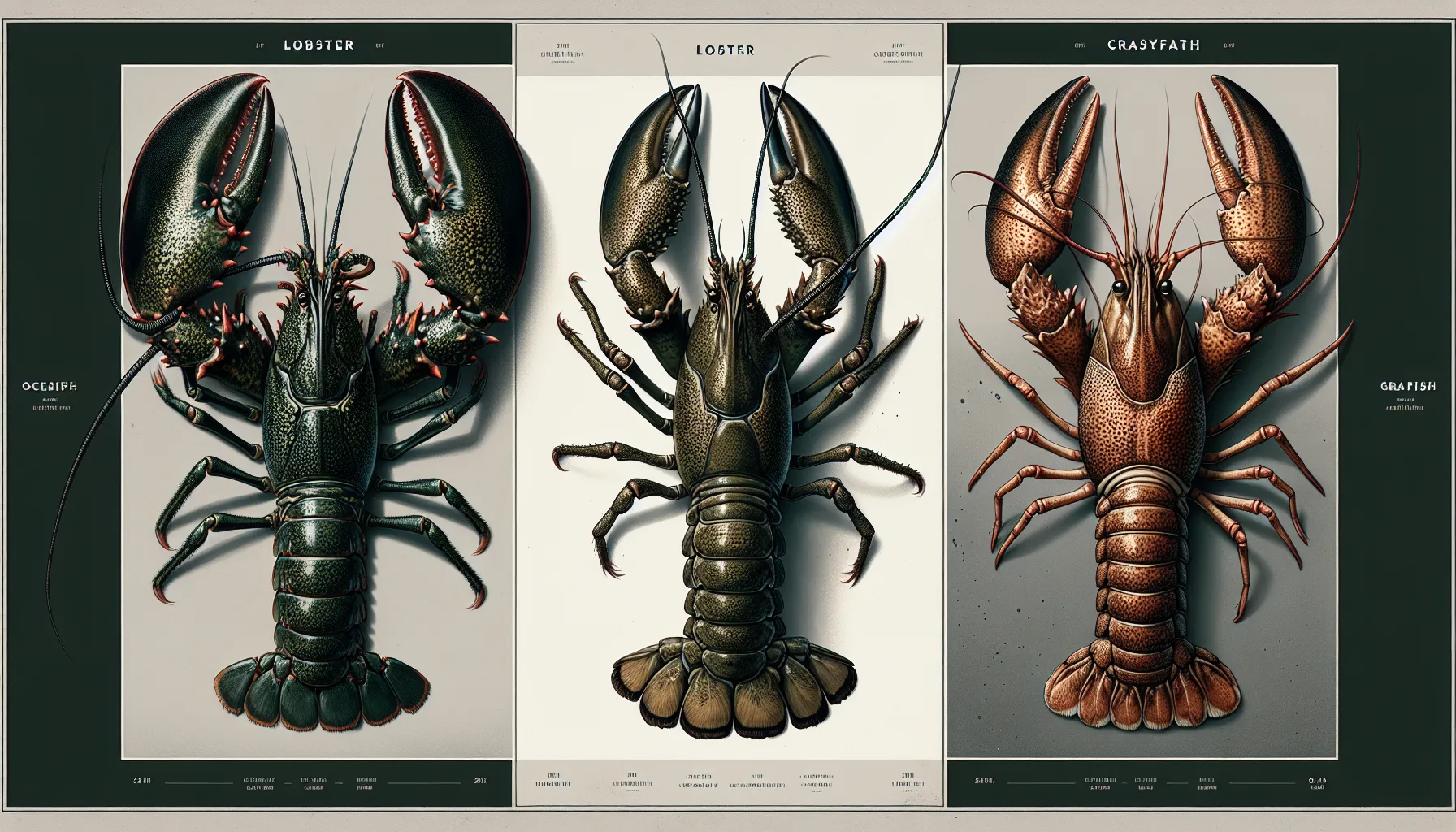
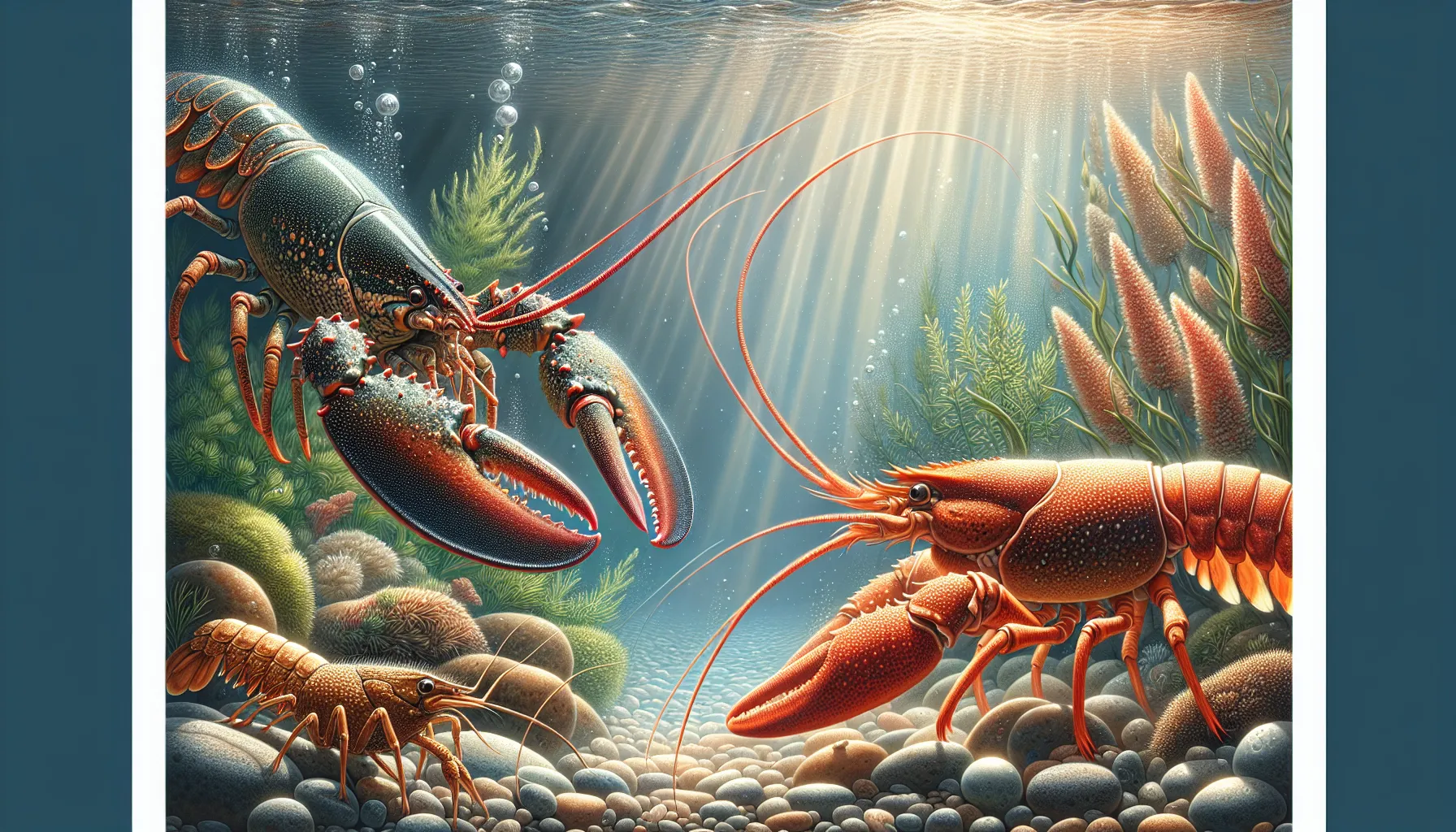
The physical appearances of lobsters and crayfish, while bearing similarities, present distinct differences. Lobsters exhibit larger bodies with prominent pincers and elongated tails, which they use in rapid backward swimming. Crayfish, relatively smaller, showcase a more compact and streamlined body structure conducive to navigating freshwater habitats. Their coloring often matches their environment, aiding in camouflage.
Habitat and Distribution
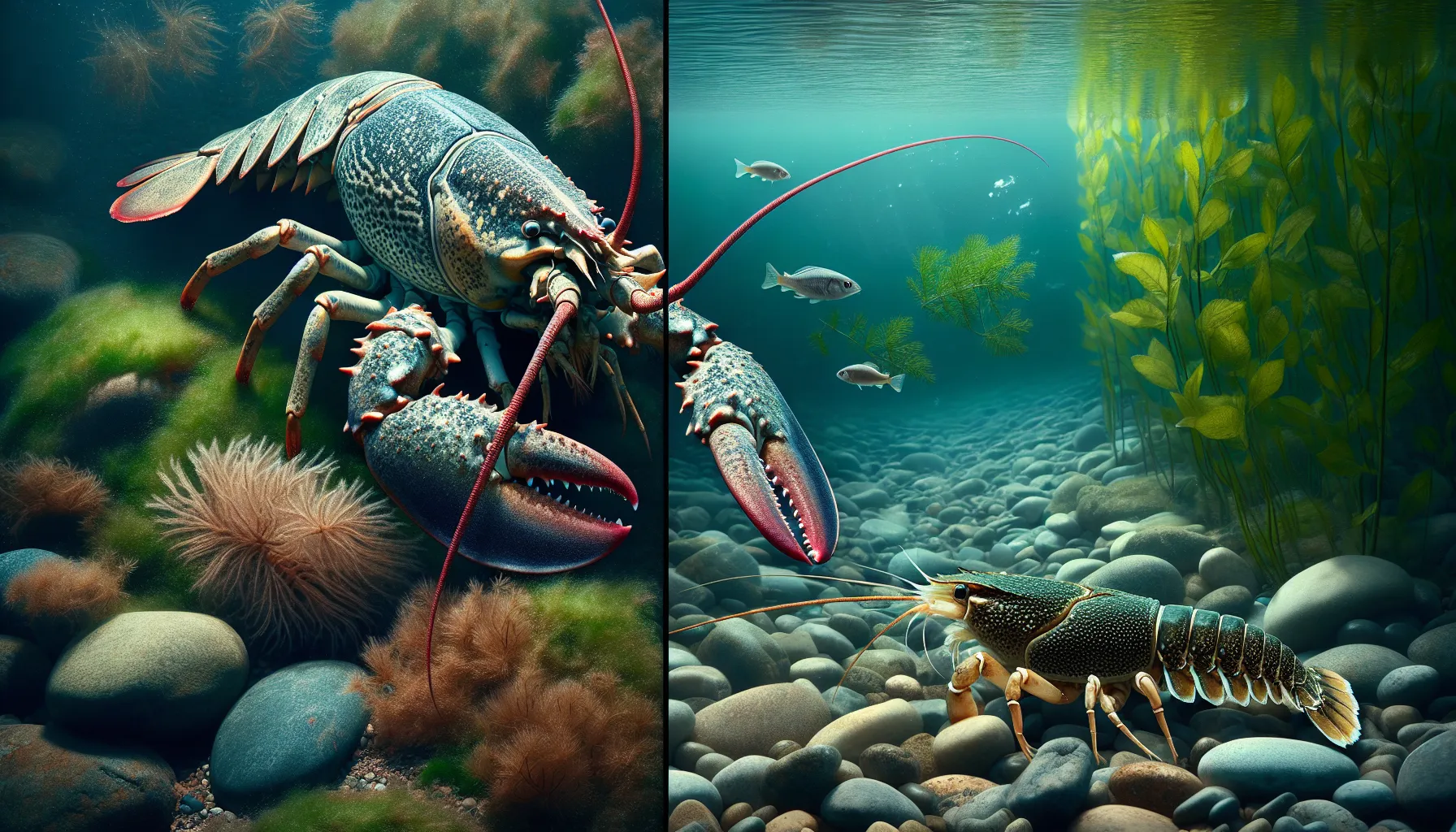
Lobsters primarily inhabit saltwater regions, favoring rocky ocean floors where they can hide and stalk prey. In contrast, crayfish are adapted to freshwater environments, from sunny streams to shaded ponds. Their adaptability has allowed them to establish populations in diverse ecological niches worldwide.
Dietary Habits
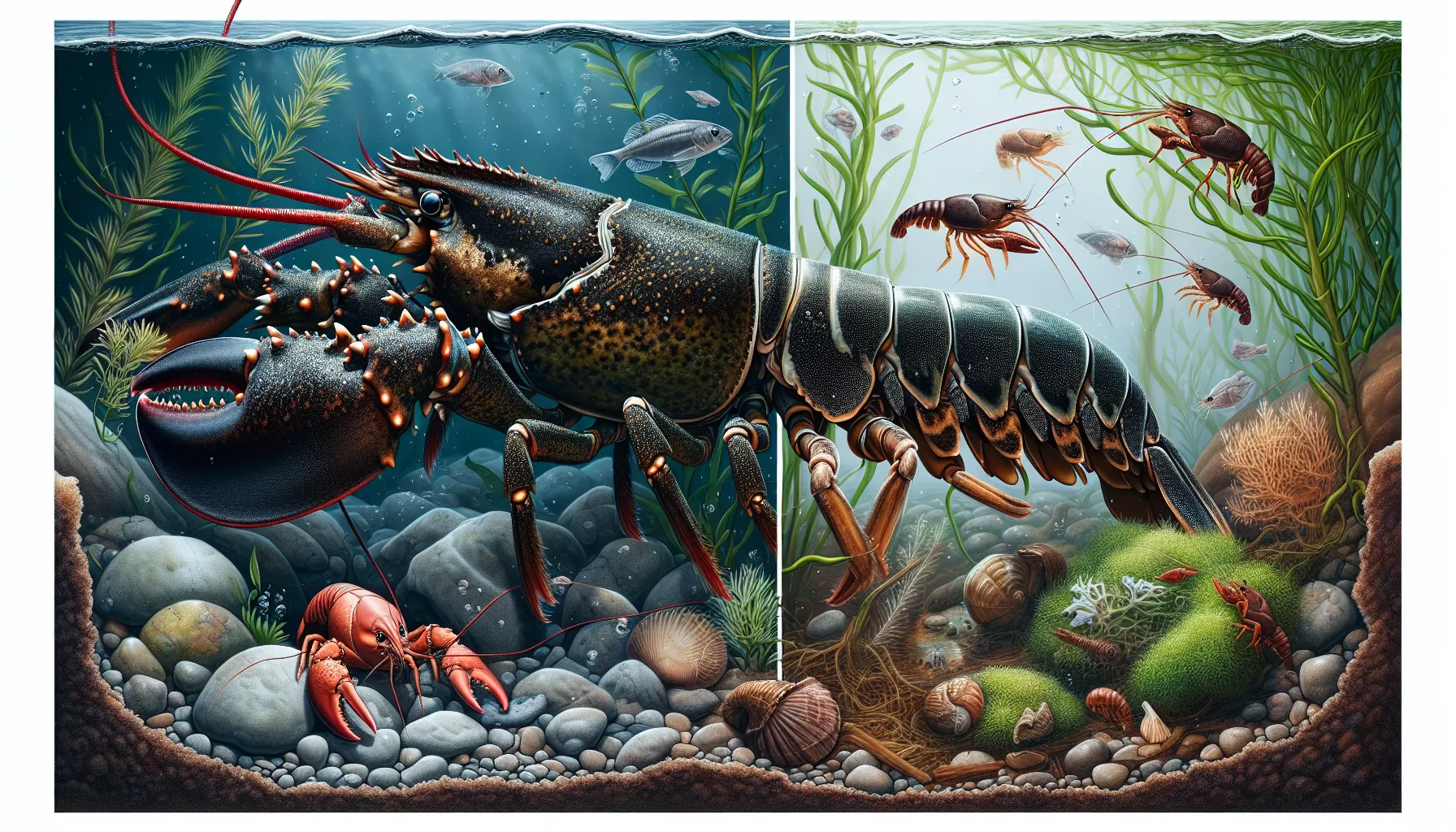
Both species are omnivorous but exhibit diet preferences suited to their habitats. Lobsters typically consume tinier fish, algae, and mollusks, employing their strong pincers to break shells. Crayfish feed on decayed vegetation, invertebrates, and, occasionally, small aquatic animals, displaying a diet that’s equally resourceful and opportunistic.
Role in Culinary Traditions
In culinary arts, lobsters enjoy a status of luxury, featured in gourmet recipes and festive meals. Crayfish, smaller but equally flavorful, find their place in regional specialties, such as Cajun cuisine in Louisiana. Both provide culturally rich dining experiences, tying gastronomy with tradition and storytelling.
Published: December 31, 2025 at 5:16 pm by Ellie B, Site owner & Publisher
To provide the best experiences, we use technologies like cookies to store and/or access device information. Consenting to these technologies will allow us to process data such as browsing behaviour or unique IDs on this site. Not consenting or withdrawing consent, may adversely affect certain features and functions.
Functional
Always active
The technical storage or access is strictly necessary for the legitimate purpose of enabling the use of a specific service explicitly requested by the subscriber or user, or for the sole purpose of carrying out the transmission of a communication over an electronic communications network.
Preferences
The technical storage or access is necessary for the legitimate purpose of storing preferences that are not requested by the subscriber or user.
Statistics
The technical storage or access that is used exclusively for statistical purposes.The technical storage or access that is used exclusively for anonymous statistical purposes. Without a subpoena, voluntary compliance on the part of your Internet Service Provider, or additional records from a third party, information stored or retrieved for this purpose alone cannot usually be used to identify you.
Marketing
The technical storage or access is required to create user profiles to send advertising, or to track the user on a website or across several websites for similar marketing purposes.