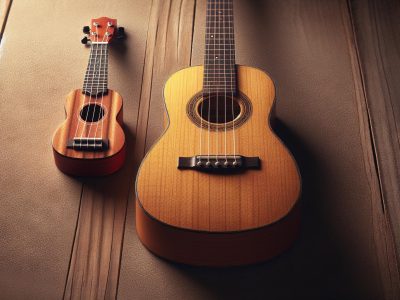
Picture yourself at a live concert, the air vibrating with anticipation as the lights dim. The first strum of a guitar rings out, its melody weaving through the crowd, while the deep, resonant pulse of a bass guitar anchors the rhythm, creating a symphony of sound. Have you ever wondered what sets these two instruments apart?
While both the guitar and bass share a similar shape and stringed design, their roles in music are as distinct as night and day. The guitar, with its versatile range, often takes the spotlight, delivering intricate solos and catchy riffs that linger in your mind. Meanwhile, the bass lays the foundation, its low frequencies providing the heartbeat that drives the music forward.
Understanding the differences between these instruments not only enhances your appreciation of music but also helps you decide which might be your perfect match. Dive deeper to uncover the unique characteristics that define the guitar and bass.
Overview of Guitar and Bass
Guitars and basses, though similar in design, play distinct roles in music. A guitar typically has six strings, focusing on higher melodies and intricate solos. Meanwhile, a bass often has four strings, dedicated to providing powerful low frequencies that anchor the rhythm. Both instruments share features like body shape and neck design, yet their functions diverge significantly.
In rock bands, a guitarist might be seen playing complex riffs or standing in the spotlight during a solo performance. A bassist, on the other hand, stands back while maintaining the rhythm, ensuring the harmony between different instruments. For instance, the iconic guitar solo in Queen’s “Bohemian Rhapsody” contrasts with the steady bassline that underpins the song’s structure.
Acoustic guitars suit folk or classical settings, whereas electric basses dominate jazz ensembles. Consider the differences between the acoustic guitar’s rich tones and the electric bass’s punchy sound. The choice between these instruments depends on your preferred music style and role within a band.
Defining the Guitar
Identifying the guitar involves recognizing its versatility in music and distinct role as a melodic instrument. With its usually six strings, the guitar forms the basis for numerous musical genres.
Types of Guitars
Guitars come in various types, each suited to different styles. Electric guitars, favored by rock and blues musicians, deliver powerful sounds through amplifiers and effects pedals. Acoustic guitars, known for their rich, resonant tones, are ideal for folk and classical settings. Also, electric-acoustic guitars offer the best of both worlds, providing amplified sound with acoustic warmth.
Common Uses in Music
In musical settings, guitars serve varied functions. In rock bands, guitarists often captivate audiences with complex riffs, as seen in classics like Led Zeppelin’s “Stairway to Heaven.” Folk musicians, on the other hand, strum acoustic guitars to accompany vocals. Jazz ensembles often incorporate the guitar’s unique sound for both rhythm and melodic improvisation.
Defining the Bass
The bass is a vital component in many musical genres, responsible for providing depth and rhythm. With its thick strings and distinct tuning, it often shapes the foundation of a song’s structure. Musicians rely on its ability to maintain rhythm and complement the harmony.
Types of Basses
Electric Bass: This is the most common type, with typically four strings. It’s versatile, fitting all music styles from jazz to heavy metal. Its design resembles a guitar but offers lower tones.
Acoustic Bass: With a hollow body and often made of wood, it doesn’t require amplification in intimate settings. Its deep, resonant sound suits folk and blues genres particularly well.
Fretless Bass: For more nuanced sound, musicians select fretless basses. This type allows for smooth glides between notes, ideal for jazz and world music.
Rock and Pop Bands: In these genres, the bass sets the band’s groove. Think of Paul McCartney’s lines in Beatles’ hits—melodic yet foundational.
Jazz Ensembles: Jazz compositions often feature walking bass lines. If you hear a seamless, flowing rhythm that navigates through complex chords, that’s a bassist executing their craft.
Funk and Soul: Bass in funk is rhythmic and punchy. Listen to any James Brown track, and you’ll recognize its driving force in the music’s energy and danceable quality.
Bassists play a key role in maintaining the song’s pulse, often working closely with drummers to create tight, cohesive rhythms.
Key Differences in Structure
When you’re comparing the guitar and bass, you’ll notice distinct structural differences affecting their sound and playability.
Size and Scale Length
Guitars are typically smaller, making them suitable for intricate fingerwork. A standard guitar has a scale length of about 25.5 inches. This compact size enables swift transitions between chords. In contrast, basses are bulkier with a longer scale length, often around 34 inches. This extended scale accommodates lower frequencies and provides ample string tension, enhancing the instrument’s deep grooves.
Number of Strings
Most guitars feature six strings, catering to melodic versatility and enabling harmonic richness. Some variations, like seven or twelve-string guitars, add tonal layers, making it suitable for various genres. Conversely, many basses have four strings, with five-string or six-string variants primarily found in genres that demand broader range like jazz and metal. This limited string count in basses ensures cleaner, more focused delivery of rhythm and foundation.
Distinct Playing Techniques
Explore how guitarists and bassists use unique techniques to shape music’s sound. Each instrument demands specific skills that cater to its function.
Guitar Playing Techniques
Guitarists employ various methods to create captivating melodies and harmonies. Fingerstyle, for example, involves plucking the strings individually with your fingers, allowing for intricate patterns and a fuller sound. This technique is common in classical and folk music, offering an elegant and dynamic performance.
In contrast, the electric guitar often features techniques like bending, where strings are stretched to alter pitch, creating an expressive and emotional effect. Palm muting, another technique, dampens the strings, producing a rhythmic and percussive sound perfect for genres like rock and metal.
Strumming patterns also play a crucial role in defining a song’s rhythm. Different strokes, like down-strokes and up-strokes, contribute to a song’s feel, while capo usage changes the pitch without altering finger positions, enabling easy key changes.
Bass Playing Techniques
Bassists use techniques that reinforce rhythm and provide depth. Slapping, involves striking the strings with your thumb and popping them with your fingers, generates a punchy and rhythmic tone ideal for funk and jazz. This method adds excitement and character to a song’s groove.
Finger plucking, another fundamental technique, grants control over dynamics and articulation. It’s used widely in rock, jazz, and blues to maintain the steady pulse that supports the band. Similarly, using a pick offers a distinct attack and tone, suitable for genres requiring more precise articulation and speed.
Bass players often integrate techniques like string muting, which stops strings from ringing, ensuring a clean, focused sound. Slides allow seamless transitions between notes, adding fluidity to bass lines in blues and rock.
Difference in Musical Roles
Guitar and bass hold distinct positions in a musical ensemble, shaping the sound in complementary ways. While both contribute to a band’s signature sound, their roles differ significantly.
Role in a Band
The bass anchors the rhythmic foundation, creating a stable groove and aligning closely with the percussion. It enhances the rhythm section allowing songs to maintain cohesion. For instance, in classic rock anthems like “Another One Bites the Dust” by Queen, the bass line drives the song’s pulse, offering depth and stability.
In contrast, the guitar adds texture and melody. It often takes the forefront with solos and riffs, capturing the listener’s attention. Songs like “Stairway to Heaven” by Led Zeppelin showcase the guitar’s ability to define a track’s identity through intricate solos and harmonic diversity.
Solo Performance Capability
In solo settings, the guitar shines with its versatility and expressive range. With the ability to play chords and melodies simultaneously, it’s well-suited for unplugged sessions and solo concerts. Eric Clapton’s “Unplugged” performance exemplifies the guitar’s capacity to engage audiences singularly.
Conversely, the bass primarily focuses on providing rhythm, which constrains its solo performance capabilities. Although bass solos exist, they often rely on effects or additional instruments for full engagement. Players like Jaco Pastorius have expanded the bass’s solo possibilities by incorporating advanced techniques and creative effects.
Both guitar and bass enrich music with their distinct characteristics. Understanding these roles enhances the appreciation of their contributions to various genres, from rock to jazz, each instrument playing its part in the musical world.
Sound and Tone Variations
Different instruments, like the guitar and bass, create distinct sound profiles that set them apart in any musical setting. You’ll notice differences in tone, range, and overall impact.
Guitar Sound Characteristics
Guitars produce a diverse sound palette, thanks to their design, string count, and playing techniques. They span a range from bright and crisp to warm and mellow. Electric guitars, equipped with pickups, offer sharp, amplified tones that dominate genres like rock and metal. They allows layers of distortion, and effects that elevate solos and riffs. Acoustic guitars, on the other hand, provide natural, resonant soundscapes suited for folk, country, and classical genres. Their tonal quality changes depending on construction materials—cedar tops impart warmth, while spruce tops enhance clarity.
In versatile settings, the guitar can shift its role, offering both melody and harmony. Fingerstyle techniques reveal intricate arrangements in pieces like “Classical Gas,” while strumming provides rhythmic foundations, as evident in Bob Dylan’s “Blowin’ in the Wind.”
Bass Sound Characteristics
Basses emphasize low frequencies, creating a foundational layer in compositions. Producing deep, resonating tones, they enrich textures and support rhythmic structures. Electric basses, with solid bodies and magnetic pickups, offer powerful, punchy sounds that cut through dense band arrangements. The richness of an acoustic bass, found in blues and jazz, accompanies softer, more earthy tones.
Bass players employ techniques like slapping and finger plucking to shape these tones. Flea from Red Hot Chili Peppers exemplifies slap bass with aggressive, rhythmic bursts that add unique depth to songs. The fretless bass, capable of producing seamless slides and nuanced pitch variations, adds fluidity to jazz, seen in Jaco Pastorius’ “Portrait of Tracy.”
These instruments work in harmony to craft distinctive soundscapes, each serving its vital role, yet complementing each other.
Conclusion
Understanding the differences between the guitar and bass enriches your appreciation of their unique roles in music. Whether you’re drawn to the melodic versatility of the guitar or the rhythmic foundation of the bass, each instrument offers distinct possibilities for expression. As you explore these instruments, consider how their structural and functional characteristics align with your musical interests. By recognizing their complementary roles, you can enhance your musical journey and perhaps even decide which instrument resonates more with your personal style. Embrace the diversity they bring to music, and let that guide your creative endeavors.
Published: October 23, 2024 at 5:15 am by Ellie B, Site owner & Publisher
To provide the best experiences, we use technologies like cookies to store and/or access device information. Consenting to these technologies will allow us to process data such as browsing behaviour or unique IDs on this site. Not consenting or withdrawing consent, may adversely affect certain features and functions.
Functional
Always active
The technical storage or access is strictly necessary for the legitimate purpose of enabling the use of a specific service explicitly requested by the subscriber or user, or for the sole purpose of carrying out the transmission of a communication over an electronic communications network.
Preferences
The technical storage or access is necessary for the legitimate purpose of storing preferences that are not requested by the subscriber or user.
Statistics
The technical storage or access that is used exclusively for statistical purposes.The technical storage or access that is used exclusively for anonymous statistical purposes. Without a subpoena, voluntary compliance on the part of your Internet Service Provider, or additional records from a third party, information stored or retrieved for this purpose alone cannot usually be used to identify you.
Marketing
The technical storage or access is required to create user profiles to send advertising, or to track the user on a website or across several websites for similar marketing purposes.