Picture plugging in your favorite appliance only to feel a sudden jolt or notice sparks flying. It’s a scenario you’d rather avoid, right? The type of outlet you use plays a crucial role in keeping your home safe and functional. While all outlets may look similar at first glance, not all are created equal—especially when comparing standard outlets to GFCIs.
A Ground Fault Circuit Interrupter (GFCI) isn’t just another electrical outlet; it’s designed with life-saving technology that can prevent electric shocks and reduce fire risks. But how does it differ from the regular outlet you’ve likely used for years? Understanding these differences isn’t just about safety—it’s about making informed choices for your home and loved ones. Whether you’re upgrading an old system or tackling a DIY project, knowing when and where to use each type can make all the difference.
What Is A GFCI Outlet?
A GFCI (Ground Fault Circuit Interrupter) outlet is a specialized electrical receptacle designed to protect against electric shocks and reduce fire hazards. It’s commonly installed in areas where water and electricity might come into contact, such as kitchens, bathrooms, garages, and outdoor spaces.
How GFCI Outlets Work
GFCI outlets monitor the flow of electricity through a circuit. They detect imbalances between the current entering and leaving the outlet. If the outgoing current differs by as little as 4-6 milliamps from the returning current, it indicates a potential ground fault. The GFCI immediately shuts off power within milliseconds to prevent harm.
For example, if you accidentally touch an exposed wire while standing on a wet surface, the GFCI senses this leakage of current and interrupts the circuit before serious injury occurs. Unlike standard outlets that rely solely on circuit breakers for protection, GFCIs provide localized safety directly at the point of use.
Key Features Of GFCI Outlets
Test And Reset Buttons
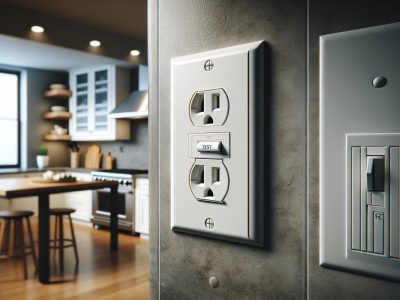
Every GFCI includes “Test” and “Reset” buttons on its faceplate. Pressing “Test” simulates a fault for verification purposes while “Reset” restores functionality after tripping.
Trip Indicator Light
Many models feature indicator lights to show operational status or signal when they’ve tripped due to a ground fault.
Compatibility With Existing Wiring
These outlets work with both two-wire (ungrounded) or three-wire systems without requiring extensive rewiring in older homes.
Code Compliance
Electrical codes often mandate installing GFCIs in specific locations prone to moisture exposure for enhanced safety standards.
Durability In Moist Conditions
Weather-resistant versions are available for outdoor installations or damp environments like basements or pool areas.
What Is A Regular Outlet?
A regular outlet, also known as a standard electrical receptacle, is the most common type of outlet found in homes and buildings. It provides basic functionality by supplying power to connected devices without additional safety mechanisms like GFCI outlets.
How Regular Outlets Work
Regular outlets function by connecting your devices to the electrical wiring in your home. They are designed with two or three slots: one for the hot wire, one for the neutral wire, and an optional ground slot. Electricity flows from the hot slot through your device and returns via the neutral slot.
These outlets lack monitoring capabilities for detecting issues like ground faults or current imbalances. If a fault occurs, such as water contact or damaged wiring, regular outlets won’t automatically shut off power, which can increase risks of electric shock or fire hazards.
Key Features Of Regular Outlets
Basic Design: Standard outlets have two-prong or three-prong configurations depending on whether grounding is supported.
No Built-In Protection: These outlets don’t include features like “Test” or “Reset” buttons found on GFCI models since they don’t monitor electrical flow.
Versatility: Commonly used for everyday appliances like lamps, TVs, and chargers that operate in dry environments with minimal risk.
Cost-Effective: Regular outlets are typically more affordable than GFCI options due to their simpler design and lack of advanced technology.
Limited Safety Compliance: They meet basic electrical standards but aren’t suitable for wet locations where stricter codes require GFCI protection (e.g., bathrooms).
Key Differences Between GFCI And Regular Outlets
Understanding the differences between GFCI and regular outlets helps you choose the right option for safety and functionality in specific situations. Each type offers distinct features designed to meet different electrical needs.
Safety Mechanisms
GFCI outlets monitor the flow of electricity, detecting imbalances caused by ground faults. They shut off power within milliseconds to prevent shocks or fires when a fault occurs. The “Test” and “Reset” buttons allow you to verify functionality easily, ensuring consistent safety.
Regular outlets lack built-in monitoring capabilities. These provide basic electrical connections without safeguarding against ground faults or current leaks, increasing risks in wet areas like bathrooms or kitchens.
Installation And Usage
Installing a GFCI outlet requires connecting it to your circuit breaker panel correctly. These are often installed in moisture-prone locations as per building codes, enhancing protection where water exposure is likely.
Regular outlets are simpler to install due to their basic design, commonly used throughout homes for everyday appliances such as lamps or TVs. They’re suitable where additional safety measures aren’t necessary.
Cost Comparison
GFCI outlets typically cost $15–$25 each due to advanced safety technology and compliance with strict regulations. Their higher price reflects added protection against electric hazards.
Regular outlets range from $1–$5 per unit, offering affordability but lacking advanced safety features. While cost-effective upfront, they may require upgrades in some areas to meet code requirements.
Feature
GFCI Outlet
Regular Outlet
Price Range
$15–$25
$1–$5
Safety Monitoring
Yes
No
Common Locations
Wet Areas (e.g., Bathrooms)
Dry Areas (e.g., Living Rooms)
Ideal Use Cases
Use GFCI outlets in wet locations like kitchens, bathrooms, garages, outdoor spaces, and laundry rooms where water contact poses risks of electric shock. Compliance with building codes often mandates these installations for new constructions or renovations.
Reserve regular outlets for dry indoor spaces such as bedrooms or living rooms where minimal environmental hazards exist. They’re ideal for powering non-critical devices that don’t require specialized protection mechanisms.
Pros And Cons Of GFCI Outlets
GFCI outlets offer advanced safety and functionality features that make them essential in certain areas, but they also come with some drawbacks. Understanding their advantages and disadvantages helps you determine their suitability for your home or project.
Advantages
Enhanced Safety
GFCI outlets protect against electric shocks by monitoring electrical flow and cutting power during ground faults. This feature is critical in moisture-prone areas like kitchens, bathrooms, and outdoor spaces.
Fire Hazard Reduction
By detecting imbalances in current, GFCIs help prevent overheating and reduce the risk of electrical fires caused by faulty wiring or damaged appliances.
Code Compliance
Electrical codes require GFCI installation in wet locations to ensure safety standards are met during inspections or renovations.
Convenient Reset Mechanism
The “Test” and “Reset” buttons on GFCIs allow easy troubleshooting when a circuit trips due to an issue, eliminating the need to access the breaker panel immediately.
Durability In Damp Conditions
Designed for environments where water exposure is frequent, these outlets maintain functionality even under challenging conditions like humidity or splashes.
Disadvantages
Higher Cost
A typical GFCI outlet costs $15–$25 compared to $1–$5 for standard outlets due to its built-in technology, increasing initial expenses for large-scale installations.
Potential Nuisance Tripping
Sensitive detection mechanisms can cause unnecessary trips if small fluctuations occur in electricity flow from devices like refrigerators or power tools.
Installation Complexity
Installing a GFCI requires proper grounding and connection to circuit breakers; incorrect setup could compromise performance or void warranty claims.
Limited Compatibility With Older Wiring Systems
Homes with outdated wiring may not support direct installation of GFCIs without additional upgrades or retrofitting work by a licensed electrician.
Pros And Cons Of Regular Outlets
Regular outlets provide basic functionality for powering devices in most indoor spaces. They are simple, cost-effective solutions but lack advanced safety features found in GFCI outlets.
Advantages
Affordability
Regular outlets cost significantly less than GFCI outlets, ranging from $1 to $5 per unit. This makes them a budget-friendly choice for large-scale installations or replacements in areas where extra protection isn’t necessary.
Simplicity
Installation of regular outlets is straightforward and doesn’t require specialized skills or tools when existing wiring is compatible. Electricians and DIY enthusiasts often favor them for their ease of use.
Versatility
These outlets work well with a wide range of appliances like lamps, televisions, and phone chargers in dry areas such as living rooms and bedrooms.
Wide Availability
Standard electrical receptacles are readily available at hardware stores globally, ensuring easy replacement without delays or compatibility concerns.
Disadvantages
Lack Of Safety Features
Regular outlets don’t detect ground faults or shut off power during electrical imbalances, increasing the risk of electric shocks and fires—especially near water sources like sinks or bathtubs.
Non-Compliance In Wet Areas
Building codes often mandate GFCI protection in moisture-prone locations such as kitchens, bathrooms, basements, and outdoor areas; standard outlets fail to meet these regulations without additional upgrades.
Lower Protection Against Damage
Unlike some weather-resistant GFCIs designed for damp environments, regular outlets are more prone to corrosion if exposed to humidity over time.
Maintenance Concerns
Overloading circuits using high-wattage devices can lead to overheating issues since there’s no built-in mechanism within standard receptacles to mitigate such risks effectively.
Conclusion
Understanding the difference between GFCI and regular outlets is essential for creating a safe and efficient electrical system in your home. Each type serves its own purpose, catering to specific needs based on location and safety requirements.
By selecting the right outlet for each area, you can protect your household from potential hazards while ensuring reliable functionality. Take the time to assess your space, prioritize safety features where needed, and make informed choices for a secure and compliant setup.
Published: July 25, 2025 at 9:05 am by Ellie B, Site owner & Publisher
To provide the best experiences, we use technologies like cookies to store and/or access device information. Consenting to these technologies will allow us to process data such as browsing behaviour or unique IDs on this site. Not consenting or withdrawing consent, may adversely affect certain features and functions.
Functional
Always active
The technical storage or access is strictly necessary for the legitimate purpose of enabling the use of a specific service explicitly requested by the subscriber or user, or for the sole purpose of carrying out the transmission of a communication over an electronic communications network.
Preferences
The technical storage or access is necessary for the legitimate purpose of storing preferences that are not requested by the subscriber or user.
Statistics
The technical storage or access that is used exclusively for statistical purposes.The technical storage or access that is used exclusively for anonymous statistical purposes. Without a subpoena, voluntary compliance on the part of your Internet Service Provider, or additional records from a third party, information stored or retrieved for this purpose alone cannot usually be used to identify you.
Marketing
The technical storage or access is required to create user profiles to send advertising, or to track the user on a website or across several websites for similar marketing purposes.