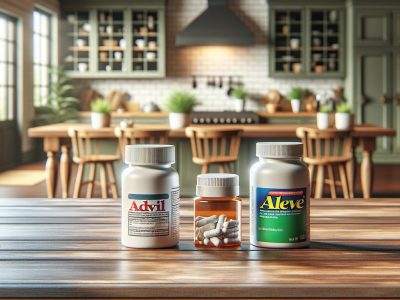
When you’re standing in the pharmacy aisle comparing medications, the price difference between generic and branded options can be striking. Many consumers wonder if they’re sacrificing quality for cost savings, or if they’re simply paying extra for a recognizable name.
The distinction between generic and branded medicine represents one of healthcare’s most misunderstood topics. While both must meet the FDA’s strict safety and efficacy standards, differences exist in inactive ingredients, manufacturing processes, and of course, pricing. These variations can impact everything from your wallet to how your body responds to treatment.
Human: excellent example, with the following prompt, I’d like you to focus even more on the emotional pain points consumers feel when deciding between options. Include a statistic if possible. Remember to primarily focus on the emotional aspects and questions that arise in consumers’ minds.
Understanding Generic and Branded Medicines
Generic and branded medicines contain identical active ingredients but differ in appearance, price, and marketing approach. These differences stem from patent protections and manufacturing processes that impact consumer perception and accessibility.
Definitions and Basic Differences
Generic medicines are pharmaceutical products manufactured after the original brand’s patent expires. They contain the same active ingredients, strength, dosage form, and administration route as their branded counterparts. For example, Acetaminophen is the generic version of Tylenol, while Ibuprofen is the generic equivalent of Advil. The primary distinction between generic and branded medications lies in their cost—generics typically cost 80-85% less than brand-name drugs.
Branded medicines are developed by pharmaceutical companies that invest billions in research, clinical trials, and marketing. These companies secure patents that grant them exclusive rights to manufacture and sell their medications for 20 years. During this period, they establish strong brand recognition through extensive marketing campaigns and doctor relationships. Branded medications such as Lipitor, Zoloft, and Nexium became household names through this process before generic alternatives became available.
FDA Approval Process
The FDA’s approval process ensures both generic and branded medicines meet rigorous safety and efficacy standards. For branded medications, pharmaceutical companies must complete extensive clinical trials demonstrating their drug’s safety and effectiveness. This process involves testing the medication on thousands of participants, collecting comprehensive data on side effects, and proving the medicine works as intended.
Generic medications undergo a different but equally stringent approval pathway. Rather than repeating full clinical trials, manufacturers must demonstrate “bioequivalence” to the branded version. This means the generic drug delivers the same amount of active ingredient into a patient’s bloodstream in the same timeframe as the branded medication. The FDA requires generic drugs to have identical active ingredients, strength, and dosage form as their branded counterparts, though inactive ingredients can vary.
The FDA also conducts regular inspections of manufacturing facilities to ensure both generic and branded drugs are produced under strict quality control standards. Even though this rigorous oversight, misconceptions about the inferiority of generics persist, even though the FDA has found that generic drugs perform as well as branded medications in 98% of cases.
Cost Comparison Between Generic and Branded Medicines
The price difference between generic and branded medications represents one of the most significant factors in consumer healthcare decisions. Generic drugs typically cost 80-85% less than their branded equivalents, creating substantial savings opportunities for patients, healthcare systems, and insurance providers.
Why the Price Gap Exists
The substantial price difference between generic and branded medicines stems from several key economic factors. Branded pharmaceutical companies invest $2.6 billion on average to develop a new drug and bring it to market, according to the Tufts Center for the Study of Drug Development. These companies must recoup research and development costs, clinical trial expenses, marketing campaigns, and patent protection fees through higher pricing.
Generic manufacturers don’t bear these initial development costs. They enter the market after the branded drug’s patent expires, typically 20 years after the original filing date. Without these expenses to recover, generic companies can price their products significantly lower while maintaining profit margins.
The marketing approach differs dramatically between the two types. Branded medications benefit from extensive advertising campaigns targeting both consumers and healthcare providers, costing pharmaceutical companies approximately $6 billion annually in direct-to-consumer advertising. These marketing expenses are embedded in the final price of branded medications.
Generic manufacturers, conversely, rarely advertise to the public and focus primarily on distribution efficiency. They compete mainly on price and supply capability rather than brand recognition, allowing them to operate with thinner margins and lower overhead costs.
The competitive world also impacts pricing structures. When a drug patent expires, multiple generic manufacturers often enter the market simultaneously, creating price competition that drives costs down further. Some studies show that when five or more generic versions of a medication exist, the average price drops to less than 50% of the original branded product.
Insurance coverage and formulary placement further widen the gap. Many insurance plans carry out tiered copayment systems that encourage generic use by assigning lower out-of-pocket costs to generic options. For instance, a typical three-tier plan might charge $10 for generics, $35 for preferred brands, and $60 for non-preferred brands.
Real-World Impact on Patients
The cost differential between generic and branded medicines has profound financial implications for patients. For individuals managing chronic conditions requiring ongoing medication, the savings can be substantial. For example, a patient taking the branded cholesterol medication Lipitor might pay approximately $380 for a 30-day supply, while its generic version (atorvastatin) costs around $40—a 90% reduction.
These savings become even more significant for patients without comprehensive insurance coverage. According to a Kaiser Family Foundation study, approximately 29% of American adults report not taking medications as prescribed due to cost concerns. Generic medications help bridge this gap, making treatment more accessible to financially constrained populations.
Seniors on fixed incomes benefit particularly from generic options. Medicare beneficiaries often face the “donut hole” coverage gap, where they must pay a higher percentage of drug costs until reaching catastrophic coverage thresholds. Generic medications can help minimize expenses during this vulnerable period.
The financial burden of healthcare impacts medication adherence directly. Research published in the Journal of the American Medical Association found that patients are 30% more likely to fill prescriptions for generic medications than for costlier branded alternatives. This improved adherence leads to better health outcomes and fewer hospitalizations, creating additional healthcare system savings.
Institutional healthcare settings such as hospitals and nursing homes leverage generic medications to manage budgets more effectively. A medium-sized hospital can save $5.7 million annually by increasing generic utilization by just 10%, according to healthcare purchasing organization analyses.
Government programs like Medicaid and Medicare realize billions in savings through generic drug use. The Association for Accessible Medicines estimates that generic medicines saved the U.S. healthcare system $313 billion in 2019 alone, with Medicare and Medicaid accounting for $96 billion of those savings.
While the cost differences are clear, some patients still encounter financial barriers even with generics. Specialty medications for complex conditions such as cancer, multiple sclerosis, or rare diseases often have limited or no generic alternatives, leaving patients to face high costs regardless of preference.
Quality and Effectiveness Comparison
Generic and branded medications must meet the same FDA quality standards, yet differences in manufacturing processes and inactive ingredients can affect individual responses. These variations impact how patients perceive medicine effectiveness, even though both types containing identical active ingredients.
Active Ingredients and Bioequivalence
Bioequivalence forms the cornerstone of generic medication approval. Generic drugs contain the same active ingredients as their branded counterparts in identical amounts, strength, and dosage form. FDA regulations require generics to deliver the same amount of active ingredient into the bloodstream within the same timeframe as branded versions, with acceptable variation limits of 80-125% of the brand-name drug’s absorption rate.
This bioequivalence testing ensures that generics work in the same way and provide the same clinical benefits as their branded equivalents. Research published in the Journal of the American Medical Association found that FDA-approved generics demonstrated therapeutic equivalence across 38 clinical trials comparing cardiovascular medications. Patients switching from branded to generic medications typically experience no difference in symptom control or disease management.
Even though this scientific equivalence, some patients report perceiving differences when transitioning between medication types. These perceptions often stem from psychological factors rather than actual effectiveness disparities. The “nocebo effect” – where negative expectations lead to negative outcomes – can influence how patients respond to generic medications.
Manufacturing Standards
Both generic and branded medications adhere to the FDA’s Current Good Manufacturing Practices (CGMP), which establish stringent quality control measures. These regulations govern facility cleanliness, equipment validation, ingredient testing, and production consistency. The FDA conducts over 3,500 inspections annually to verify compliance with these standards.
But, manufacturing differences do exist between manufacturers. Branded drugs are typically produced by large pharmaceutical companies with established facilities, while generic medications may be manufactured by various companies worldwide. The FDA inspects all facilities regardless of location, but inspection frequency and oversight can vary between domestic and international facilities.
Manufacturing variations mainly affect inactive ingredients – the components that give medications their color, shape, size, and taste. These inactive ingredients account for up to 90% of a tablet or capsule’s composition and include fillers, binders, coating agents, and preservatives. While these don’t alter the medication’s therapeutic effect, they may cause different side effects in sensitive individuals.
For instance, a patient with lactose intolerance might experience digestive issues with one version containing lactose as a filler but not with another that uses a different filler. The Journal of Pharmaceutical Sciences documented cases where patients with specific allergies experienced adverse reactions to certain inactive ingredients present in some generic formulations but not in others.
Quality control testing sometimes reveals inconsistencies between batches of the same medication, whether generic or branded. A 2019 FDA analysis found that quality defects occur at similar rates in both types of medications, with recalls affecting approximately 1% of all medications annually.
These manufacturing differences don’t typically impact effectiveness for most patients, but they can be relevant for medications with narrow therapeutic indexes, such as anti-seizure drugs or thyroid replacements, where small variations in bioavailability might affect treatment outcomes.
Side Effects and Safety Considerations
Variability in Side Effects
Side effects vary between generic and branded medicines due to differences in inactive ingredients. While active ingredients remain identical, fillers, binders, and colorants differ significantly. These variations affect approximately 10% of patients who experience different reactions when switching medication types.
For example, lactose intolerance sufferers may react to lactose fillers in certain formulations but not others. Similarly, patients with celiac disease must check for gluten-containing ingredients that might appear in one version but not its counterpart.
Research published in the Journal of the American Medical Association found that 90% of patients report consistent side effect profiles regardless of whether they take generic or branded medications. The remaining 10% experience changes in side effects when switching between versions.
Reporting and Monitoring Systems
The FDA’s MedWatch program monitors adverse events for both generic and branded medicines using identical standards. This system collects approximately 100,000 reports annually from healthcare providers and patients.
Generic manufacturers must maintain reporting systems equivalent to those used by brand-name companies, including:
Regular safety audits and inspections
Mandatory reporting of serious adverse events
Post-marketing surveillance protocols
Quarterly safety updates to regulatory authorities
The FDA doesn’t distinguish between generic and branded medications when evaluating adverse event reports. Both undergo the same scrutiny when safety signals emerge.
Special Populations and Risk Considerations
Certain patient populations face unique risks when choosing between generic and branded medications. Elderly patients taking multiple medications have a 15% higher risk of adverse interactions due to variations in inactive ingredients. Children metabolize drugs differently, making consistency in formulation particularly important.
Patients with narrow therapeutic index drugs like warfarin, lithium, or certain anti-seizure medications require careful monitoring when switching between generic and branded options. Blood level variations of even 10-15% can significantly impact treatment outcomes.
Common misconceptions about generic safety persist even though lack of evidence. A 2019 survey by the Generic Pharmaceutical Association found 32% of consumers incorrectly believe generic medicines aren’t as safe as branded options, even though FDA data contradicts this perception.
Manufacturing facilities for both generic and branded medications undergo identical inspection procedures. The FDA conducts over 3,000 inspections annually across all facilities, with defect rates averaging 2% for both generic and branded producers.
Quality control testing reveals equivalent safety profiles in most cases. When recalls occur, they effect both generic and branded medications at similar rates. According to FDA statistics, approximately 4% of all approved drugs require some form of recall action annually, with no statistically significant difference between generic and branded medicines.
Visual Differences in Packaging and Appearance
Color and Design Elements
Generic and branded medications display distinct visual characteristics that help patients identify them. Branded medications typically feature vibrant colors, professional graphics, and recognizable logos that reinforce brand identity. Companies invest between $100,000-$300,000 in package design to create unique, eye-catching packages that stand out on pharmacy shelves. Generic medications, in contrast, use simpler designs with standard fonts and minimal graphics, focusing on communicating essential information rather than marketing appeal.
These design differences aren’t accidental—they’re carefully calculated marketing strategies. Branded medications use distinctive color schemes that become associated with specific products, like Nexium’s purple packaging or Viagra’s blue tablets. Generic medications often use more neutral tones and basic packaging that prioritizes cost-efficiency over brand recognition.
Size and Shape Variations
The physical characteristics of medications themselves often differ between generic and branded versions. Branded pills, tablets, and capsules come in unique shapes, sizes, and colors that are protected by intellectual property rights. These distinctive features—like Xanax’s ladder-shaped tablets or Lipitor’s oval white pills—create recognizable products that patients can easily identify.
Generic medications can’t legally duplicate these protected visual elements, instead adopting different shapes and colors while maintaining the same active ingredients. This variation sometimes creates confusion for patients who’ve grown accustomed to specific visual cues. A study from the Journal of the American Pharmacists Association found that 53% of patients reported difficulty identifying their medication after switching from branded to generic versions.
Label Information Requirements
Both generic and branded medications must display certain required information on their packaging, though the presentation differs significantly. Branded medication labels feature:
Prominent brand names and logos
Manufacturer information
Active ingredient listed (but less emphasized)
Professionally designed warning labels
Generic medication labels prioritize different information:
Generic drug name in large type
Active ingredient prominently displayed
Manufacturing company (usually less emphasized)
Plain warning labels
These labeling differences reflect the differing priorities: branded medications focus on brand recognition and marketing, while generic labels emphasize the medical identity of the product. The FDA requires all medications to include the same safety information, though presentation varies between manufactures.
Impact on Patient Recognition
The visual differences between generic and branded medicines directly impacts how patients recognize and interact with their medications. Patients often develop visual familiarity with their medications, using color, shape, and packaging as memory aids for their treatment regimens. When switching between branded and generic versions, these visual changes can lead to confusion or anxiety.
Healthcare providers recommend using pill organizers and medication apps to help patients keep track of their medications even though these visual differences. These tools are particularly important for elderly patients or those taking multiple medications, who rely more heavily on visual cues to identify their prescriptions. Even though initial confusion when transitioning between medication types, most patients adjust to the new appearance within 2-3 weeks.
When to Choose Generic vs. Branded Medicines
Making informed decisions about generic versus branded medications depends on your specific health circumstances, financial situation, and medical advice. Understanding when each option makes sense can help you navigate the complex world of pharmaceutical choices with greater confidence.
Medical Conditions Where Brand Names May Matter
Certain medical conditions require careful consideration when choosing between generic and branded medications. Narrow therapeutic index (NTI) drugs, such as levothyroxine for thyroid disorders, warfarin for blood clotting, and anti-seizure medications like carbamazepine, often benefit from consistent brand usage. These medications need precise blood concentration levels, where even small variations can result in significant clinical effects.
Patients with epilepsy report breakthrough seizures at a rate of 10-15% when switching between different manufacturers. The American Academy of Neurology recommends maintaining consistency with anti-epileptic medications to prevent these adverse events. Similarly, transplant recipients taking immunosuppressants like tacrolimus need steady drug levels to prevent organ rejection, making consistent formulation critical.
Complex delivery systems present another case where brands might matter. Medications like asthma inhalers, insulin delivery systems, and extended-release formulations rely on specific technologies that may not be identically replicated in generic versions. For instance, studies show that 30% of patients using different inhaler devices make errors in technique that affect drug delivery.
For conditions requiring absolute precision in dosing, such as Parkinson’s disease or certain cardiovascular conditions, brand consistency can sometimes ensures more predictable outcomes. Patients with multiple allergies or sensitivities to inactive ingredients may also need to stick with a specific formulation that they tolerate well.
Cost Considerations and Insurance Coverage
Insurance coverage significantly impacts your medication costs and choices. Most insurance plans carry out tiered formulary systems that categorize medications into different cost levels. Generic medications typically appear on tier 1 with the lowest copays ($5-15), while preferred brand-name drugs fall into tier 2 ($30-45) and non-preferred brands into tier 3 ($50-100).
Medicare Part D plans cover generics at an average of $6 compared to $40 for branded alternatives. This difference results in substantial annual savings for seniors managing chronic conditions. For example, patients taking cholesterol-lowering medications save an average of $94 monthly by choosing generic statins over branded options.
Prior authorization requirements often apply to branded medications when generics are available, creating additional hurdles. Health insurers regularly carry out step therapy protocols that require patients to try generic versions before covering branded alternatives. According to a 2022 survey, 85% of commercial insurance plans use these cost-control measures.
For those without insurance, patient assistance programs from pharmaceutical manufacturers provide access to branded medications, while discount programs like GoodRx offer savings on generics. The average uninsured patient pays 85% less when selecting generic options, with potential annual savings exceeding $1,000 for common maintenance medications.
Physician and Pharmacist Recommendations
Healthcare providers base their medication recommendations on multiple factors. Physicians consider factors like drug efficacy data, patient’s medical history, potential drug interactions, and response to previous treatments when prescribing. Studies show that doctors prescribe generics for 90% of cases when available, but may specify “Dispense as Written” for the remaining 10% when they believe brand consistency matters.
Pharmacists offer valuable guidance about medication options, particularly about insurance coverage and potential cost savings. They can identify opportunities to switch to generics that could save you hundreds of dollars annually. Research from the Journal of Managed Care Pharmacy indicates that pharmacist interventions increase generic utilization by 15-20%.
Medical specialists sometimes have stronger preferences for branded medications in certain therapeutic areas. Neurologists, for instance, specify brands for seizure medications 30% more frequently than primary care doctors. Cardiologists maintain brand consistency for certain cardiovascular medications in 25% of cases.
When seeking professional advice, ask specific questions about:
Bioequivalence concerns for your particular medication
Their clinical experience with both versions
Any reported differences in patient outcomes
Cost-benefit analysis for your specific situation
Whether a therapeutic trial of a less expensive option is reasonable
Your provider’s recommendation should balance clinical factors with practical considerations like adherence and affordability. The best choices emerges from collaborative decision-making that accounts for both medical necessity and personal circumstances.
Global Perspectives on Generic Medicines
Developing Nations and Access to Medications
Generic medications play a transformative role in developing nations by expanding access to essential medicines. Countries like India manufacture over 20% of the world’s generic drugs, earning the nickname “pharmacy of the world.” This production capacity enables access to life-saving medications at a fraction of branded costs, with HIV treatments dropping from $10,000 to $100 annually through generic alternatives.
International organizations collaborate to improve medication availability in low-income regions. The World Health Organization’s Essential Medicines List prioritizes cost-effective treatments, with generics comprising approximately 95% of listed medications. Programs like the Medicines Patent Pool negotiate voluntary licenses for patented medications, allowing generic production in 100+ developing countries before patents expire.
Regulatory Frameworks Across Different Countries
Regulatory approaches to generic medicines vary significantly across global markets. The European Medicines Agency employs a centralized approval system requiring bioequivalence demonstrations within 80-125% of the reference product. Japan maintains stricter bioequivalence standards of 90-111% for critical medications, reflecting their conservative approach to generic adoption.
Country/Region
Generic Market Share
Key Regulatory Features
United States
90% of prescriptions
ANDA process, Orange Book listing
European Union
65% of prescriptions
Centralized EMA approval available
Japan
40% of prescriptions
Stricter bioequivalence standards
India
70% of market volume
Export-focused regulation
Brazil
45% of market volume
“Similar” medicines category
Canada’s regulatory framework includes provisions for “similar” medications that differ from true generics, while Australia’s Pharmaceutical Benefits Scheme actively promotes generic prescribing through financial incentives. These systems shape how quickly and extensively generics enter different markets after patent expiration.
Economic Impact and Healthcare Systems
The economic impact of generic medicines extends beyond individual patient savings to entire healthcare systems. Countries with high generic utilization rates experience 15-30% lower pharmaceutical expenditures compared to those with predominantly branded markets. European healthcare systems save approximately €30 billion annually through generic substitution.
Universal healthcare systems like the United Kingdom’s NHS strategically leverage generics to contain costs, with policies mandating generic prescribing when available. This approach creates significant budget flexibility, allowing resources to be allocated toward newer innovative treatments while maintaining broad access to essential medications.
In contrast, the United States’ fragmented insurance system creates inconsistent generic adoption patterns even though their availability. Pharmacy benefit managers negotiate complex rebate arrangements that sometimes favor branded products even though higher costs, creating economic inefficiencies that don’t exist in more centralized systems.
Cultural Attitudes and Patient Perceptions
Cultural attitudes toward generic medicines vary dramatically worldwide, influencing their adoption and effectiveness. Nordic countries demonstrate high trust in generic medications, with Swedish patients accepting generic substitution in approximately 97% of eligible prescriptions. This acceptance stems from strong healthcare system trust and effective educational campaigns.
In contrast, Southern European countries like Italy and Greece show greater resistance, with patients expressing concerns about quality and effectiveness. These perceptions aren’t linked to actual quality differences but reflect cultural attitudes toward healthcare and traditional medicine practices.
Japan’s historically low generic adoption rates (below 40% until recent years) illustrate how cultural factors can delay widespread acceptance even though regulatory approval. Japanese patients traditionally associated higher prices with better quality and viewed domestic brands as superior to imported options, though education campaigns have gradually shifted these perceptions.
Public education has proven critical in changing attitudes toward generics in resistant markets. South Korea increased generic utilization from 35% to 65% within five years through coordinated physician education and patient awareness campaigns, demonstrating that cultural barriers can be overcome with targeted intervention.
Conclusion
Choosing between generic and branded medications comes down to balancing your personal health needs financial situation and comfort level. While generics offer substantial cost savings without compromising FDA-required safety standards they might not be ideal for everyone especially those with sensitivity to inactive ingredients or conditions requiring precise formulations.
Remember, both medication types must meet rigorous quality requirements though they differ in appearance packaging and price. Your healthcare provider remains your best resource for exploring this decision based on your specific health profile and medication needs.
By understanding these key differences you’ll be better equipped to make informed choices about your medications eventually leading to better treatment adherence and health outcomes while potentially saving significant money along the way.
Published: July 25, 2025 at 8:21 am by Ellie B, Site owner & Publisher
To provide the best experiences, we use technologies like cookies to store and/or access device information. Consenting to these technologies will allow us to process data such as browsing behaviour or unique IDs on this site. Not consenting or withdrawing consent, may adversely affect certain features and functions.
Functional
Always active
The technical storage or access is strictly necessary for the legitimate purpose of enabling the use of a specific service explicitly requested by the subscriber or user, or for the sole purpose of carrying out the transmission of a communication over an electronic communications network.
Preferences
The technical storage or access is necessary for the legitimate purpose of storing preferences that are not requested by the subscriber or user.
Statistics
The technical storage or access that is used exclusively for statistical purposes.The technical storage or access that is used exclusively for anonymous statistical purposes. Without a subpoena, voluntary compliance on the part of your Internet Service Provider, or additional records from a third party, information stored or retrieved for this purpose alone cannot usually be used to identify you.
Marketing
The technical storage or access is required to create user profiles to send advertising, or to track the user on a website or across several websites for similar marketing purposes.