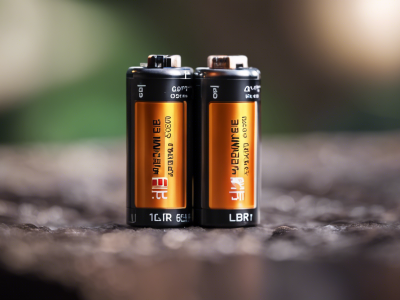
Picture this: You’re fumbling through your junk drawer, searching for a tiny battery to revive your favorite gadget. Two coins gleam back at you—CR2025 and CR2032. They look nearly identical, but are they really interchangeable, or does choosing the wrong one mean your remote stays lifeless?
The world of coin cell batteries hides subtle secrets. A single millimeter can be the difference between a device that hums to life and one that sits silent. Understanding what sets these batteries apart isn’t just about numbers—it’s about unlocking longer-lasting power, saving money, and avoiding those frustrating moments when things just won’t work. Before you pop the first battery you find into your device, let’s unravel the hidden details that make all the difference.
Overview of CR2025 and CR2032 Batteries
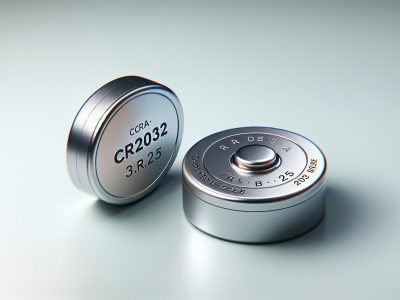
You’ll often see CR2025 and CR2032 batteries in remotes, fitness trackers, calculators—even in your car’s key fobs. Ever wondered why some gadgets ask for CR2025 and not CR2032? On the shelf, both look nearly identical: round, nickel-plated, flat like tiny metallic pancakes. But, dig deeper and find their unique identity in their numbers: “2025” and “2032” aren’t just random codes, they echo the battery’s size. The CR2025 measures 20mm in diameter and 2.5mm in thickness, while the CR2032, by comparison, has a diameter that’s also 20mm but boasts a 3.2mm thickness (Panasonic, 2023).
Picture, you’re about to replace the battery in your glucose meter and spot both types in your drawer—which do you grab? Devices designed with precise compartments don’t always tolerate improvisation. For example, inserting a thicker CR2032, in a slot made for CR2025, might cause the back cover to not shut completely or damage the contacts. In contrast, a too-thin CR2025 in a CR2032 slot can slip, causing it to lose contact and reset your gadget every so often. Stories of frustrated watch owners describe moments when a single millimeter transformed convenience into confusion, all because of this slim difference.
Power delivery diverges too. Both are 3 volts, but the CR2032, with its additional thickness, holds around 225mAh versus the CR2025’s 160-170mAh (Energizer, 2024). Battery life stretches further, but only if your device fits the thicker profile. Consider a digital scale that eats batteries quickly. Swapping from a CR2025 to a CR2032, if the fit allows, could save you from frequent replacement cycles. Yet, not all manufacturers endorse this switch. Who’s right—OEM guidelines or online forums touting “close-enough”? Think about device warranty, reliability, and safety.
Ask yourself, does it make sense to risk device longevity, just for a slightly longer runtime? Would you swap out puzzle pieces just ’cause they seem similar? CR2025 and CR2032, like synonyms in a dictionary, are only interchangeable if the context matches.
You notice these coin cells stacked in store boxes, but in your hand, there’s more at stake than looks or numbers. If you want the best performance for your gadgets, what’s under the hood—mAh rating, fit, and device compatibility—matters far more than a casual glance reveals.
Physical Differences Between CR2025 and CR2032
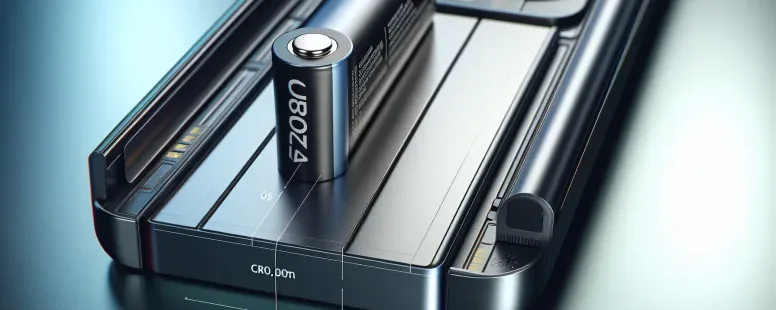
Physical differences between CR2025 and CR2032 batteries affect how these small powerhouses interact with your devices. Even though both kind look similar at first glance, their details matter when your remote stops working or your fitness tracker blinks that low-battery warning.
Size and Dimensions
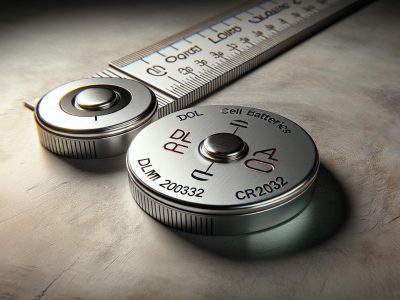
Dimensions separate the CR2025 from the CR2032, with the most important number hiding in their names. Both sit at 20mm in diameter—a size easily held between your thumb and finger, and one you’re likely to lose in the couch cushions. Where they diverge, though, is thickness. CR2025 measures just 2.5mm thick, and the CR2032 adds muscle at 3.2mm. That gap, 0.7mm, can be the difference between a battery snapping snug inside your car key fob, or rattling loose and failing to make contact. How many times have you swapped batteries and wondered why the cover sits askew or the power fizzles immediately? MIT’s Engineering Department notes that millimeter-scale thickness matters most for proper electrical connectivity (MIT OpenCourseWare, 2022). Forget snugness, and your device might simply refuse to wake up.
Weight and Shape
Shape stays identical across both batteries, with a circular, coin-like profile and flat faces. Weight, but, tips the scale: CR2032 at around 3.0g and CR2025 trailing at about 2.5g (Energizer Tech Specs). Differences can feel subtle in your hand, but sensitive devices—like medical thermometers, digital watches, or glucose meters—expect a particular weight for stable contacts. Ever drop a battery and wondered which type rolled under the table? The heavier feel of CR2032 might clue you in. Still, most people ignore weight till a battery swap fails to deliver results. So, thinking of mixing types? You might get by in some remotes, but your memory foam scale or wireless sensor might protest.
Device designers factor both weight and size into battery compartments. Actionable tip: Check your user manual or the compartment itself for the stamped code. Substitution could breaks the delicate relationship between housing design and battery specification—sometimes, all for the sake of less than a grain of rice’s difference in thickness or weight.
Physical differences drive performance, fit, and usability CR2025 and CR2032 batteries. Have you ever mixed them up and experienced unexpected issues? It probably wasn’t a coincidence.
Performance Comparison
Performance differences between CR2025 and CR2032 batteries might seem subtle until your favorite gadget sputters out sooner than you’d hoped. Have you ever found yourself confused, staring at two almost identical coins in your palm, wondering why your car key fob doesn’t work longer?
Voltage and Capacity
Voltage for both CR2025 and CR2032 batteries stands at 3 volts. That’s a non-negotiable for most small electronics like calculators or fitness trackers. The real twist comes with capacity—where these two batteries drift apart. CR2025 batteries usually packs a capacity of 160-170mAh, while CR2032 batteries boast 220-240mAh. Picture running a marathon: the CR2032 covers more distance on a single charge, powering your remote or glucose monitor for months longer.
If you’ve ever replaced a battery in your digital scale and noticed it died sooner than a friend’s, it’s possible the friend popped in a CR2032. Duracell and Energizer’s datasheets back this up—higher capacity translates to longer service in nearly every scenario (see official technical documents via Duracell or Energizer). Not all devices, but, welcome the bulkier 3.2mm thickness—so, if that battery door jams shut, you’ll need the slimmer CR2025.
Expected Lifespan
Lifespan swings with usage patterns and capacity. A CR2032 in a car remote averages 3-4 years, while a CR2025 typically clocks just 2 years before it throws in the towel. Devices like medical thermometers or smart home sensors, sipping energy slowly, show this difference as another year between battery swaps.
Frequent-use gadgets, like wireless doorbells, chew through batteries faster. You might recall swapping coin cells every holiday season in relatives’ living rooms—ever notice how some devices run dry while others linger on? That’s capacity and fit at play.
You’ll often get more mileage with CR2032, provided your device isn’t fussy about thickness. If it is, squeezing in a CR2032 might damage contacts, so check your device’s specifications. Users in online forums like r/batteries or Stack Exchange often debate swapping these cells, but consensus say: stick to manufacturer recommendations when in doubt.
Here’s a snapshot of the actual technical data:
Battery
Voltage
Typical Capacity (mAh)
Approx. Lifespan (Remotes/Low-Drain)
CR2025
3V
160-170
2 years
CR2032
3V
220-240
3-4 years
Think of tiny coin cells not as mere interchangeable disks, but as the beating heart of your device. Choosing wisely keeps your electronics running, those moments intact, and frustration at bay.
Common Applications
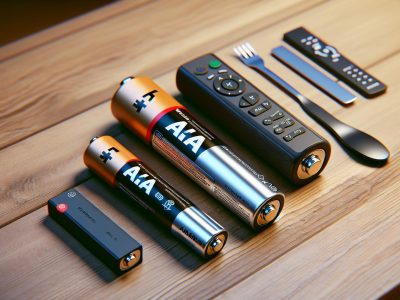
You encounter CR2025 and CR2032 batteries every day—hidden in the smallest devices that keep your routines seamless. Differences in battery size and capacity quietly shape everything, from your morning car start to that late-night Netflix marathon using a remote. Device designers select these cells intentionally; a misstep might lead to digital silence when you need technology most.
Typical Devices Using CR2025
You’ll often find CR2025 batteries in ultra-compact gadgets that demand space-saving power. Watchmakers, like Casio or Seiko, frequently rely on CR2025 cells for slim women’s watches. Fitness trackers—think early Fitbit generations—opt for CR2025’s thinner build to maintain sleek profiles. Key fobs from automakers including Mazda, Toyota, and Kia sometimes require CR2025 cells, as do wireless medical sensors for blood glucose or heart rate monitoring. If you see a pocket calculator or a holiday greeting card playing a tune, odds lean toward CR2025 under the cover. Device engineers choose this coin cell to balance energy needs against tight construction—every millimeter matters.
Typical Devices Using CR2032
You’ll discover CR2032 batteries powering devices where endurance trumps slimness. Motherboard CMOS batteries routinely use CR2032, saving BIOS settings through years of inactivity (see: Intel documentation). Car remote fobs from Ford, BMW, and Honda often specify CR2032, betting on higher mAh for longer replacement intervals. Modern smart scales, digital thermometers, and garage door remotes frequently draw from the CR2032’s extra capacity. Wireless security sensors, such as those from Honeywell or Ring, favor CR2032 due to its higher output. If you’ve changed a battery in a hearing aid, pedometer, or even a talking children’s book, you’ve probably had your fingers on a CR2032. Electrical designers select this cell so devices will work longer and minimize maintenance.
You exist amidst an intricate ecosystem of tiny batteries, each powering a constant background hum of convenience. Choosing CR2025 or CR2032 shapes not just functionality, but the reliability and ease of daily living. Consider which coin cell powers your lifeline the next time a critical device clicks off.
Interchangeability and Compatibility
CR2025 and CR2032 batteries sit nearly twins in your palm—same flat disk, glint of metal, bold black print. Yet, swapping one for the other inside your remote or fitness tracker might spark surprises you didn’t expect. Devices aren’t just picky; they’re insistent on the right fit, much like a lock demands its own key.
Can You Substitute One for the Other?
Substituting CR2025 and CR2032 batteries looks tempting when you’re out of spares and a long grocery run looms. Both share a 20mm diameter and pump out 3 volts, which tricks many into believing they’re identical. But here’s the twist—at 2.5mm thick, the CR2025 falls short compared to the bulkier 3.2mm CR2032.
Some remotes and slim car fobs accept either battery in a pinch, thanks to minor contact tolerances. Your kitchen scale, for example, might jump to life with a CR2025 installed, though it’s supposed have CR2032 because their voltages match. Still, a CR2025 slotted where a CR2032 belongs risks loose connections, flickering segments, or outright power loss. Think of a playground slide: one too short, you’ll never reach the ground smoothly.
On the flip side, forcing a thicker CR2032 into a device needed a CR2025 sometimes damage the battery door or warp delicate contacts. You could end up with a jammed compartment, as happened to a reader in the Battery University forums who reports their remote’s latch broke under pressure from a thicker cell (Battery University).
Most manufacturers print recommended types in device compartments or manuals, which isn’t just a suggestion—it’s a boundary for reliable performance.
Considerations for Device Safety
Device safety leans on battery compatibility for its first line of defense. When the wrong battery slides in, it’s not just about power—a mismatch can trigger heat, leakage, or corrosion. For instance, smartwatches with densely packed internals can short out if CR2032 cells bulge their enclosures meant for slimmer CR2025s.
You might notice subtle glitches before anything catastrophic: flickering LCDs, sporadic loss of bluetooth, calendar resets in key fobs, or even sudden device shutdown. In more severe cases, gaps in battery fitment allow vibration or shifting, fraying delicate wires or circuit traces.
When in doubt, always inspect the compartment. Search for “20/25” or “20/32” near the battery icon. Some tech reviewers (e.g., Wirecutter) recommend erring on the side of caution—swapping only when dimensions and fit are exact, even if voltage and chemistry look alike.
Using the wrong coin cell type risks not only device longevity but often jeopardizes the devices themselves; you wouldn’t want your security sensor to sleep through a break-in, right? Emulate safe practices: pack spares of the exact type, note your device’s requirements in your phone, and teach this awareness to kids and others managing gadgets at home.
Price and Availability
Price and availability for CR2025 and CR2032 batteries depend on market demand, packaging type, and distribution channels. Walk into a local convenience store, you’ll probably notice single-pack CR2032 batteries priced about $2–$4 apiece, while multi-packs online can drop the cost below $1 per cell. CR2025 batteries, though similar in shelf price, sometimes run a few cents cheaper, especially in bulk bundles or lesser-known brands.
Brand premium plays a big role—trusted names like Duracell, Panasonic, and Energizer consistently command higher prices than generic brands. For instance, Energizer CR2032s might retail for $5 for a two-pack, but an off-brand CR2025 six-pack sells under $4 online. If you buy at brick-and-mortar outlets, expect markups driven by convenience and packaging. In contrast, e-commerce giants like Amazon or Walmart.com offer multi-packs at significant discounts, so online shoppers can save more if they plan ahead.
Availability rarely poses a major challenge for either battery, as both models are considered standard coin cells. Supermarkets, electronics stores like Best Buy, auto parts stores, and dollar shops stock both; vending machines at airports sometimes carry them as well. Global supply chain disruptions occasionally create short-lived scarcity, but unlike custom rechargeable batteries, these common coin cells never truly vanish from shelves.
Consider, what does shelf-life have to do with price? Batteries with extended shelf-life (up to 10 years if stored right, per Panasonic) can cost more, as manufacturers guarantee longer potency for emergencies—think smoke detectors or car key backup.
Have you ever had to hunt for a battery late at night, only to discover the store had every type but your own? The lesson: always check your device’s battery size ahead of time and maybe keep a spare somewhere handy. Resale platforms like eBay have auctions for bulk lots, but always verify expiry dates, as out-of-date batteries might be worthless.
Sometimes, people wonder: Does price really reflect quality? While most reputable brands pass safety and endurance tests, certain counterfeit coins on discount sites fail to deliver needed voltage. The savings look attractive, but at closer inspection, the headaches aren’t.
If you compare prices internationally, Western Europe and North America see similar costs, but markets in Southeast Asia and South America might offer greater savings due to localized manufacturing. These price variations, global and local, reveal hidden costs baked into logistics, branding, and currency value.
Price and distribution of CR2025 vs. CR2032 batteries underline how accessibility relies on choices—brand loyalty, shopping habits, and even cultural factors determine what lands in your gadget.
Conclusion
Choosing between a CR2025 and a CR2032 battery might seem simple but paying attention to the details can save you time and hassle. Always double-check your device’s requirements before making a purchase so you’ll avoid compatibility issues and keep your gadgets running smoothly.
By sticking to manufacturer recommendations and staying alert to quality, you’ll get the best performance and value from your batteries. A little extra care goes a long way in keeping your devices powered and reliable.
To provide the best experiences, we use technologies like cookies to store and/or access device information. Consenting to these technologies will allow us to process data such as browsing behaviour or unique IDs on this site. Not consenting or withdrawing consent, may adversely affect certain features and functions.
Functional
Always active
The technical storage or access is strictly necessary for the legitimate purpose of enabling the use of a specific service explicitly requested by the subscriber or user, or for the sole purpose of carrying out the transmission of a communication over an electronic communications network.
Preferences
The technical storage or access is necessary for the legitimate purpose of storing preferences that are not requested by the subscriber or user.
Statistics
The technical storage or access that is used exclusively for statistical purposes.The technical storage or access that is used exclusively for anonymous statistical purposes. Without a subpoena, voluntary compliance on the part of your Internet Service Provider, or additional records from a third party, information stored or retrieved for this purpose alone cannot usually be used to identify you.
Marketing
The technical storage or access is required to create user profiles to send advertising, or to track the user on a website or across several websites for similar marketing purposes.