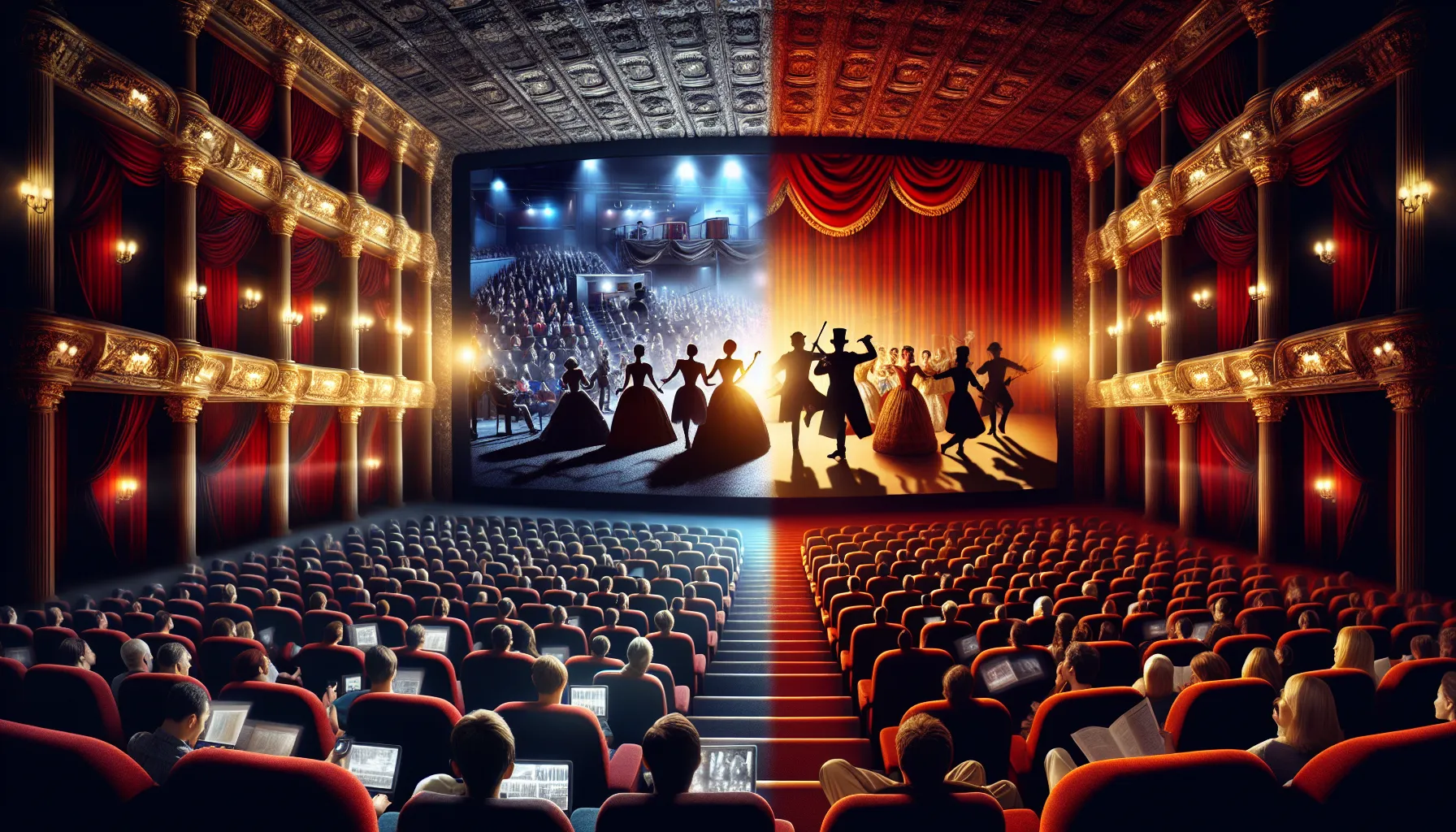
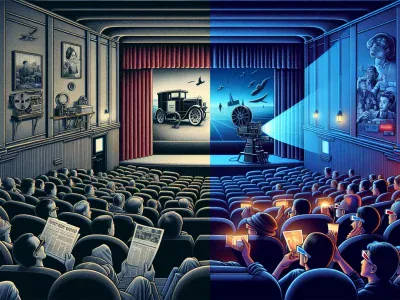
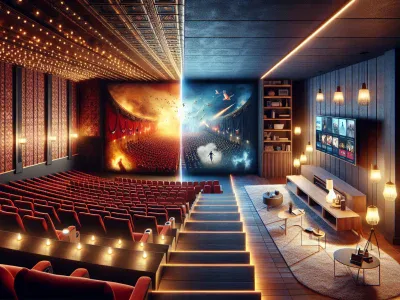
In our world of diverse artistic mediums, the debate between cinema and theater often invites an intriguing discussion. These two quintessential forms of storytelling, although sharing some similarities, cater to distinct experiences and encapsulate unique artistic visions. Understanding their differences not only enriches your appreciation of each art form but also aids in grasping their impact on cultural narratives and individual sentiments.
Historical Overview
Origins of Cinema and Film
Cinema, as an art medium, emerged in the late 19th century with the advent of motion picture technology. Pioneers like the Lumière Brothers introduced moving images that captivated audiences, beginning what would become a revolution in visual storytelling. Over the decades, cinema evolved, incorporating sound, color, and digital effects to enhance its visual narratives.
Development of Theater and Its Traditions
Theater, on the other hand, boasts a history spanning thousands of years. Originating in ancient rituals and communal gatherings, it became a cornerstone of expression in Greek and Roman cultures, eventually evolving through Renaissance drama to contemporary theatrical forms. Its essence lies in live, immediate performances that connect the performers directly with the audience.
Medium of Presentation
Digital vs. Live Performances
Cinema leverages recorded, edited motion pictures projected onto screens, creating a controlled, repeatable presentation. Conversely, theater relies on live performances, offering a unique execution each time, emphasizing immediacy and spontaneity.
Technological Advances in Cinema
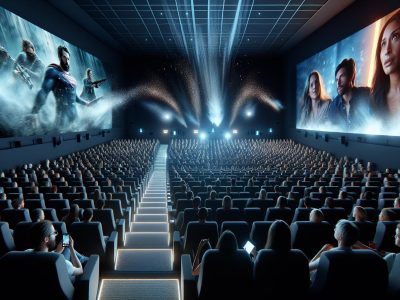
Modern cinema benefits from advanced technologies, from CGI effects that craft fantastical worlds to surround sound systems that immerse viewers in sensory experiences. These developments expand creative possibilities and storytelling methods, making cinema a continually innovative art form.
Audience Experience
Social Interaction and Community Aspect
Attending the theater often fosters a sense of community through shared experiences and real-time emotional exchanges. Cinema, while less direct in its audience connection, enables large-scale collective enjoyment at movie theaters or at home.
Sensory and Emotional Impact
Both cinema and theater evoke strong emotional responses through performance, but the mechanisms differ. Theater resonates with its immediacy and live ambiance, while cinema manipulates visual and auditory techniques to profound effects.
Content and Artistic Approach
Storytelling Techniques
Theater often employs dialogue-heavy narratives and symbolic staging to convey stories, requiring a degree of abstraction. Cinema utilizes visual storytelling, cinematic techniques, and editing to craft intricate plots and emotional resonances.
Artistic Interpretations and Genres
While cinema spans countless genres, documentaries, epic sagas, animation, offering versatility in artistic expression, theater thrives in its raw, interpretive nature, with minimal props and a heavy reliance on performance.
Published: January 2, 2026 at 10:09 pm by Ellie B, Site owner & Publisher
To provide the best experiences, we use technologies like cookies to store and/or access device information. Consenting to these technologies will allow us to process data such as browsing behaviour or unique IDs on this site. Not consenting or withdrawing consent, may adversely affect certain features and functions.
Functional
Always active
The technical storage or access is strictly necessary for the legitimate purpose of enabling the use of a specific service explicitly requested by the subscriber or user, or for the sole purpose of carrying out the transmission of a communication over an electronic communications network.
Preferences
The technical storage or access is necessary for the legitimate purpose of storing preferences that are not requested by the subscriber or user.
Statistics
The technical storage or access that is used exclusively for statistical purposes.The technical storage or access that is used exclusively for anonymous statistical purposes. Without a subpoena, voluntary compliance on the part of your Internet Service Provider, or additional records from a third party, information stored or retrieved for this purpose alone cannot usually be used to identify you.
Marketing
The technical storage or access is required to create user profiles to send advertising, or to track the user on a website or across several websites for similar marketing purposes.