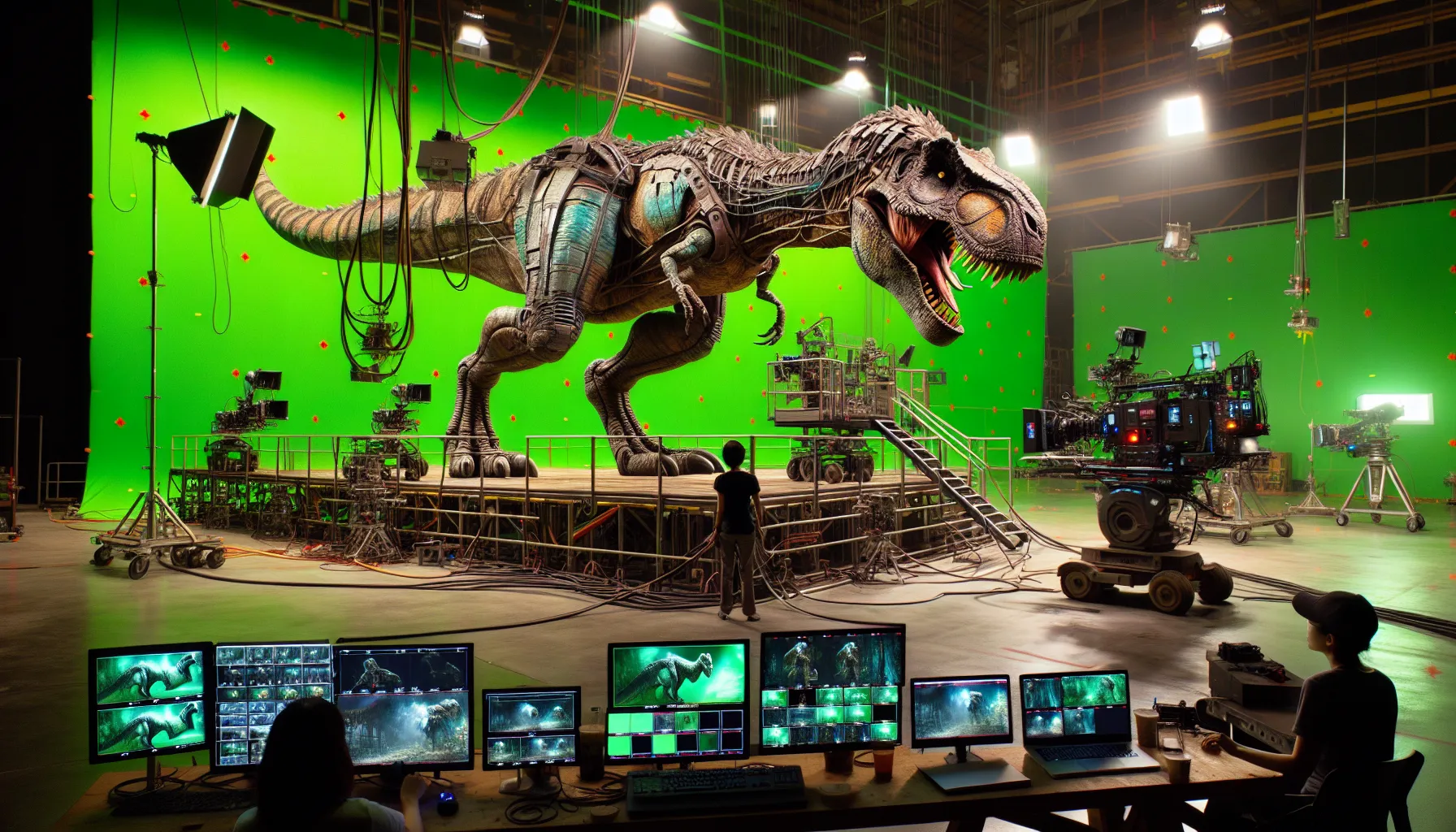
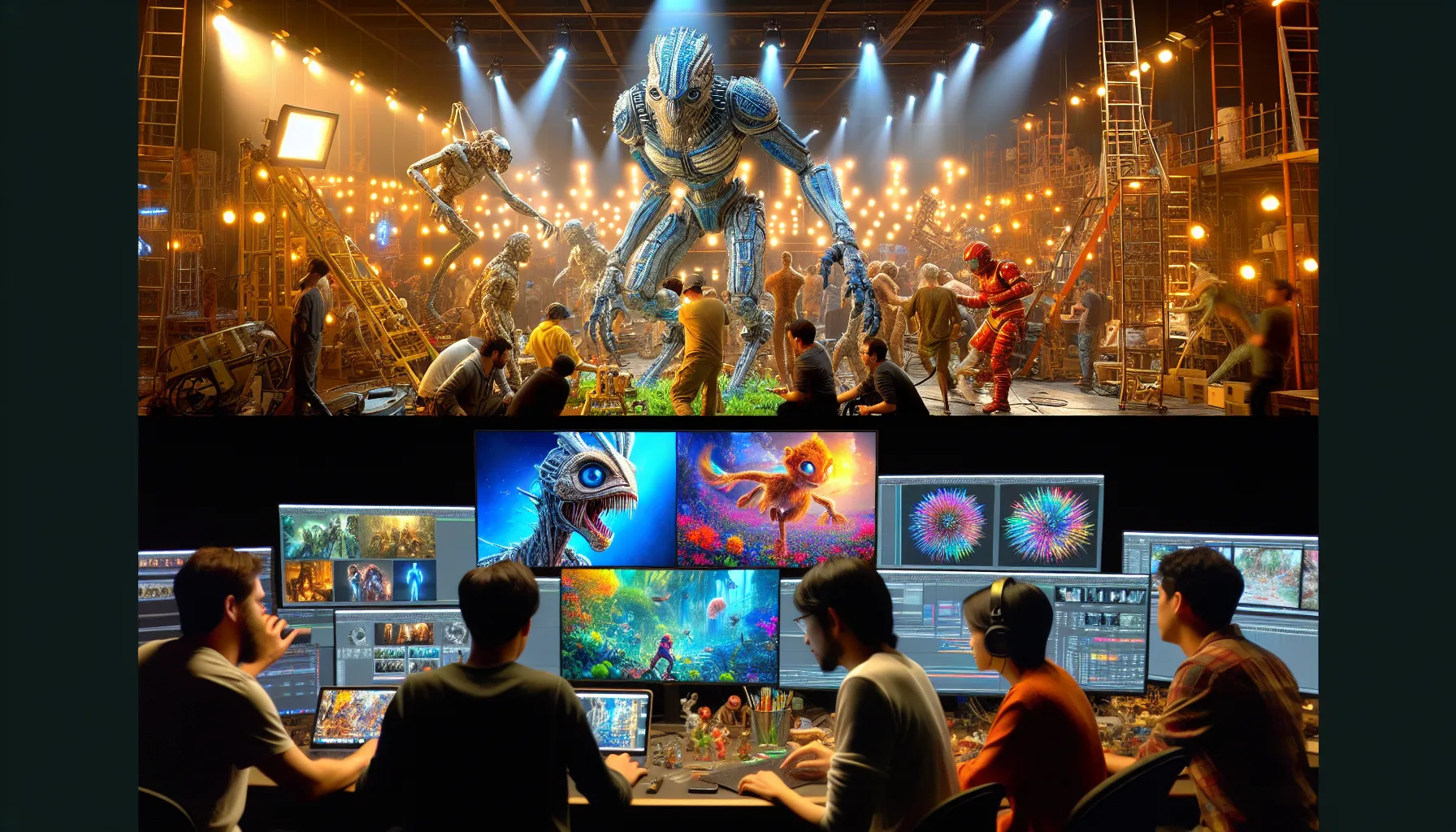
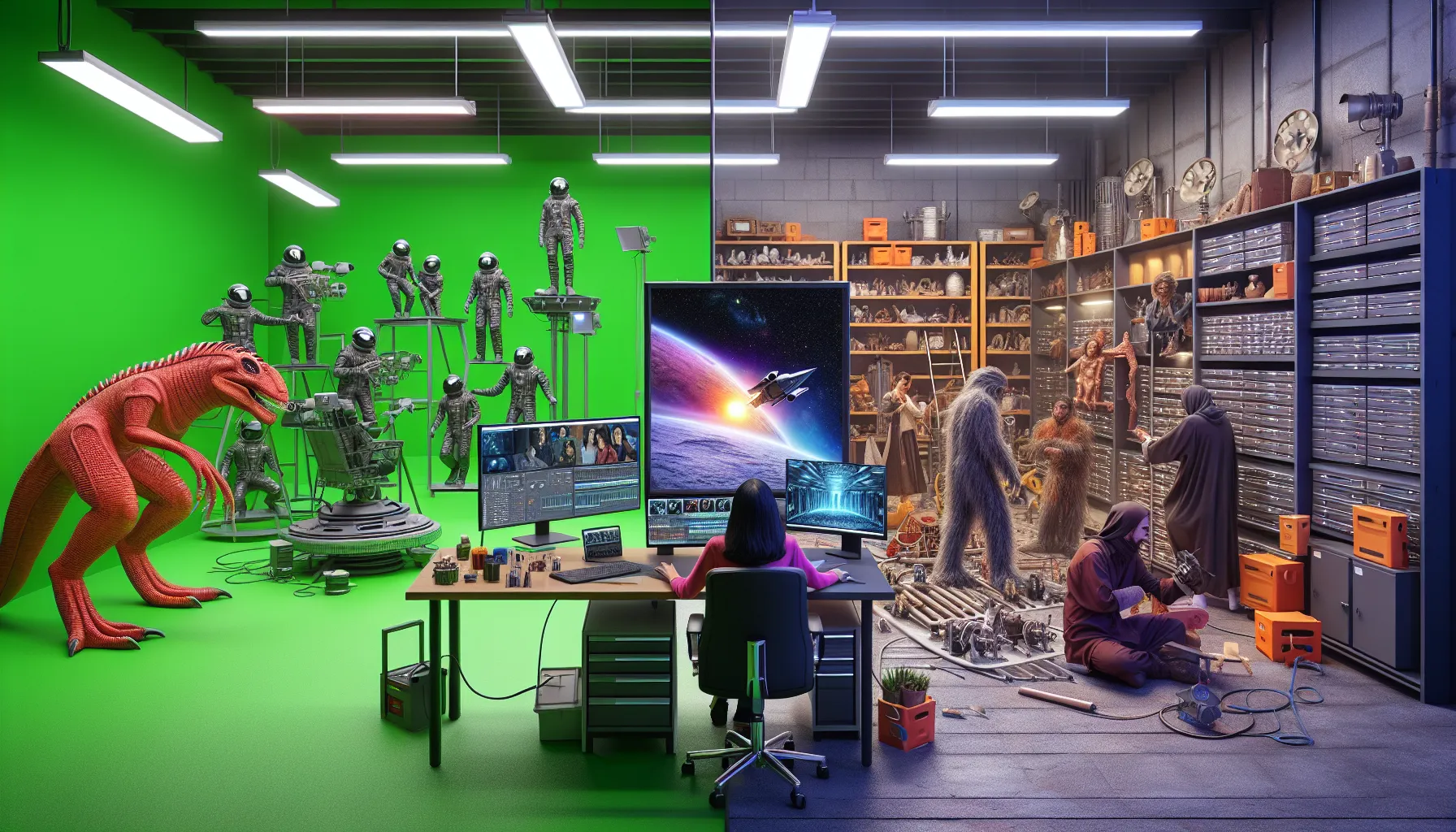
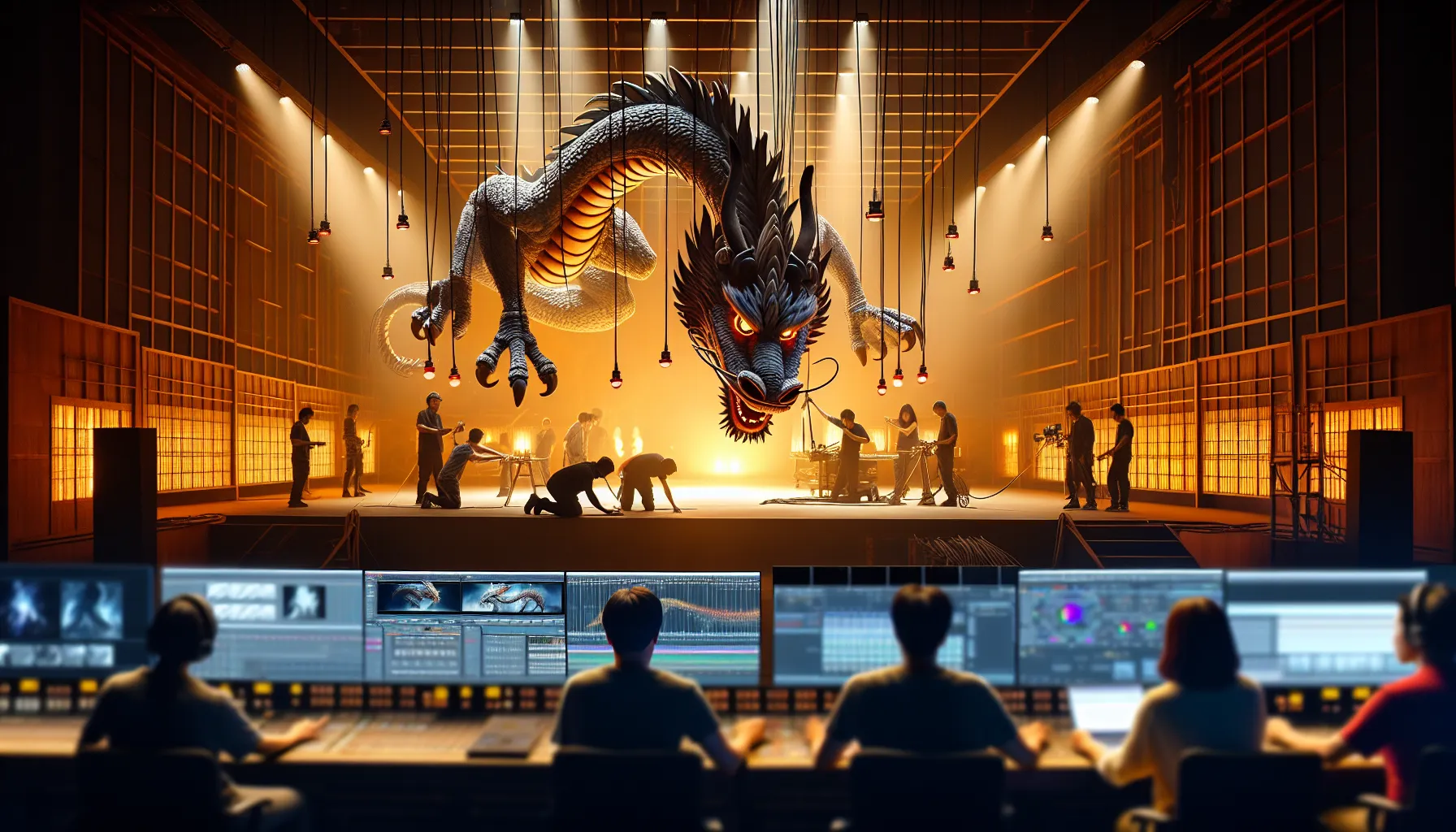
what distinguishes the otherworldly spectacle of a blockbuster sci-fi movie from the tactile charm of vintage adventure films? Visual effects play a critical role in bringing cinematic visions to life, with computer-generated imagery (CGI) and practical effects representing two distinct approaches to achieving this magic. Each method has its merits, applications, and historic significance, and their roles in filmmaking continue to evolve alongside audience expectations. By delving into the intricacies of CGI and practical effects, you’ll gain a deeper understanding of their unique contributions to cinema and what makes each choice a cornerstone in the art of storytelling.
Understanding CGI and Practical Effects
Definition and Core Concepts
CGI, or computer-generated imagery, leverages digital tools and software to create visual content, ranging from characters and landscapes to intricate special effects. Practical effects, on the other hand, involve tangible elements such as miniatures, prosthetics, and pyrotechnics to achieve on-screen illusions.
Historical Development and Evolution
The use of CGI emerged prominently in the late 20th century, with films like Jurassic Park showcasing its revolutionary potential. In contrast, practical effects have roots tracing back to the beginning of cinema, epitomized by techniques such as stop-motion animation in King Kong. Both have transformed over time, responding to technological advancements and creative demands.
Comparing CGI and Practical Effects
Strengths and Weaknesses of Each Medium
CGI excels in creating expansive environments and imaginative visuals that would otherwise be impossible to realize. But, some critics argue that excessive reliance on digital graphics can feel artificial. Practical effects often evoke a sense of realism due to their tangible nature but may be limited in scope and flexibility.
Cost and Resource Implications
While the initial investment in CGI can be costly, particularly for specialized software and skilled personnel, it may offer scalability for extensive projects. Practical effects can also be expensive, especially for intricate designs and setups, but they may be cost-effective for smaller productions or specific requirements.
Applications in Different Genres of Film
Genres like science fiction and fantasy heavily favor CGI because of their demand for visually innovative elements. Conversely, practical effects thrive in creating realistic stunts, atmospheric settings, or period authenticity, as seen in historical dramas or action thrillers.
Impact on Film Production and Audience Engagement
Examples of Iconic Uses of CGI and Practical Effects
Some iconic examples of CGI include Avatar, which transported audiences to the alien world of Pandora, and The Matrix, which redefined action cinematography. In the realm of practical effects, classics like Star Wars: Episode IV – A New Hope and The Thing demonstrated the compelling nature of handcrafted visuals.
Future Trends in Visual Effects
Technological Advancements and Their Implications
The field of visual effects is rapidly advancing with the integration of artificial intelligence, machine learning, and real-time rendering tools. These innovations hold the potential for streamlining production processes and elevating the fidelity of visual storytelling.
Blending Techniques for Enhanced Storytelling
The future of filmmaking may lie in the synergy of CGI and practical effects, combining their strengths to produce immersive experiences. This blended approach allows creators to push the boundaries of creativity while maintaining audience engagement.
To provide the best experiences, we use technologies like cookies to store and/or access device information. Consenting to these technologies will allow us to process data such as browsing behaviour or unique IDs on this site. Not consenting or withdrawing consent, may adversely affect certain features and functions.
Functional
Always active
The technical storage or access is strictly necessary for the legitimate purpose of enabling the use of a specific service explicitly requested by the subscriber or user, or for the sole purpose of carrying out the transmission of a communication over an electronic communications network.
Preferences
The technical storage or access is necessary for the legitimate purpose of storing preferences that are not requested by the subscriber or user.
Statistics
The technical storage or access that is used exclusively for statistical purposes.The technical storage or access that is used exclusively for anonymous statistical purposes. Without a subpoena, voluntary compliance on the part of your Internet Service Provider, or additional records from a third party, information stored or retrieved for this purpose alone cannot usually be used to identify you.
Marketing
The technical storage or access is required to create user profiles to send advertising, or to track the user on a website or across several websites for similar marketing purposes.