Difference Between Box Office and Streaming
The cinematic world has undergone a significant transformation in recent decades, showcasing a shift from bustling theater chains to the widespread allure of on-demand streaming services. While both mediums aim to bring compelling stories to audiences, their approaches and impacts diverge starkly. Venturing into this dynamic evolution offers a glimpse into the historical foundations, technological advancements, and evolving consumer preferences that distinguish these avenues.
Introduction to Box Office and Streaming Platforms
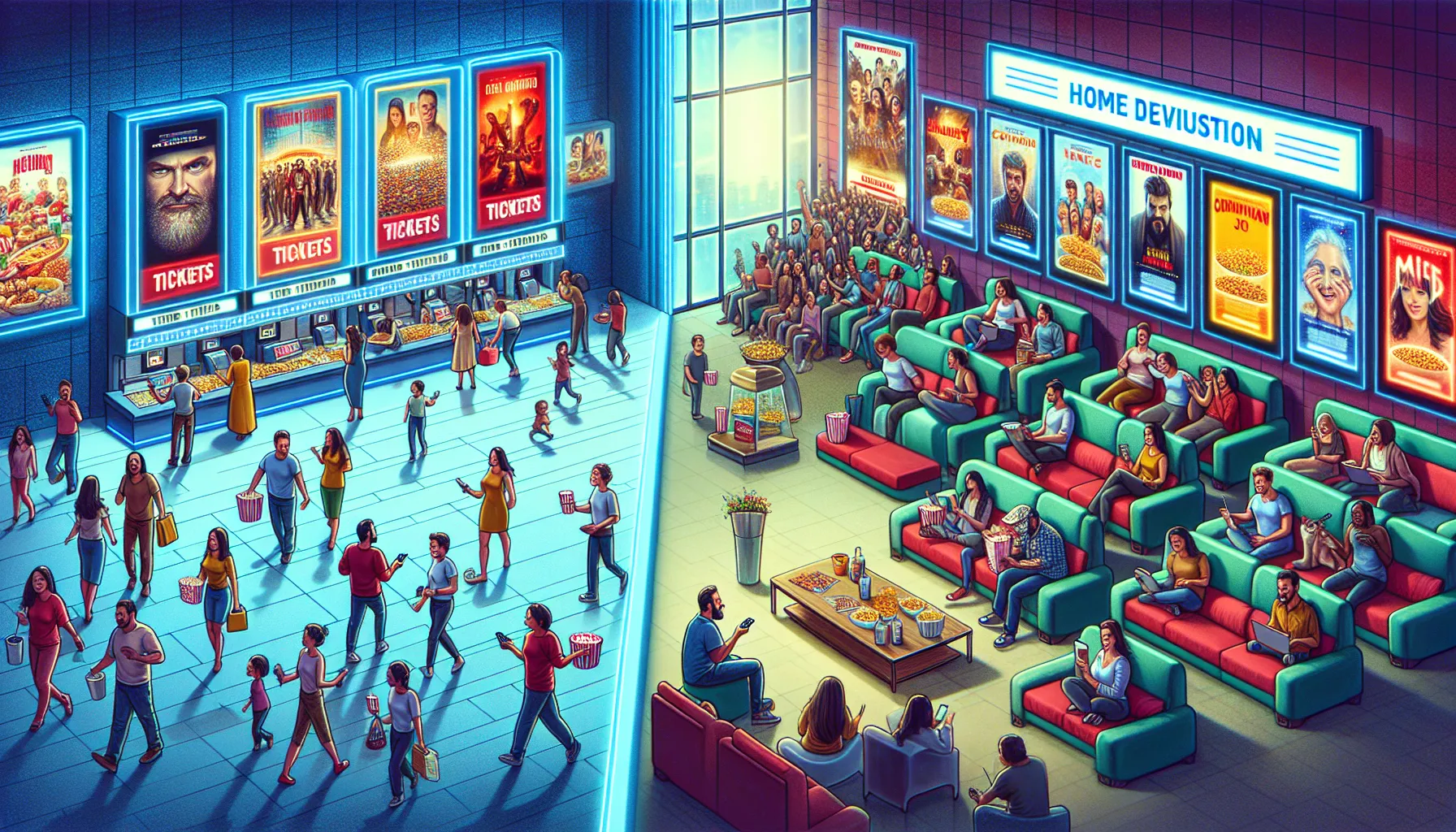
The box office and streaming platforms represent distinct avenues for film distribution. The box office is synonymous with traditional cinema experiences, where audiences gather in theaters to watch newly released films on grand screens in an immersive environment. Streaming platforms, comparatively modern, provide digital access to a vast library of content, accessible from the comfort of one’s home or on the go. Understanding these formats’ mechanisms and impacts sheds light on the evolving entertainment landscape.
Historical Development of the Box Office

The concept of the box office dates back over a century, evolving from modest movie palaces showcasing silent films to elaborate, multi-screen complexes screening the latest Hollywood blockbusters. Ticket sales have long served as a metric for a film’s popularity and success, with advancements in projection technology enhancing the viewing experience. The cultural significance of cinemas as social gathering halls reinforces their enduring legacy in entertainment history.
Emergence of Streaming Services

The advent of high-speed internet and advanced media compression algorithms facilitated the rise of streaming platforms, creating a paradigm shift in how audiences consume films and series. Platforms such as Netflix, Hulu, and Amazon Prime Video pioneered this change, making vast collections of media accessible on-demand. Streaming services tapped into consumers’ desire for convenience and control, reshaping distribution norms and creating opportunities for niche storytelling.
Key Differences Between Box Office and Streaming Platforms

When comparing the box office and streaming platforms, distinct differences emerge:
Economic Impact of Both Models on the Film Industry
The box office initially stood as the primary revenue generator for film studios, relying on ticket sales and extended theater runs. Streaming platforms, but, disrupted this paradigm by introducing new revenue models, such as subscription fees and content licensing, affecting how studios allocate budgets and measure success.
Audience Preferences: In-Person Experience Versus Convenience
Cinemas offer a shared, emotional viewing experience, amplified by large screens and surround sound systems. Conversely, streaming caters to individualistic consumption, offering convenience, flexibility, and a personalized viewing schedule.
Integration of Technology and Viewing Experience
Advancements in technology have enhanced both formats. Traditional theaters boast state-of-the-art projection and audio systems, while streaming platforms leverage machine learning algorithms for content recommendations, tailoring offerings to individual tastes.
How the Pandemic Shifted Consumer Viewing Habits

The global pandemic revolutionized content consumption habits. With theaters temporarily shuttered, streaming platforms witnessed a surge in subscribers as home viewing became the norm. This period marked a significant acceleration in the adoption of streaming and dictated hybrid release strategies for films, blending simultaneous theatrical and online debuts. Such shifts demonstrated the industry’s capacity for adaptation and highlighted emerging consumer expectations.
Future Predictions for the Box Office and Streaming Coexistence
Looking ahead, both the box office and streaming sectors are poised to coexist, serving complementary purposes. Cinematic releases might continue to emphasize event-style premieres for high-budget productions, while streaming platforms cater to diverse preferences and niche audiences. Innovations like virtual reality and augmented reality could bridge the gap further, creating integrated entertainment ecosystems.
by Ellie B, Site owner & Publisher

- Difference Between Passport Book and Passport Card - January 30, 2026
- Which is Older: Zoroastrianism or Judaism? - January 30, 2026
- Understanding the Difference Between Personal Items and Carry-Ons - January 30, 2026