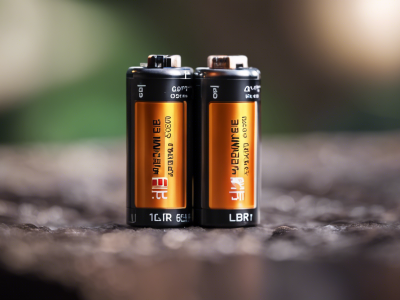
Picture this: you’re rummaging through a drawer filled with a jumble of batteries, trying to power up your remote control. You grab a couple, only to realize they’re not the right size. In the world of batteries, size truly matters. AA and AAA batteries might look similar at a glance, but their differences are more than skin-deep, impacting everything from your device’s performance to its lifespan.
When you investigate into the area of these tiny powerhouses, you’ll uncover a fascinating world of energy potential and versatility. While AA batteries are the robust workhorses, often powering devices that demand more juice, AAA batteries are the nimble athletes, perfect for gadgets requiring a lighter touch. Understanding these distinctions can save you time and frustration, ensuring your devices run smoothly and efficiently.
So, why not explore the unique characteristics of AA and AAA batteries? You’ll find surprising insights that can transform your everyday tech experience.
Understanding Battery Basics
Understanding basic battery concepts enhances decision-making. Common household batteries include AA and AAA types, used in devices like remote controls, flashlights, and toys. Both AA and AAA batteries are cylindrical, yet differ in size and capacity.
Size Difference: AA batteries measure about 50.5 mm in height and 14.5 mm in diameter. AAA are smaller, typically 44.5 mm tall and 10.5 mm in diameter. This size variation affects compatibility with different gadgets.
Capacity and Power: AA batteries offer higher capacity, generally ranging from 1700-3000 milliamp hours (mAh), suitable for energy-heavy devices such as digital cameras. In contrast, AAA batteries usually provide 600-1200 mAh, ideal for low-consumption items like wall clocks.
Voltage Levels: Both types generally deliver 1.5 volts, a standard for consumer electronics, ensuring proper device functionality.
Choosing a battery type involves understanding these basic features. Match battery specifications with the device’s power needs to optimize performance and lifespan.
Key Differences Between AA and AAA Batteries
Understanding the distinctions between AA and AAA batteries helps improve your device’s performance. Analyze each factor carefully to ensure optimal use.
Size and Dimensions
AA batteries measure around 50.5 mm in height, with a 14.5 mm diameter, while AAA batteries are slightly smaller at 44.5 mm tall and 10.5 mm in diameter. This size variation plays a critical role when determining which battery fits your device. Devices like larger remote controls often use AA batteries, whereas smaller gadgets, like compact flashlights, benefit from AAA batteries.
Power Capacity
AA batteries provide a higher capacity, ranging between 1700-3000 mAh, making them suitable for high-demand devices such as digital cameras or toys. In contrast, AAA batteries offer a lower capacity of 600-1200 mAh, fitting low-energy gadgets like remote controls or some wireless mice. Check your device’s requirements before deciding which battery type to choose.
Common Uses
AA and AAA batteries are common in everyday devices throughout homes. AA batteries power more energy-intensive appliances, like gaming controllers and certain kitchen gadgets. Smaller electronics, such as basic calculators or TV remotes, typically rely on AAA batteries. Matching the right battery with the appropriate device ensures efficient performance and prolonged lifespan.
Performance and Efficiency
Performance aspects of AA and AAA batteries depend on lifespan and voltage output, influencing their overall efficiency. Understanding these variables helps you choose the right battery efficiently.
Lifespan
AA batteries generally offer a longer lifespan compared to AAA batteries. When used in devices demanding high power, AA batteries can sustain longer operational periods without frequent replacements. For instance, in gaming controllers, AA batteries might last several hours more than AAA batteries. In contrast, AAA batteries excel in low-power devices, maintaining efficiency in remote controls or small LED lights. While both battery types can last for years when properly stored, usage patterns impact their lifespan, with AA batteries providing better longevity in power-intensive gadgets.
Voltage Output
Both AA and AAA batteries typically deliver a voltage of 1.5 volts; this uniformity ensures compatibility across various electronic devices. But, AA batteries often maintain stable voltage output longer during heavy use due to higher capacity, providing consistent performance in demanding equipment. In devices like digital cameras, which require steady power, AA batteries prevent sudden performance drops. AAA batteries, suitable for lighter gadgets, deliver unwavering voltage in low-demand situations. The right battery ensures device efficiency by stabilizing voltage output based on energy requirements.
Environmental Considerations
When considering AA and AAA batteries, it’s important to think about their environmental impact. Used batteries contribute to electronic waste, which is a growing problem worldwide. Responsible disposal of batteries through recycling programs reduces the harmful effects of this waste. AA batteries, due to their larger size and capacity, may have a bigger environmental footprint in terms of material usage compared to AAA batteries. But, all battery disposal must align with proper waste management to avoid environmental harm.
Look for rechargeable options if seeking eco-friendly solutions. Rechargeable AA and AAA batteries decrease waste by allowing multiple uses before disposal. This option can significantly extend battery lifespan, lowering long-term waste production. Brands like Eneloop offer reliable rechargeable batteries that perform well in various devices, balancing performance with environmental responsibility.
You may also notice that some battery brands are moving toward greener production methods. This includes using recycled materials, reducing toxic substances, and enhancing energy efficiency in manufacturing. When choosing between AA and AAA batteries for your needs, consider those brands with eco-friendly practices. Remember, individual choices cumulatively contribute to broader environmental change.
Choosing the Right Battery for Your Needs
Selecting the appropriate battery ensures optimal performance for your devices. First, consider your device’s power requirements. High-demand gadgets like digital cameras and gaming controllers benefit from AA batteries due to their higher capacity (1700-3000 mAh). AAA batteries (600-1200 mAh) suit low-consumption devices, such as remote controls and small LED lights.
Next, evaluate size compatibility. AA batteries, measuring 50.5 mm x 14.5 mm, typically fit larger devices, while AAA batteries at 44.5 mm x 10.5 mm align with more compact gadgets. Checking your device’s size specifications helps avoid mismatches.
Environmental impact matters too. Opt for rechargeable batteries to minimize electronic waste. Brands like Eneloop offer reliable, eco-friendly options. You contribute to a greener planet when choosing sustainable alternatives.
Finally, think about lifespan. AA batteries often last longer in power-hungry devices, maintaining voltage stability during heavy use. Meanwhile, AAA batteries provide efficiency in low-power situations, ensuring steady performance in daily items like remotes or calculators. By aligning these factors with your device’s needs, you maximize functionality and sustainability, enhancing your tech experience.
Conclusion
Choosing between AA and AAA batteries involves understanding your device’s power needs and environmental considerations. By matching battery type with device requirements, you ensure optimal performance and longevity. Embrace rechargeable options to reduce waste and support eco-friendly practices. Your informed decisions can enhance your tech experience while contributing to a more sustainable future.
To provide the best experiences, we use technologies like cookies to store and/or access device information. Consenting to these technologies will allow us to process data such as browsing behaviour or unique IDs on this site. Not consenting or withdrawing consent, may adversely affect certain features and functions.
Functional
Always active
The technical storage or access is strictly necessary for the legitimate purpose of enabling the use of a specific service explicitly requested by the subscriber or user, or for the sole purpose of carrying out the transmission of a communication over an electronic communications network.
Preferences
The technical storage or access is necessary for the legitimate purpose of storing preferences that are not requested by the subscriber or user.
Statistics
The technical storage or access that is used exclusively for statistical purposes.The technical storage or access that is used exclusively for anonymous statistical purposes. Without a subpoena, voluntary compliance on the part of your Internet Service Provider, or additional records from a third party, information stored or retrieved for this purpose alone cannot usually be used to identify you.
Marketing
The technical storage or access is required to create user profiles to send advertising, or to track the user on a website or across several websites for similar marketing purposes.