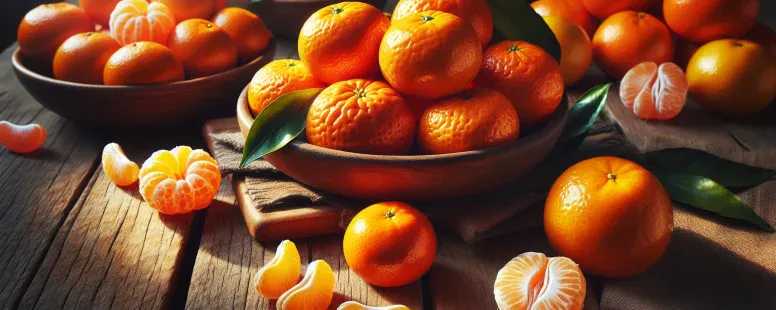
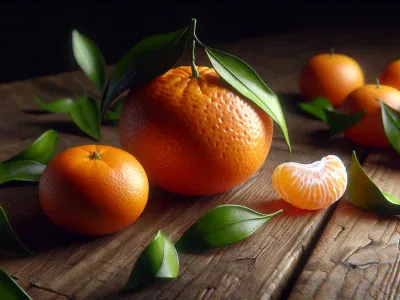
Picture peeling back the skin of a tiny orange and releasing a burst of sweet citrus fragrance that dances through the air. You might think you’re holding a simple snack, but are you savoring a mandarin or a clementine? The difference is more than just a name—it’s a story of flavor, texture, and origin that might surprise you.
You’ll find both fruits tucked into lunchboxes or brightening up winter markets, promising juicy segments and easy peeling. Yet behind their familiar glow lies a world of subtle contrasts and unexpected perks. Discover how choosing the right fruit could elevate your snacking game and even boost your day in ways you never imagined.
Overview of Mandarins and Clementines
You find mandarins in markets worldwide, their dimpled orange skin catching your eye among other citrus. Mandarins (Citrus reticulata) belong to the Rutaceae family and trace their roots back over 3,000 years to Southeast Asia (USDA, 2023). You peel a mandarin, and the loose skin comes off easy, revealing juicy segments that separate cleanly. Major mandarin varieties include Satsuma, Tangerine, and Clementine, each offering flavors ranging from tangy-sweet to mildly tart.
You hold a clementine and notice it’s smaller, with a glossy skin, like someone polished each little globe for a holiday centerpiece. Clementines, a hybrid between a mandarin and a sweet orange (Citrus × clementina), emerged in North Africa in the early 20th century, according to the University of California Riverside Citrus Variety Collection. You bite into a clementine and rarely find seeds, which makes them a popular choice for children’s lunchboxes and on-the-go snacks.
Ever wondered why clementines are called “Cuties” or “Halos” at the store? Growers market them under these brand names when the fruit meets strict sweetness and seedless standards. You peel a Cutie in a crowded office, and watch as coworkers drift by, lured by citrus fragrance. It’s funny—you might not stop to ask, “Is this a clementine or some other mandarin?” but these subtle distinctions shape your snacking routine.
Mandarins thrive in subtropical climates—think Southern China, Spain, and California—while clementines see peak harvest in winter months, making them a festive fruit bowl staple (National Gardening Association, 2022). You sometimes taste a clementine that’s less sweet if weather impacts sugar development, a fact that links climate to flavor far more directly than you’d think.
With these fruits, you’re not just picking a snack; you’re participating in centuries-old cultivation traditions and trade networks. What does your favorite reveal about your palate—do you crave the sharp tang of a Satsuma, or the honeyed pop of a clementine segment bursting between your teeth? If you’ve ever compared the peels, noticed one’s easier than the other, or debated whether mandarins or clementines fit better in your kid’s lunch, you’re already fluent in the subtle language of citrus.
Physical Characteristics
Your experiences with mandarins and clementines probably begin with their looks. Surface details like size or color shapes your first impression—sometimes even before tasting.
Size and Shape
Mandarins usually measure 2.5-3 inches across, giving a chunky feel in your palm. Their bodies tend to lean round or slightly oval, with a sometimes squished pole, reminding you fruits don’t always follow perfect geometry. By contrast, clementines are tinier, rarely edging past 2.5 inches, perfectly spherical, and slip easy into a pocket—they’re like fruit for on-the-go lives. If you line up a clementine and a mandarin, you’d might notice how clementines create snug little worlds, while mandarins wander into bulbous, wild forms. why some supermarket displays pack mandarins in sprawling heaps yet keep clementines neatly boxed? Commercial packers know clementines’ sizes let them fit uniform 3-lb bags, whereas mandarins’ irregular shapes mean bulk bins work better.
Peel and Color
Clementine peels gleam, clinging tight but releasing after a couple playful tugs; you barely get juice on your hands. Peel a mandarin, and the pitted, thicker skin gives up easy, sometimes dropping off in chunks. The color of clementines flashes a uniform bright orange—think traffic cones on sunny days—while mandarins swing between deep tangerine, golden hues, or even pale orange (Agriculture Marketing Resource Center). In early winter markets, you might spot mandarins with rustic green blush, a reminder of their time spent maturing on the branch. Kids at snack tables often prefer clementines, drawn by their tidy, shiny skins and few (if any) seeds. Which would you reach for at a crowded brunch—a glossy, perfectly round clementine or a gnarly-skinned mandarin, hinting at untold, wild flavors inside?
Fruit
Width (inches)
Shape
Peel Texture
Color Range
Mandarin
2.5–3
Round/oval
Dimpled, loose
Golden, deep orange
Clementine
2–2.5
Spherical
Smooth, tight, glossy
Bright uniform orange
(USDA National Agricultural Library, Agriculture Marketing Resource Center)
Certain details—like the feel of a peel or a burst of orange—make each fruit unique beyond taste. Which detail matters most for your fruit ritual? Are aesthetics or practicality driving your next choice?
Taste and Flavor Profile
Eating mandarins is tasting subtle complexity—a mix of sweet and tart notes, with floral tones you might miss if you hurry. Sometimes you bite into a mandarin, and its juices burst, flooding your mouth with flavors that swing between honeyed and tangy. Not all mandarins taste the same, though: Satsumas, for example, bring a mellow, almost delicate sweetness, while tangerines slides into more robust, citrusy territory. In a taste test from the University of California Citrus Variety Collection, seasoned testers describe mandarins as both “zesty and layered,” a testament to their nuanced spectrum (UC Riverside Citrus Variety Collection, 2023).
Clementines, on the other hand, are pure sunshine: vibrant, bright, and candy-sweet. Pop a segment into your mouth, and you’ll catch a simple sweetness soaring above faintly acidic backnotes. Unlike some mandarins, clementines rarely stray into tartness, making them a favorite for those who hates surprises. Sometimes you’ll find yourself reaching for a second clementine before finishing the first—almost like eating nature’s answer to gumdrops. California growers often market clementines under “Cuties” and “Halos” to underline this sweetness and reliability (California Citrus Mutual, 2022).
Which flavor speaks to you—a tangy spark or a sugar-bright embrace? Ask yourself if today calls for nuance or nostalgia. Children, as citrus marketers have found, overwhelmingly gravitate to the clementine’s predictability, but chefs and fruit enthusiasts may lean toward the multifaceted experience of mandarins in their recipes. In blind tastings, even adults mistake clementines for oranges, surprised by just how gentle their acidity lands on the tongue.
Perhaps taste memory guides your choice. Maybe your grandmother would slip mandarins into your coat pockets during winter walks, their scent a small, citric promise. Or maybe you discovered clementines on a bustling Saturday market stall, perfect for peeling on the go. Which flavor you choose shapes not just the snack you eat, but the stories you’ll tell—or rememeber.
Fruit
Typical Taste Notes
Sweetness Level
Acidity/Tartness
Notable Varieties
Mandarin
Sweet, tart, floral, layered (Satsuma, Tangerine)
Moderate to high
Mild to strong
Satsuma, Tangerine, Clementine
Clementine
Pure sweet, bright, mild acid
High
Very low to mild
“Cuties,” “Halos”
Nutritional Differences
You glance at a vibrant fruit bowl—do you know what really sets a mandarin and a clementine apart nutritionally? Both belong to the Citrus reticulata group, yet those subtle differences can transform your snacking game.
Mandarins usually provide about 50 kcal per 100 g, delivering 26 mg vitamin C (USDA). Clementines come in close, with 47 kcal per 100 g and up to 48 mg vitamin C, sometimes doubling the boost per juicy segment. That’s like trading a single flashlight for a flood lamp during cold season. Your immune cells might prefer the clementine’s dose, especially on gray January mornings.
Slicing deeper, mandarins offer more vitamin A—two small mandarins can gives you up to 20% of your daily value, supporting eye health and immune function (NIH). Clementines lean milder on vitamin A content, barely scratching 5% by comparison, so if you staring at screens all day, mandarins subtly come out ahead.
Consider fiber: mandarin and clementine both fit into high-fiber snacks, about 1.7 g per 100 g serving. But a clementine’s seedless flesh leaves no obstacles—kids grab handfuls without pausing, while mandarins sometimes catch you out with a stray pip. That quick snack on the go suddenly stops being interrupted.
Ever worry about sugar? Clementines taste sweeter, but the natural sugar count’s almost identical to mandarins: about 9 g per 100 g, according to the USDA. That means you can, with confidence, swap them one-for-one in lunch bags or smoothie bowls.
Here’s a snapshot for your reference:
Fruit
Calories (per 100g)
Vitamin C (mg)
Vitamin A (% DV)
Sugar (g)
Fiber (g)
Mandarin
50
26
20%
9
1.7
Clementine
47
48
5%
9
1.7
Ever noticed how your energy feels different after each fruit? Some nutritionists hypothesize (NutritionFacts.org) vitamin and mineral synergy varies—like musicians tuning to slightly different keys. You can’t always sense it, but your cells might.
So next time you reach for citrus, ask yourself: Do you want a quick surge of vitamin C or more vision-supporting vitamin A? Are you chasing sweetness, convenience, or the subtle experience of texture? In that tiny choice, your daily nutrition story begins again, nuanced and full of unexpected flavor twists.
Culinary Uses
You hold an orange globe, smooth as river stones, its scent bright and a little wild. Is it a mandarin or a clementine? The answer opens a world of culinary possibilities—like choosing a brush for a masterful painting, each fruit brings its own hue to your table.
Your breakfast tangles with choices, doesn’t it? Clementines, virtually seedless and always sweet, slip easily out of their glossy jackets. Pop segments into kids’ lunchboxes, or scatter them over yogurt and granola for a morning jolt of citrus bliss—a real shortcut for rushed mornings. Bartenders in Barcelona toss clementine juice into sparkling cocktails, the kind that turn everyday evenings into celebrations.
Mandarins, though, offer a thicker skin and a spectrum of flavor. Chefs in Asian kitchens use mandarin zest as a key aromatic in duck à l’orange. Segments swim in spicy salads or slow-cooked with pork, soaking up sauces that ordinary oranges can’t handle. Have you tried throwing mandarin pieces in your stir-fry, letting their floral-sweet tang chase the savor of garlic and soy? Versatility’s a mandarin’s secret weapon.
Some home chefs find clementines work better, where predictability counts—baking, candying, or blending for a syrupy glaze. You see them in winter desserts: clafoutis, upside-down cakes, quick jams. You might wonder, does predictability limit you or empower you? Clementines answer with consistent sweetness, making them reliable partners for French pastries (Bon Appétit, 2022).
Still, mandarins claim the prize for depth. They’ll surprise you—some run tart, almost peppery, overlaying their fragrance across savory and sweet. You might toss clementines in salads for consistent notes, but mandarins dare you to experiment. Next time, slip mandarin peel into a braise, see how it infuses: that’s kitchen poetry, not just cooking.
In global cuisines, farmers’ markets in Sicily and California stack crates with both fruits. Shoppers debate: Do you want candy-sweet joy or layered intrigue? The semantic entity “dessert” leans toward clementine, while “sauce” pulls for mandarin. Street vendors in Morocco dust mandarin segments with paprika and sea salt, turning a snack into something memorable.
Which fruit wins your heart—quick convenience or flavor nuance? The answer isn’t fixed, it shapes itself around your need: a hurried morning, an indulgent dinner, a crowd-pleasing punch. Each fruit owns its specialty and its story, and your kitchen is the map.
Availability and Seasonality
You notice soon enough—fruit stands rarely overflow with both mandarins and clementines side by side. Clementines pop up in stores mostly from November to January, with imported Spanish Haifa mandarins and Moroccan clementines arriving first, then California crops following (USDA, 2023). Whether the holidays’ tangerine-scented air triggers you memories or not, the winter months become peak clementine season, so a bowl of Cuties or Halos seems to appear in nearly every household across the US.
Mandarins, covering varieties like Satsumas and Tangerines, stretch their season a bit longer. Early Satsumas reach your local markets by October, while other mandarins linger until April or even May. In Japan, harvest festivals celebrate Satsuma arrival each fall; kids peel them on chilly mornings, orange zest on their fingertips—does that conjure a scene from your own childhood breakfasts? If fresh citrus costs drops come March, you’re probably catching the tail end of the mandarin run.
Try looking for California-grown mandarins at farmers’ markets if you value local flavor over imports. Some grocers substitute tangerines for clementines when supply tightens; would you even notice if you didn’t pause to check the sticker? Importers fill shelves with South American or Spanish clementines when US-grown fruit runs out. Isn’t it curious how globalization ensures citrus is never really out of season, just sourced from elsewhere?
Citrus Type
Peak US Season
Primary Origins
Example Brands
Clementine
Nov–Jan
Spain, Morocco, CA
Cuties, Halos
Satsuma
Oct–Jan
Japan, California
Owari, Brown Select
Tangerine
Dec–Apr
Florida, California
Sunburst, Dancy
Mandarin (gen.)
Oct–May
China, US, Spain
Varies
Demand for seedless fruit spikes in late December, grocery data confirms it (Produce Market Guide 2022). Some families stash clementines for road trips, tossing their bright peels out car windows, while others build winter centerpieces around mandarins, loving the fragrance and deep color. Have you ever tasted a sun-warmed Satsuma outdoors, juice dribbling? That short fall-winter season makes the experience rare and meaningful.
Do global supply chains rob seasonal fruits of their magic, or do they broaden your choices? But you answer, your own experiences shape your idea of what “in season” really means—maybe it’s memory, maybe it’s proximity. Constraints of climate, region, and tradition influence every citrus bite you take.
Which One Should You Choose?
Picture your morning—do you want a burst of pure, reliable sweetness or the bright, unpredictable tang of tradition in every bite? Clementines, the crowd-favorite in American lunchboxes, offer you seedless convenience. Kids grab “Halos” and “Cuties” for their glossy skin, which slips right off, making snack-time easy—no mess. The same hybrid roots that make clementines nearly always sweet and uniform (Citrus × clementina, USDA, 2022) have also made them a staple for quick fixes when time’s short. If you crave certainty, and you don’t want surprises, reach for clementines.
Mandarins, in contrast, carry the weight of centuries. Their wrinkled skin hints at ancient trade caravans winding through Southeast Asia. Biting into segments, you might notice a tinge of tartness, a hint of floral aroma, or a honeyed sweetness—each variety, from Satsuma to Tangor, brings it’s own heritage. Chefs often zest mandarins for vinaigrettes or cocktails, because their peels hold more oil and flavor than a clementine’s. If your taste leans toward nuance, risk, and you find beauty in nature’s imperfections, mandarins call you by name.
Seasonality plays its own part. Clementines flood stores from November through January, and some parents even tuck them into holiday stockings—think of the way clementines symbolize the promise of new sunshine as winter lingers. Yet, the mandarin’s long season, stretching from October to May, provides flexibility. You can savor different cultivars, learning subtle differences with every box.
What if dietary needs top your list? Clementines, with up to 48 mg vitamin C per 100g, outperform mandarins (USDA FoodData Central, 2023). If you chase immune support or skin health, this fact tilts the scale. Mandarins, with higher vitamin A—critical for vision and growth—may sway you if eye care’s a concern (NIH, 2021).
So which fruit truly fits your life? Ask yourself: Is your day hungry for convenience or craving tradition? Is nutrition your priority, or do you chase flavor memories? Sometimes, the difference between a mandarin and a clementine isn’t just science—it’s a question of what story you want to taste next.
Conclusion
Choosing between mandarins and clementines comes down to more than just flavor or convenience. As you reach for your next citrus snack, think about what you value most—whether it’s a burst of nostalgia, a vitamin boost, or simply the ease of peeling. Let your unique tastes and experiences guide your selection and enjoy every bite as part of your own story.
Last Updated: October 18, 2025 at 1:34 pm by Ellie B, Site owner & Publisher
To provide the best experiences, we use technologies like cookies to store and/or access device information. Consenting to these technologies will allow us to process data such as browsing behaviour or unique IDs on this site. Not consenting or withdrawing consent, may adversely affect certain features and functions.
Functional
Always active
The technical storage or access is strictly necessary for the legitimate purpose of enabling the use of a specific service explicitly requested by the subscriber or user, or for the sole purpose of carrying out the transmission of a communication over an electronic communications network.
Preferences
The technical storage or access is necessary for the legitimate purpose of storing preferences that are not requested by the subscriber or user.
Statistics
The technical storage or access that is used exclusively for statistical purposes.The technical storage or access that is used exclusively for anonymous statistical purposes. Without a subpoena, voluntary compliance on the part of your Internet Service Provider, or additional records from a third party, information stored or retrieved for this purpose alone cannot usually be used to identify you.
Marketing
The technical storage or access is required to create user profiles to send advertising, or to track the user on a website or across several websites for similar marketing purposes.