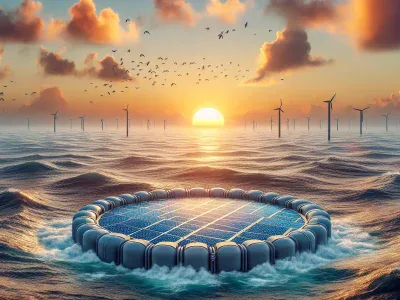
Imagine a world where the air feels cleaner, the skies look clearer, and energy comes from sources that never run out. Now, contrast that with the thick plumes of smoke rising from factories or the relentless drilling deep into the earth. The energy choices we make today shape the future we’ll live in tomorrow, and the debate between renewable energy and fossil fuels couldn’t be more urgent.
You’ve likely heard about solar panels, wind turbines, and electric cars, but how do they stack up against the traditional oil, coal, and gas that have powered our world for centuries? It’s not just about sustainability—it’s about cost, efficiency, and the impact on your daily life. Understanding the differences between these energy sources isn’t just fascinating; it’s essential for making informed decisions in a rapidly changing world. So, which path leads to a brighter, cleaner future? Let’s explore.
Overview Of Renewable Energy And Fossil Fuels
Understanding the core differences between renewable energy and fossil fuels allows you to evaluate their impact on the environment, economy, and energy security. Each energy source influences daily life and global sustainability in significant ways.
What Is Renewable Energy?
Renewable energy refers to sources that replenish naturally and rapidly over time. Examples include solar power, wind energy, hydroelectricity, geothermal energy, and biomass. Solar panels convert sunlight into electricity, while wind turbines harness kinetic energy from wind patterns to generate power. These technologies rely on Earth’s natural processes, emitting little to no greenhouse gases.
Renewable energy production often depends on geographic conditions. For example, solar farms thrive in sunny regions, and geothermal plants operate best near active tectonic areas. These sources provide a sustainable energy flow but can face challenges like intermittent supply and varying efficiency due to weather changes.
Global investment in renewable energy exceeded $500 billion in 2022, according to BloombergNEF, reflecting increased interest in sustainable alternatives. Adopting renewable energy reduces carbon footprints, diversifies energy portfolios, and lowers dependency on finite resources.
What Are Fossil Fuels?
Fossil fuels, including coal, oil, and natural gas, originate from decomposed organic matter buried deep beneath the Earth’s surface for millions of years. They undergo extraction and refinement to produce energy through combustion processes. These sources account for around 80% of global energy consumption, according to the International Energy Agency (IEA).
Coal-fired power plants and gas turbines supply electricity, while oil derivatives fuel transportation. Their high energy density makes fossil fuels efficient for large-scale industrial use, but their combustion releases significant amounts of carbon dioxide and other pollutants into the atmosphere.
Fossil fuels are non-renewable, meaning they deplete over time, with extraction increasingly difficult and costly. Environmental impacts include air pollution, habitat disruption, and contributing to climate change. For example, coal mining often damages ecosystems, and oil spills threaten marine life. Globally, countries are experiencing growing pressure to transition towards cleaner energy to combat such challenges.
Environmental Impact
Renewable energy and fossil fuels differ significantly in how they affect the environment. These differences are critical to understanding the broader debate about energy sustainability.
Carbon Emissions
Fossil fuels release large quantities of carbon dioxide (CO2) and other greenhouse gases (GHGs) during combustion. For example, coal emits about 2.2 pounds of CO2 per kilowatt-hour (kWh) of electricity generated. This contributes significantly to global warming. Natural gas emits less CO2, around 0.91 pounds per kWh, but methane leakage during extraction exacerbates its impact.
Renewable energy sources like solar panels and wind turbines generate electricity with little to no direct GHG emissions. Over their lifecycle, wind power produces approximately 11 grams of CO2 per kWh, and solar power generates about 44 grams per kWh. Unlike fossil fuels, renewables avoid prolonged emission releases, making them more climate-friendly.
Land And Water Usage
Fossil fuel extraction requires extensive land and water resources, often leading to environmental degradation. For example, mountaintop removal mining for coal destroys ecosystems, and oil drilling consumes millions of gallons of water, sometimes contaminating local supplies. Fracking, in particular, uses around 4 million gallons of water per well.
Renewable energy also impacts land and water but less severely. Solar farms cover substantial land areas, potentially disrupting local habitats. Wind turbines occupy space yet allow agriculture or grazing underneath. Hydropower dams affect aquatic ecosystems and modify water flow patterns. But, these effects are usually more localized and reversible than those from fossil fuel extraction.
Effects On Biodiversity
Fossil fuel activities significantly harm biodiversity by destroying habitats and exposing wildlife to pollutants. Oil spills, like the 2010 Deepwater Horizon disaster, devastate marine ecosystems, killing thousands of animals and disrupting food chains. Coal mining pollutes soil and waterways with toxic substances like mercury and arsenic.
Renewable energy sources also influence biodiversity, though generally less dramatically. Wind farms can endanger bird and bat populations if not properly sited. Hydropower dams obstruct fish migrations and alter ecosystems. Properly planned renewable energy projects, using measures like wildlife-friendly turbine designs or fish ladders, can minimize these risks and preserve ecological balance.
Cost And Economic Viability
Renewable energy and fossil fuels differ significantly in terms of costs and their broader economic implications. Both initial investment and ongoing financial considerations shape their economic appeal.
Initial Investment And Infrastructure
The upfront costs of renewable energy systems, including solar panels, wind turbines, and hydroelectric dams, are often high. For instance, installing a commercial-scale solar power system can range from $1 million to $3 million per megawatt, depending on location and technology. These technologies also require sizable investments in infrastructure, such as energy storage solutions and grid integrations, to manage intermittency.
In contrast, fossil fuel infrastructure is already well-established in many regions, reducing initial costs for extraction and energy production. But, building new coal-fired plants or fracking facilities can still exceed billions, especially with rising regulatory compliance costs. Geographic factors also influence these expenses, with offshore fossil fuel drilling demanding advanced technology and heightened investment.
Long-Term Costs And Savings
Renewables offer considerable savings over time due to near-zero fuel and maintenance costs. Solar and wind energy, for example, harness free natural resources. A study from the International Renewable Energy Agency (IRENA) highlights that the levelized cost of electricity (LCOE) for renewables dropped by 67% for solar PV and 42% for onshore wind between 2010 and 2020.
Fossil fuels, on the other hand, entail continuous expenditures for raw materials like coal, oil, and gas, as well as environmental cleanup costs. Volatile fuel prices can cause unpredictable energy expenses. For example, natural gas price fluctuations in 2022 drove energy costs up by 50% in some regions, highlighting an economic disadvantage of reliance on finite resources.
Job Creation And Industry Growth
Renewables have emerged as significant job creators, especially in renewable energy installation and manufacturing industries. In 2022 alone, over 12 million people were employed in renewable energy sectors globally, according to IRENA. Job growth spanned diverse domains, such as producing solar modules and constructing wind farms, benefitting both highly skilled and labor-intensive workers.
Fossil fuels, while historically vital for industrial employment, are experiencing shrinking job markets due to automation and energy transitions. For example, coal mining employment in the U.S. decreased by 60% since 1980, reflecting reduced demand and shifts toward cleaner energy. Even though this, fossil fuel sectors remain pivotal contributors to some local economies with limited diversification.
Reliability And Sustainability
Renewable energy and fossil fuels differ significantly in their reliability and sustainability. These differences become important when evaluating their ability to meet global energy demands both today and in the future.
Energy Production Consistency
Fossil fuels offer consistent energy production, as their extraction and combustion are independent of weather conditions or daily cycles. Power plants running on coal, oil, or natural gas can provide a stable supply of electricity around the clock. For instance, natural gas turbines can be ramped up quickly to meet peak demand, ensuring grid stability.
Renewable energy sources, while environmentally friendly, face challenges in maintaining consistent output. Solar panels depend on sunlight, making their efficiency drop considerably during cloudy days or at night. Similarly, wind turbines require sufficient wind speeds, which vary over time and by location. But, advancements in energy storage solutions, like lithium-ion batteries and pumped hydro storage, are mitigating these reliability issues by storing surplus energy for use during low-generation periods.
Hybrid systems combining renewables with backup fossil fuel power or battery storage are emerging to address these inconsistencies. For example, solar and wind farms often integrate with gas-powered plants or grid storage to ensure uninterrupted energy supply.
Resource Availability Over Time
Fossil fuels, though abundant in specific regions, are finite resources. Reserves of coal, oil, and natural gas diminish as extraction continues, making long-term reliance on them unsustainable. The International Energy Agency (IEA) predicts that recoverable fossil fuel reserves could become economically unviable within the next 50–100 years due to declining availability and increasing extraction costs.
Conversely, renewable energy sources like solar, wind, and hydro rely on natural processes that replenish themselves. The Sun, as the primary source of solar energy, is expected to last for another 5 billion years, providing an effectively limitless supply. Similarly, wind energy depends on atmospheric conditions driven by the Earth’s climate, which remains constant over human timescales.
Geographical distribution heavily influences both types. Fossil fuel deposits are limited to specific regions, resulting in uneven global access and geopolitical dependencies. Renewables, while also location-dependent (e.g., solar farms thriving in sunny deserts), offer more widespread potential. Efforts to harness offshore wind or space-based solar power point toward innovative ways to expand renewable accessibility.
Technological Advancements
Rapid innovation has shaped both renewable energy and fossil fuel technologies, addressing challenges and improving efficiency. Advances in these fields are crucial as energy demands increase worldwide.
Innovations In Renewable Energy
Renewable energy technologies have advanced significantly, focusing on scalability and efficiency. Solar panels now achieve efficiency rates of up to 22%, compared to around 15% a decade ago, helping enhance their energy output per square meter. Floating solar farms, like those on reservoirs in China, use water surfaces, saving land resources while cooling panels for better performance.
Wind turbines have also seen breakthroughs, with offshore turbines reaching capacities of over 12 megawatts (MW) per unit. For example, the Haliade-X wind turbine generates sufficient electricity to power up to 16,000 households annually. Energy storage systems, like Tesla’s Megapack and grid-scale batteries in Australia, address intermittent supply issues. Innovations in hydrogen electrolysis further promise clean fuel for transportation and industrial processes.
Emerging concepts such as agrivoltaics integrate solar panels with agriculture, improving land use efficiency. Decentralized systems, like mini-grids powered by renewable energy, deliver electricity to remote regions. These advancements demonstrate how technology strengthens renewable energy’s role in diversifying the energy matrix.
Efficiency Improvements In Fossil Fuels
Fossil fuel technologies have also progressed, targeting emissions reduction and resource optimization. Carbon capture and storage (CCS) systems mitigate environmental impacts by capturing up to 90% of CO2 emissions from coal or natural gas plants. Projects like the Boundary Dam Power Station in Canada showcase real-world applications of CCS.
Combined-cycle gas turbine (CCGT) plants achieve over 60% efficiency by utilizing waste heat to generate additional electricity. Such systems provide cleaner energy compared to traditional fossil fuel methods. Enhanced oil recovery (EOR) techniques, including CO2 injection, maximize fossil fuel extraction efficiency while reducing net emissions.
Cleaner fuels, like ultra-low sulfur diesel, improve air quality in urban environments. Advances in flue gas desulfurization (FGD), used in power plants, reduce harmful sulfur dioxide emissions while adhering to stricter environmental standards. These improvements demonstrate that even within fossil fuel reliance, technological progress aims to balance energy output with environmental considerations.
Global Energy Transition Trends
Global shifts in energy priorities reshape how the world produces and consumes power. Renewable energy adoption grows rapidly as policymakers and industries seek sustainable and cleaner solutions.
Policies Promoting Renewable Energy
Governments worldwide introduce supportive frameworks to accelerate renewable energy deployment. Tax incentives, subsidies, and feed-in tariffs drive investment in technologies like solar, wind, and hydro. The Inflation Reduction Act (2022) in the US allocates $369 billion for clean energy. Similar initiatives, such as the European Green Deal, aim to reduce carbon emissions by 55% by 2030.
Renewable portfolio standards (RPS) mandate specific energy percentages from renewables. For example, California targets 100% clean electricity by 2045. International agreements like the Paris Agreement commit nations to minimize global temperature rise by reducing fossil fuel reliance. Such frameworks promote collaborative action and attract private sector engagement.
Challenges Of Shifting Away From Fossil Fuels
Transitioning from fossil fuels involves economic, technological, and infrastructural challenges. Fossil fuels dominate energy systems, contributing over 80% of global consumption. Developing countries often rely heavily on these fuels due to affordability and accessibility. Financing renewable transitions proves difficult in regions with limited resources.
Grid reliability emerges as a key concern. Renewable intermittency, like solar dependence on sunny days, creates stability issues. Advancements in battery storage and smart grid systems mitigate some challenges. But, integrating renewables into existing grids demands significant upgrades and investments.
Social resistance also slows progress. In coal-dependent regions, job losses deter renewable adoption. Over 300,000 jobs in the US remain tied to coal mining and power plants. Strategies like workforce retraining can ease transitions and minimize socio-economic impacts.
Exploring these obstacles requires a cohesive global effort. Comprehensive policies and technological innovation combined with community support enhance the feasibility of a sustainable energy future.
Conclusion
Choosing between renewable energy and fossil fuels isn’t just about cost or convenience—it’s about shaping the future of our planet. As renewable technologies advance and their economic benefits grow, they offer a promising path toward sustainability and energy independence.
Fossil fuels, while reliable and deeply integrated into global systems, face mounting challenges from environmental impacts and resource limitations. The energy transition requires balancing innovation, policy support, and global collaboration to ensure a cleaner, more equitable future for everyone.
Your choices today can influence the energy world of tomorrow.
To provide the best experiences, we use technologies like cookies to store and/or access device information. Consenting to these technologies will allow us to process data such as browsing behaviour or unique IDs on this site. Not consenting or withdrawing consent, may adversely affect certain features and functions.
Functional
Always active
The technical storage or access is strictly necessary for the legitimate purpose of enabling the use of a specific service explicitly requested by the subscriber or user, or for the sole purpose of carrying out the transmission of a communication over an electronic communications network.
Preferences
The technical storage or access is necessary for the legitimate purpose of storing preferences that are not requested by the subscriber or user.
Statistics
The technical storage or access that is used exclusively for statistical purposes.The technical storage or access that is used exclusively for anonymous statistical purposes. Without a subpoena, voluntary compliance on the part of your Internet Service Provider, or additional records from a third party, information stored or retrieved for this purpose alone cannot usually be used to identify you.
Marketing
The technical storage or access is required to create user profiles to send advertising, or to track the user on a website or across several websites for similar marketing purposes.