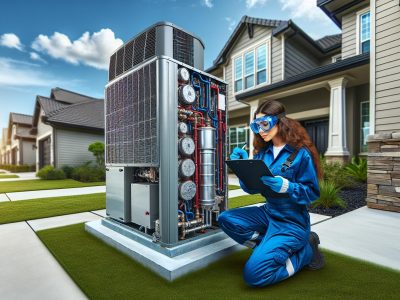
Did you know that nearly 30% of homeowners use some form of alternative cooling because central air isn’t always practical? I’ve seen many households benefit from these options, but choosing the right one can be confusing. Whether you’re looking to save energy, reduce noise, or simply need flexible cooling, there’s a solution that fits your home. Let’s explore the most efficient alternatives and how they might work for you.
Why Consider Alternatives to Central Air Conditioning?
Have you ever wondered if central air conditioning is truly the best option for your home? Many homeowners explore alternatives because they offer better energy savings and lower noise levels. Central systems can be inefficient, especially if your home isn’t well-insulated or if you only need cooling in certain areas. Alternatives like ductless mini-split systems can target specific rooms, reducing energy waste and lowering utility bills. Plus, central units tend to be noisy, which can disturb your comfort. Ductless systems operate quietly, making them a better choice for bedrooms or home offices. Considering these factors, alternatives to central air can improve your home’s comfort, save you money, and create a quieter living environment.
What Are the Main Benefits of Using Ductless Mini-Split Systems?
Ductless mini-split systems offer several key benefits that make them an attractive alternative to central air. One major advantage is their ductless design, which means no need for extensive ductwork—saving space and reducing installation costs. The ductless advantages also include zone control, allowing you to cool specific rooms instead of the entire house, which can improve energy efficiency. Mini split efficiency is another key benefit; these systems use less energy compared to traditional AC units while providing effective cooling. Additionally, they’re quieter and easier to install, making them ideal for retrofits or small spaces. Overall, ductless mini-split systems deliver flexible, energy-efficient cooling tailored to your needs, making them a smart choice for many households seeking an alternative to central air.
Are Window Units a Budget-Friendly Choice for Small Spaces?
For those on a tight budget, window units often seem like an attractive option for cooling small spaces. They’re typically less expensive upfront and easy to install, making them a quick fix for hot days. However, when it comes to energy savings, window units can be less efficient than other options. They often use more electricity for their size, which can lead to higher energy bills over time. Still, if you’re cooling a small room temporarily or want a low-cost solution, they can be practical. Just keep in mind that their efficiency varies, and they may not be the most cost-effective long-term choice. Carefully weighing initial costs against ongoing energy expenses will help determine if a window unit is truly budget-friendly for your needs.
How Do Portable ACs Make Cooling Easy and Flexible?
Portable ACs are incredibly convenient because you can move them anywhere you need cooling, making them perfect for different rooms or spaces. They’re also easy to set up—usually just a simple plug-in and venting process—so you won’t need professional help. Plus, their adjustable settings let you customize the temperature and airflow to stay comfortable effortlessly.
Easy Mobility and Placement
Ever wonder how portable air conditioners offer such unmatched flexibility? It all comes down to portable mobility and placement flexibility. Unlike fixed systems, portable ACs can be moved easily from room to room, making it simple to target specific areas without hassle. Their lightweight design and casters allow you to reposition them without much effort, adapting to your changing needs. You don’t need to worry about complicated installations or permanent hookups—just plug in, cool down, and shift as desired. This flexibility is perfect for homes with multiple living spaces or for those who want cooling options that can follow them around. With portable ACs, you control where and when to stay cool, providing a convenient, adaptable cooling solution.
Simple Installation Process
Setting up a portable air conditioner is straightforward, making it a hassle-free way to cool your space. Most models require only a few simple steps: rolling the unit into place, connecting the exhaust hose, and plugging it in. Unlike central systems, there’s no need for complex installation or ductwork. Portable ACs also help improve indoor air quality by filtering dust and allergens as they operate. Additionally, modern units are designed with low noise levels, so you can enjoy quiet comfort without disruption. This ease of installation means you can quickly move the unit between rooms or store it when not in use. Overall, a portable AC offers a flexible, user-friendly solution that prioritizes convenient setup and a comfortable, healthy indoor environment.
Adjustable Cooling Settings
Because comfort preferences vary, adjustable cooling settings let you easily customize your indoor climate. Portable ACs often come with smart thermostats, allowing precise control over temperature and fan speeds. This means you can set different temperatures for various rooms, supporting zoning strategies that improve efficiency and comfort. With smart thermostats, you can control your cooling remotely via smartphone, making adjustments even when you’re not home. This flexibility guarantees you don’t waste energy cooling unoccupied spaces. Additionally, zoning strategies help target specific areas, reducing overall energy consumption while maintaining comfort. Overall, adjustable settings make portable ACs a versatile solution, giving you the power to tailor your cooling experience to your exact preferences with ease.
Which Cooling Options Are the Most Energy Efficient?
When it comes to choosing energy-efficient cooling options, several systems stand out for their ability to keep your home comfortable while minimizing energy consumption. Ductless mini-split systems are highly efficient because they avoid the energy losses common in traditional ducted systems. Evaporative coolers also use less energy by relying on water evaporation, making them ideal for dry climates. Additionally, investing in insulation upgrades can markedly reduce overall energy consumption by keeping cool air in and hot air out, lessening the load on your cooling system. While central air may be common, these alternatives often provide better efficiency, especially when combined with proper home insulation. Choosing the right system depends on your climate, home size, and comfort preferences, but energy efficiency should always be a top priority.
What Factors Should You Think About When Choosing a Cooling System?
When selecting a cooling system, I consider how energy-efficient it is to save on long-term costs and reduce my environmental impact. I also look at installation requirements and ongoing maintenance needs to guarantee I choose a system that fits my home’s setup and my lifestyle. Keeping these factors in mind helps me find an option that’s both effective and practical.
Energy Efficiency Considerations
Choosing an energy-efficient cooling system requires careful consideration of several key factors. One important aspect is how the system impacts indoor air quality; a good system filters pollutants and maintains healthy airflow. Additionally, smart thermostat integration can markedly boost efficiency by allowing you to control temperature settings remotely and optimize energy use based on your schedule. Look for units with high Seasonal Energy Efficiency Ratio (SEER) ratings, which indicate better performance and lower energy bills. Also, consider the system’s size and how well it matches your home’s cooling needs—an oversized or undersized unit can waste energy. By paying attention to indoor air quality features and smart technology compatibility, you’ll make a smarter choice that saves money and improves comfort.
Installation and Maintenance
Have you thought about how installation and ongoing maintenance can influence your cooling system’s performance and lifespan? Proper installation guarantees your system runs efficiently and avoids costly repairs later. For example, a smart thermostat can optimize cooling by learning your schedule, reducing energy waste. Zoning strategies also improve comfort and efficiency by directing cooled air only where needed, which can lower your energy bills. Regular maintenance—like cleaning filters, checking refrigerant levels, and inspecting ducts—keeps your system operating smoothly and extends its life. When choosing a cooling system, consider how easy it is to maintain and whether it supports smart controls and zoning features. Investing in proper installation and routine upkeep not only maximizes performance but also ensures your home stays comfortably cool for years to come.
Easy Tips for Installing Ductless and Window Units
Installing ductless and window units is straightforward if you follow a few simple steps. First, choose a location with good airflow and easy access to a power outlet. For ductless units, verify the wall can support the weight, and measure space for proper installation. For window units, verify the window frame is secure and can accommodate the unit’s size. During installation, consider indoor air quality by sealing leaks around the unit to prevent drafts and dust entry. Many modern units offer smart thermostat integration, making it easy to control temperature remotely. Follow the manufacturer’s instructions carefully, and use proper tools to ensure a snug fit. Proper installation not only improves efficiency but also helps maintain a healthier indoor environment.
How to Maintain and Troubleshoot Your Portable and Fixed ACs
Keeping your portable or fixed AC in top shape is easier if you regularly clean the filters and check for leaks. If you notice strange noises, it’s often a sign that something’s off, and troubleshooting can save you a lot of trouble later. Let’s go over some simple steps to keep your unit running smoothly and catch issues early.
Regular Filter Cleaning
Regular filter cleaning is essential to guarantee your portable or fixed air conditioner runs efficiently and effectively. The key to good filter maintenance is regularly checking and cleaning the air filter. A clean filter ensures proper airflow, helping the unit cool your space faster and use less energy. Over time, dust, dirt, and debris clog the filter, reducing performance and possibly causing the system to overheat or break down. To clean, turn off the unit, remove the filter, and gently wash it with water or vacuum off dust. Make sure the filter is completely dry before reinstalling. Regular filter maintenance not only prolongs your AC’s lifespan but also keeps your indoor air fresh and healthy. Remember, a clean air filter is the foundation of an efficient cooling system.
Checking for Leaks
After cleaning your filters, it’s a good idea to check for leaks, as even small drips can reduce your AC’s efficiency and cause damage over time. Leak detection involves inspecting all connections, hoses, and seals for visible signs of moisture or drips. If you notice any leaks, sealant application can often fix the problem. Use a suitable sealant designed for your AC’s materials, applying it carefully around joints and connections. Make sure the area is dry before sealing, and allow the sealant to cure as directed. Regularly checking for leaks not only improves your unit’s performance but also prevents costly repairs down the line. Proper leak detection and sealant application are simple yet essential steps to maintain your portable or fixed AC’s efficiency.
Troubleshooting Unusual Noises
Unusual noises from your AC can be a sign that something’s wrong, so it’s important to pay attention and troubleshoot promptly. A noisy compressor often indicates a problem with the motor or internal components, which may need professional inspection. Rattling vents, on the other hand, usually result from loose panels, debris, or worn-out fan blades. First, turn off your unit and check for loose screws or parts that might be causing the racket. Clear any debris or obstructions from the vents. If the noise persists, especially with a noisy compressor, it’s best to call a technician to diagnose and fix the issue safely. Addressing these sounds early can prevent further damage and keep your AC running efficiently.
What’s the Cost Breakdown for Different Cooling Options?
When comparing cooling options, understanding the cost breakdown can help you make an informed decision. A thorough expense analysis reveals that central air systems typically have high upfront costs but lower ongoing energy expenses. Ductless mini-splits usually cost less initially and are more energy-efficient in smaller spaces, though installation can add to the expense. Window units are the most affordable to purchase but tend to have higher energy costs and shorter lifespans. Portable air conditioners fall somewhere in the middle for both price and efficiency. By doing a detailed cost comparison, you’ll see that upfront price, installation, and operating costs all factor into your overall expense. This clarity helps you choose a cooling option that fits your budget and comfort needs.
Extra Tips to Maximize Home Comfort During Hot Days
Ever wonder how to keep your home cooler and more comfortable during scorching hot days? Managing indoor humidity is key—using dehumidifiers or ensuring good ventilation can make a big difference. When humidity drops, your space feels cooler and more comfortable. Also, consider noise levels; some cooling options are quieter than others, which can help create a peaceful environment. If you’re using portable fans or window units, choose models with noise reduction features. Keeping blinds or curtains closed during the hottest parts of the day blocks out heat and reduces indoor temperature. Proper insulation also helps maintain coolness longer. These simple steps can substantially boost your comfort without extra energy costs, making those hot days more bearable and enjoyable.
Choosing the Best Cooling System for Your Home and Budget
Choosing the right cooling system depends on your home’s size, your budget, and your comfort preferences. If you want precise control and energy savings, smart thermostats are a great option—they learn your schedule and optimize cooling accordingly. Zoning systems also help by dividing your home into different areas, allowing you to cool only the rooms you’re using, which saves energy and reduces costs. For smaller homes, a ductless mini-split system might be ideal because it’s efficient and easy to install. Larger homes may benefit from centralized solutions combined with zoning. Always consider upfront costs versus long-term savings, and think about ease of use and maintenance. Matching your needs with the right system guarantees comfort without overspending.
Lets Wrap It All Up
Think of choosing your cooling system like tending a garden—you need the right tools for each plant’s needs. Whether it’s a ductless mini-split, window unit, or portable AC, each option helps your home flourish during the heat. By selecting the best fit, you’re cultivating comfort and energy efficiency all season long. So, pick your tools wisely, and enjoy a cool, cozy home—your personal oasis in the summer’s heat.
Published: March 2, 2026 at 6:23 pm by Ellie B, Site owner & Publisher
To provide the best experiences, we use technologies like cookies to store and/or access device information. Consenting to these technologies will allow us to process data such as browsing behaviour or unique IDs on this site. Not consenting or withdrawing consent, may adversely affect certain features and functions.
Functional
Always active
The technical storage or access is strictly necessary for the legitimate purpose of enabling the use of a specific service explicitly requested by the subscriber or user, or for the sole purpose of carrying out the transmission of a communication over an electronic communications network.
Preferences
The technical storage or access is necessary for the legitimate purpose of storing preferences that are not requested by the subscriber or user.
Statistics
The technical storage or access that is used exclusively for statistical purposes.The technical storage or access that is used exclusively for anonymous statistical purposes. Without a subpoena, voluntary compliance on the part of your Internet Service Provider, or additional records from a third party, information stored or retrieved for this purpose alone cannot usually be used to identify you.
Marketing
The technical storage or access is required to create user profiles to send advertising, or to track the user on a website or across several websites for similar marketing purposes.