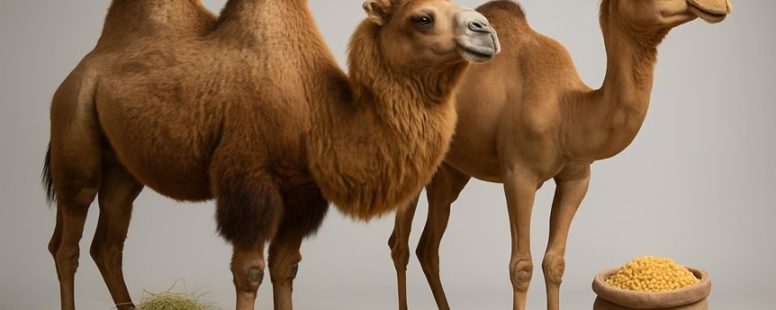
Imagine standing in a desert, feeling the scorching sun and dry winds, and wondering how these resilient creatures survive where others cannot. The secret lies in their diets, which shape their ability to digest tough vegetation, stay hydrated, and thrive in extreme climates.
Bactrian and dromedary camels may look alike, but their dietary differences are the hidden keys to their unique adaptations. These distinctions not only influence their health but also unlock surprising benefits, like the dromedary’s remarkable efficiency in conserving water.
Understanding these culinary nuances is like decoding nature’s blueprint for survival in the harshest environments.
How Do Bactrian and Dromedary Camels Differ in Their Diets?
Camels eat differently depending on their type and where they live. The main difference is what they eat to survive in their environments.
Dromedary camels, which have a single hump, live in hot deserts. They mostly eat plants that can resist drought, like dry grasses and thorny bushes. These plants don’t need much water to grow, so dromedaries don’t need much water either. Their diets help them stay hydrated in the dry desert heat. For example, they can eat tough, dry plants that other animals cannot digest easily.
Bactrian camels, which have two humps, live in colder and more varied areas like Central Asia. They eat a wider range of plants, such as shrubs, grasses, and even some salt plants. Because their environment is colder and less dry, they can eat more types of vegetation. Their diet gives them the nutrients they need to survive in tough, changing weather.
These different diets also change how much water each camel drinks. Dromedaries, eating drought-resistant plants, can go longer without water. Bactrians, eating more types of plants, might need to drink more water during their travels. Both camels have found ways to use their diets to save water and stay alive in tough environments.
Some people think dromedaries are better suited for desert life because they eat plants that help them save water. Others say Bactrians are more adaptable because they eat a variety of plants. However, both types have their limits and must find the right food for their environment.
Understanding what camels eat shows us how they are built for their homes. Whether they live in hot deserts or cold mountains, their diets help them survive tough conditions.
What Do Dromedary Camels Eat in Desert Environments?
Dromedary camels eat tough desert plants that other animals might avoid. They mainly feed on dry grasses and thorny bushes. These plants are hard to chew and sometimes even dangerous for other animals, but camels have strong lips and teeth that help them eat them safely.
Camels are good at finding food in sandy dunes and sparse areas. They use their long legs and flexible mouths to reach plants that are hard for other animals to get. Sometimes, they even eat salty or bitter plants to stay alive in the desert.
Some people think camels should only eat fresh green plants, but in reality, they can survive on dry, thorny plants for long periods. Others warn that eating too many salty plants can upset their stomachs or cause dehydration. So, while they are great at surviving in the desert, they still need a balanced diet.
Knowing what camels eat helps us understand why they are so well suited for desert life. They can go days without water because their food gives them some moisture. This makes them special animals that can handle some of the toughest environments on Earth.
Dietary Adaptations for Arid Climates
Dromedary camels are well-suited to live in desert areas because they can eat plants that other animals avoid. Their special digestive system helps them get nutrients from thorny, salty, and tough plants that have very little water. This ability is very important because desert plants often don’t have much moisture or are hard to chew.
Camel milk is another key part of their diet. It provides important nutrients and helps keep them hydrated, even when water is hard to find. Camels can survive long periods without drinking water because their bodies are made to store and use water efficiently.
Some people think camels are the only animals that can eat desert plants, but others believe they might struggle if food sources become very scarce or if plants are too salty or thorny. While camels are good at eating tough plants, they still need a balanced diet and enough water to stay healthy.
Preferred Desert Vegetation Types
Dromedary camels prefer to eat desert grasses and tough shrubs. These plants are often sparse and have tough leaves. They are well-suited for dry places and give the camels important nutrients like moisture and energy. Camels can eat thorny or salty plants that other animals avoid because they have tough mouths. Sometimes, they also eat desert herbs and leaves, which help produce nutritious camel milk.
Even though camels can survive on very little food, they like to eat the more tasty and nutrient-rich desert grasses. These grasses are very important because they give camels the energy to travel long distances across dry areas. Some people say that camels are like mobile supermarkets — they can find food where other animals cannot.
However, it’s worth knowing that their diet has limits. Eating too many salty or thorny plants can hurt their mouths or cause health problems. So, while they can handle some rough plants, they do better when they have access to healthier, more nutritious grasses.
In some deserts, the best plants for camels are the ones that grow after rare rains, giving them fresh food when other plants are gone. But in very dry places, camels might have to survive on tough, less tasty plants for a long time. That’s why their ability to eat a variety of desert plants is a key reason they can survive in harsh environments.
Foraging Strategies in Dunes
Dromedary camels are animals that can survive in very tough desert conditions. They have special ways of finding food where other animals might struggle. Camels often follow old migration paths that lead them to small patches of plants. These routes also help them find water sources, which are very important for their survival.
Camels are good at eating tough, dry plants that many other animals cannot digest. They can even eat thorny bushes without getting hurt. Their sharp lips help them pick out the edible parts of plants. This ability helps them get enough food in the desert, even when food is scarce.
They also have a good eye for spotting plants from far away. Camels look for signs of green or moist plants that can give them energy. By doing this, they make sure they use their energy wisely during long trips across the hot sands.
Some people say that camels are very clever foragers because they can find food many animals can’t. But others warn that even camels need water and food, and they can’t survive forever without them. So, while they are really good at finding what they need, they still rely on water sources and the right plants to stay healthy.
How Do Bactrian Camels Adapt Their Diets to Cold Deserts?
Bactrian camels are well-suited to cold deserts because of how they eat. Their diet mainly includes tough plants like shrubs and grasses. These plants are often drought-resistant, so they can survive even when there is little water or food. The camels can digest these plants better than many other animals, helping them survive in hard conditions.
Their thick wool also helps them stay warm, so they don’t need to eat as often to keep their body heat up. They can go many days without drinking water because they have special ways of saving it. This is very helpful in cold deserts where water can be hard to find.
Some people wonder if camels can eat anything to survive. While they do eat tough plants, they still prefer certain types of foods. Other animals, like goats or sheep, might eat different plants or need more water. Camels are special because they can change what they eat and how they use it.
However, there are limits. If there is too little food or water for a long time, even camels may struggle. They are good at surviving in cold deserts, but they still need some basic resources to stay healthy.
In short, Bactrian camels are experts at eating what they need to live in cold desert areas. Their ability to eat tough plants and save water makes them one of the most resilient animals in these harsh environments.
How Do Camel Digestive Systems Support Their Dietary Needs?
Camel digestive systems are specially built to handle tough, fibrous plants that most animals can’t digest easily. Their multi-chambered stomachs help them get nutrients from dry, gritty plants found in desert areas. This design helps camels stay active and healthy, whether they are racing or growing wool.
Here are the main features of a camel’s stomach:
They have several stomach chambers that ferment plant material, breaking down tough cellulose.
They produce enzymes that help them absorb more nutrients from coarse plants.
They have water-saving systems that recycle moisture during digestion, which is vital in dry desert conditions.
Some people think that camels can eat almost anything because of these features. But, it’s good to remember that their diet still needs to include enough nutrients and water. While their stomachs are amazing at handling dry plants, they can still get sick if they eat too much of poor-quality food.
In short, camels can survive on a diet that would make other animals weak or sick. Their special digestive system helps them stay active and productive in harsh environments.
Why Do Diet Differences Matter for Camel Care and Management?
Knowing the difference in camel diets is very important because it affects their health, how much milk they produce, and how they should be cared for. For example, a camel’s diet can change how much milk they give, which is important for nutrition and money. Dromedary camels, which live in hot, dry places, need less water and can eat tough, dry plants. This helps save water and makes them good for desert areas. Bactrian camels, found in cooler regions, need a more varied diet to keep their energy up. Understanding what each type of camel needs helps prevent problems like dehydration or not getting enough food. Giving camels the right diet keeps them healthy, productive, and able to live well in their homes. That is why knowing these diet differences is key to caring for camels properly and managing them in a sustainable way.
How Can Understanding Camel Diets Promote Sustainable Use?
Understanding what camels eat is key to using their diets in a sustainable way. Camels are well adapted to eat tough plants like thorny bushes and dry grasses. By knowing this, farmers can give camels food that is found locally, instead of importing costly feed. This helps save resources like water and energy, which are needed to grow and transport food. For example, in desert areas like the Middle East, camels can thrive on native plants, reducing the need for imported grains or hay.
Some people believe that changing a camel’s diet too much can hurt its health. It is also possible that not all local plants provide enough nutrients for camels over time. So, it is good to find a balance. Using natural diets makes camels healthier and helps protect the environment by avoiding overgrazing or damaging fragile ecosystems.
Adaptation to Local Forage
Camels are really good at eating local forage, which helps them survive in dry places. This means they can eat tough plants that other animals avoid, like thorny bushes and salty plants. Because they can digest these foods, camels can live on places where little else can grow. This helps keep their milk production steady and supports traditional grazing habits used for many years.
Knowing what plants are available in a specific area helps farmers decide the best times to let camels graze. For example, in desert regions like Arabia or parts of Africa, camels can eat plants that seem useless to other animals. But there are limits. If the forage is too scarce or unhealthy, camels may not do well. So, understanding the local plants and how to manage grazing is very important for keeping camel herds healthy.
Some people believe that relying on local forage is the best way to keep camels sustainable. Others warn that overgrazing on tough plants can damage the environment. So, it’s good to find a balance. Using local plants wisely can support camel populations for many years, but only if grazing is carefully controlled.
In short, camels depend heavily on the plants found in their home areas. Knowing which plants they can eat and how to manage grazing helps keep camels strong and productive while protecting the land they live on.
Reducing Resource Waste
Knowing what plants camels eat is key to using resources wisely. Camels mainly feed on dry grasses, shrubs, and leaves that grow in deserts. When we understand their diet, we can plan better ways to manage grazing. For example, guiding camel migration routes so they find natural food helps prevent overgrazing in one spot. This means less damage to the land and more sustainable use of resources.
Camels are well-suited to dry environments. They can survive on sparse plants and need very little water. This helps save water in areas where it’s hard to find. If we match how we manage grazing with what camels naturally eat, we reduce waste and protect the environment. For instance, avoiding overgrazing means the plants won’t be destroyed quickly, and the land stays healthy longer.
Knowing what camels prefer to eat also helps us avoid giving them unnecessary food. When we feed them only what they need, we waste less and cut down on environmental harm. This is good for the ecosystem and helps keep camel populations healthy.
However, some people worry that relying only on natural plants might limit camel productivity. In some cases, farmers may need to give extra food to keep camels healthy. So, while understanding their diet is helpful, it should be balanced with other needs. Overall, by knowing what camels eat, we can make better choices to use resources wisely and protect the environment.
Enhancing Ecosystem Balance
Camels are animals that eat certain plants naturally. This helps keep their environment in good shape. When camels move around and eat different plants, they stop one area from becoming overgrown. This helps new plants grow and keeps the land healthy. Their travel also helps save water because camels often go to water spots that other animals need too.
Knowing what camels eat can help us protect their habitats better. We can do this by encouraging them to follow migration paths that don’t damage fragile plants. We should also protect water sources that camels and other animals depend on. Sometimes, humans interfere with camel movement and harm the environment. Limiting this interference can keep the balance.
Some people think we should control where camels go to make sure they don’t eat too much or damage the land. Others believe camels should be free to move naturally. Both ideas have good and bad points. For example, if camels are kept in one place, it might protect plants, but it can also hurt their ability to find food and water.
Seeing how camels interact with their environment helps us understand how to keep nature healthy. If we support their natural habits, both camels and their homes can stay strong for many years.
What Are the Best Foods to Feed Camels in Different Climates?
Camels need different foods depending on the climate they live in. The best way to keep them healthy is to feed them what suits their environment.
In hot, dry places like deserts, camels do well on dry grasses and shrubs. These plants help them keep water inside their bodies, which is very important in such hot weather. Camel milk is also a good food choice because it gives them energy and helps them stay hydrated, especially when forage is hard to find. If you see a camel in the Sahara, chances are it’s eating dry plants and drinking little water.
In cooler, more temperate areas, camels like Bactrian camels prefer more lush food. They can eat grains, hay, and other green plants that help them grow thick coats to keep warm. These foods give them more energy and help them stay warm in winter.
No matter where they live, camels are great at saving water. Their diet should support this ability by providing enough moisture without needing to drink too much water. For example, feeding camels dry plants in the desert helps them stay hydrated naturally. But in cooler areas, they need richer foods to support their thicker fur and energy needs.
Some people might wonder if camels can eat the same foods everywhere. The truth is, what works best depends on the climate. Feeding camels the right foods helps them stay healthy and able to survive tough environments. But remember, overfeeding grains in dry areas can cause health problems, so it’s always best to match their diet with their environment.
To provide the best experiences, we use technologies like cookies to store and/or access device information. Consenting to these technologies will allow us to process data such as browsing behaviour or unique IDs on this site. Not consenting or withdrawing consent, may adversely affect certain features and functions.
Functional
Always active
The technical storage or access is strictly necessary for the legitimate purpose of enabling the use of a specific service explicitly requested by the subscriber or user, or for the sole purpose of carrying out the transmission of a communication over an electronic communications network.
Preferences
The technical storage or access is necessary for the legitimate purpose of storing preferences that are not requested by the subscriber or user.
Statistics
The technical storage or access that is used exclusively for statistical purposes.The technical storage or access that is used exclusively for anonymous statistical purposes. Without a subpoena, voluntary compliance on the part of your Internet Service Provider, or additional records from a third party, information stored or retrieved for this purpose alone cannot usually be used to identify you.
Marketing
The technical storage or access is required to create user profiles to send advertising, or to track the user on a website or across several websites for similar marketing purposes.