Understanding the Origins of Christianity and Islam
When exploring the rich tapestry of religious and cultural history, few topics captivate more than the development of Christianity and Islam. Both traditions have significantly influenced humanity, shaping civilizations, philosophies, and global affairs. Understanding their historical origins not only enriches your knowledge but also illuminates the shared and distinct elements that define these two monumental religions. In this text, we investigate into their respective beginnings and examine their comparative historical timelines.
The Historical Emergence of Christianity
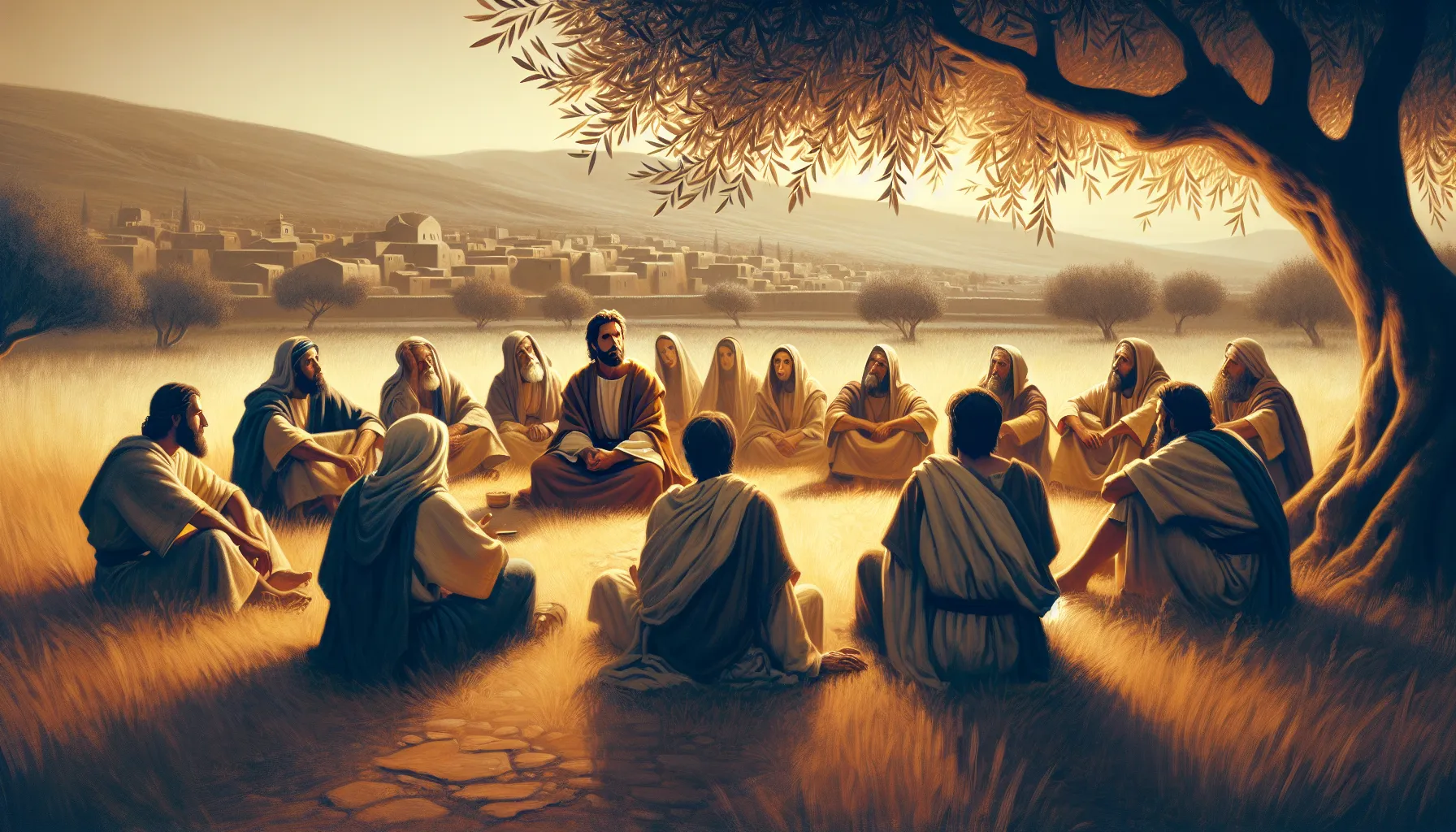
Key Figures and Events in Early Christianity
Christianity emerged in the 1st century CE, primarily centered around the life, teachings, death, and resurrection of Jesus Christ. Scholars believe Jesus was born in the Roman province of Judea during the reign of Emperor Augustus. His followers, initially a small group, began spreading his teachings, shaping the theological foundations of Christianity. Key events include the Council of Jerusalem and the Great Schism, which further defined Christian doctrine.
Spread and Establishment of Christianity
The spread of Christianity accelerated after the Edict of Milan in 313 CE, which granted religious tolerance within the Roman Empire. The faith further expanded across Europe due to missions led by individuals such as Paul the Apostle and later institutional support from the Roman state. Over centuries, Christianity evolved into a global religion with diverse traditions.
Historical Context of Islam’s Formation
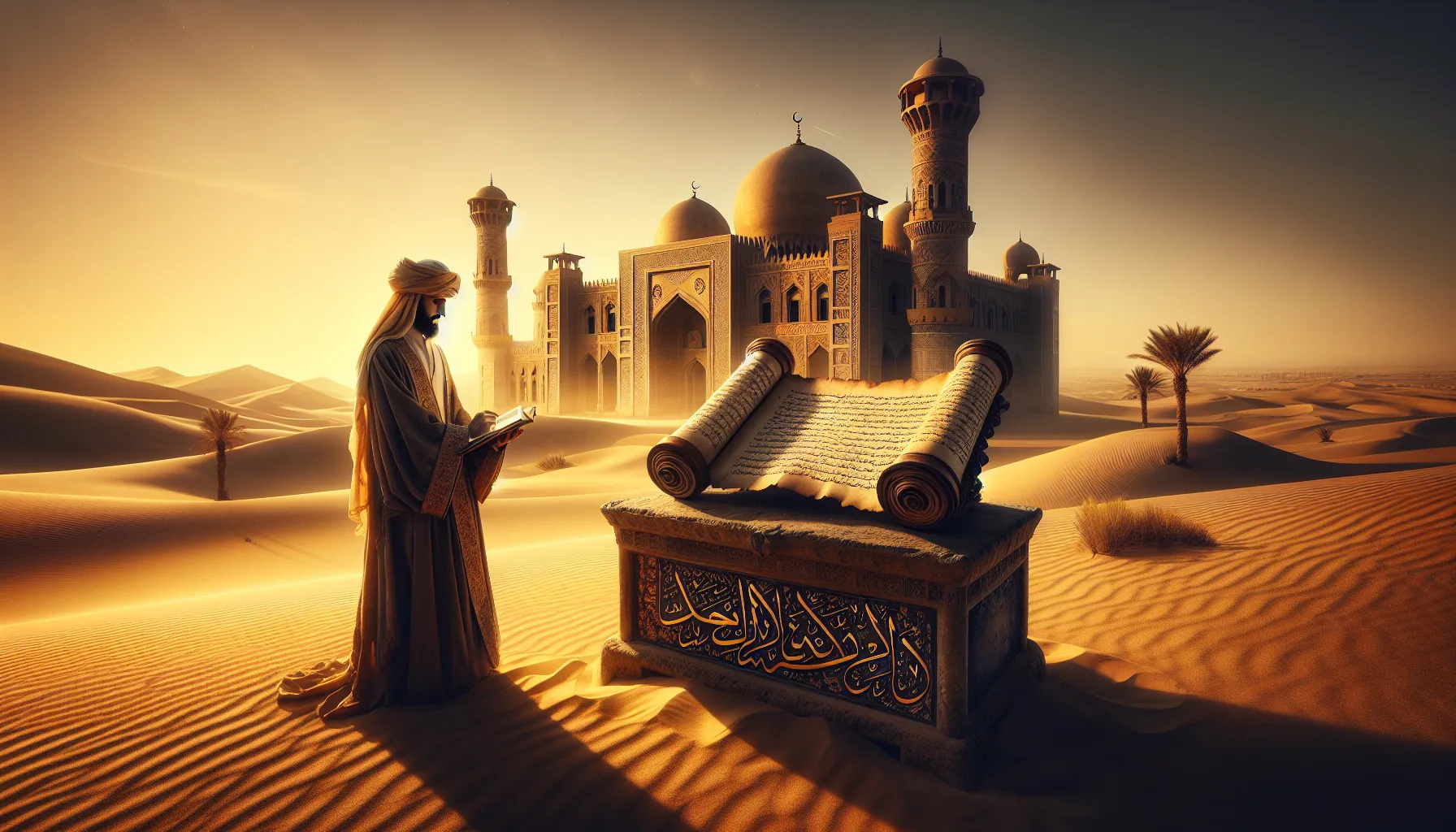
Key Figures in the Development of Islam
Islam arose in the 7th century CE in the Arabian Peninsula, founded by the Prophet Muhammad. Born in Mecca around 570 CE, Muhammad is regarded as the final prophet in Islam. His divine revelations, compiled into the Quran, form the cornerstone of Islamic belief.
Expansion and Influence of Islam
Following Muhammad’s death in 632 CE, the spread of Islam was characterized by rapid expansion through conquests, trade, and cultural exchange. The Umayyad and Abbasid Caliphates played pivotal roles in establishing Islam as a major world religion, influencing a vast expanse of territories from the Iberian Peninsula to the Indian subcontinent.
Comparison of the Chronological Development of Both Religions

Intersections and Influences between Christianity and Islam
Christianity and Islam, while distinct, bear intertwined threads in their histories due to geographical and cultural proximities. For example, Islam acknowledges earlier Abrahamic prophets, including Jesus, as integral figures. These intersections highlight a shared heritage that offers insights into their theological and historical dialogues.
Legacy of Their Historical Timelines
The historical timelines of Christianity and Islam have shaped countless aspects of world civilization, from art and science to governance and ethical philosophy. Exploring these legacies allows you to appreciate their profound contributions to humanity.

- Olive Oil Alternatives: When Olive Oil Is the Wrong Tool, and What to Use Instead - March 23, 2026
- The Difference Between Bridge and Whist: How to Tell Them Apart Fast for Parents - March 23, 2026
- Best Substitute for Sherry Vinegar - March 23, 2026
by Ellie B, Site Owner / Publisher