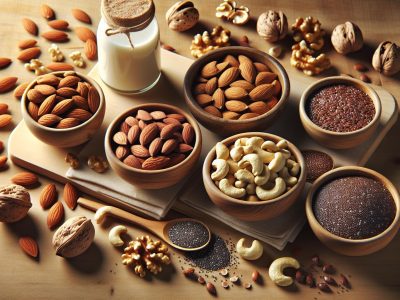
In the ever-expanding world of superfoods, chia and flax seeds have taken center stage, both hailed for their remarkable health benefits. As we navigate these tiny but powerful seeds, it’s hard not to wonder: which one stands out as the more nutritious option? Picture this: a breakfast bowl brimming with yogurt, a sprinkle of nuts, and one of these seeds adding texture and value. But which seed truly elevates our meal? With a closer look at their nutritional profiles, we can uncover their unique qualities and advantages that might surprise us. Let’s dig into the dynamic duo of chia and flax to see how they stack up nutritionally, and how they can best serve our health goals.
Nutritional Profile Comparison
When we compare chia and flax seeds, it’s essential to start with their nutritional profiles.
Caloric Content and Macronutrients
Chia seeds pack about 137 calories per ounce (28 grams), while flax seeds are slightly higher at around 150 calories for the same serving size. About macronutrients, chia seeds offer:
9 grams of fat (mostly healthy omega-3s), 12 grams of carbs (including 11 grams of fiber), and 5 grams of protein.
In contrast, flax seeds contain:
12 grams of fat (also rich in omega-3s), 8 grams of carbohydrates (with 8 grams of fiber), and 5 grams of protein.
Both seeds are low in sugar, making them great additions to a health-conscious diet.
Vitamins and Minerals
Both seeds offer an impressive array of vitamins and minerals. Chia seeds are particularly high in calcium, providing approximately 18% of our daily needs in just one ounce. They also contain magnesium, phosphorus, and potassium. Flax seeds hold their ground here, supplying a significant amount of manganese, copper, and even vitamin B1. While both seeds are nutritious, our focus must shift to the unique benefits each brings to the table.
Essential Fatty Acids
Omega-3 fatty acids are the stars of both chia and flax seeds, but in different forms.
Fiber Content and Digestive Benefits
Chia seeds have an astonishing 11 grams of fiber per ounce, playing a role in digestive health, promoting feelings of fullness, and aiding in regularity. Flax seeds follow closely with 8 grams of fiber, which also supports digestive health. But, it’s worth noting that chia absorbs water and expands, creating a gel-like substance that can help with hydration and satiety. This property might offer us an edge in controlling hunger and cravings.
Antioxidants and Health Benefits
Both chia and flax seeds are rich in antioxidants, which help combat oxidative stress and inflammation in our bodies.
Comparative Studies and Research Findings
Numerous studies have evaluated the health benefits of these seeds. A controlled trial demonstrated that participants incorporating flax seeds into their diets experienced reduced cholesterol levels, showcasing their potential benefits for heart health. Similarly, chia seeds have shown promise in improving blood glucose levels and reducing markers of inflammation, presenting a compelling case for both.
Effect on Heart Health
Heart health is a vital aspect to consider when assessing nutrition. Both seeds offer omega-3s that are essential for cardiovascular health. Research indicates that flax seeds can lower blood pressure and improve cholesterol profiles, while chia seeds have been linked to reducing triglycerides.
Weight Management And Satiety
In our quest for effective weight management, understanding the role of chia and flax seeds in promoting satiety is critical. The high fiber content in both seeds slows digestion, helping us feel full longer. Chia seeds, with their ability to absorb water and expand in our stomachs, can be a powerful ally in curbing overeating. As we incorporate them into smoothies or oatmeal, we might find ourselves satisfied with smaller portions, eventually aiding our weight loss efforts.
How To Incorporate Chia and Flax Seeds into Your Diet
Integrating chia and flax seeds into our daily meals can be both easy and delicious. Here are some practical ways:
Smoothies: Adding a tablespoon of either seed to our morning smoothie provides a nutritious boost.
Oatmeal: Stir in chia or flax into our oatmeal for added texture and nutrition.
Baking: Consider incorporating these seeds into muffins or energy bars.
Salads: Sprinkling some on top of salads can enhance the crunch and nutrient profile.
Mind the preparation: flax seeds need to be ground for optimal nutrient absorption, while chia can be consumed whole.
Conclusion
Deciding which seed is more nutritious, chia or flax, eventually depends on our individual health goals. Chia seeds shine with their incredible fiber content and ability to expand, while flax seeds offer a robust supply of omega-3s and lignans, known for their potential health benefits. We recommend incorporating both into our diets to enjoy the unique benefits that each provides. By doing so, we not only enhance our meals but also invest in our health. So, let’s embrace the nutritional wonders of these tiny seeds and elevate our meals today.
Published: February 18, 2026 at 8:45 pm by Ellie B, Site owner & Publisher
To provide the best experiences, we use technologies like cookies to store and/or access device information. Consenting to these technologies will allow us to process data such as browsing behaviour or unique IDs on this site. Not consenting or withdrawing consent, may adversely affect certain features and functions.
Functional
Always active
The technical storage or access is strictly necessary for the legitimate purpose of enabling the use of a specific service explicitly requested by the subscriber or user, or for the sole purpose of carrying out the transmission of a communication over an electronic communications network.
Preferences
The technical storage or access is necessary for the legitimate purpose of storing preferences that are not requested by the subscriber or user.
Statistics
The technical storage or access that is used exclusively for statistical purposes.The technical storage or access that is used exclusively for anonymous statistical purposes. Without a subpoena, voluntary compliance on the part of your Internet Service Provider, or additional records from a third party, information stored or retrieved for this purpose alone cannot usually be used to identify you.
Marketing
The technical storage or access is required to create user profiles to send advertising, or to track the user on a website or across several websites for similar marketing purposes.