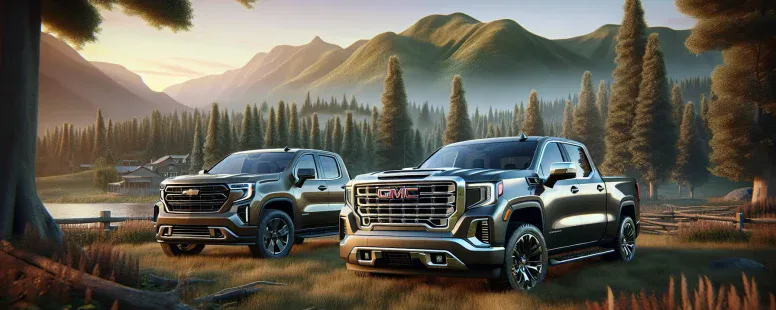
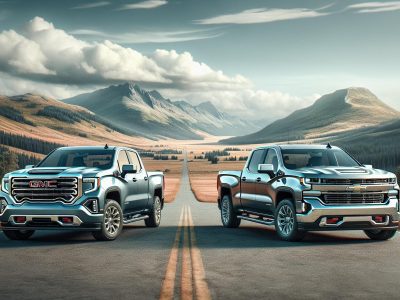
Picture cruising down the open road with the perfect blend of power and style beneath you. Both GMC and Chevy promise rugged reliability but each offers a unique driving experience that can change how you feel behind the wheel. Which one truly stands out performance, comfort, and value?
You might think these brands are just siblings in the automotive world, but subtle differences in design, technology, and capability can make a big impact on your daily drive. Discovering which truck or SUV fits your lifestyle could transform your expectations of what a vehicle can do. Ready to jump into the showdown between GMC and Chevy? Let’s explore what sets them apart and why one might just be your next best ride.
Overview of GMC and Chevy
GMC and Chevy both belong to General Motors but serve different roles in the automotive spectrum. Understanding their histories, reputations, and target audiences reveals how each brand delivers unique value to drivers like you.
History and Brand Reputation
GMC started as the Truck Division of General Motors in 1902, focusing primarily on trucks and commercial vehicles. Chevy, founded in 1911 by Louis Chevrolet and William C. Durant, quickly expanded into a full range of passenger cars and trucks. GMC gained respect for durability and premium features in trucks and SUVs, while Chevy built its reputation on affordability and versatility across various vehicle types.
You’ll notice GMC models often feature upscale interiors and slightly better towing capacities, reflecting their “professional grade” branding. Chevy tends to attract buyers seeking strong performance at a competitive price. For example, the Chevy Silverado remains a top-selling full-size pickup, balancing power and value—whereas the GMC Sierra offers more luxury-oriented trims.
Market Position and Target Audience
GMC positions itself as the premium choice among trucks and SUVs, targeting customers who prioritize comfort, technology, and prestige. It appeals to professionals and enthusiasts who want rugged dependability fused with sophisticated design. Chevy targets a broader audience including families, daily commuters, and budget-conscious buyers who need reliable vehicles for diverse needs.
If you’re considering a work truck with luxury features, GMC might be your pick. But if you want a versatile, cost-effective vehicle with strong performance, Chevy matches those needs efficiently. According to industry data from J.D. Power, GMC owners report higher satisfaction with interior quality, while Chevy commands larger market share—indicating distinct appeal based on preferences.
Knowing these differences helps you weigh your priorities—whether it’s upscale comfort or affordability—that shapes your ideal vehicle choice between GMC and Chevy.
Design and Build Quality Comparison
When you compare GMC and Chevy in design and build quality, it’s clear both brands offer strong craftsmanship but cater to different priorities.
Exterior Styling and Features
GMC’s exteriors projects sophistication with bold lines, signature C-shaped LED lights, and upscale grille patterns. Its Denali trims, for example, boast exclusive chrome accents and larger wheel designs, shining in urban or rugged environments alike. Chevy, meanwhile, uses functional and aggressive styling that appeals to practicality and sportiness. Trucks like the Silverado feature muscular fenders and aerodynamic shapes that enhance performance. Both brands use high-strength steel, yet GMC tends to add more luxury finishes, while Chevy focuses on versatility. Imagining yourself standing next to a GMC Sierra Denali compared to a Chevy Silverado LT underlines how GMC aims for premium presence while Chevy delivers utilitarian toughness.
Interior Comfort and Technology
Inside, GMC elevates comfort using premium materials such as real wood trims and leather-appointed seating on upper trims. Its infotainment systems use larger touchscreens that integrate seamlessly with Apple CarPlay and Android Auto, providing an intuitive user experience. Chevy’s interiors blend simplicity with durability, using materials designed to withstand heavy use without sacrificing style. Vehicles like the Chevy Tahoe offer user-friendly controls and spacious cabins, designed for families and long trips. You find GMC interiors to be quieter and more refined, ideal for executives or those prioritizing luxury. Chevy cabins are highly adaptable, great for workdays and weekend adventures. If upgraded technology matters to you, GMC’s advanced driver assist features often include head-up displays and enhanced surround vision, options less common on comparable Chevy models.
Both GMC and Chevy make vehicles built to last, but which design speaks to your lifestyle depends largely on how you balance luxury and utility in your daily drive.
Performance and Engine Options
Performance defines how well GMC and Chevy trucks respond to your driving needs. Evaluating engine choices, power outputs, fuel efficiency, and towing capacities reveals critical differences that shape driving experience and utility.
Engine Types and Power Output
GMC and Chevy offer various engines whose power fits diverse use cases. GMC tends to favor V8 engines like the 6.2-liter EcoTec3 V8, generating up to 420 horsepower and 460 lb-ft of torque, ideal for heavy-duty tasks and spirited driving. Chevy matches these capabilities with its 5.3-liter and 6.2-liter V8s, delivering between 355 and 420 horsepower depending on the model. Choices expand in Chevy’s lineup with efficient turbocharged four-cylinder options found in pickup and SUV models, providing versatile power without sacrificing fuel economy.
You’ll recognize GMC’s engine lineup often emphasizes muscle and premium performance. Chevy balances power and accessibility, offering engines that appeal to budget-conscious drivers wanting reliable strength. For example, Chevy Silverado’s 2.7-liter turbocharged inline-four offers 310 horsepower, which fits daily commutes and light towing better than a larger engine would.
Fuel Efficiency and Towing Capacity
Fuel efficiency drives ownership costs long-term. GMC trucks generally post slightly lower miles per gallon (MPG) due to their larger engines and luxury features. The 6.2-liter V8 GMC Sierra averages 15-20 MPG, depending on configuration, while similar Chevy Silverado models can reach slightly better efficiency, especially when equipped with fuel-saving tech like cylinder deactivation.
Towing capacity ranks high on utility metrics. GMC’s 2024 Sierra 2500HD hauls up to 18,500 pounds, recommended for serious hauling jobs, roughly matching or surpassing comparable Chevy models. Chevy Silverado 1500 models tow up to 13,300 pounds, suiting most work and recreational needs. Hence, GMC excels in heavy-duty capability, but Chevy meets general towing demands competently.
Ask yourself: Does your daily routine demand max towing power, or does a balance between fuel savings and performance suffice? Real-world users report that GMC’s robust engines provide extra confidence on steep inclines and long hauls, while Chevy owners appreciate straightforward, consistent performance coupled with better fuel economy.
Brand
Engine Example
Horsepower
Torque (lb-ft)
Fuel Efficiency (MPG)
Max Towing Capacity (lbs)
GMC
6.2L EcoTec3 V8
420
460
15-20
Up to 18,500
Chevy
5.3L EcoTec3 V8
355
383
18-23
Up to 13,300
Chevy
2.7L Turbocharged I4
310
348
20-25
N/A
Choosing between GMC or Chevy engines will depends on your priorities: do you valuing raw power and premium build, or do you prefer efficiency and versatility within a more affordable spread? Performance and engine choices reflect the brands’ distinct philosophies, letting you tailor your pickup or SUV to your lifestyle.
Explore test drives, assess towing and fuel data firsthand, and reflect on how each machine fits your varied scenarios. This approach ensures you pick a vehicle not merely on specs, but on how well it drives your daily and extraordinary journeys.
Safety and Reliability
You seek a vehicle that safeguards your peace of mind while standing the test of time. Both GMC and Chevy deliver solid safety and reliability, yet each approaches these priorities in distinct ways.
Safety Features and Ratings
GMC tends to include advanced safety features, like forward collision alert and lane keep assist, as standard or widely available on many models. Chevy also offers these tech conveniences yet often reserves some for higher trims. For example, the GMC Sierra comes equipped with a robust airbag system and driver assistance technologies that earned it top marks in IIHS crash tests, whereas the Chevy Silverado received similar but slightly varied ratings depending on the trim. Insurance Institute for Highway Safety (IIHS) and National Highway Traffic Safety Administration (NHTSA) regularly rate both brands highly, but you might notice GMC emphasizes luxury safety add-ons while Chevy balances safety with affordability. If your priority leans towards cutting-edge safety innovations bundled together, GMC slightly edges out; if you value standard, well-tested protections without premium pricing, Chevy fits well.
Long-Term Reliability and Maintenance
Reliability data from J.D. Power and Consumer Reports reveal comparable long-term durability, showing both GMC and Chevy trucks can exceed 200,000 miles with proper upkeep. But, GMC’s more premium parts and specialized features sometimes increase maintenance complexity and cost. Chevy’s broader market share means parts are often more widely available and less expensive, potentially simplifying repairs. For instance, a GMC Yukon owner might face higher service costs for advanced electronics, whereas a Chevy Tahoe owner benefits from more standardized components. While GMC’s upscale craftsmanship appeals, you might find Chevy provides easier maintenance and repair access, especially if you’re budget-conscious. Choosing depends on whether you’d prioritize cosmetic durability or practical, cost-effective upkeep.
Safety ratings from federal and independent agencies provide objective data, yet you should question, “Does my daily driving scenario necessitate premium safety tech, or will standard features suffice?” Likewise, with reliability, you might wonder whether enhanced features justify potential maintenance costs down the road. Modern vehicles are complex machines, so reflecting on your driving habits, service accessibility, and value on innovation guides smart decisions.
When weighing GMC and Chevy, picture them as two paths to vehicle ownership—one prioritizes premium security and advanced tech, the other balances proven dependability and cost efficiency. Your choice shapes not just your current ride but the experience of ownership years down the line.
Pricing and Value for Money
Pricing and value for money stand as crucial factors when choosing between GMC and Chevy. Understanding their price structures and long-term ownership costs helps you make an well-informed choice that aligns with your budget and expectations.
Price Range Comparison
GMC models generally command higher starting prices than Chevy vehicles, reflecting their premium positioning in the market. For instance, the GMC Sierra 1500 starts around $44,000, while the comparable Chevy Silverado 1500 begins near $40,000. GMC’s upscale trims, such as the Denali line, push prices beyond $60,000, appealing to buyers who prioritize luxury and advanced technology. Chevy covers a broader spectrum, offering entry-level trucks and SUVs with competitive pricing that often appeals to cost-conscious consumers.
Examining specific examples, GMC Terrain’s base price hovers around $31,000, whereas the Chevy Equinox starts near $27,000, emphasizing Chevy’s advantage in affordability. Even though this, GMC provides more standard premium features, which can justify its price point for some buyers. Prices vary widely based on trim and options, making it critical to compare vehicles at similar specification levels rather than just base models.
Resale Value and Ownership Costs
Resale value tends to favor GMC slightly due to its premium brand status and perceived durability. According to Kelley Blue Book, GMC models retain about 5%-10% more value after three years compared to Chevy counterparts in similar segments. This advantage matters if you plan to sell or trade in your vehicle within a few years.
But, ownership costs aren’t solely about price tags and resale figures. Maintenance and repair expenses come into play, where Chevy might have an edge with its broader dealer network and more accessible parts, potentially lowering service fees. GMC’s premium components can elevate maintenance costs, especially for high-end trims.
Fuel costs also impact value for money. Chevy’s more fuel-efficient turbocharged engines often reduce long-term expenses compared to GMC’s larger V8s, though this varies by driving patterns. You may find the extra fuel costs acceptable for GMC’s increased towing power and interior comfort.
While some drivers happily pay extra upfront for GMC’s luxury and capabilities, others appreciate Chevy’s balance between affordability and dependable performance. Assessing your priorities, projected usage, and total cost of ownership offers the clearest path to the better investment.
Factor
GMC
Chevy
Starting Price (Pickup)
$44,000 (Sierra 1500 base)
$40,000 (Silverado 1500 base)
Starting Price (SUV)
$31,000 (Terrain base)
$27,000 (Equinox base)
Resale Value Retention (%)
5%-10% higher
Standard
Maintenance Costs
Higher (premium parts)
Lower (accessible parts)
Fuel Efficiency
Lower MPG (larger engines)
Higher MPG (turbo engines)
You might want to test drive both to see if the price differential matches the value you experience firsthand. It’s no surprise that for some, paying a premium for GMC feels rewarding, while others find Chevy delivers satisfying performance without overstretching the budget. This balance between initial cost, running expenses, and resale value paints a clearer picture of which brand suits your wallet and lifestyle better.
Customer Satisfaction and Reviews
Customer satisfaction reflects real-world experiences of GMC and Chevy owners, revealing strengths both brands carry in everyday use. You find GMC praised consistently for upscale interiors and quiet rides, elevating daily commutes and long hauls. Conversely, Chevy wins favor for practicality and value, attracting buyers valuing cost-efficiency without sacrificing performance.
Surveys by J.D. Power rank GMC slightly higher in overall satisfaction, noting features like premium materials and advanced infotainment systems boost driver contentment. Chevy owners, but, often highlight robust reliability and lower repair costs as major positives. If your priority involves luxury and tech upgrades, GMC leans toward satisfaction; if budget and dependable usage take precedence, Chevy answers well.
Online reviews illuminate specific feedback patterns. GMC Denali trims receives accolades for spaciousness and towing power, with drivers praising its stability on highways and in challenging conditions. Chevy Silverado appeals to those hunting for versatile trucks that handle work and family duties, often cited for straightforward maintenance and fuel economy.
You may notice common complaints, too. GMC owners cite higher maintenance and insurance expenses, which could influence overall ownership happiness. Chevy users sometimes point to less refined cabin materials and fewer standard features on base models, tempering excitement even though affordability.
Customer satisfaction scores averaged across major platforms reveal key differences that influence choice:
Criteria
GMC Satisfaction Highlights
Chevy Satisfaction Highlights
Interior Quality
Premium materials, quiet cabins
Practical but less upscale
Technology Features
Advanced infotainment, driver assist options
Solid basic tech, some features optional
Reliability and Repairs
Strong motors, higher service costs
Durable components, more affordable repairs
Ownership Costs
Higher insurance and fuel costs
Cost-effective maintenance and fuel economy
Overall Owner Happiness
Elevated by comfort and power
Elevated by affordability and versatility
Such insights reflect that your satisfaction depends on what values you prioritize: comfort and prestige with GMC, or value and versatility with Chevy. Fuel economy, towing needs, and cabin experience shape these perceptions, making test drives essential for firsthand evaluation.
Consider forums, dealership reviews, and owner testimonials to deepen understanding beyond scores alone. Comparing warranty coverages can also shed light on post-purchase confidence. Both brands possess loyal followings rooted in trust and tradition, yet your unique priorities refine which resonates strongest.
When making a choice, weigh if you’d exchange higher initial and upkeep costs for sophisticated luxury or prefer a straightforward, budget-friendly package that meets diverse demands. Studying satisfaction trends could inform a decision aligned precisely with your lifestyle and expectations.
Conclusion
Choosing between GMC and Chevy comes down to what matters most to you. If you want a premium feel with advanced tech and stronger towing, GMC might be your go-to. On the other hand, if you’re looking for versatility, affordability, and solid performance, Chevy offers great value.
Both brands deliver reliability and safety, so your decision should reflect your lifestyle and budget. Taking a test drive will help you experience firsthand which vehicle fits your needs better.
Eventually, whether you prioritize luxury or practicality, you’ll find a dependable option in either GMC or Chevy that aligns with your driving expectations.
To provide the best experiences, we use technologies like cookies to store and/or access device information. Consenting to these technologies will allow us to process data such as browsing behaviour or unique IDs on this site. Not consenting or withdrawing consent, may adversely affect certain features and functions.
Functional
Always active
The technical storage or access is strictly necessary for the legitimate purpose of enabling the use of a specific service explicitly requested by the subscriber or user, or for the sole purpose of carrying out the transmission of a communication over an electronic communications network.
Preferences
The technical storage or access is necessary for the legitimate purpose of storing preferences that are not requested by the subscriber or user.
Statistics
The technical storage or access that is used exclusively for statistical purposes.The technical storage or access that is used exclusively for anonymous statistical purposes. Without a subpoena, voluntary compliance on the part of your Internet Service Provider, or additional records from a third party, information stored or retrieved for this purpose alone cannot usually be used to identify you.
Marketing
The technical storage or access is required to create user profiles to send advertising, or to track the user on a website or across several websites for similar marketing purposes.