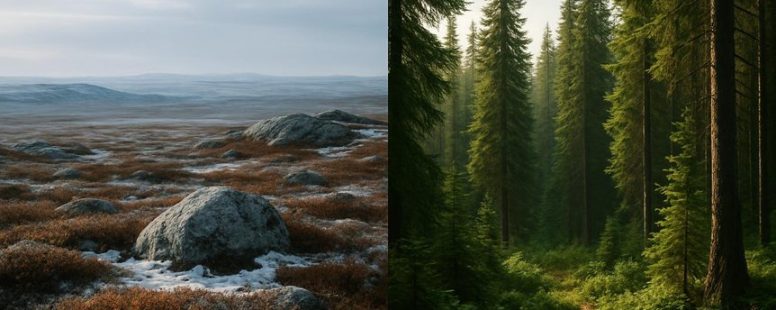
Imagine standing on the edge of two icy worlds, each whispering secrets about survival in the cold. The tundra and taiga may look alike from afar, but beneath their frosty surfaces lie stories of adaptation and resilience. These icy realms are like nature’s test labs, shaping life in ways you might not expect.
Did you know the tundra’s permafrost stores ancient carbon, helping regulate our planet’s climate? Exploring their differences reveals how plants and animals dance around extreme conditions, turning harsh environments into thriving ecosystems.
What Defines Tundra and Taiga Biomes?
The tundra and taiga are two cold biomes that are different in many ways.
The tundra is a cold, treeless area found near the poles and at high mountain elevations. It has very short growing seasons and little plant life. Most plants are mosses, lichens, and small shrubs. The soil in the tundra is often frozen all year long, a condition called permafrost. This makes it hard for many plants and animals to survive. For example, animals like Arctic foxes and polar bears live in the tundra but must adapt to the cold and short summers.
On the other hand, the taiga, also called boreal forest, covers large parts of Canada, Russia, and Scandinavia. It is made up mostly of tall coniferous trees like pines, spruces, and firs. The soil in the taiga is better drained than in the tundra, which allows these big trees to grow. The taiga has longer summers and more plant variety than the tundra. Animals like moose, wolves, and bears can be found here.
Both biomes are cold, but they have key differences. The tundra has less trees, permafrost soil, and shorter growing seasons. The taiga has more trees, better soil, and longer warm periods. These differences shape the plants and animals that live in each place. Understanding these differences helps us see how nature adapts to cold climates.
How Do Vegetation and Plant Life Differ in Tundra and Taiga?
Vegetation in the tundra and taiga is very different. The tundra has much less plant life, while the taiga has many tall trees. The main reason is the climate. Tundra areas are cold and dry, so only hardy, low-growing plants like mosses, lichens, and small shrubs can survive there. These plants stay close to the ground because cold winds and freezing temperatures make it hard for taller plants to grow.
In contrast, the taiga, also called the boreal forest, has mostly coniferous trees such as pine, spruce, and fir. These trees are tall and have needle-like leaves, which help them conserve water in the cold climate. The taiga has more plant life overall because the climate is milder than the tundra, with longer summers and more rain.
Some people might wonder why plants in the tundra are so small. It’s mainly because the cold and short growing season make it tough for bigger plants to grow. On the other hand, the taiga’s longer summer gives trees enough time to grow tall and develop thick needles that protect them from the cold.
However, it’s worth knowing that both biomes face challenges. For example, climate change is warming the tundra, which might allow some shrubs and grasses to move in and change the landscape. In the taiga, increased logging and development threaten the forests. So, while the plant life in these areas is adapted to their environments, they are still vulnerable to human activity and climate shifts.
Vegetation Density Variations
Vegetation density is quite different between the tundra and taiga. The tundra has very few plants. Most plants are small and low to the ground. There are big open spaces between them. This is because of cold temperatures, permafrost, and short growing seasons. Because of these harsh conditions, plants can’t grow close together.
On the other hand, the taiga has more plants packed together. It has forests of coniferous trees like pines, spruces, and firs. These trees grow close and form layers, making the environment look lush. Even though the taiga has more plants than the tundra, it still has fewer plants than tropical rainforests.
Some people might wonder which environment is greener. The taiga is greener and more full of trees, while the tundra looks more open and bare. However, both have their own beauty. The dense forests of the taiga can be compared to a thick green blanket, while the tundra is more like a wide, open field.
It’s good to remember that even with more plants, the taiga’s diversity is still less than in warm places like rainforests. Both ecosystems are special in their own ways, but their plant density shows how tough the environment is for plants to grow.
Dominant Plant Species
The main plants in the tundra and taiga are very different because of their environment. The tundra is cold and has a short growing season. In this cold place, small plants like grasses, lichens, and mosses grow well. Mosses are especially common and cover much of the ground. They help keep the soil warm and hold moisture, which is important in such a cold place.
In contrast, the taiga has longer and warmer growing seasons. The dominant plants here are conifer trees like spruce, fir, and pine. These trees are adapted to survive in better soil and can grow taller than the plants in the tundra. Mosses can also be found in the taiga, but they are fewer in number. Usually, they grow on fallen logs or shaded ground.
Adaptations to Climate
Plants in the tundra and taiga have special features that help them survive cold and tough conditions.
In the tundra, the ground stays frozen most of the year. Because of this, plants like mosses and small shrubs stay close to the surface where the soil warms up briefly in summer. They also grow low to the ground to avoid cold winds and keep in heat. These plants have shallow roots because the permafrost prevents roots from going deep. Imagine trying to grow a tree on ice — it just doesn’t work well.
In the taiga, trees like pines and spruces have narrow, needle-shaped leaves. These needles are coated with wax, which helps them hold water during long, cold winters when water can freeze and become hard to access. Since fires happen more often in the taiga than in the tundra, many trees here are fire-resistant. After a fire, new plants grow quickly because the fire clears the way for them.
Both ecosystems’ plants have changed over time to handle extreme cold, poor soils, and fires. Some plants are very good at surviving fires, while others stay close to the surface to avoid freezing. But, these adaptations can have limits. For example, if climate change causes more intense fires or warmer temperatures, some plants might struggle to survive.
Which Animals Live in Tundra Compared to Taiga?
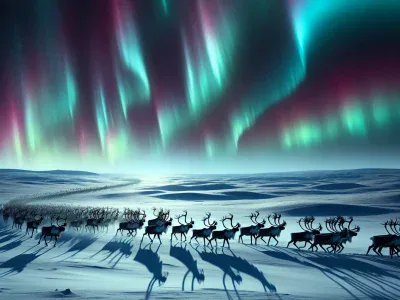
Animals that live in the tundra are very different from those in the taiga. The tundra is a cold, treeless area with freezing temperatures most of the year. Animals here have special fur and behaviors to stay warm. For example, polar bears, Arctic foxes, and caribou are common in the tundra. Polar bears are great swimmers and hunt seals on the ice. Arctic foxes have thick fur that changes color with the seasons, helping them hide from predators. Caribou migrate long distances to find food and avoid the cold.
The taiga is a dense forest with many trees, and it has long, snowy winters too. Animals like moose, wolves, and lynxes live in the taiga. Moose eat leaves, twigs, and sometimes small trees. Wolves hunt in packs and help control the population of other animals. Lynxes are good at climbing trees and catching small animals like hares. These animals have thick fur and fat layers to stay warm during winter.
Both regions have animals that migrate. For example, caribou travel across the tundra to find food, while some birds fly south for the winter. Migration helps animals survive harsh weather and food shortages. But climate change is making it harder for these animals to live. Melting ice in the tundra and changing forest patterns in the taiga threaten their homes. Protecting these animals means understanding their needs and keeping their habitats safe.
How Do Climate and Temperature Vary in Tundra and Taiga?
The climate in tundra and taiga regions is very different, especially when it comes to temperature changes and seasons. The tundra is the colder of the two and has more extreme temperature swings. In the tundra, winter temperatures can drop below minus 30 degrees Fahrenheit, and summers are short and cool. This makes the weather harsh and unpredictable.
In contrast, the taiga, which is also called boreal forest, has cold winters too, but they are a bit milder. Summers in the taiga are longer and warmer, usually staying above freezing for more of the year. Temperatures in the taiga rarely get as cold as in the tundra, often staying around 20 to 30 degrees Fahrenheit in winter.
Why does this happen? The tundra is located farther north, closer to the Arctic Ocean, which causes the cold to be more intense and the seasons to change quickly. The taiga is a little farther south, so it gets more sunlight and warmth during the summer.
Some people think the tundra is like a freezer with no warm days at all, while the taiga is more like a chilly forest with some warmer periods. Both regions are cold, but the tundra experiences more extreme cold and shorter warm seasons. This affects the plants and animals that live there. For example, animals in the tundra like polar bears and arctic foxes are built to survive very cold weather, while in the taiga, animals like wolves and moose are used to milder cold and longer summers.
Temperature Extremes and Range
Temperatures in tundra and taiga regions can change a lot during the year. The tundra gets very cold, with winter temperatures dropping to -40°C. This creates a frozen, icy area where only tough plants and animals can survive. In the taiga, it is warmer, but there are still big temperature swings. Summer can reach 30°C, while winter temperatures can fall below -20°C. Places at higher elevations, like mountains, often see even bigger changes in temperature. These big differences make it hard for plants and animals to survive. They need to adapt quickly to cold winters and sometimes hot summers.
For example, animals like the Arctic fox have thick fur to stay warm in winter, while some plants grow close to the ground to avoid the cold wind. These temperature changes show how tough life is in these areas. They also remind us how important it is to understand climate extremes.
You might notice how winter feels like a constant struggle to survive when temperatures are very low. Summer can bring a short burst of warmth that gives some relief. At higher altitudes, the temperature can change suddenly, making it even harder for animals and plants. Recognizing these differences helps us see why climate adaptation is so important. It helps living things survive in places where the weather can be harsh and unpredictable.
Seasonal Climate Variations
Seasons change a lot in the tundra and taiga, and these changes affect their climates a lot. The tundra has long, cold winters that stay freezing most of the year. Summers are short and cool, causing only a quick thaw. During summer, the permafrost, which is permanently frozen ground, melts a little but stays mostly frozen. This makes the soil wet and muddy for a short time. Because of these big seasonal shifts, plants have a short growing season and animals must adapt quickly.
In contrast, the taiga has more moderate seasonal changes. Winters are cold but not as harsh as in the tundra, and summers can get warm. The taiga gets snow each year, which melts in the summer, revealing forests of pine and spruce trees. The temperature differences between winter and summer are less extreme, but they still matter. These changes help plants grow during warmer months and influence animal behaviors like migration and hibernation.
Some people might think the tundra is just cold all the time, but it actually has a short, cool summer that can feel quite pleasant. However, the cold winter lasts most of the year, making life tough for plants and animals. The taiga is a little milder but still cold enough to keep many plants and animals in special ways. Both biomes show how seasonal changes shape their environments, but the tundra’s extreme cold and permafrost contrast sharply with the taiga’s more temperate, yet still cold, conditions.
What Are the Soil and Permafrost Features of Tundra and Taiga?
Permafrost is a layer of frozen ground that stays frozen all year or most of the year. It affects the soil in both tundra and taiga, but their soils are quite different.
In the tundra, the soil is very thin and often frozen beneath the surface. The permafrost keeps the soil from warming up enough for plants to grow their roots deep into the ground. Because of this, the soil is waterlogged and fragile. When the temperature rises, the permafrost can melt, causing the soil to become unstable and prone to erosion. This makes tundra soils sensitive to climate change. For example, melting permafrost can release trapped greenhouse gases like methane, which adds to global warming.
In the taiga, the soil is usually richer in organic material such as fallen leaves and dead plants. The permafrost in the taiga thaws seasonally, creating an active layer that allows plants to grow roots deeper during the summer. This helps support the dense forests found in the taiga, which are mainly made up of coniferous trees like pine and spruce. However, if the permafrost melts permanently, it can cause the soil to become waterlogged and unstable, harming the trees and other plants. Some scientists warn that climate change could cause more permanent thawing, which might damage these forests.
Some people see the frozen ground as a secret world beneath the surface, holding nutrients and water that plants need. Others think of it as a fragile layer that shapes how the land stays stable. Both views are true, but they also warn us how sensitive these soils are to temperature changes.
How Do Human Activities Impact Tundra and Taiga Ecosystems?
Human activities have a big effect on tundra and taiga ecosystems. These areas are fragile and can be easily damaged. As climate change speeds up and more people come into these regions, the impact gets worse.
One way humans hurt these ecosystems is through farming. When farms grow into tundra and taiga, they disturb the native plants and soil. This can cause soil to wash away and animals to lose their homes. For example, large farms in northern regions can break the natural balance of the land.
Building cities and roads also harms these areas. Construction sites, roads, and places where people get resources cut through forests and tundra. This breaks habitats into smaller pieces and can pollute the land and water. In the tundra, building and mining can hurt the permafrost, which is ground that stays frozen all year. When it melts, it releases greenhouse gases that cause more climate change. In taiga forests, logging and new roads cut down trees and threaten animals like bears and wolves.
Some people see these activities as necessary for survival, but they have to be done carefully. If not, they can cause long-term damage. For example, clear-cutting forests might bring short-term jobs but can ruin the homes of many animals and even lead to more carbon in the air.
Scientists warn that if we keep damaging these ecosystems, it could make climate change worse worldwide. Others say it’s hard to stop all human activities, but we should try to protect these areas as much as we can. For example, some countries have created parks or rules to limit logging and mining in sensitive regions.
Why Are Tundra and Taiga Important for Earth’s Ecology?
Tundra and taiga are important parts of Earth’s ecology because they help keep our planet healthy. The tundra is a cold, treeless area found near the North Pole, and the taiga is a large forest that stretches across northern regions like Canada and Russia. These places are home to many animals and plants that you won’t find anywhere else, such as polar bears in the tundra and wolves in the taiga.
One key reason these biomes are important is because they store large amounts of carbon in their soils and trees. This helps slow down climate change because less carbon gets into the air, which can warm the planet. For example, the forests in the taiga lock away more carbon than many other ecosystems. If these areas disappear, more carbon will be released, speeding up global warming. Some scientists warn that losing the tundra and taiga would make climate change worse for everyone.
Another reason they matter is because they influence weather patterns all over the world. The stability of these cold regions affects rainfall and temperatures elsewhere. If the tundra melts or the forests disappear, it could cause unpredictable weather, droughts, or floods in places far away. Some people think protecting these areas is like keeping the Earth’s thermostat working properly.
These biomes also support unique wildlife. The survival of animals like snow leopards and polar bears depends on these habitats. If these ecosystems are destroyed, many animals could lose their homes and face extinction. Protecting the tundra and taiga is not just about saving animals but also about keeping our planet balanced.
Some critics warn that protecting these areas can be difficult because of economic interests like mining and logging. Others say that climate change itself is the biggest threat to these regions. Both sides agree that acting quickly is important to save these vital ecosystems before it’s too late.
How Can We Protect and Conserve These Cold Biomes?
Protecting and conserving cold biomes like the tundra and taiga is very important. These areas are fragile and can be harmed easily. To keep them safe, we need to do a few key things.
First, reducing climate change is the most important step. Warmer temperatures can change how animals migrate and can even harm plants. Supporting policies that cut down pollution and greenhouse gases helps protect these environments. For example, countries like Canada and Russia have big parts of taiga forests. If they work to cut emissions, these forests can stay healthy longer.
Second, local communities can help by using sustainable practices. People who hunt or herd animals in these places need to be careful so they don’t damage the land. Simple things like following fishing limits or not overgrazing can make a big difference. When communities take care of their land, they also keep their way of life safe.
Third, education is very important. When people understand why these cold biomes matter, they are more likely to help protect them. Schools, parks, and environmental groups can teach people about the importance of these habitats.
Fourth, creating protected areas is a good way to save these places. Governments can set aside land as parks or wildlife reserves. This prevents logging or mining from destroying the habitats. For example, the Yellowstone to Yukon conservation initiative is helping protect some of North America’s cold biomes.
However, there are some challenges. Some argue that strict rules can hurt local jobs or economies. For instance, if a community depends on logging, they may resist creating a protected area. It’s a tough balance between conserving nature and supporting people who live nearby.
Published: March 8, 2026 at 7:28 pm by Ellie B, Site owner & Publisher
To provide the best experiences, we use technologies like cookies to store and/or access device information. Consenting to these technologies will allow us to process data such as browsing behaviour or unique IDs on this site. Not consenting or withdrawing consent, may adversely affect certain features and functions.
Functional
Always active
The technical storage or access is strictly necessary for the legitimate purpose of enabling the use of a specific service explicitly requested by the subscriber or user, or for the sole purpose of carrying out the transmission of a communication over an electronic communications network.
Preferences
The technical storage or access is necessary for the legitimate purpose of storing preferences that are not requested by the subscriber or user.
Statistics
The technical storage or access that is used exclusively for statistical purposes.The technical storage or access that is used exclusively for anonymous statistical purposes. Without a subpoena, voluntary compliance on the part of your Internet Service Provider, or additional records from a third party, information stored or retrieved for this purpose alone cannot usually be used to identify you.
Marketing
The technical storage or access is required to create user profiles to send advertising, or to track the user on a website or across several websites for similar marketing purposes.