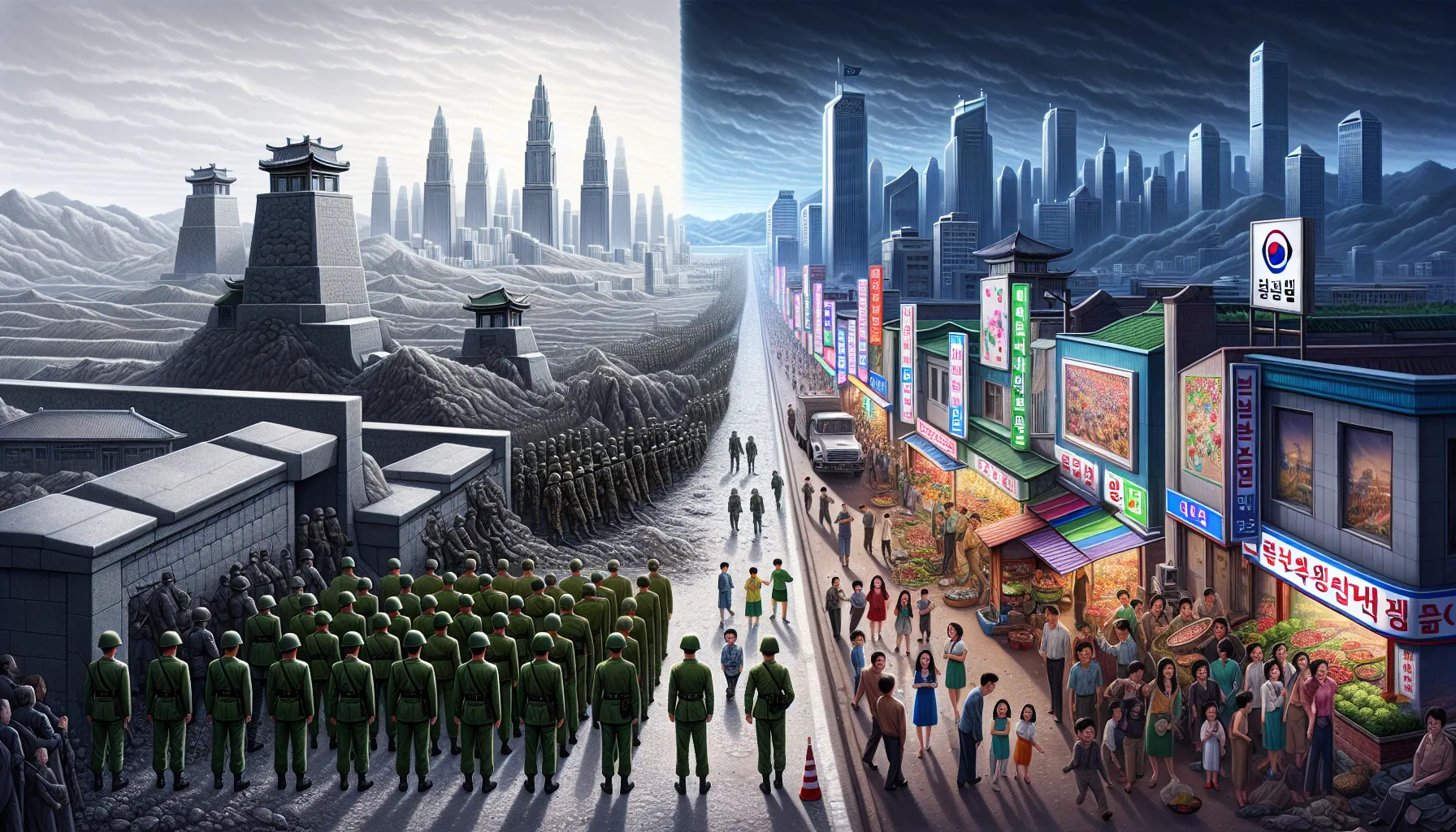
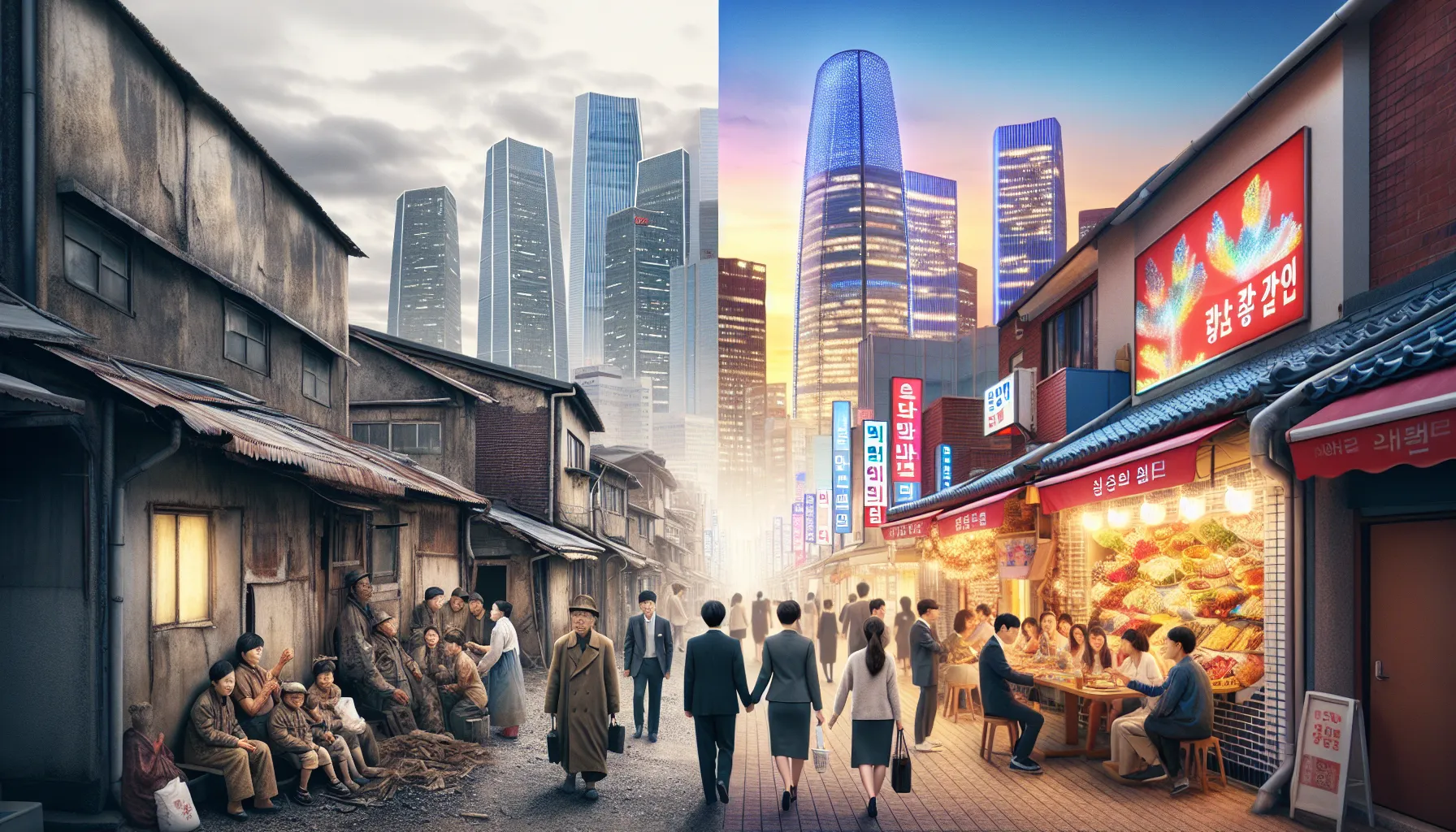
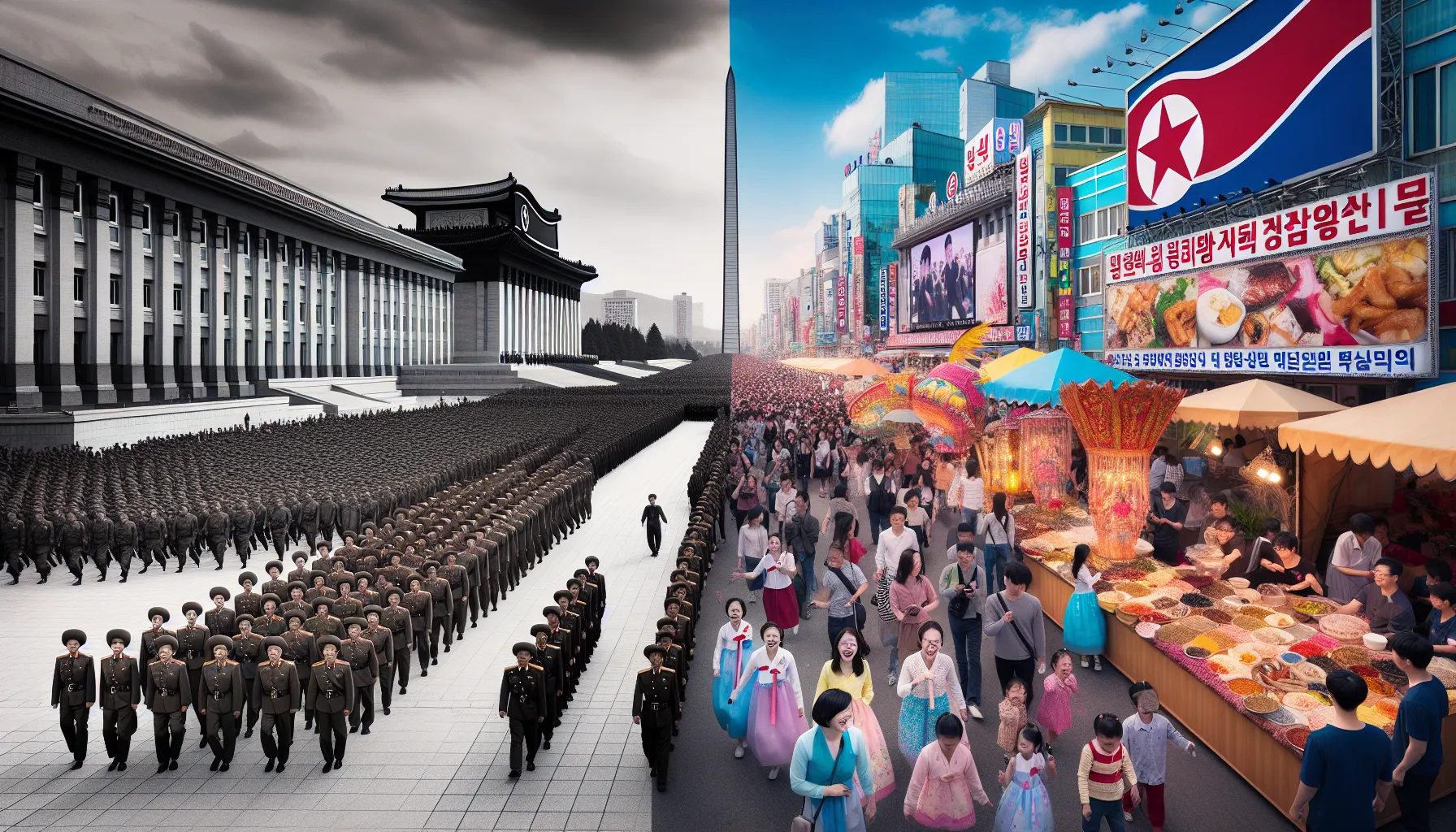
When we think about the Korean Peninsula, our minds often wander to its stark contrasts, one side cloaked in secrecy and repression, the other a shining example of modern democracy and economic prowess. But what truly separates North Korea from South Korea? In our exploration, we won’t just investigate into politics and economies: we’ll also uncover how culture, daily life, and global perceptions shape these two nations. Join us as we peel back the layers of history and ideology to answer the pressing question: which nation is worse?
Historical Context of North And South Korea
To understand the differences between North and South Korea, we must first consider their shared history. The Korean War (1950-1953) was a defining moment, one that entrenched the divide between these two nations. After Japan’s defeat in World War II, Korea was split along the 38th parallel, leading to the establishment of a communist North Korea and a capitalist South Korea.
The Korean War and Its Aftermath
The Korean War was brutal, resulting in millions of deaths and a legacy of tension that continues to this day. While South Korea rebuilt itself into an economic powerhouse, North Korea remained isolated, steering towards an authoritarian regime. The scars of war still dictate the relationship between the two, punctuated by constant military exercises and threats that keep us all on edge.
Economic Systems: Comparing North And South Korea
When we examine the economic frameworks of both Koreas, the disparities become glaringly apparent. South Korea boasts the 10th largest economy in the world, driven by technology giants like Samsung and LG. Meanwhile, North Korea’s economy is struggling to sustain even basic needs for its citizens.
Social Issues and Human Rights
We cannot ignore the persistent human rights abuses in North Korea. The United Nations reports numerous accounts of oppression, forced labor camps, and a lack of basic freedoms. In South Korea, while issues do exist, such as economic inequality, they are often overshadowed by the robust protections of individual rights offered to its citizens.
Freedom of Speech and Press
North Korea is notorious for its near-total control over information. The government dictates every aspect of media, stifling any dissent. In stark contrast, South Korea enjoys a vibrant press, where journalists can investigate and critique powers without fear of reprisal. This fundamental freedom significantly contributes to the differing landscapes of the two nations.
Military and Security Concerns
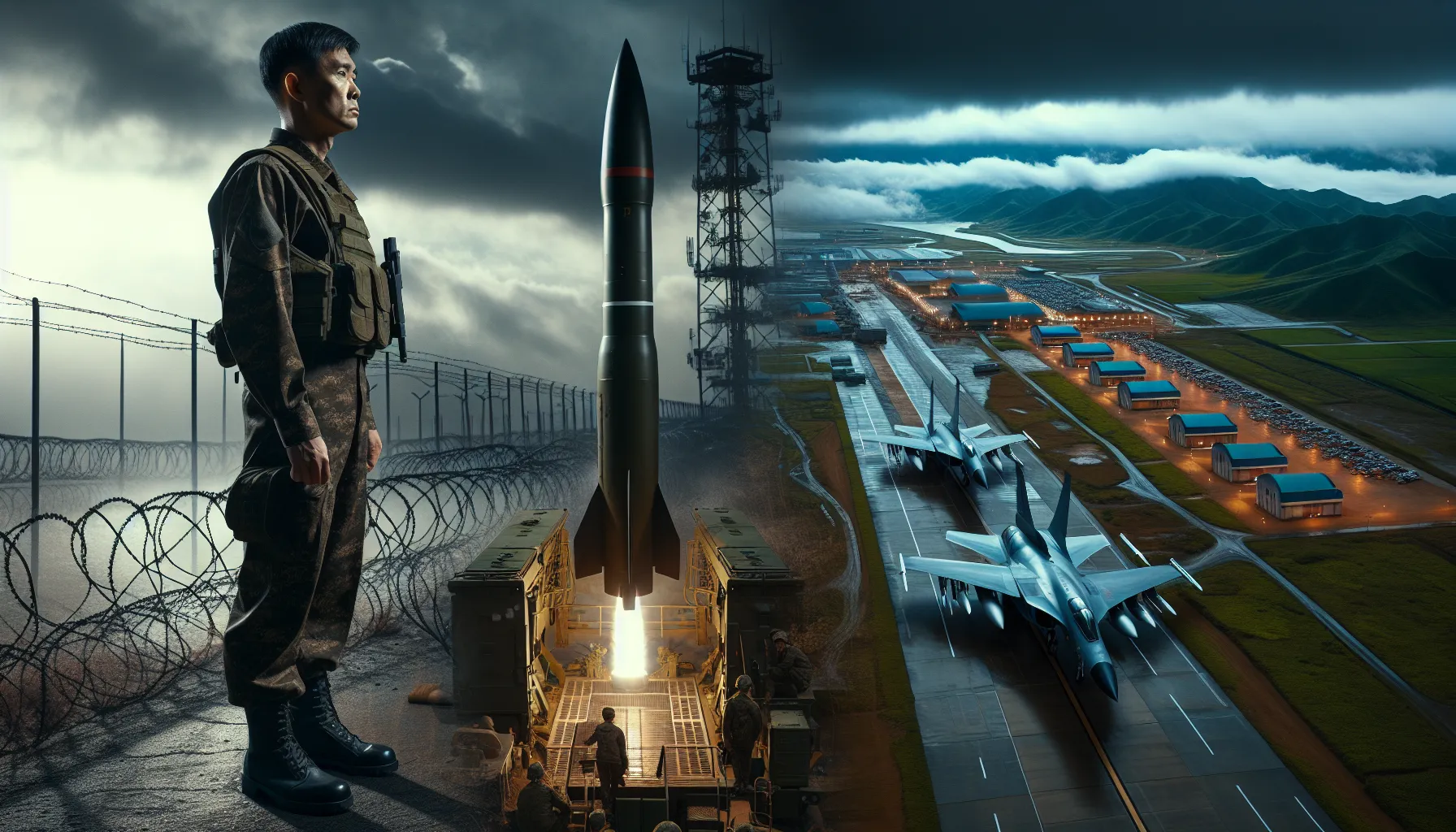
Military readiness shapes the very essence of both Koreas. North Korea’s military is among the largest in the world and possesses nuclear capabilities, creating a constant threat.
Nuclear Proliferation and Its Implications
The fact North Korea pursues nuclear weapons gives rise to global concerns. Its tests are not just military showcases: they threaten regional stability and provoke international sanctions.
Defense Spending and Military Strength
While South Korea invests significantly in its defense, aiming for technological superiority, North Korea allocates a shocking portion of its GDP to its military. The sheer focus on military strength pushes back any hope for economic development in the North.
Quality of Life: Living Conditions
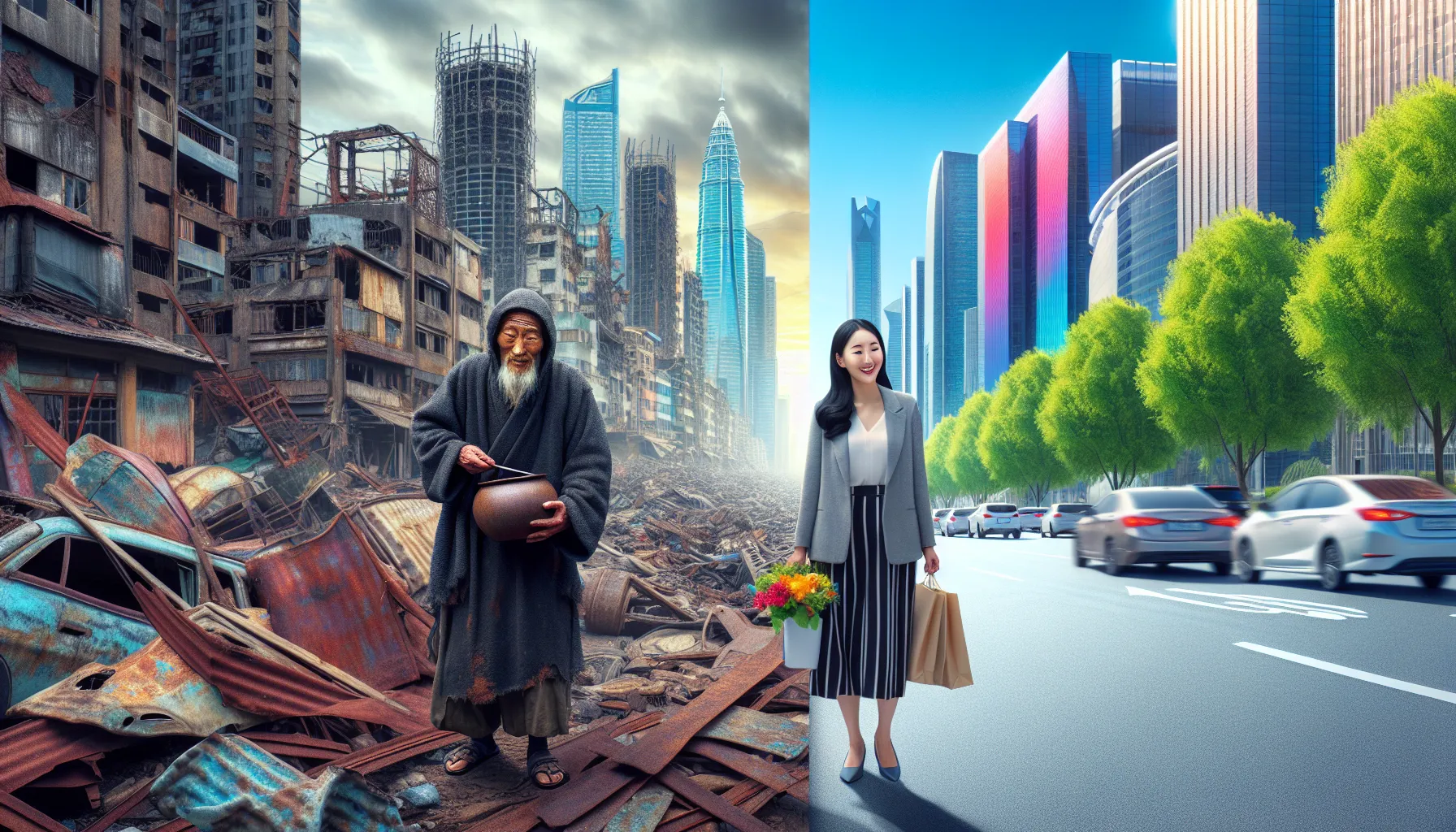
Quality of life can often serve as the litmus test for any society. North Korea, shrouded in secrecy, paints a grim picture when insights about living conditions emerge. Meanwhile, South Korea has made significant strides towards enhancing the wellbeing of its citizens.
Healthcare and Education Systems
South Korea provides universal healthcare, boasting advanced medical facilities and education systems that rank among the best globally. Conversely, North Korea’s healthcare system lacks even from basic infrastructure and resources, leaving many citizens to fend for themselves in times of need.
Access to Basic Necessities and Services
In South Korea, access to food, clean water, and electricity is virtually guaranteed. In contrast, North Koreans frequently face shortages, leading to a lifestyle riddled with hardship. These basic differences in necessities deeply affect citizen satisfaction and security.
Cultural Perspectives and Global Perceptions
Culture forms another crucial aspect where the two nations diverge.
Media Representation Of North And South Korea
The portrayal of North Korea in international media often conjures images of military parades and famine, primarily illuminating the oppressive nature of its regime. South Korea, on the other hand, is often showcased as a land of innovation and cultural richness, from K-pop to culinary delights.
Tourism and Cultural Exchange
South Korea actively promotes tourism and cultural exchange, inviting millions to experience its vibrant landscape. Meanwhile, North Korea’s tourism is tightly controlled, mostly designed to create an idealized image of the state for outsiders, often leaving them with a distorted view of its reality.
Conclusion
In our quest to compare North and South Korea, the answers may not be straightforward. While South Korea shines as a beacon of prosperity, democratic values, and opportunities, North Korea’s oppressive regime, economic struggles, and human rights violations paint a difficult portrait. Through our exploration, we see that it is not merely a question of which is worse: rather, it’s a study of two paths diverged in a powerful historical context, leading us toward very different futures.
Published: February 18, 2026 at 7:13 pm by Ellie B, Site owner & Publisher
To provide the best experiences, we use technologies like cookies to store and/or access device information. Consenting to these technologies will allow us to process data such as browsing behaviour or unique IDs on this site. Not consenting or withdrawing consent, may adversely affect certain features and functions.
Functional
Always active
The technical storage or access is strictly necessary for the legitimate purpose of enabling the use of a specific service explicitly requested by the subscriber or user, or for the sole purpose of carrying out the transmission of a communication over an electronic communications network.
Preferences
The technical storage or access is necessary for the legitimate purpose of storing preferences that are not requested by the subscriber or user.
Statistics
The technical storage or access that is used exclusively for statistical purposes.The technical storage or access that is used exclusively for anonymous statistical purposes. Without a subpoena, voluntary compliance on the part of your Internet Service Provider, or additional records from a third party, information stored or retrieved for this purpose alone cannot usually be used to identify you.
Marketing
The technical storage or access is required to create user profiles to send advertising, or to track the user on a website or across several websites for similar marketing purposes.