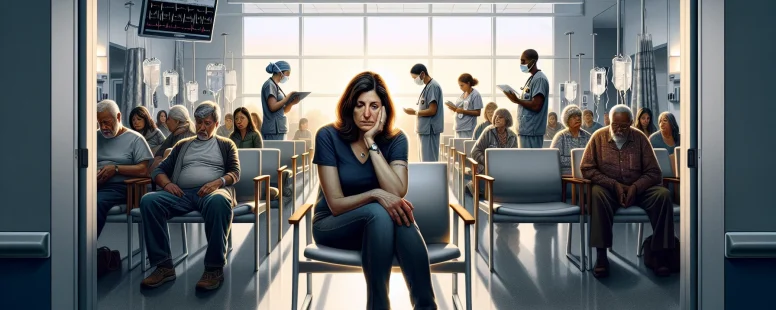
Navigating the intricate world of healthcare can often feel overwhelming, especially when faced with critical conditions that land loved ones in specialized units. Imagine yourself in the waiting room of a hospital, your heart racing, uncertain about the outcome. On one side, the Intensive Care Unit (ICU) holds patients grappling with life-threatening illnesses, while on the other, the Coronary Care Unit (CCU) focuses on serious heart issues. The question arises: which environment imposes a greater emotional and physical toll? We’re here to investigate into this sensitive topic, exploring the nature and implications of care in these units, to help us understand what might feel worse in such dire circumstances.
Understanding ICU and CCU
When we think about critical healthcare environments, it’s essential to comprehend the roles of both the ICU and the CCU. The ICU, or Intensive Care Unit, is designed for patients with severe, life-threatening health issues that require constant monitoring and a high level of medical care. Conversely, the CCU, or Coronary Care Unit, specifically caters to patients with serious heart conditions and complications requiring specialized cardiac care. Many cardiac patients also have underlying metabolic risk factors — understanding whether LDL or triglycerides pose the greater cardiovascular threat is often part of the conversation long before a CCU admission occurs. By recognizing their primary functions, we can begin to understand their inherent stresses and strains.
ICU: Intensive Care Unit
In the ICU, patients often face a range of critical health issues, severe infections, major trauma, respiratory failure, or complications from surgery. For families watching this unfold, knowing whether early warning signs warrant a trip to urgent care or the emergency room can mean the difference between catching a deteriorating condition early or arriving at the ICU in crisis. Here, our loved ones are surrounded by advanced technology, often connected to various machines monitoring vital signs, administering medications, and providing life support. The environment is highly clinical and active, with a team of healthcare professionals available around the clock. We must consider the intense level of uncertainty and emotional strain that families endure as they wait for updates on the condition of their loved ones. The noise of machines, the bustle of doctors and nurses, and the sheer gravity of the situation can create a disorienting atmosphere that compounds the fear and anxiety typical in such high-stakes scenarios.
CCU: Coronary Care Unit
The CCU is dedicated to patients with life-threatening heart conditions, such as heart attacks, severe heart failure, or unstable angina. While it shares some similarities with the ICU, the focus here is specifically on heart-related issues. We see a different set of specialized equipment, such as cardiac monitors, defibrillators, and advanced imaging tools that cater to cardiovascular health. Although the environment is less chaotic than the ICU, the emotional weight remains significant: the stakes are high as families await news about their loved ones’ cardiac health. Understanding this specialized focus helps emphasize the unique challenges and fears faced by families going through this stressful journey.
Key Differences Between ICU and CCU
To better comprehend the implications of care in ICU versus CCU, we can examine the key differences that set these units apart. In doing so, we also reveal the unique challenges patients and families face in each setting.
Patient Conditions Commonly Treated
In the ICU, a wide range of conditions can lead patients to require intensive monitoring and intervention, such as complex surgeries, traumatic injuries, or septic shock. Meanwhile, in the CCU, patients typically face more focused cardiac concerns, such as myocardial infarctions or advanced heart failure. This distinction lays the groundwork for the type of emotional strain experienced by families depending on the situation.
Level of Care and Staffing
ICUs generally feature a larger team of specialized personnel, including critical care physicians, nurses, respiratory therapists, and other specialists working in tandem. They provide multidisciplinary care around the clock. In contrast, CCUs may have a slightly smaller staff, primarily composed of cardiologists and specialized nursing staff focused on cardiac care. Understanding these staffing differences helps us appreciate the varied levels of attention that patients receive.
Technology and Equipment Used
Both units are equipped with advanced technology, but their focus varies. ICUs deploy a broader array of machines for various life-support and monitoring functions, while CCUs emphasize cardiac monitoring equipment. So, witnessing the chest leads and heart monitors can evoke a range of emotions for busy families, shifting the atmosphere of each unit significantly.
Psychological Effects on Patients and Families
Patients and families experience substantial psychological impacts in both the ICU and the CCU. The stress levels can soar as uncertainty about health outcomes clouds their thoughts. Many face feelings of helplessness, fear, and anxiety as they navigate this challenging time. In the ICU, the rapid pace of care can leave families feeling like they’re on a relentless emotional rollercoaster, constantly battling fear of loss. Families supporting those who also live with chronic conditions like ME or MS often carry an additional layer of complexity into these environments, as pre-existing vulnerabilities can complicate both treatment and recovery. Alternatively, while the pace in the CCU may be calmer, the dread associated with cardiac conditions can be equally daunting. We can’t underestimate the importance of mental health support in these scenarios, as it plays a crucial role in helping families cope with these overwhelming emotions.
Evaluating the Experiences in ICU and CCU
Our experiences in ICU and CCU can be starkly different, and these distinctions shape how families perceive each situation. While the ICU may evoke a sense of frantic urgency, the CCU’s atmosphere might emphasize prolonged worry. Family members often report feeling a lack of control in the ICU, as the rapid pace leaves them anxious, waiting for updates. But, in the CCU, the focus on cardiac health shifts the conversation, often allowing for more straightforward explanations about progression and treatment. Evaluating how both experiences affect family dynamics offers valuable insights into managing emotions and fostering communication between patients and healthcare providers.
Conclusion
In summarizing our exploration of ICU and CCU experiences, it’s clear that the emotional burden differs, crafted by the context of care. While the ICU can feel more chaotic and urgent, the CCU’s focus on life-and-death heart conditions brings with it a different set of fears and stresses. Eventually, knowing these distinctions empowers us. It prepares us to navigate family health crises with empathy, support, and understanding, wherever they may unfold.
To provide the best experiences, we use technologies like cookies to store and/or access device information. Consenting to these technologies will allow us to process data such as browsing behaviour or unique IDs on this site. Not consenting or withdrawing consent, may adversely affect certain features and functions.
Functional
Always active
The technical storage or access is strictly necessary for the legitimate purpose of enabling the use of a specific service explicitly requested by the subscriber or user, or for the sole purpose of carrying out the transmission of a communication over an electronic communications network.
Preferences
The technical storage or access is necessary for the legitimate purpose of storing preferences that are not requested by the subscriber or user.
Statistics
The technical storage or access that is used exclusively for statistical purposes.The technical storage or access that is used exclusively for anonymous statistical purposes. Without a subpoena, voluntary compliance on the part of your Internet Service Provider, or additional records from a third party, information stored or retrieved for this purpose alone cannot usually be used to identify you.
Marketing
The technical storage or access is required to create user profiles to send advertising, or to track the user on a website or across several websites for similar marketing purposes.