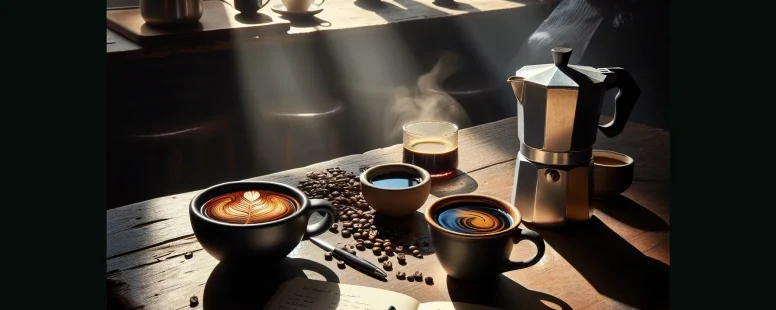
When we sip our morning brew, the debate often stirs: which coffee packs a greater punch, dark or light? While the names themselves suggest a sense of depth and intensity, the reality lies deeper than mere color. Imagine the rich, smoky notes of dark coffee fading into the brighter, more acidic flavors of light coffee. Each cup brings its own unique rhythm to the palate, inviting us to explore the intricacies of strength and flavor. Beyond personal preference, understanding the science behind coffee can enlighten us about the factors that truly determine strength. Let’s navigate this flavorful journey together.
Understanding Coffee Strength
To grasp the concept of coffee strength, we must first consider two primary factors: roast level and caffeine content.
The Role of Roast Level
Roasting transforms green coffee beans into the aromatic delights we know and love. The longer the roast, the more oils are released from the beans, creating the signature dark profile. Dark roasts, such as French or Italian varieties, often have a bold and smoky flavor. In contrast, light roasts retain more of the original bean’s characteristics, offering a brighter and fruitier taste.
Caffeine Content in Dark and Light Roasts
You might be surprised to learn that light roasts typically contain slightly more caffeine than their dark counterparts. This is because during the roasting process, caffeine diminishes, albeit minimally. A standard cup of light roast coffee may invigorate us, while dark roast can provide that rich, comforting experience we crave. So, while dark coffee seems stronger in flavor, light coffee can give us a caffeine boost when we need it most.
Flavor Profiles of Dark and Light Coffee
The perception of strength in coffee isn’t just about caffeine: it’s also tied to flavor profiles.
Perception of Strength in Coffee
When we distinguish between strong and weak coffees, our taste buds play a significant role. Dark roasts tend to feel heavier on the palate, creating an impression of strength. Meanwhile, light roasts often are perceived as weaker due to their brighter and sometimes sharper flavors. But, strength is subjective. What might be overwhelming for one person can be delightful for another.
Cultural Influences on Coffee Preferences
Our cultural backgrounds also shape our coffee preferences. In parts of Europe, a rich, dark espresso may be favored, while in other regions, people might prefer the lighter, more nuanced brews. This variation illustrates how our environment influences our taste and perception of strength.
Brewing Methods and Their Impact
The way we brew our coffee can alter its strength considerably.
Influence of Brewing Time and Temperature
The extraction process during brewing plays a critical role in determining strength. The longer coffee grounds are in contact with water, the more flavor compounds and caffeine are extracted. This means methods like French press or cold brew can yield a stronger brew than a quick drip coffee. Similarly, higher temperatures can extract flavors more vigorously, contributing to a bolder cup.
Grind Size and Its Effect on Extraction
The size of the grind significantly affects extraction. A finer grind increases surface area, leading to quicker extraction, while a coarser grind slows it down. So, if we prefer a stronger taste, a finer grind is essential, especially for methods like espresso. In contrast, a coarser grind works best for methods like French press.
Nutritional Aspects of Dark and Light Coffee
Beyond flavor, coffee also has nutritional benefits that differ between dark and light varieties.
Antioxidants and Health Benefits
Both dark and light roasts are rich in antioxidants, but they vary in types and amounts. Light roasts tend to retain more of the original antioxidants, which may offer unique health benefits. Conversely, dark roasts are often praised for their lower acidity, making them easier on the stomach. Understanding these differences can help us make healthier choices based on our individual needs.
Acidity Levels And Their Impact on Flavor
Acidity in coffee contributes to brightness and flavor complexity. While light roasts generally exhibit higher acidity, dark roasts have a smoother, more balanced flavor. If acidity impacts your enjoyment of coffee, selecting a roast that suits our palate can enhance our experience.
Personal Preferences and Coffee Selection
Choosing between dark and light coffee often comes down to personal taste and preference.
Choosing the Right Coffee for Your Taste
When we consider what coffee to drink, it’s helpful to reflect on our personal preferences. For those who enjoy rich, bold flavors, dark coffee may be the go-to option. In contrast, individuals who favor bright, fruity notes might find themselves gravitating towards light coffee.
Experimenting With Different Roasts
Our coffee journey can be an exciting exploration of flavors. We encourage trying various roasting levels and brewing methods to discover what we truly enjoy. By sampling different beans, we can unlock a world of aromatic experiences that go beyond just strength.
Conclusion
Eventually, the debate of dark versus light coffee boils down to personal taste and perception. While dark coffee may seem stronger due to its bold flavor, light coffee can win in caffeine content. The best choice is the one that brings us joy with each sip. So let’s continue to explore, savor, and discover the endless world of coffee together.
Last Updated: February 18, 2026 at 11:09 am by Ellie B, Site owner & Publisher
To provide the best experiences, we use technologies like cookies to store and/or access device information. Consenting to these technologies will allow us to process data such as browsing behaviour or unique IDs on this site. Not consenting or withdrawing consent, may adversely affect certain features and functions.
Functional
Always active
The technical storage or access is strictly necessary for the legitimate purpose of enabling the use of a specific service explicitly requested by the subscriber or user, or for the sole purpose of carrying out the transmission of a communication over an electronic communications network.
Preferences
The technical storage or access is necessary for the legitimate purpose of storing preferences that are not requested by the subscriber or user.
Statistics
The technical storage or access that is used exclusively for statistical purposes.The technical storage or access that is used exclusively for anonymous statistical purposes. Without a subpoena, voluntary compliance on the part of your Internet Service Provider, or additional records from a third party, information stored or retrieved for this purpose alone cannot usually be used to identify you.
Marketing
The technical storage or access is required to create user profiles to send advertising, or to track the user on a website or across several websites for similar marketing purposes.