As we peer beneath our feet, we often overlook the dynamic layers of rock that form the very foundation of our planet. The Earth’s crust, though seemingly stable, is a vibrant tapestry of geological history, shaped by time, pressure, and various processes. This leads us to a fascinating question: What lies deeper in the annals of history, the oceanic crust or the continental crust? Understanding the answer not only unravels the story of our planet’s formation but also provides insight into the forces that continue to shape it today. Join us as we jump into this geological enigma, exploring the nuances of both crust types, their ages, and the factors influencing their evolution.
Understanding Earth’s Crust
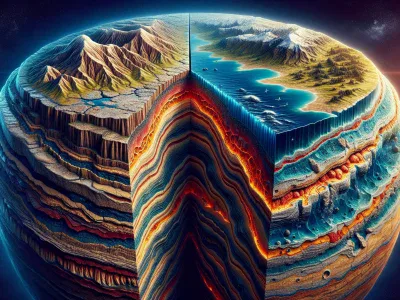
The Earth’s crust is the outermost layer of our planet, a thin shell, compared to the mantle and core beneath it. It is divided into two main types: oceanic crust, which forms the ocean floors, and continental crust, which makes up the continents. This division is not arbitrary: rather, it stems from fundamental differences in composition, thickness, and the processes that form each type.
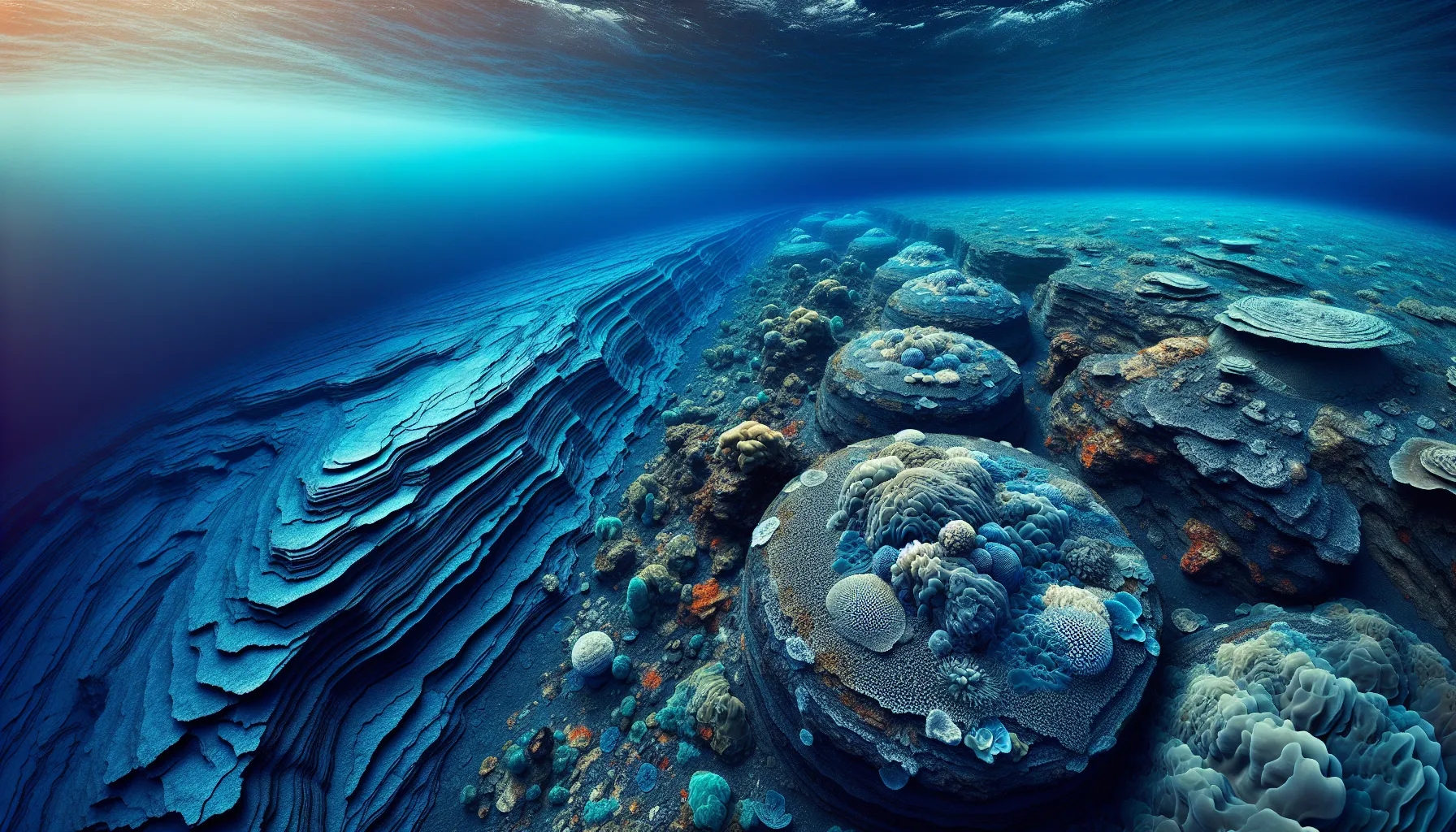
Oceanic crust is primarily composed of basalt, a dense volcanic rock, and is typically about 5 to 10 kilometers thick. In contrast, continental crust is much thicker, averaging around 30 kilometers, and consists of a variety of rocks, including sedimentary, metamorphic, and igneous types. Together, these two crusts create the structural framework for our terrestrial and aquatic landscapes, each playing a vital role in Earth’s geology and the processes that govern it.
The Nature Of Oceanic Crust
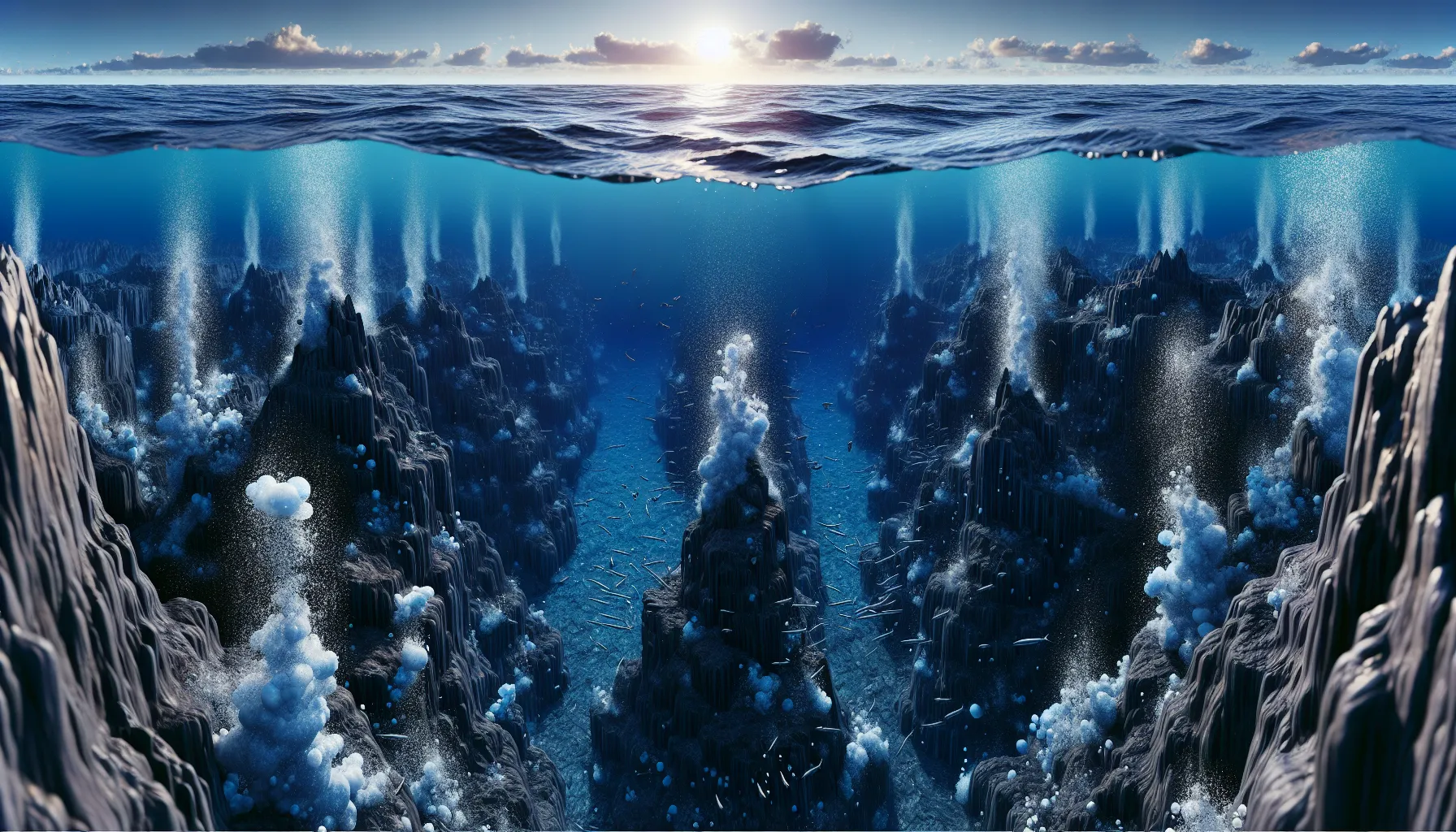
Oceanic crust is formed at mid-ocean ridges through the process of seafloor spreading, where magma rises up from the mantle, cools, and solidifies to form new crust. One of the most striking features of oceanic crust is its relatively young age compared to continental crust. The constant cycle of creation and destruction, where crust is pushed into the mantle at subduction zones, means that oceanic crust is continually recycled, rarely surviving more than 200 million years.
This crust’s density and composition contribute significantly to tectonic activity. The heavier basaltic rocks cause oceanic plates to subduct beneath lighter continental plates, leading to volcanic activity and earthquakes. Understanding oceanic crust is crucial for many scientific fields, including geology, oceanography, and environmental science.
The Nature Of Continental Crust
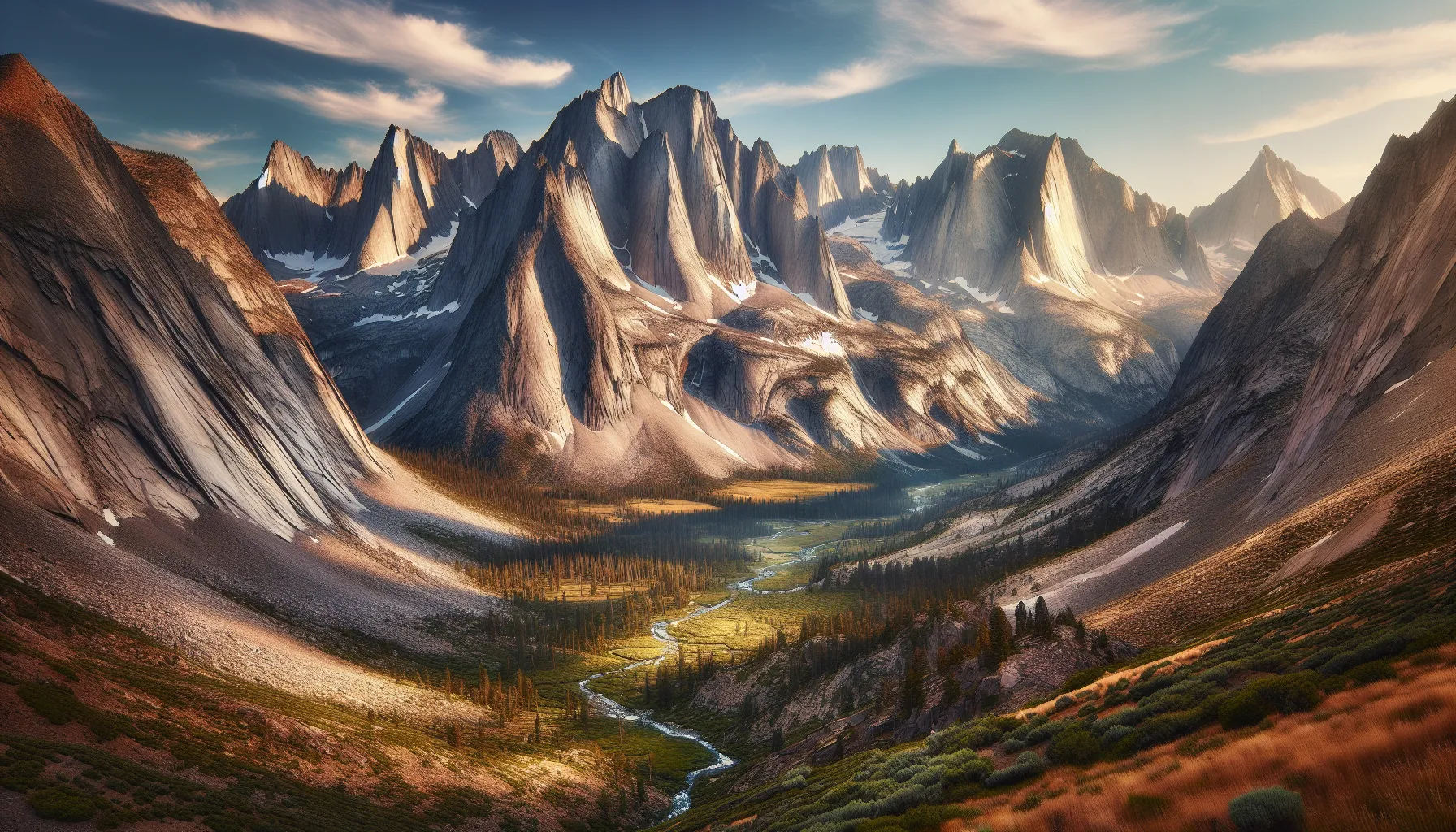
In contrast, continental crust is a collage of different rock types, enriched in silicate minerals. Its formation is a complex process that involves various geological processes, such as continental drift and mountain-building activities known as orogeny. Continental crust tends to be significantly older than oceanic crust, with some portions dating back over 4 billion years. This high age diversity reflects the stability of continental plates: they do not get recycled as readily as oceanic plates due to their lower density.
Continental crust supports vast ecosystems and human civilizations. It is where we find mountains, valleys, and a diverse array of terrestrial life. Also, the composition of continental crust influences soil formation, mineral deposits, and even the availability of natural resources.
The Age Of Oceanic Crust
The youngest oceanic crust can be found at the mid-ocean ridges, where new material is constantly being created. As we dive deeper into the ocean, we notice the age of the crust increases, with older crust lying farther away from these ridges. The oldest parts of oceanic crust have been dated to around 200 million years old, generally found near subduction zones.
This relatively young age highlights the vigorous recycling of the oceanic crust, a process driven by plate tectonics. Geological studies and exploration, such as seismic imaging and sampling, have confirmed these ages, contributing to our understanding of how ocean dynamics and tectonics interact.
The Age Of Continental Crust
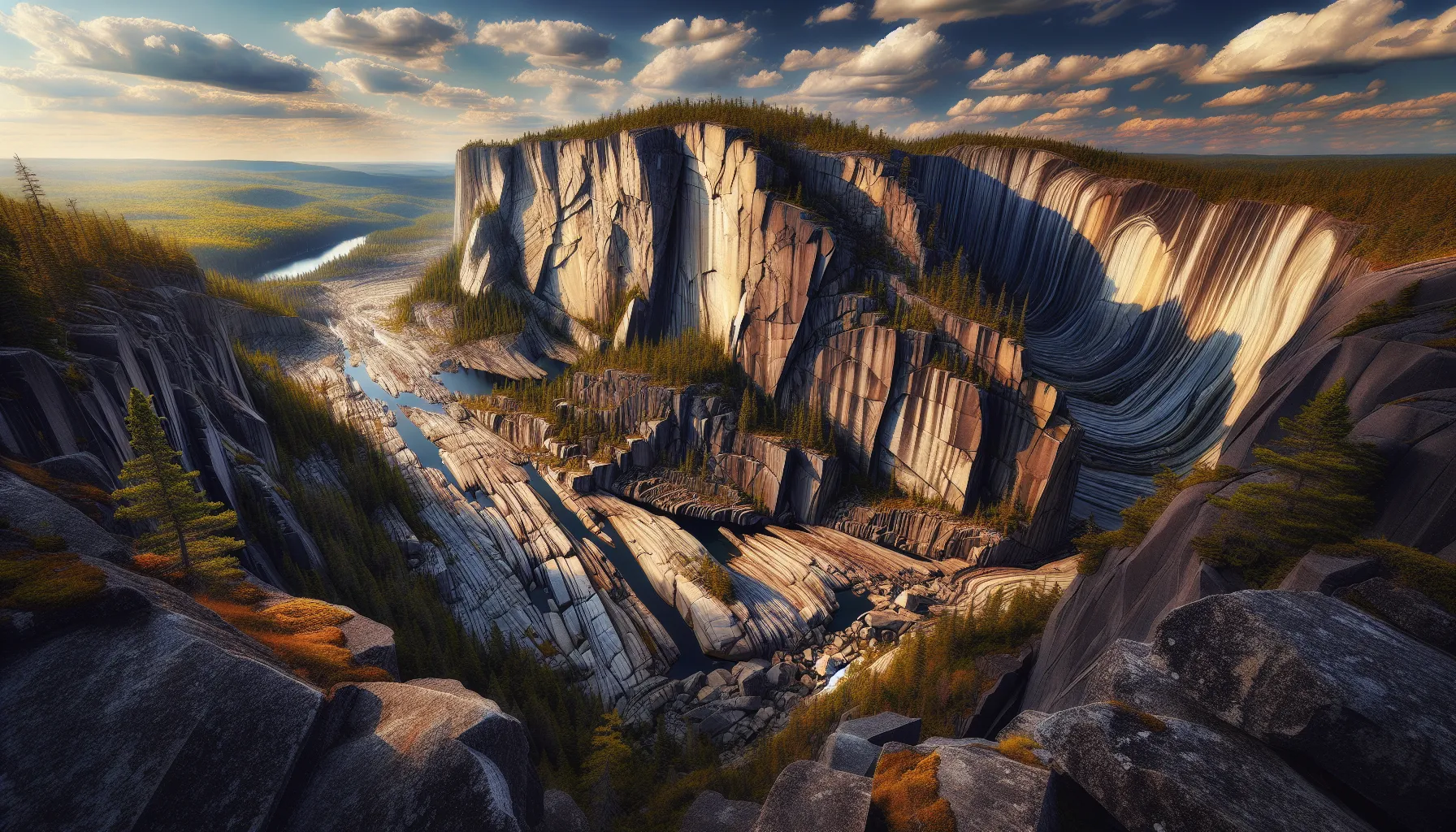
Continental crust, on the other hand, showcases a vast range of ages. Some segments, particularly crystalline rocks in shield areas, are over 4 billion years old. The Canadian Shield, for instance, is home to some of the oldest exposed rocks on Earth. The variation in age across different parts of the continental crust reflects the slow and complex processes of continental growth and erosion over geological time.
This means we often find ancient rock formations mixed with much younger sediments, illustrating a history of geological activity spanning eons. Understanding these ages provides insights into Earth’s past environments and the processes that have shaped our planet’s development.
Comparative Analysis Of Ages
When we compare the ages of oceanic and continental crust, a clear picture emerges. Oceanic crust is typically much younger than continental crust, commonly less than 200 million years old. Continental crust, with some areas dating back over 4 billion years, represents the planet’s early history and the dynamic processes that have formed and reformed our continents.
This significant age difference raises important questions about the processes that maintain these crusts. While oceanic crust undergoes continuous renewal, continental crust often remains stable for much longer, allowing it to accumulate complex geological histories.
Factors Influencing Crust Evolution
The evolution of both oceanic and continental crust is influenced by various factors, including tectonic activity, volcanic processes, and even meteorite impacts. Subduction zones help the recycling of oceanic crust, while continental crust evolves through processes like plate collisions and erosion.
Also, climatic and environmental factors play a role in shaping these crust types. For instance, glaciation and river erosion can significantly alter the landscape of continental crust, affecting the distribution of minerals and diverse habitats.
Conclusion
To conclude, the oceanic crust is generally younger than continental crust, with profound implications for our understanding of Earth’s evolution. While oceanic crust is in a constant cycle of formation and destruction, continental crust holds ancient stories of our planet’s formative years. Recognizing these differences not only enhances our knowledge of Earth’s geology but also reminds us of the dynamic and intricate systems that support life on our planet. By delving into these geological wonders, we deepen our appreciation for the foundation upon which we live.
Published: February 5, 2026 at 9:27 pm by Ellie B, Site owner & Publisher
To provide the best experiences, we use technologies like cookies to store and/or access device information. Consenting to these technologies will allow us to process data such as browsing behaviour or unique IDs on this site. Not consenting or withdrawing consent, may adversely affect certain features and functions.
Functional
Always active
The technical storage or access is strictly necessary for the legitimate purpose of enabling the use of a specific service explicitly requested by the subscriber or user, or for the sole purpose of carrying out the transmission of a communication over an electronic communications network.
Preferences
The technical storage or access is necessary for the legitimate purpose of storing preferences that are not requested by the subscriber or user.
Statistics
The technical storage or access that is used exclusively for statistical purposes.The technical storage or access that is used exclusively for anonymous statistical purposes. Without a subpoena, voluntary compliance on the part of your Internet Service Provider, or additional records from a third party, information stored or retrieved for this purpose alone cannot usually be used to identify you.
Marketing
The technical storage or access is required to create user profiles to send advertising, or to track the user on a website or across several websites for similar marketing purposes.