What Is Older: DC or Marvel?
In the world of comics, two titans dominate the discussions: DC and Marvel. As fans, we often find ourselves pondering questions that shape our understanding of these iconic brands, such as their origins. Imagine walking through a vibrant comic book shop, surrounded by colorful covers and the promise of epic stories: you can almost feel the excitement in the air. This thrilling backdrop pushes us to ask: which of these giants came first? By exploring their histories, we not only satisfy our curiosity but also uncover the evolution of superheroes and the culture that adores them. Let’s jump into the compelling narratives of DC and Marvel to discover what truly defines their legacy and influence, as well as the age-old question of, “which is older?”
The Origins of DC Comics
DC Comics, originally known as National Allied Publications, made its debut in the 1930s, specifically with the release of Detective Comics #1 in 1937. This marked the birth of a universe that would eventually introduce iconic characters like Superman, Batman, and Wonder Woman.
Key Milestones in DC History
In 1938, Action Comics #1 was published, featuring the first appearance of Superman, who is widely recognized as the first superhero. This launch not only introduced a new genre but also set the stage for the future of superhero comics. Over the years, DC embraced experimentation, introducing various genres and even revamping characters, with significant events like the introduction of the Multiverse concept in the 1960s, which has become a cornerstone of its storytelling.
Early Superheroes and Their Impact
Characters like The Flash and Green Lantern were born in the late 1930s and early 1940s, expanding DC’s catalog. Their origins often reflected societal issues of the time, heroes that fought against tyranny in World War II were particularly resonant. The success of these characters proved the power of heroic storytelling, leading to a dedicated fanbase that still thrives today.
The Formation of Marvel Comics
Marvel Comics, on the other hand, emerged several years later. Founded in 1939 as Timely Publications, it produced its first comic book, Marvel Comics #1, which introduced characters such as the Human Torch and Sub-Mariner.
Key Milestones in Marvel History
The 1961 release of The Fantastic Four marked a turning point for Marvel. This comic not only redefined superhero dynamics but also introduced the concept of relatable characters, with flaws, feelings, and family issues. Along with the arrival of creators like Stan Lee and Jack Kirby, Marvel began to forge its own identity, differentiating itself from DC by focusing on character depth.
The Rise of Superheroes in Marvel
Marvel’s 1960s lineup expanded dramatically to include Spider-Man, Iron Man, and the X-Men, each bringing new, relatable narratives that depicted everyday struggles alongside their heroic feats. Unlike earlier comics, Marvel heroes dealt with real-world problems: readers could see a piece of themselves in these characters. The combination of dynamic storytelling and complex characters transformed Marvel into a powerhouse in the comic industry.
The Competition Between DC and Marvel
As both companies flourished, a rivalry developed that would shape the comic landscape for decades to come.
Crossover Events and Their Significance
Crossover events became a hallmark of both DC and Marvel, starting with stories such as Crisis on Infinite Earths for DC and Secret Wars for Marvel. These monumental events not only pitted heroes against villains from each universe but also captivated fans, showcasing what could happen when two worlds collide.
Influence on Popular Culture
The impact of DC and Marvel heroes has seeped beyond the pages of comics into television and film, thereby creating a massive cultural phenomenon. The success of movies like The Dark Knight and The Avengers catalyzed a renaissance in superhero stories, confirming that the competition between DC and Marvel pushed both to elevate their game, resulting in creative innovations that benefit all consumers. As audiences, we celebrate this rich diversity in character and narrative, appreciating the unique flavors both giants contribute.
Comparative Analysis of DC and Marvel Timelines
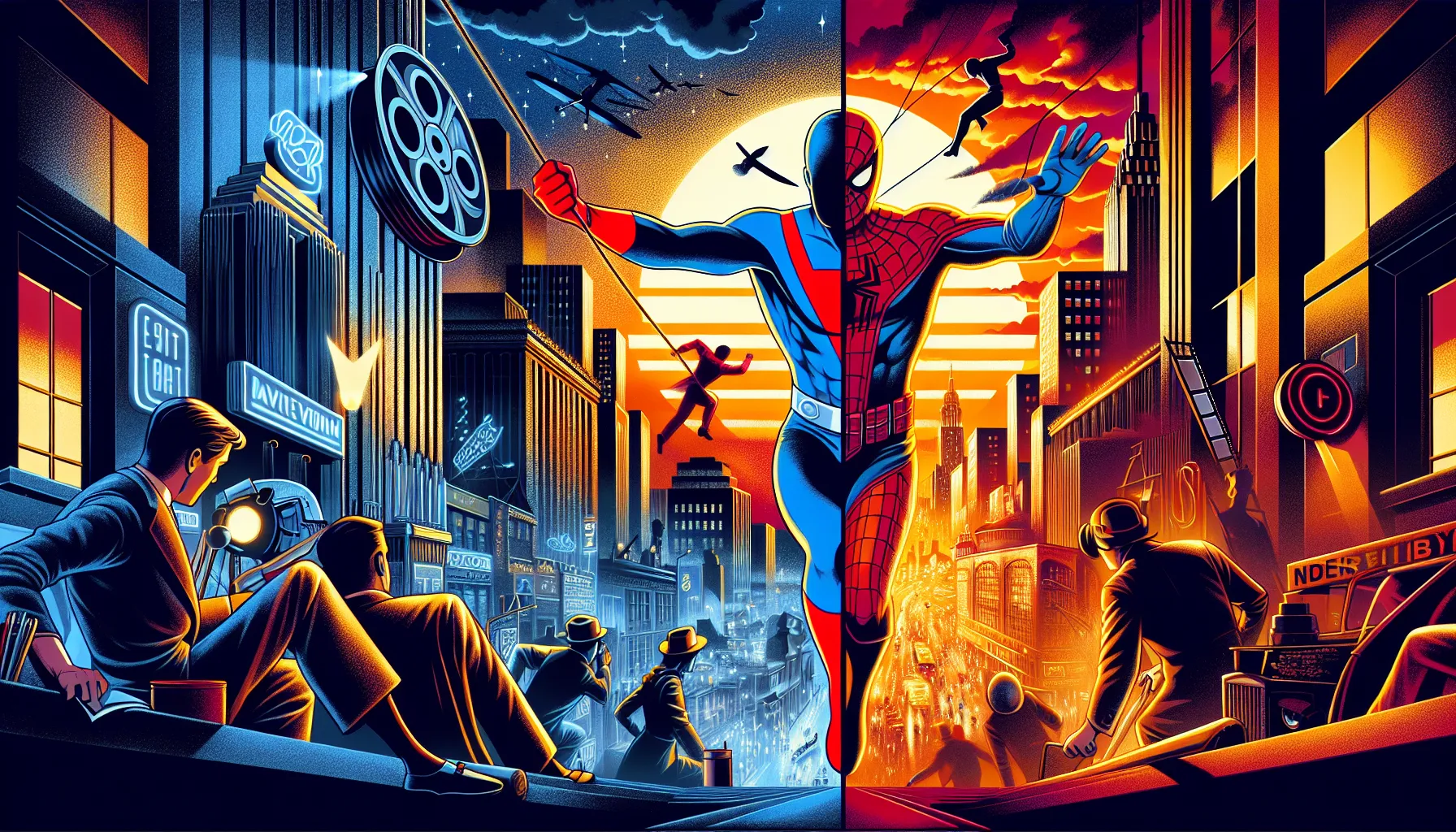
To explore “what is older” in a more structured manner, we should look at the respective timelines of both companies.
Major Characters Introduced by Each
DC’s introduction of Superman in 1938 predates Marvel’s superheroes by a few years. By 1961, when The Fantastic Four was launched, DC had already populated its universe with numerous iconic figures. On the flip side, Marvel’s age and relatability pushed it to the forefront in the 1960s and 70s, emphasizing characters that resonated deeply with younger audiences struggling with their own identities.
Cinematic Universes and Their Development
DC and Marvel have also established impressive cinematic universes. Marvel started the Marvel Cinematic Universe (MCU) with Iron Man in 2008, while DC initially tried to establish its own universe with Man of Steel in 2013. The different approaches to storytelling and universe-building in films have significantly impacted how each brand is perceived today.
Legacy and Influence on Modern Comics
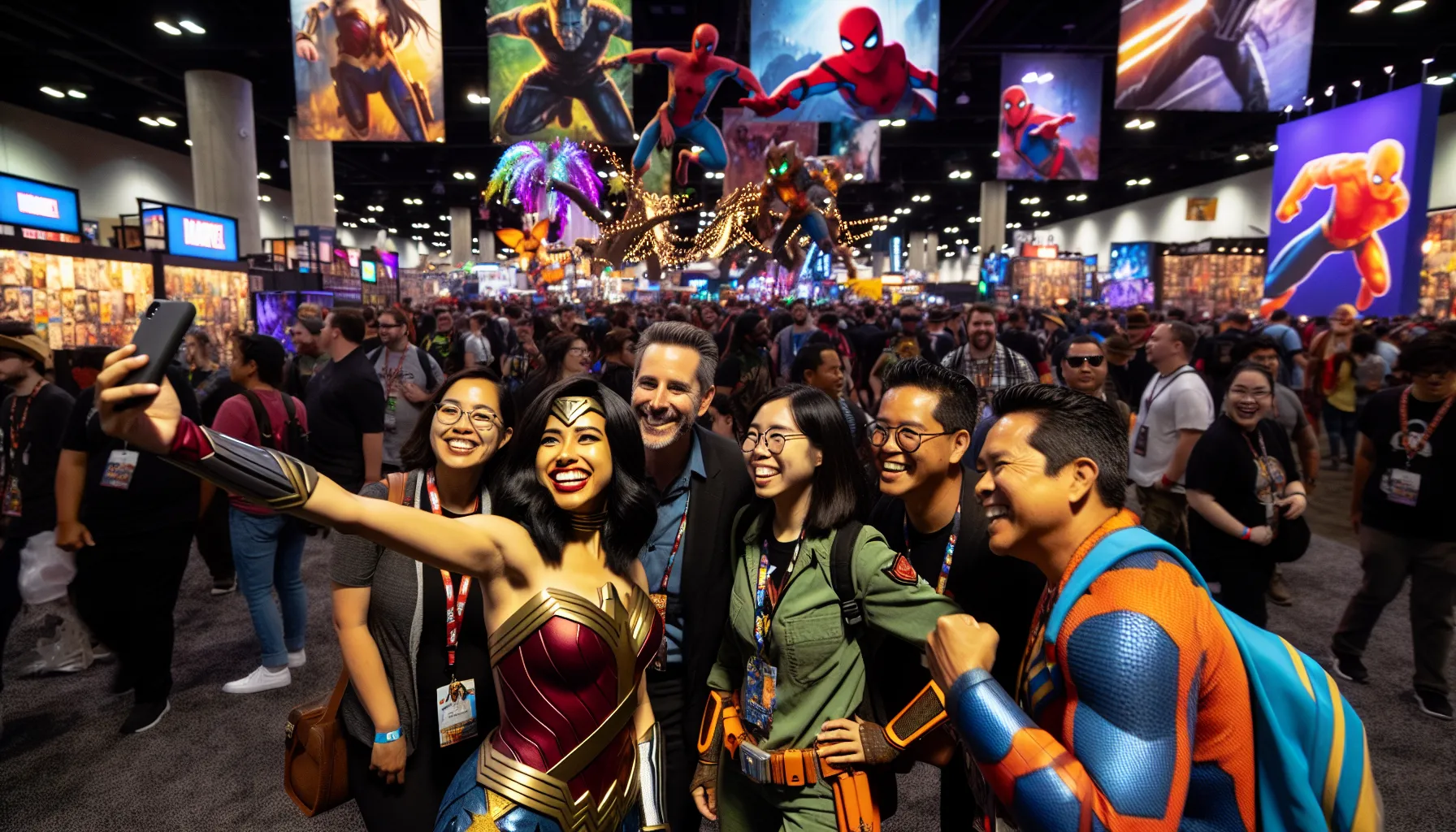
Both DC and Marvel have carved their spots in comic history, but their legacies continue to evolve.
Enduring Popularity and Fan Base
The fan bases of both companies are passionate and vocal. Events like Comic-Con have become stages for both to celebrate their cultures, and the loyalty of fans speaks to the strength of each franchise. The characters we adore aren’t just entertainment: they often symbolize larger values and struggles, resonating across generations.
Evolution of Storytelling Techniques
Both brands have shifted towards more sophisticated storytelling in recent decades. They have embraced issues like mental health, politics, and personal identity, creating comics that reflect the complexities of modern life. This evolution not only captivates audiences but also helps to broaden the appeal of comics as a medium for serious storytelling.
Conclusion
In answering the question of which arrived first, we recognize that DC Comics takes the lead with its establishment in 1934 and superhero introduction in 1938. Marvel, birthed from Timely Publications in 1939, made monumental contributions to comics culture shortly after. Yet, what’s truly fascinating is how each brand has not only coexisted but thrived through rivalry and collaboration, shaping the comic industry we know today. Both continue to evolve and influence modern storytelling, proving that the initial question may be less important than the monumental legacies they’ve built together. Whether you’re Team DC or Team Marvel, one thing is clear: the world of comics wouldn’t be the same without both. Another age debate beloved by fans is what is older: Xbox or PlayStation. Gaming hardware has its own origin story, too — explore what is older: Windows XP or Vista. And for a generational perspective on pop culture audiences, see what is older: Gen Z or Gen Alpha.

- Olive Oil Alternatives: When Olive Oil Is the Wrong Tool, and What to Use Instead - March 23, 2026
- The Difference Between Bridge and Whist: How to Tell Them Apart Fast for Parents - March 23, 2026
- Best Substitute for Sherry Vinegar - March 23, 2026
by Ellie B, Site Owner / Publisher