Imagine seasoning your favorite dish and realizing that the type of salt you use can transform the entire flavor experience.
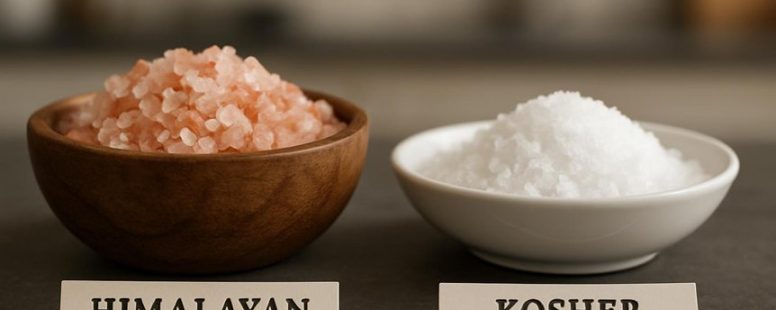
Himalayan pink salt and kosher salt each offer a distinct personality—one with a delicate crunch and subtle mineral notes, the other with a clean, crisp burst of saltiness. Choosing the right one is like selecting the perfect brush for a masterpiece.
Did you know that Himalayan pink salt contains trace minerals that can subtly enhance your meal’s depth?
Mastering these tiny differences can turn an ordinary bite into something truly memorable.
Where Does Himalayan Pink Salt Come From?
Himalayan pink salt comes from deep within the mountains of Pakistan. It is mined from ancient salt deposits that formed millions of years ago when seas dried up. This salt is special because it has a pink color, which comes from tiny amounts of minerals like iron.
The salt is taken out by traditional mining methods. Miners carefully carve large chunks of salt from underground deposits. These methods have been used for hundreds of years. Unlike processed table salt, Himalayan pink salt is natural and unrefined.
Some people say that the pink color makes it more unique and tasty. Others might wonder if it’s really better than regular salt. It’s important to know that Himalayan pink salt is mainly a natural product, and its minerals give it a mild flavor and pretty appearance.
There are two sides to consider. Some believe that Himalayan pink salt is healthier because of its minerals. Others argue that it’s still salt and should be used in moderation. Plus, not all pink salts are the same—some might have impurities or be mixed with other types of salt.
If you want to try Himalayan pink salt, look for reputable brands and check where it’s sourced from. Remember, it’s a natural product, but it still needs careful handling to keep it pure. So next time you sprinkle it on your food, think about the long journey from the mountains to your table.
Why Kosher Salt Is Special Compared to Himalayan Pink Salt
Kosher salt is a type of salt that many chefs and home cooks prefer for cooking and seasoning. It is different from Himalayan pink salt because of how it is made and how it feels in your hand.
The main reason people choose kosher salt is its texture. Its large, flaky crystals are easy to pinch and spread over food. This makes it simple to control how much salt you add. Unlike Himalayan pink salt, which comes from ancient sea beds and has a pink color, kosher salt is made specifically for cooking. It dissolves quickly in food, so it’s great for seasoning while you cook.
Another benefit is that kosher salt usually has no extra ingredients. It does not have iodine or anti-caking agents that some other salts have. This gives food a clean, pure flavor. Its large crystals are also helpful for koshering meat. The big grains help remove blood from meat, which is part of traditional Jewish cooking.
However, some people like Himalayan pink salt for its minerals and unique look. It might be good for finishing dishes or adding a pretty touch to a plate. But for everyday cooking and seasoning, kosher salt offers better control and ease of use.
In the end, if you want a salt that’s simple to handle, dissolves fast, and helps you season evenly, kosher salt is a great choice. Himalayan pink salt has its place too, especially if you want a special look or extra minerals. Both have their uses, but for most cooking needs, kosher salt wins for consistency and convenience.
How Himalayan Pink Salt and Kosher Salt Taste and Feel Different
Himalayan pink salt and kosher salt taste and feel different in your cooking. Himalayan pink salt is known for its mild mineral flavor that adds a hint of complexity beyond plain salt. It can make dishes taste more layered and interesting. Kosher salt, however, has a simple, clean saltiness that doesn’t overpower other flavors. It’s often used for seasoning meat and for finishing dishes because it lets the natural taste come through.
When it comes to texture, Himalayan pink salt crystals are usually bigger and denser. They give a slight crunch when you bite into them, which can add a fun texture to salads or roasted vegetables. Kosher salt flakes tend to be larger and lighter, dissolving quickly and spreading evenly over food. This makes it ideal for seasoning and finishing dishes.
Some people prefer Himalayan pink salt because of its unique flavor and coarse texture. Others like kosher salt because it dissolves better and doesn’t add any extra flavors. Both salts work well, but knowing their differences can help you pick the right one for your cooking.
There are some downsides too. Himalayan pink salt can be more expensive and sometimes has impurities. Kosher salt is easier to measure because of its flaky texture, but it might not add as much flavor. Think about what you’re cooking and what texture you want. For example, use Himalayan pink salt if you want a subtle mineral taste and a crunchy bite. Choose kosher salt if you want quick dissolving salt that doesn’t distract from the food’s natural flavor.
When to Use Himalayan Pink Salt vs. Kosher Salt in Your Cooking
Himalayan pink salt and kosher salt are two popular types of salt used in cooking, but they have different qualities and best uses.
Himalayan pink salt is known for its mild mineral flavor and pretty pink color. It works well as a finishing salt, meaning you sprinkle it on top of dishes just before serving. For example, it adds a subtle mineral taste and crunch to roasted vegetables or salads. You can also use it to garnish dishes to make them look more appealing. Some cooks prefer Himalayan salt for its visual appeal and flavor.
Kosher salt is a coarse, clean-tasting salt often used for seasoning meats before cooking. Its coarse texture makes it easy to spread evenly, and it dissolves quickly in liquids. Because of this, it is a good choice for brines or marinades. Many chefs also use it for seasoning food during cooking, especially when they want an even distribution of salt.
Here’s a quick guide:
Use Himalayan pink salt for finishing dishes and adding a mild mineral flavor. It is great for garnishing foods.
Use kosher salt for seasoning meats, especially before grilling or roasting. It’s also good for brines and marinades because it dissolves fast and spreads evenly.
Both salts are useful, but each works better in specific situations. Himalayan salt is perfect when you want to add visual appeal and a gentle mineral touch. Kosher salt is better for seasoning during cooking when even coverage matters.
Measuring Himalayan Pink Salt and Kosher Salt Accurately
Measuring Himalayan pink salt and kosher salt correctly is important for good cooking. These salts have different grain sizes and densities, so using the same volume measurement can lead to too much or too little salt in your food. The best way to be accurate is to weigh the salt with a kitchen scale. If you don’t have a scale, using reliable conversions can help. For example, one teaspoon of kosher salt usually equals about three-fourths of a teaspoon of finely ground Himalayan pink salt.
Keep in mind that kosher salt flakes are bigger and less dense. That means a cup of kosher salt weighs less than a cup of Himalayan salt. This can be confusing if you don’t measure properly. Knowing these differences helps you salt your food just right every time.
Some cooks prefer weighing their salt because it’s the most accurate. But if you only have measuring spoons, remember that conversions are approximate. For example, a teaspoon of kosher salt can be used instead of a teaspoon of Himalayan pink salt, but you might need to adjust the amount slightly.
You might think that measuring by volume is good enough, but it can lead to mistakes, especially with salts that have different textures. Using a scale is a better idea if you want consistent flavor. However, be aware that even with measurements, some salt brands can vary slightly in grain size. So, testing and tasting your food is still the best way to get it just right.
In the end, whether you choose to weigh or measure, understanding the differences in salt types can make your dishes taste better. It’s worth taking a little extra time to measure carefully and keep your seasoning consistent.
Real-World Uses for Himalayan Pink Salt
Himalayan pink salt is more than just a pretty pink color. It is a type of salt that many people use in cooking and for health reasons.
In the kitchen, Himalayan pink salt adds a special flavor to food. It is often used to season meats, vegetables, and even salads. Its coarse crystals make it a popular choice for finishing dishes because it gives food a nice crunch and a beautiful look. For example, some chefs sprinkle it on roasted potatoes or grilled steaks to make them taste better and look more appealing. Compared to regular table salt, Himalayan pink salt has a milder, more complex flavor, and some say it enhances the taste of food better. But remember, it still contains sodium, so eating too much can be bad for your health.
People also use Himalayan pink salt for its supposed health benefits. It contains minerals like magnesium and calcium that are good for your body. Some believe it can help with detoxing or balancing your body’s minerals. To use it for health, some folks add a pinch of it to their water or use it in baths for skin benefits. However, there is no strong scientific proof that pink salt cures or prevents illnesses. So, while it might be a healthier alternative to regular salt if used in moderation, it’s not a magic health fix.
Culinary Applications
Himalayan pink salt is a type of salt that many cooks prefer because it has a unique mineral flavor. Unlike regular table salt, it adds subtle tastes from minerals like magnesium and potassium. This makes it more than just a seasoning—it can help make your dishes taste better. Some people like how it enhances the flavor without overpowering the food.
Here are some easy ways to use Himalayan pink salt in your cooking:
Sprinkle it on roasted vegetables after cooking for a crunchy texture and a richer flavor.
Use it to season grilled meats. The minerals in the salt can bring out smoky or charred flavors.
Mix it into homemade sauces. It adds a balanced, layered taste that makes sauces more interesting.
Rim cocktail glasses with it, especially for drinks like margaritas or Bloody Marys. It makes the drink look fancy and adds a little extra flavor.
Add a pinch to baking recipes, like cookies or bread. It can help make the sweetness feel more vibrant and balanced.
Some people say Himalayan pink salt is better than regular salt because of its taste and mineral content. But others warn that it’s still salt and should be used in moderation. Too much can make dishes too salty or mask other flavors.
Using Himalayan pink salt can be a simple way to add a new flavor dimension to your cooking. It’s a small change that can make a big difference in how your food tastes. Would you try it on your next roast or salad? It might surprise you!
Health Benefits
Himalayan pink salt is a type of salt known for more than just its flavor. It is often considered healthier than regular table salt because it contains small amounts of minerals like potassium, magnesium, and calcium. These minerals can help support your body’s balance of electrolytes and keep you hydrated. While the amounts are tiny, they add a little extra nutrition that plain salt usually doesn’t have.
Some people choose Himalayan pink salt because it feels more natural and less processed. It can make your food taste richer and might give you a slight health boost. But, keep in mind, it still has sodium, so eating too much can be bad for your blood pressure.
If you want to add Himalayan pink salt to your diet, try using it in cooking or as a finishing touch. It’s a simple way to make your meals tastier and maybe a bit healthier. Just remember, it’s not a magic cure, and eating too much salt of any kind can be harmful.
Sources show that while Himalayan pink salt has minerals, you’d need to eat a lot to get real health benefits. So, it’s better to see it as a flavor upgrade rather than a health fix. Would you switch to Himalayan pink salt? It depends if you want better taste or just want to try something different.
Real-World Uses for Kosher Salt
Kosher salt is a type of coarse salt that is popular in cooking. It is known for its large grains and clean taste. Many chefs prefer it because it dissolves easily and spreads evenly over food, making it great for seasoning.
Here are some common ways you can use kosher salt in your kitchen:
Brining meats: Soaking chicken or pork in a salty solution keeps the meat juicy and flavorful. This is especially popular for making fried chicken or roast pork.
Seasoning vegetables: Sprinkling kosher salt on vegetables before roasting or sautéing enhances their natural flavors. Think of how a pinch of salt can make roasted potatoes taste even better.
Rimming cocktail glasses: Rubbing the rim of a glass with lemon and then dipping it in kosher salt adds a salty crunch to drinks like margaritas.
Baking bread: Adding kosher salt to bread dough improves its taste and texture. It helps the bread develop a better flavor and a nice crust.
Topping dishes: Sprinkling kosher salt on dishes like steak or popcorn gives a satisfying crunch and boosts flavor.
Some people like kosher salt because it is easy to pinch and control. However, it’s not always the best choice for precise measurements in recipes because its large grains mean it is less dense than regular table salt. If you want a quick, reliable seasoning, kosher salt is a good pick. But for baking or recipes needing exact salt amounts, regular fine salt might be better.
Counterpoints: Some cooks prefer fine salt because it dissolves faster and is easier to measure. Also, not all brands of kosher salt have the same saltiness, so you might need to adjust how much you use.
In the end, kosher salt is a handy tool in the kitchen. It works well for cooking and finishing dishes, but remember it’s not always the best for baking or recipes that need precise salt levels.
Choosing the Right Salt: Quick Tips for Your Kitchen
Salt choice really depends on what you’re cooking and how you want to season your food. The key fact is that not all salts are the same, and each has its own purpose.
Kosher salt is popular because its large, coarse grains make it easy to control. It dissolves quickly and spreads evenly, which is great for seasoning meats or vegetables. For example, when grilling chicken, a sprinkle of kosher salt helps make the flavor consistent. Himalayan pink salt adds a nice mineral flavor and looks pretty on dishes, but it’s not as easy to measure because of its finer texture. Some people like it for finishing dishes or adding visual appeal.
When choosing salt, think about your cooking style. If you cook often and need quick, even seasoning, kosher salt is a good choice. If you want a colorful touch or a mild mineral taste, Himalayan pink salt can be nice. But don’t forget to store your salt in airtight containers to keep it from clumping and losing flavor. Whether it’s pink or kosher, proper storage keeps your salt fresh longer.
Some cooks say that the best salt depends on personal preference and the recipe. For example, some bakers prefer fine sea salt for baking because it dissolves easily. Others say that coarse salts are better for finishing steaks or salads. Both viewpoints are valid, but the main thing is how you use it. Be careful with salt amounts too. Too much can ruin a dish, but too little can make it bland. It’s all about balance and experimenting with different types.
In short, choosing the right salt involves understanding your cooking needs, trying different kinds, and storing it properly. Remember, good seasoning makes your food taste better, so pick what works for you and use it wisely.
To provide the best experiences, we use technologies like cookies to store and/or access device information. Consenting to these technologies will allow us to process data such as browsing behaviour or unique IDs on this site. Not consenting or withdrawing consent, may adversely affect certain features and functions.
Functional
Always active
The technical storage or access is strictly necessary for the legitimate purpose of enabling the use of a specific service explicitly requested by the subscriber or user, or for the sole purpose of carrying out the transmission of a communication over an electronic communications network.
Preferences
The technical storage or access is necessary for the legitimate purpose of storing preferences that are not requested by the subscriber or user.
Statistics
The technical storage or access that is used exclusively for statistical purposes.The technical storage or access that is used exclusively for anonymous statistical purposes. Without a subpoena, voluntary compliance on the part of your Internet Service Provider, or additional records from a third party, information stored or retrieved for this purpose alone cannot usually be used to identify you.
Marketing
The technical storage or access is required to create user profiles to send advertising, or to track the user on a website or across several websites for similar marketing purposes.