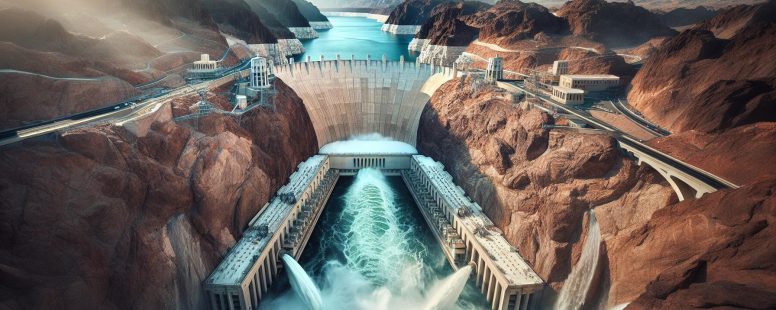
Imagine a world where the gentle rush of water powers entire cities, lighting up homes and fueling industries. Hydroelectric energy, derived from the natural flow of rivers and streams, has long been celebrated as a renewable energy powerhouse. But is it as flawless as it seems? Beneath its shimmering surface lies a mix of advantages and challenges that shape its role in our modern energy world.
You’ve likely heard about its ability to generate clean energy, but what about its impact on ecosystems or the communities living nearby? From reducing carbon emissions to altering habitats, hydroelectric energy is a double-edged sword. Understanding its pros and cons isn’t just about energy—it’s about balancing progress with sustainability. So, how does this centuries-old technology fit into today’s push for a greener future? Let’s jump into the currents of hydroelectric energy to uncover its true potential.
Overview Of Hydroelectric Energy
Hydroelectric energy harnesses the power of moving water to produce electricity through turbines and generators. It’s classified as a renewable energy source due to water’s natural cycle, driven by evaporation and precipitation. Major hydroelectric plants like the Three Gorges Dam in China and the Hoover Dam in the US illustrate its capacity for large-scale energy production.
You find hydroelectric projects contributing significantly to global power generation. According to the International Energy Agency (IEA), hydropower accounts for approximately 16% of global electricity, making it the largest renewable energy contributor worldwide.
Hydropower involves diverse setups, including run-of-river systems, pump storage facilities, and reservoir-based plants. Examples include Canada’s Site C Clean Energy Project and Switzerland’s Grimsel Hydroelectric Complex.
Even though its benefits, hydroelectric energy isn’t without environmental and social implications. Projects can disrupt river ecosystems and affect local wildlife like migratory fish, such as salmon. Resettlements often displace communities, altering traditional livelihoods.
How Hydroelectric Energy Works
Hydroelectric energy harnesses the power of moving water to produce electricity efficiently. By converting kinetic energy from flowing or falling water into mechanical energy, hydroelectric systems create sustainable energy.
Key Components Of Hydropower Systems
Turbines act as the heart of hydroelectric systems, converting water’s kinetic energy into mechanical energy. Kaplan turbines work in low-head systems like run-of-river plants, while Francis and Pelton turbines are used in high-head projects like mountainous reservoirs.
Generators transform mechanical energy from turbines into electricity. The rotor inside the generator spins, creating an electromagnetic field that produces electric current. This process ensures electrical output is consistent and scalable.
Dams store water and regulate its flow, creating pressure for energy generation. For example, the Hoover Dam holds Lake Mead’s water, releasing it as needed to power turbines and meet electricity demands. Spillways act as safety features, directing excess water away to prevent flooding.
Pumps and pump storage systems enhance efficiency in reversible hydroelectric plants. The Dinorwig Power Station in Wales uses pumps to elevate water to a reservoir during low-demand and releases it to generate electricity during peak usage.
The Process Of Generating Electricity
Water flows through the intake channel into the penstock, where it’s directed towards turbines. Gravity accelerates water through the system, creating kinetic energy proportional to the flow rate’s intensity.
Turbine rotation transforms kinetic energy into mechanical power, which the generator captures. The electromagnetic field within the generator converts this mechanical power into electric current.
Grid connections distribute generated electricity to industries and homes. Hydroelectric power adapts to demand fluctuations by adjusting water flow. For example, Grand Coulee Dam increases outflows during peak hours to ensure the grid’s stability.
Pros Of Hydroelectric Energy
Hydroelectric energy offers numerous advantages that make it a significant contributor to the global energy mix. Its benefits span sustainability, cost-efficiency, and environmental impact, setting it apart as a reliable renewable energy source.
Renewable And Sustainable Resource
Hydroelectric energy harnesses water, a naturally replenished resource, making it inherently sustainable. Unlike fossil fuels that deplete over time, the water cycle ensures a consistent supply of kinetic energy. For example, the Itaipu Dam shared by Brazil and Paraguay generates about 97.4 TWh annually, highlighting the perpetual availability of water for energy generation. Though reliant on rainfall, hydropower’s renewable nature ensures its long-term feasibility.
Low Operating And Maintenance Costs
Once built, hydroelectric plants require comparatively low operating budgets. The cost-efficiency stems from minimal fuel expenses, as water is free and abundant. Maintenance focuses on turbines, generators, and dam structures, which have long lifespans. Facilities like Canada’s W.A.C. Bennett Dam showcase these economic benefits, offsetting high construction costs with low ongoing expenditures. Even though initial capital investment, operational savings make it a financially viable option.
Environmentally Friendly With No Direct Emissions
Hydropower plants produce electricity without emitting greenhouse gases, contributing to carbon footprint reduction. The Three Gorges Dam in China alone saves an estimated 100 million tons of CO2 annually compared to fossil fuel alternatives. By leveraging clean water flow instead of combustion, hydropower minimizes air pollution. While indirect ecological impacts exist, such as habitat changes, the absence of direct emissions makes it environmentally advantageous.
Reliable Energy Source
Hydroelectric systems adapt to energy demands, providing base-load power and peak-load adjustments. Reservoir-based plants store water to generate electricity during high demand, ensuring grid stability. For instance, Norway derives nearly 99% of its electricity from hydropower, demonstrating its reliability in energy supply. Seasonal or climatic variations influence output, but robust infrastructure mitigates significant fluctuations, ensuring consistent energy availability.
Cons Of Hydroelectric Energy
Hydroelectric energy, even though its benefits, presents notable drawbacks. These challenges impact environmental, economic, and social aspects, which require careful consideration before initiating hydropower projects.
High Initial Construction Costs
Hydroelectric projects demand significant investment upfront. Building dams, reservoirs, and turbines involves high engineering, material, and labor costs. For instance, the Itaipu Dam between Brazil and Paraguay cost over $20 billion. While operational costs remain low, it takes years for such projects to generate returns, delaying financial viability. Cost barriers can deter developing nations from adopting hydropower technology.
Environmental Impact On Local Ecosystems
Hydropower projects disrupt natural habitats. Reservoir flooding alters river flow, affecting flora and fauna. Migratory fish species, like salmon, struggle to traverse fish-unfriendly dams, threatening population stability. Blocked sediment flow leads to erosion downstream, impacting water quality. According to WWF, 37% of freshwater fish face population treaths due to dam constructions, highlighting hydropower’s ecological footprint.
Risk Of Drought And Water Dependency
Hydropower’s reliance on water exposes it to climate variability. Droughts or reduced snowfall decrease water availability, reducing energy output. For example, California’s hydropower generation dropped by 38% during its 2014-2015 drought. This dependence challenges energy security in regions prone to fluctuating water resources, making diversification essential.
Potential Displacement Of Communities
Reservoir expansion often forces local communities to relocate. Displaced populations lose homes, cultural ties, and economic opportunities. The Three Gorges Dam in China displaced over 1.2 million people, sparking global debates on human cost versus energy benefits. Without comprehensive resettlement plans, hydropower projects risk exacerbating social inequalities.
Comparing Hydroelectric Energy To Other Sources
Hydroelectric energy provides unique advantages and challenges when compared to fossil fuels, wind, and solar power. Examining these differences can help you understand its position in the global energy mix.
Benefits Over Fossil Fuels
Hydroelectric energy doesn’t release greenhouse gases during electricity generation, unlike fossil fuels such as coal and natural gas. For example, the use of hydropower in nations like Brazil prevents significant CO2 emissions annually, contributing to cleaner air and reduced climate change impact. Fossil fuel combustion produces pollutants like sulfur dioxide and nitrogen oxides, which lead to acid rain and respiratory issues, while hydropower avoids these harmful byproducts altogether.
The cost-efficiency of hydroelectric plants over time surpasses most fossil fuel systems. After initial construction, operational costs remain low due to the reliance on water—a free and renewable resource. Fossil fuels, on the other hand, incur continuous extraction, refining, and transportation costs, which can fluctuate based on market dynamics. For instance, regions with abundant hydropower resources, like Canada, maintain stable electricity prices compared to areas dependent on imported fuel.
Hydropower also enhances energy security by reducing dependency on nonrenewable fuel imports that are prone to supply disruptions. Countries with hydropower infrastructure can sustain domestic electricity production during geopolitical or economic crises.
Challenges When Compared To Wind And Solar Power
Hydroelectric energy faces environmental challenges that wind and solar power largely avoid. Reservoir flooding can disrupt ecosystems, displace wildlife, and alter river systems, impacting species like freshwater fish and amphibians. Solar farms or wind turbines, by contrast, generally have a minimal footprint on local water systems and don’t cause large-scale habitat disruption. For instance, the destruction of aquatic habitats around the Hoover Dam contrasts with the localized impact of solar arrays in the Mojave Desert.
In terms of geographic flexibility, wind and solar installations are more adaptable. Hydropower requires specific topographic conditions, such as significant river flow or elevation changes, narrowing suitable locations for new developments. By comparison, solar panels and wind turbines can be installed in diverse environments, from rooftops in cities like Los Angeles to offshore platforms in countries like Denmark.
Hydropower’s dependency on consistent water levels can limit its reliability in regions experiencing droughts or reduced rainfall due to climate change. Wind and solar systems also face variability but have gained reliability through advancements in energy storage technologies like lithium-ion batteries. For example, Texas combines solar farms with battery infrastructure to balance energy supply and demand, a challenge not easily addressable by conventional hydropower.
Conclusion
Hydroelectric energy remains a vital player in the global shift toward renewable energy. Its ability to generate clean, reliable electricity while reducing carbon emissions highlights its importance in combating climate change. But, the environmental and social challenges tied to its implementation cannot be ignored.
As you consider the role of hydropower in a sustainable future, it’s essential to weigh its benefits against its impacts. Understanding these complexities helps foster informed decisions about how this powerful energy source fits into the broader renewable energy world.
To provide the best experiences, we use technologies like cookies to store and/or access device information. Consenting to these technologies will allow us to process data such as browsing behaviour or unique IDs on this site. Not consenting or withdrawing consent, may adversely affect certain features and functions.
Functional
Always active
The technical storage or access is strictly necessary for the legitimate purpose of enabling the use of a specific service explicitly requested by the subscriber or user, or for the sole purpose of carrying out the transmission of a communication over an electronic communications network.
Preferences
The technical storage or access is necessary for the legitimate purpose of storing preferences that are not requested by the subscriber or user.
Statistics
The technical storage or access that is used exclusively for statistical purposes.The technical storage or access that is used exclusively for anonymous statistical purposes. Without a subpoena, voluntary compliance on the part of your Internet Service Provider, or additional records from a third party, information stored or retrieved for this purpose alone cannot usually be used to identify you.
Marketing
The technical storage or access is required to create user profiles to send advertising, or to track the user on a website or across several websites for similar marketing purposes.