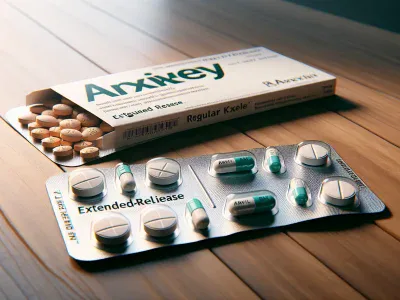
When evaluating treatments for anxiety and panic-related disorders, selecting the most appropriate medication is critical. Two commonly discussed options are Klonopin (clonazepam) and Xanax (alprazolam), both belonging to the benzodiazepine class of drugs. While these medications share similarities, their differences in terms of usage, effects, and risks are worth exploring. This guide aims to provide clarity to those deliberating between these two pharmaceutical options.
Overview of Klonopin and Xanax
Klonopin and Xanax are two medications often prescribed for treating anxiety-related disorders. Klonopin is known for its longer duration of action, making it effective for sustained symptom relief. Xanax, on the other hand, offers rapid relief for acute anxiety episodes, with a shorter onset and duration of effect. Understanding how these medications align with specific therapeutic needs is essential for an effective treatment plan.
Pharmacological Profiles
Indications and Usage
Klonopin is commonly prescribed for managing seizures, panic disorders, and specific anxiety conditions. Its extended release within the body makes it suitable for long-term anxiety management.
Xanax, by contrast, is frequently utilized for short-term relief of severe anxiety and acute panic attacks due to its prompt effectiveness. Each drug’s indications emphasize different facets of anxiety disorders, making professional guidance essential in their selection.
Mechanisms of Action
Both drugs function by enhancing the activity of gamma-aminobutyric acid (GABA), a neurotransmitter that promotes calming effects in the brain. But, Klonopin’s prolonged half-life allows for more sustained effects, whereas Xanax’s shorter half-life results in quicker yet less durable action. This distinction heavily influences their use cases and recommended prescribing practices.
Efficacy for Medical Conditions
Conditions Treated by Klonopin
Klonopin is particularly effective for long-term treatment of panic disorders, epilepsy, and certain types of seizures. It provides a steady state of relief, making it suitable for individuals requiring constant management of symptoms.
Conditions Treated by Xanax
Xanax is often prescribed for episodic anxiety or panic attacks, providing rapid relief to stabilize an individual during moments of acute stress. But, it is generally not the first line of defense for long-term anxiety management due to its higher likelihood of dependency.
Potential Side Effects and Risks
Common Side Effects
Common side effects of both Klonopin and Xanax include drowsiness, dizziness, and reduced cognitive performance. These may impact daily functioning and require caution when performing tasks such as driving.
Risk of Dependence and Withdrawal
Both medications carry a risk of dependency if used improperly or for extended durations. Withdrawal symptoms can be severe, underscoring the importance of adhering to a healthcare provider’s instructions and creating a structured cessation plan when discontinuing use.
To provide the best experiences, we use technologies like cookies to store and/or access device information. Consenting to these technologies will allow us to process data such as browsing behaviour or unique IDs on this site. Not consenting or withdrawing consent, may adversely affect certain features and functions.
Functional
Always active
The technical storage or access is strictly necessary for the legitimate purpose of enabling the use of a specific service explicitly requested by the subscriber or user, or for the sole purpose of carrying out the transmission of a communication over an electronic communications network.
Preferences
The technical storage or access is necessary for the legitimate purpose of storing preferences that are not requested by the subscriber or user.
Statistics
The technical storage or access that is used exclusively for statistical purposes.The technical storage or access that is used exclusively for anonymous statistical purposes. Without a subpoena, voluntary compliance on the part of your Internet Service Provider, or additional records from a third party, information stored or retrieved for this purpose alone cannot usually be used to identify you.
Marketing
The technical storage or access is required to create user profiles to send advertising, or to track the user on a website or across several websites for similar marketing purposes.