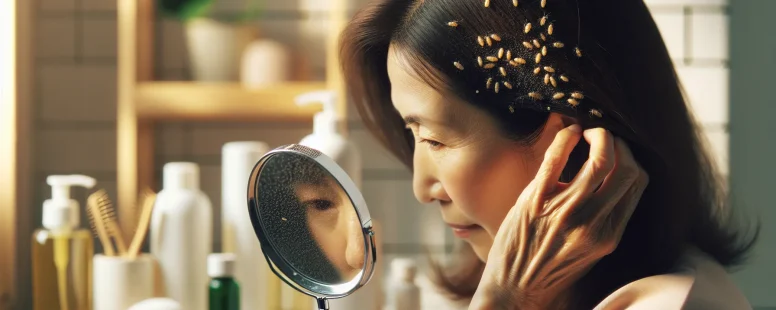
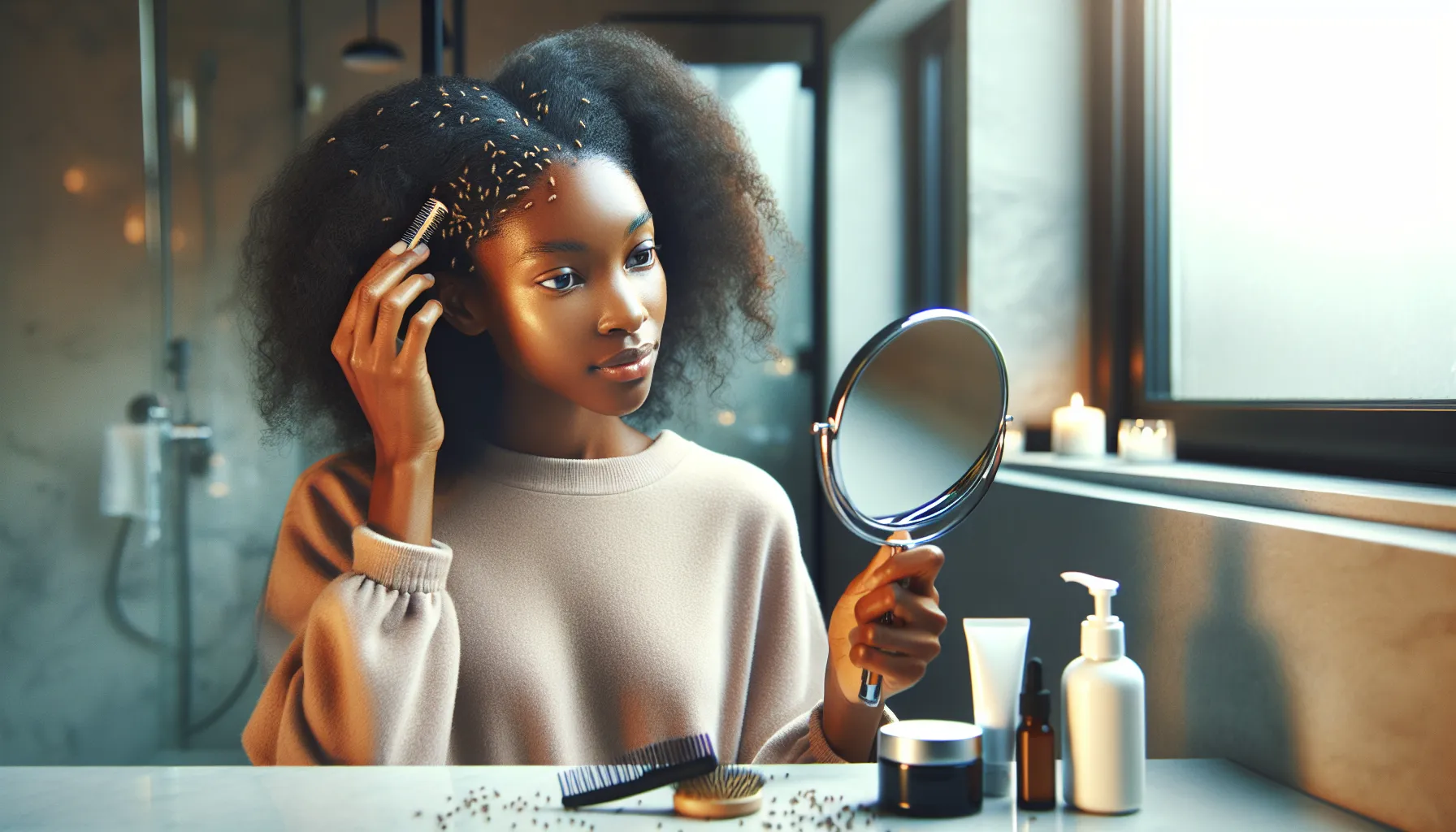
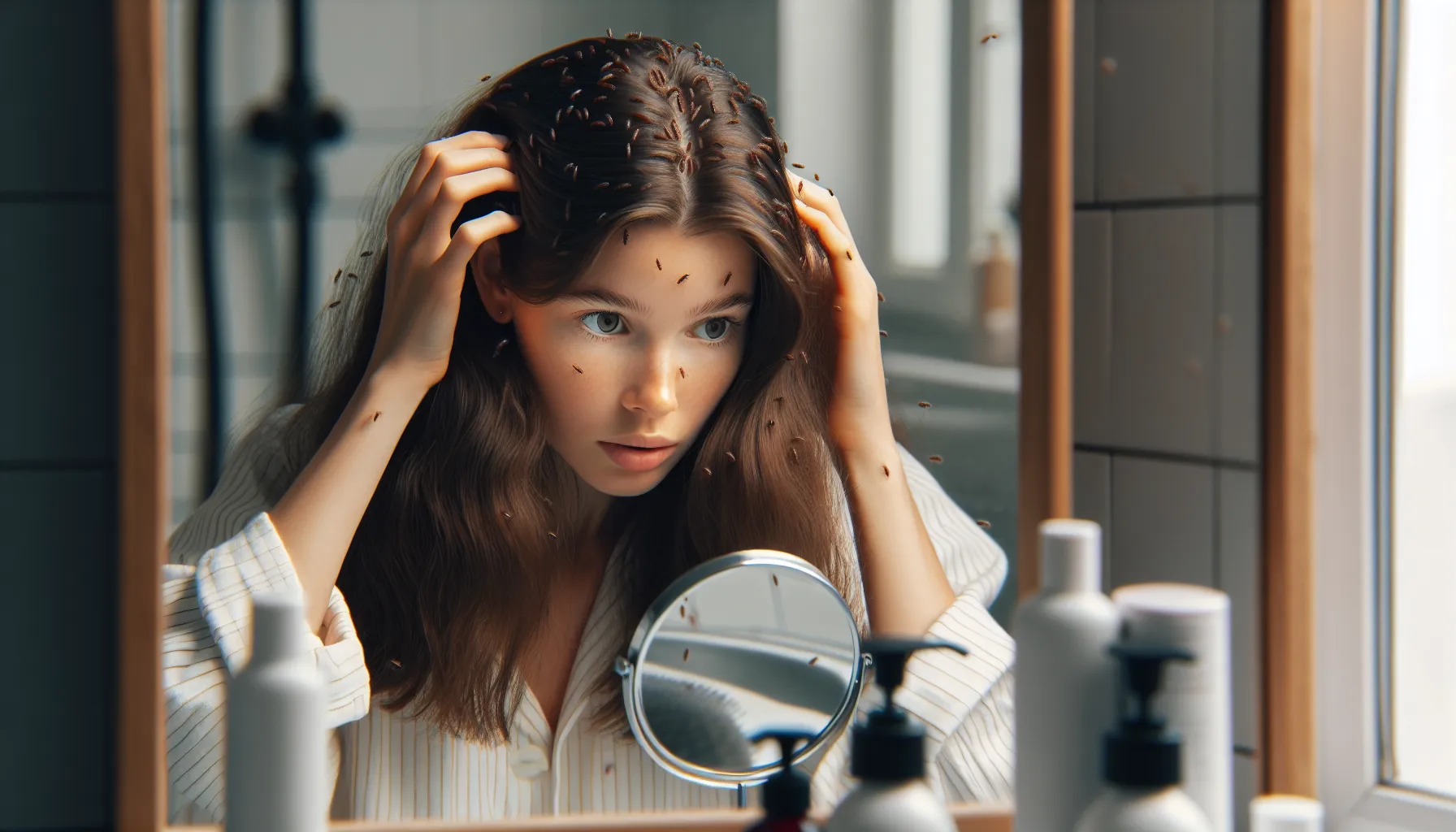
When we find ourselves scratching our heads, it’s easy to jump to conclusions. Are those pesky little flakes just harmless dandruff, or is it something more concerning like nits? It’s a common dilemma that stirs curiosity and concern. Diving into this nuanced territory requires more than just a casual glance: it calls for a closer look at these two irritating invaders. The presence of either can prompt questions about treatment, hygiene, and even social interactions. Here, we will peel back the layers of understanding to help us distinguish between nits and dandruff, offering clarity in what can often be a confusing scenario.
Understanding Nits and Dandruff
What Are Nits?
Nits are the eggs of head lice, tiny parasites that can invade our scalps. They are often yellowish or white and attach themselves firmly to individual hair strands, which can make them tricky to spot. Nits typically measure about the size of a pinhead and are most commonly found near the scalp, especially behind the ears and at the nape of the neck. Regularly inspecting our hair, especially after a close encounter with an infected individual, can help identify them sooner than later.
What Is Dandruff?
Dandruff, in contrast, is primarily a scalp condition characterized by the shedding of dead skin cells. This shedding can manifest as white flakes that might fall from our scalps onto our shoulders. Unlike nits, dandruff can vary in appearance and is often accompanied by itching and irritation. Understanding the root causes of dandruff can help us manage it effectively and confidently, including factors like dry skin, sensitivity to hair products, and even the presence of fungi.
Key Differences Between Nits and Dandruff
Appearance and Texture
When we look closely at nits, they appear like tiny, oval-shaped dots attached to hair shafts, shimmering slightly in the light. Dandruff flakes, but, are larger, flakier, and do not adhere to the hair: instead, they fall away easily. This key difference can help us distinguish between the two during our self-examinations.
Location on the Scalp
Nits are predominantly found near the scalp, often within a half inch from the hair roots, whereas dandruff flakes can be spread throughout the scalp and even on our clothing. This geographical difference is a critical factor in discerning the two conditions when we perform our inspections.
Response to Treatment
Another distinction lies in their response to treatment. Nits require specific anti-lice shampoos or treatments to eliminate them effectively. On the other hand, dandruff can often be managed with over-the-counter anti-dandruff shampoos containing active ingredients like zinc pyrithione or ketoconazole. Monitoring how each condition responds to treatments can provide us another clue.
Symptoms Associated With Each Condition
Identifying Nits: Signs and Symptoms
Alongside visible signs, the presence of nits may come with symptoms like constant itching or discomfort, arising from the irritation caused by adult lice feeding on our blood. The itching usually intensifies, leading to potential secondary infections if scratching is excessive.
Identifying Dandruff: Signs and Symptoms
Dandruff is often marked by dry skin, an itchy scalp, and redness or swelling. An oily scalp accompanied by white or yellowish flakes may also hint that we are dealing with dandruff, especially during dryer climates or seasonal changes.
When to Seek Professional Help
Self-Diagnosis Tips
Before we rush to seek professional help, we can perform some self-diagnosis. Taking a closer look at the flakes using a magnifying glass may help clarify their nature. Also, checking for accompanying symptoms such as itching or visible lice can aid in our assessment.
Consultation with a Dermatologist
If we find our efforts at home insufficient or if symptoms persist, it may be time to consult a dermatologist. They can provide accurate diagnoses and tailored treatment options. Also, they can offer invaluable advice on how to care for our scalp health in the long term.
Treatment Options for Nits and Dandruff
Home Remedies for Nits
A variety of home remedies might help in treating nits, such as applying vinegar to suffocate lice or using tea tree oil for its purported lice-repelling properties. But, these may not always be effective, and persistence is key when tackling these unwelcome guests.
Over-the-Counter Treatments for Dandruff
For combating dandruff, we can rely on several over-the-counter solutions, such as anti-dandruff shampoos packed with ingredients like salicylic acid or coal tar. Regular use can help keep flakes at bay while replenishing moisture to our scalps.
Preventive Measures
Preventing Nits
To prevent nits, we should encourage good hygiene practices, like avoiding sharing hair accessories or hats. Regular head checks can also help catch potential infestations early.
Preventing Dandruff
When it comes to dandruff, maintaining a moisturized scalp through proper hydration and sometimes using medicated shampoos can be crucial. Minimizing stress and maintaining overall scalp health will serve as our best defense against dandruff.
Conclusion
To conclude, distinguishing between nits and dandruff is not just an exercise: it’s essential for our comfort and health. By understanding their characteristics and treatments, we can effectively address these conditions. So let’s take proactive measures in maintaining our scalp health, ensuring that we feel good and confident every day. When in doubt, don’t hesitate to turn to a professional for support. Let’s keep scratching to a minimum.
Published: February 19, 2026 at 11:43 am by Ellie B, Site owner & Publisher
To provide the best experiences, we use technologies like cookies to store and/or access device information. Consenting to these technologies will allow us to process data such as browsing behaviour or unique IDs on this site. Not consenting or withdrawing consent, may adversely affect certain features and functions.
Functional
Always active
The technical storage or access is strictly necessary for the legitimate purpose of enabling the use of a specific service explicitly requested by the subscriber or user, or for the sole purpose of carrying out the transmission of a communication over an electronic communications network.
Preferences
The technical storage or access is necessary for the legitimate purpose of storing preferences that are not requested by the subscriber or user.
Statistics
The technical storage or access that is used exclusively for statistical purposes.The technical storage or access that is used exclusively for anonymous statistical purposes. Without a subpoena, voluntary compliance on the part of your Internet Service Provider, or additional records from a third party, information stored or retrieved for this purpose alone cannot usually be used to identify you.
Marketing
The technical storage or access is required to create user profiles to send advertising, or to track the user on a website or across several websites for similar marketing purposes.