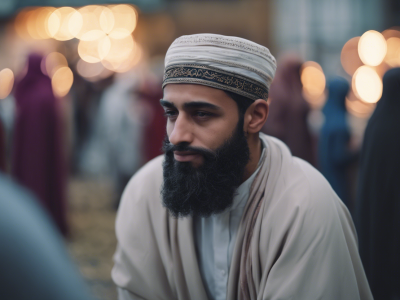
Ever wondered about the nuances between Umrah and Hajj? These two Islamic pilgrimages, while similar in purpose, hold distinct differences that are often overlooked. In this text, you’ll unravel these fascinating distinctions.
Understanding Umrah and Hajj: Basic Definitions
Delving deeper into the subject, let’s dissect the definitions of both these Islamic rituals.
The Meaning of Umrah
Umrah, in Islam, denotes a pilgrimage to Mecca that can be undertaken at any time throughout the year. Unlike Hajj – its more prominent counterpart – there aren’t fixed dates for performing an Umrah. It’s often referred to as ‘minor’ or ‘lesser’ pilgrimage due to its less stringent rules and obligations compared with those associated with Hajj. But, this doesn’t undermine its significance within Muslim practices; it remains a highly recommended act carrying substantial spiritual rewards.
To perform an Umrah involves four essential rites: wearing Ihram (a state of sacred purity), Tawaf (circumambulating around Kaaba seven times), Sa’i (walking between Safa and Marwah hills seven times) followed by Halq/Taqseer which is cutting or shaving off hair symbolizing completion of ritual duties.
The Meaning of Hajj
Hajj serves as one among five pillars upholding Islam – meaning it’s compulsory for every physically capable adult Muslim who has financial ability to undertake this journey once during their lifetime. Unlike umrah performed anytime round-the-year, hajji takes place from 8th till 12th Dhu al-Hijjah which happens last month according lunar calendar utilized by Muslims worldwide.
This major pilgrimage requires participants complete series tasks spanning over multiple days including donning ihram entering Makkah; engaging tawaf ka’bah before embarking on sa’y safā marwah mountains; heading plains Arafat staying overnight culminating standing Wuquf next day marking pinnacle hajji experience then moving onto Muzdalifah gathering pebbles symbolic stoning devil proceeding mina three-day rite where stone Jamrat sacrifices made commemorating prophet Ibrahim’s willingness sacrifice son Ismail. Finally, farewell tawaf performed marking end Hajj pilgrimage.
The Main Differences Between Umrah and Hajj
Exploring the differences between these two significant Islamic pilgrimages, we’ll investigate into specifics of their timing and rituals.
Differences in Timing
Umrah stands out as it’s not bound by a specific time frame. You can undertake this pilgrimage any day throughout the year. Conversely, Hajj has precise dates tied to it – from 8th to 12th Dhu al-Hijjah on an annual basis. Remember, if you’re planning for either of them!
Pilgrimage
Time Frame
Umrah
Anytime during the year
Hajj
8th-12th Dhu al-Hijjah
Differences in Rituals
Diving into rituals provides another perspective on how distinct Umrah is from Hajj. For instance, while both involve wearing Ihram and performing Tawaf (circumambulating Kaaba) followed by Sa’i (running or walking seven times between hills), they diverge beyond these common points.
Plus to above steps, Halq/Taqseer – cutting or shaving hair becomes part of your ritual journey when undertaking Umrah.
On contrary path with respect to additional rituals lies Hajj where Wuquf at Arafat , stoning ‘the devil’ symbolically represented through Jamaraat pillars , along with animal sacrifices make up integral parts post initial similar stages like those performed in umra.
Remember every step holds immense significance echoing belief system deep-rooted within Islam tradition .
Here are some key details about different aspects:
Ritual Aspect
Ritual Steps
Common In Both:
Wearing Ihram
Tawaf
Sa’i
Pilgrimage Type
Additional Ritual Steps
Umrah
Halq/Taqseer (Cutting or Shaving Hair)
Hajj
Wuquf at Arafat
Stoning of the Devil
Animal Sacrifice
Each pilgrimage offers a unique spiritual journey, yet both remain deeply intertwined with Islamic faith. So whether you choose Umrah’s flexible timing and simpler rituals, or Hajj’s specific dates and complex practices, your commitment to these sacred rites strengthens your bond with Islam.
Detailed Look at Umrah: The Lesser Pilgrimage
Let’s investigate into the details of Umrah, a lesser pilgrimage that you can undertake any time during the year. It’s a journey steeped in spiritual significance and holds immense rewards for believers.
The Rituals of Umrah Explained
Umrah involves several rituals, each carrying its own symbolic value within Islam. Here are some key practices:
Ihram: This refers to entering a state of sanctity where certain permissible things become prohibited – it starts from Miqat (a station before Mecca). For example, men dress in two white sheets while women wear ordinary clothes but cover their hair.
Tawaf: Upon reaching Kaaba (the holy cube-shaped building), pilgrims perform Tawaf by circumambulating seven times counterclockwise around it.
Sa’i: After completing Tawaf, Sa’i is performed which consists walking back and forth between Safa and Marwah hills located inside Masjid Al-Haram mosque – done seven times as well.
These three steps form the crux of an individual’s umrah rites.
Importance and Rewards of Umrah
Performing an umrah isn’t just about following religious customs; there’s more to this practice than meets the eye! According to Hadith literature sourced from Sahih Bukhari 1521 – Vol 4 Book 25 Hadith No:26 , “The reward for an accepted Hajj is nothing less than paradise.” And though no explicit numerical benefit has been assigned with performing umrāh in Islamic texts like Quran or Sunnah yet being derived directly from Prophet Muhammad(PBUH)’s life actions & teachings makes even small deeds carry heavy weightage on scale & hereafter!
So remember not only does participating earn blessings galore but also serves purification purpose cleansing past sins hence elevating status.
Detailed Look at Hajj: The Greater Pilgrimage
Hajj, known as the ‘greater’ pilgrimage in Islam, holds a distinct set of rituals and significance. This section elucidates these aspects.
Hajj Rituals in Detail
Embarking on Hajj includes performing numerous rites over five days from 8th to 12th Dhu al-Hijjah – each with its unique symbolism within Islamic tradition.
Ihram: Commencing this spiritual journey starts with entering into Ihram—a state of sanctity that involves wearing simple white garments (for men) and abstaining from certain actions like cutting hair or nails.
Tawaf: Upon reaching Mecca’s Grand Mosque, pilgrims perform Tawaf—seven rounds around Kaaba counterclockwise while reciting prayers.
Sa’i between Safa & Marwah hills: Next is Sa’i – walking seven times back-and-forth between two small hills close to Kaaba called Safa and Marwah.
Day at Arafat (Wuquf): On the ninth day—the Day of Arafat—pilgrims gather for Wuquf where they spend an afternoon near Mount Mercy praying till sunset—an act symbolic of standing before God on Judgment Day.
Stoning Devil Rituals: Following this solemn event comes three-day ritual casting stones symbolically at Satan’s three pillars representing his temptations; it commemorates Prophet Abraham rejecting Satan’s attempts to dissuade him from following Allah’s commands
Finally,Animal Sacrifice, another nod towards Abrahamic narrative wherein he willingly agreed sacrificing his son upon Divine command but was replaced by sheep last moment indicating obedience toward divine will takes place during Eid Al Adha festival coinciding hajj proceedings.
Importance and Significance of Hajj
Intrinsic part Islamic faith, Hajj stands as fifth pillar Islam and is obligatory for all financially able Muslims. It’s not just an act of devotion but also represents unity among believers, regardless their race or social status. On a spiritual level, completing hajj purifies soul from sins leading to a fresh start – concept known in Islamic tradition as “rebirth”. According Quran 3:97 it’s incumbent upon people to perform this pilgrimage if they possess means; hence reflecting its significance within religion.
During these intense five days participating pilgrims experience emotions ranging humility gratitude while deepening their faith through these symbolic rituals directly tracing back events associated with Prophet Abraham – central figure both historical religious narratives tied closely monotheistic religions including Islam.
While Umrah can be performed anytime throughout year offering similar yet smaller scale rituals providing ample rewards, the magnificence of Hajj lies in its annual occurrence involving complex rites amplifying spiritual benefits fostering global Muslim brotherhood thereby reinforcing unique sense belonging towards Ummah—the worldwide community Muslims.
Common Elements in Umrah and Hajj
As you navigate through the details of these Islamic pilgrimages, it’s important to note that while different in some aspects, both Umrah and Hajj share several rituals and spiritual elements.
Shared Rituals Between Hajj and Umrah
A critical aspect common to both is the act of Ihram. You enter a state of sanctity by donning white seamless garments for men or modest clothing for women before embarking on either journey. This process signifies purity as well as equality among all Muslims regardless of social status.
Another shared ritual involves Tawaf; seven rounds around Kaaba located at Masjid al-Haram mosque in Mecca are performed during both pilgrimages. It represents devotion towards God while also tracing back its roots to Prophet Ibrahim’s (Abraham) time.
Also, Sa’i is another key element where walking between Safa-Marwah hills seven times takes place symbolizing Hajar’s desperate search for water when left alone with her son Ismail by Prophet Ibrahim upon Allah’s command.
The overall performance sequence might differ slightly between the two but essentially they entail similar steps aiming towards self-purification & renewal.
The Spiritual Significance of Both Pilgrimages
Hajj carries an inherent sense of community building being one amongst millions fulfilling their religious duty during specific days annually uniting Muslims globally even though diverse backgrounds sharing this unique bond underpinning unity within Ummah -Muslim Community-. On top hand sits its mandatory nature acting out as 5th pillar Islam so holds immense significance spiritually morally alike directly affecting believer’s afterlife according worldly deeds committed here along submission divine will purifying soul completely showing humbleness toward creator testifies his eternal greatness unquestioned obedience displayed throughout carrying core message monotheism behind entire concept pilgrimage itself “There no god but Allah” translating into everyday actions thought processes collectively working together making world better place fostering peace love.
In contrast, Umrah though not compulsory can be performed anytime throughout the year giving flexibility to Muslims around the world. It holds immense spiritual benefits including forgiveness for past sins and offering an opportunity of renewal in faith.
Whether it’s Hajj or Umrah you’re undertaking, both carry a profound impact on your personal spiritual journey strengthening bond with Allah displaying ultimate submission towards his commands serving as constant reminder purpose existence universe achieving nearness him so becoming better Muslim leading balanced peaceful life fulfilling worldly religious obligations harmoniously interweaving them seamlessly into daily routines making way all-inclusive approach Islam that caters individual collective needs alike providing practical solutions various aspects human life enabling true realization peace contentment hereafter.
Practical Considerations: Preparing for Umrah and Hajj
Having discussed the spiritual significance of both pilgrimages, let’s investigate into some practical considerations you must take into account while preparing for these journeys. Remember, preparation isn’t only physical; it’s equally mental and spiritual.
Necessary Preparations for Umrah
Umrah calls upon its observers to prepare extensively before embarking on this journey. Firstly, purify your intention (Niyyah) as purity in intent forms the foundation of any religious act in Islam. Secondly, procure a valid visa from an authorized travel agency that provides services specifically catering to those intending to perform Umrah.
Also:
Plan your itinerary wisely.
For instance: Ensure accommodation near Masjid al-Haram or Prophet’s Mosque is arranged before arrival.
Financially equip yourself
Example: Carry sufficient money not just for basic necessities but also potential emergency situations.
Finally but importantly,
Educate yourself about rituals
For example – Understand steps involved such as Ihram state entry followed by Tawaf around Kaaba etc.
Necessary Preparations for Hajj
Like with performing Umrah preparations mentioned above, beginning preparations early aids smooth execution during Hajj too. Similar requirements apply – acquiring a legitimate visa through accredited agencies offering specific hajj packages being primary among them besides financial preparedness and comprehensive understanding of rites involved including Wuquf at Arafat plain and Rami al-Jamarāt where symbolic stoning ritual happens are crucial aspects demanding attention pre-hajj undertaking.
Besides,
Health Check-up
Example – It’s advisable getting medical check-ups done ensuring you’re physically fit enough handling arduous tasks associated with pilgrimage activities like long walks amongst others,
Remember though –
Despite well-drafted plans sometimes unforeseen events occur potentially disrupting schedules causing inconvenience so staying mentally ready facing challenges helps keep up spirits enhancing overall experience making journey fruitful.
Conclusion
Understanding the distinction between Umrah and Hajj isn’t just about knowing their rituals. It’s more of comprehending the profound spiritual significance each holds in Islam. While both are acts of worship demonstrating purity, equality, and devotion to God, they differ with respect to their purpose – one being obligatory uniting global Muslim brotherhood (Hajj) while the other is voluntary focusing on forgiveness and spiritual renewal (Umrah).
To fully experience these enriching journeys you must prepare well ahead mentally physically as well as spiritually besides securing valid visas planning accommodations ensuring financial readiness etcetera. By doing so not only will your pilgrimage become an unforgettable memory but also a journey that strengthens your faith deepens spirituality enhances sense of unity among fellow Muslims eventually leading towards fruitful life hereafter.
To provide the best experiences, we use technologies like cookies to store and/or access device information. Consenting to these technologies will allow us to process data such as browsing behaviour or unique IDs on this site. Not consenting or withdrawing consent, may adversely affect certain features and functions.
Functional
Always active
The technical storage or access is strictly necessary for the legitimate purpose of enabling the use of a specific service explicitly requested by the subscriber or user, or for the sole purpose of carrying out the transmission of a communication over an electronic communications network.
Preferences
The technical storage or access is necessary for the legitimate purpose of storing preferences that are not requested by the subscriber or user.
Statistics
The technical storage or access that is used exclusively for statistical purposes.The technical storage or access that is used exclusively for anonymous statistical purposes. Without a subpoena, voluntary compliance on the part of your Internet Service Provider, or additional records from a third party, information stored or retrieved for this purpose alone cannot usually be used to identify you.
Marketing
The technical storage or access is required to create user profiles to send advertising, or to track the user on a website or across several websites for similar marketing purposes.