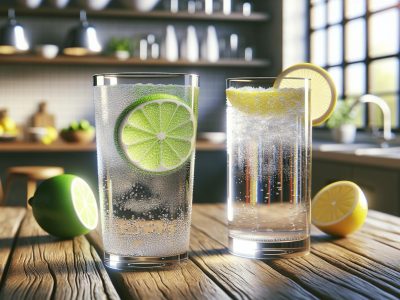
Picture yourself reaching for a chilled, fizzy drink on a sweltering afternoon. The glass sweats in your hand, bubbles race to the surface, and you wonder—does it really matter if it’s seltzer or club soda? The crisp snap of carbonation promises refreshment, but beneath those sparkling layers lies a world of subtle differences waiting to be explored.
You might be surprised to learn that your choice can do more than just quench your thirst. Whether you’re mixing the perfect cocktail or searching for a healthier soda alternative, understanding the distinction could elevate your experience in ways you never expected. Let’s jump into the effervescent world of seltzer and club soda and discover what truly sets them apart.
What Are Seltzer and Club Soda?
You probably grab seltzer or club soda from the shelf without a second thought, but what really makes these bubbly drinks so different? Seltzer carries just two ingredients: water and carbon dioxide. This simplicity gives it a neutral taste—think of the flavor as blank canvas, the perfect stage for fruit, mint, or anything you want to toss in your glass. Seltzer bubbles sometimes fizzle quick, especially as it warms, and the mouthfeel stays crisp but soft.
Club soda, on the other hand, offers a richer story. Chemists add minerals—sodium bicarbonate, potassium sulfate, and sometimes sodium chloride—making club soda taste slightly salty or minerally. These flavors hold up in strong cocktails like gin and tonic or whiskey highball, because the minerals don’t vanish behind spirits, they linger. Club soda’s bubbles seem to last longer due to these dissolved solids, keeping your drink lively in any glass, all night.
Picture this: You’re mixing a homemade lemonade. Toss in seltzer, and the lemon sings. Add club soda, and the taste shifts—complex and savory, almost as if the sun just set on a summer patio and someone handed you a glass made by an expert. Why does club soda enhance bold mixers, while seltzer shines solo or with delicate ingredients? The dissolved minerals in club soda react with acids, so the taste profile builds instead of fading.
Curious which one matches your style? Ask yourself what you want in a drink—pure fizz or layered flavor? Carbonation levels in both sometimes vary by brand, but club soda typically gives more robust bubbles due to its chemistry. FDA labeling 21 CFR 165.110 distinguishes the two by their composition and processing, setting a legal difference between seltzer and club soda.
Next time you stare down those bottles in the store, think about what your thirst is really after: a quiet companion or an assertive star?
Key Ingredients and Composition
Seltzer and club soda might create the same lively fizz in your glass, but their differences run deeper than bubbles. Each carbonated drink uses distinct ingredients, which shape both their flavor profiles and their versatility in mixers.
Seltzer Water
Seltzer water contains just purified water and carbon dioxide. No minerals or additives are part of this formula—only two base elements interact, producing a neutral taste and a brisk, clean sparkle. You’ll often see seltzer used as the foundation for flavored sparkling waters; popular brands like LaCroix and Polar offer varieties with no sweeteners, sugars, or calories. The FDA classifies seltzer simply as carbonated water, with no mandatory mineral content (FDA CFR 165.110).
You could ask: Why doesn’t seltzer taste salty or minerally? It’s because this water doesn’t pick up anything extra along its journey to bottling—no sodium, no potassium, nothing but fizz and water. Home soda makers like SodaStream operate by the same rule, carbonating ordinary tap water without any extra minerals.
If you’re mixing drinks with delicate fruit or herbal flavors—think citrus spritzers or cucumber-lime tonics—seltzer’s blank palate lets those notes shine. You can use it as a DIY soda base or in mocktails where every ingredient take center stage.
Club Soda
Club soda introduces a different experience by combining carbonated water with dissolved minerals. The ingredient list often includes sodium bicarbonate, sodium chloride, or potassium sulfate—each added for their ability to balance acidity and add subtle flavor (National Institutes of Health, U.S. Department of Agriculture database).
What does this mean for flavor? Club soda brings a lightly alkaline, sometimes salty or “minerally” taste. It’s like watching a performance with a supporting actor: the minerals interact with citrus or strong spirits, rounding out sharper cocktail notes and producing a richer mouthfeel. Bartenders regularly reach for club soda in classics like whiskey highballs or mojitos because its taste complements the liquor without overpowering it.
Bubbles in club soda are usually a bit more assertive—mineral ions stabilize carbonation, so the fizz lingers longer in your mouth compared to seltzer. For example, Canada Dry and Schweppes use proprietary mixes of minerals to maintain consistency and signature flavor across different markets.
If you ever wonder why a bartender prefers club soda for certain cocktails, it’s because those added minerals subtly elevate the experience, balancing bitterness or bright acidity with a touch of savory depth. This nuanced base sets club soda apart for robust mixed drinks and culinary applications where flavor layering matters.
Taste and Flavor Differences
Taste lines draw sharper than you’d think, splitting seltzer and club soda into experiences as different as a secret and a shout. You’ll sip seltzer and maybe feel you’re drinking cloud-mist—soft fizz, and nothing but neutral water brushing over your tongue. Try squeezing a lime wedge or tossing in berries, and seltzer gives their flavors space to dance alone and unbothered. That’s why, when TikTok influencers rave about “spa water” or DIY mocktails, they’re often using seltzer as their blank-paged canvas (Bon Appétit, 2022).
Club soda, by contrast, brings mineral company along for the ride. Sodium bicarbonate, potassium sulfate, and sometimes even sodium chloride, those all hitch a ride in every bottle. Bartenders—think Death & Co. or your favorite local speakeasy—reach for club soda when they want to amplify bold spirits or bitters. For example, a whiskey highball or a classic Tom Collins both often use club soda, and the drink walks out tasting a bit more assertive, a mineral backbone supporting citrus and botanicals.
Would it surprise you that some people dislike club soda’s “salty bite”? Many in the sparkling-water Reddit threads say it reminds them of coastal wind on a cold day, invigorating, sometimes a little too brisk. Seltzer drinkers, on the other hand, describe the beverage as “crisp” or “clean”—barely-there fizz that disappears like a magician’s coin trick.
This minerality does more than flavor—it changes texture. Club soda’s bubbles cling to the glass and your tongue, sticking around longer—according to a 2021 Journal of Food Science study—because trace minerals stabilize carbonation. So, a gin fizz with club soda stays frothy long after seltzer would have flattened out.
Which do you like best—a drink that disappears, letting mixers take center stage, or a partner that shapes the taste and extends the fizz? Picture offering guests a choice: will you serve a vodka cranberry so bright it sparkles alone thanks to seltzer, or will you let club soda’s minerality take a bold Negroni further, giving it a longer, richer finish? These subtle differences change not just your cocktail, but the memory you create with each sip.
Common Uses and Mixology Applications
Ordering a drink, you might spot seltzer and club soda sitting side by side behind the bar, but their roles in mixology diverge with nuanced precision. Seltzer acts like a blank notepad—just water, carbonation, endless possibility. Club soda, meanwhile, wears a badge of minerality, adding subtle complexity with every fizzing pop.
Mixologists choose seltzer when they’re mixing cocktails that center on fresh, vibrant flavors. Moscow Mule recipes, for example, thrive on seltzer’s pure sparkle—a Lime Rickey sparkles brighter, too, when fizz isn’t weighed down by sodium (Difford’s Guide, 2023). You wanna let muddled mint or rich berry syrups sing in mocktails? Seltzer steps in, amplifying fruit and herbal notes without a twist of salt. Ever tried a fresh strawberry smash with club soda? The fruit’s nuance might get lost in the minerally undertone.
On the flip side, club soda brings backbone to bold cocktails. Classic highballs—think Scotch and Soda or a Paloma—rely on the tingling minerality for depth. It boosts the citrus in a Tom Collins, makes whiskey stand up in a spirited highball, and even helps a splash of Campari catch the light, flavor-wise. Bartenders tell stories about regulars who swear by club soda, claiming, “It keeps the fizz alive longer.” Generally, those fat, robust bubbles resist collapsing in heavy drinks. So, why do home bartenders sometimes grab seltzer instead? Because unless you’re after that mineral kiss, the club soda sometimes add an odd edge to gentle flavors.
Ordering carbonated water for cooking? You’ll hit different notes, too. Seltzer in tempura batter keeps things ethereal, since there’s no salt to toughen the crumb. Club soda’s minerals, on the other hand, give texture to batters in deep-fried fish and chips, lending crunch with character; but, some bakers notice it slightly darken their bakes.
Ever wondered why some people make spritzers with club soda, but top their lemonade with seltzer? If you wanna taste your wine, not mask it, seltzer wins. If you’re mixing with bitter liqueurs—like Aperol or Campari—club soda’s palate-prickling minerals makes those bitters explode.
Here’s a question—do you ever notice your home cocktails fall flat faster than bar drinks? The answer, often, is bubble size. Club soda’s microbubbles live longer, clinging to glass and tongue alike, while seltzer’s evaporate. Might experimenting at your next gathering reveal your guests’ preferences?
Mixology’s world sits open every time you twist a cap. Next time, try shaking things up—pour seltzer for purity or splash in club soda for flavor brawn. Which will your next cocktail crave?
Health Considerations
Choosing between seltzer and club soda means more than picking bubbles—it’s about understanding their subtle impacts on your health and daily hydration routines. You ever wondered why some fizzy drinks leave your mouth feeling slick, while others seem sharper? That texture isn’t just for fun—club soda’s mineral salts (like sodium bicarbonate and potassium sulfate) might influence your sodium intake, especially if you sip multiple club sodas a day, according to the USDA’s National Nutrient Database.
Watching sodium matters, if your doctor’s mentioned high blood pressure or heart concerns. Picture making a Mojito with club soda instead of seltzer—not only does it add minerality to the drink, but also sneaks in extra milligrams of sodium per glass. The American Heart Association recommend keeping total daily sodium intake below 2,300 mg, but a can of club soda might contribute 30–75 mg per 12-ounce serving. Seltzer, by design, skips these additives—so you get a zero-sodium sparkle, ideal for those on strict low-salt diets.
You may remember your grandmother using club soda as a home remedy to calm an uneasy stomach. That anecdote reflects how bicarbonate-rich waters can offer temporary relief from indigestion, though most health professionals point out no scientific consensus exists supporting this use. Still, for some, the placebo fizz works wonders.
Honestly, both drinks are calorie-free, sugarless, and tooth-friendly (unless you’re sipping all day; tooth enamel can erode with prolonged acid exposure, according to the American Dental Association). But which tastes better after a workout—crisp, flavorless seltzer or minerally club soda that lingers? If you ask dietitians like Bonnie Taub-Dix, RD, many recommend alternating both simply to keep cravings for full-sugar sodas at bay.
Some sparkling beverages also sneak in artificial flavors or sweeteners for extra appeal, so check the ingredient list if you want avoid additives. The FDA require that seltzer labeled as such only contains purified water and carbon dioxide. In practice, flavored seltzers—with lemon, berry, or cucumber—often stay free from sodium or calories, as with market leaders like LaCroix or Spindrift.
Adding a fresh perspective: have you ever tried seltzer in a watermelon salad or club soda in pancake batter? Cooks sometimes use these fizzy waters for fluffier textures. A seltzer-based tempura batter yields a lighter crunch than the same recipe mixed with mineral-packed club soda, which can impart a slightly briny note—not everyone’s cup of tea, but certainly worth experimenting if you’re up for culinary adventure.
Curious which option hydrates better? Both hydrate equally well, according to clinical dietitian Jaclyn London, MS RD. The minerals in club soda do not dehydrate, as the concentrations are much lower than in salty sports drinks. So, next time you reach for a can, consider your health goals, flavor preference, and maybe—whether you’re in the mood for a mineral journey or a blank canvas for infusions.
Which Is Right for You?
Choosing between seltzer and club soda shapes every sip. Picture reaching for a drink on a sweltering afternoon—are you craving pure refreshment or do you want something with a savory twist? Seltzer, celebrated for it’s crisp neutrality, lets the tartness of a splash of grapefruit or the gentle sweetness of muddled berries take center stage. Club soda, meanwhile, with it’s mineral orchestra—think sodium bicarbonate and potassium sulfate—adds a subtle salinity that lifts bold cocktails like a seasoned chef dusts a stew with salt, turning a simple gin and tonic into a nuanced, lingering experience.
If you’ve ever wondered why some bartenders reach for club soda in a whiskey highball but favor seltzer in a mojito, the answer lies in the mixology grammar of flavor. Club soda’s assertive bubbles and minerally backbone hold up to smoky or herbal spirits, while seltzer’s soft fizz and neutrality complements the brightness of citrus or fresh herbs. Picture yourself at a friend’s summer party, glass in hand—do you want the spritz that’s all about your lime wedge’s zing (reach for seltzer), or the drink that ends with a savory finish (go with club soda)?
Health considerations play their own tune. If you track sodium, club soda’s salt content may surprises you—it contains around 75 mg sodium per 12 oz (CDC, 2022), while seltzer offers 0 mg. Nutritionists at the American Heart Association say individuals with hypertension frequently benefit from reducing sodium, making seltzer a strategic pick for those on low-sodium diets. Calorie and sugar content? Both drinks score zero. You won’t risk your sugar goals with either choice.
Think about culinary adventures. Chefs splash club soda into pancake batters for lightness (Serious Eats, 2023), while food stylists swear by seltzer for maximizing tempura’s delicate crunch. If you’re experimenting in the kitchen, try swapping these fizzy waters and notice the subtle, tangible difference in your results, both in taste and texture.
Ask yourself: Do you love a cleaner palate to showcase fresh mixers, or do you want a supporting cast of mineral notes in every bubble? Choosing between seltzer and club soda isn’t just about thirst—it’s a statement, a small act of creativity, and sometimes, the difference between ordinary and unforgettable.
Conclusion
When you’re reaching for a fizzy mixer or a refreshing non-alcoholic drink, knowing the subtle differences between seltzer and club soda can make all the difference. Your choice can elevate flavors, add texture, and even support your health goals.
Whether you prefer the crisp blank slate of seltzer or the mineral complexity of club soda, both options let you get creative in the kitchen and behind the bar. Try them in new recipes and see which one suits your taste and lifestyle best.
Published: July 25, 2025 at 9:17 am by Ellie B, Site owner & Publisher
To provide the best experiences, we use technologies like cookies to store and/or access device information. Consenting to these technologies will allow us to process data such as browsing behaviour or unique IDs on this site. Not consenting or withdrawing consent, may adversely affect certain features and functions.
Functional
Always active
The technical storage or access is strictly necessary for the legitimate purpose of enabling the use of a specific service explicitly requested by the subscriber or user, or for the sole purpose of carrying out the transmission of a communication over an electronic communications network.
Preferences
The technical storage or access is necessary for the legitimate purpose of storing preferences that are not requested by the subscriber or user.
Statistics
The technical storage or access that is used exclusively for statistical purposes.The technical storage or access that is used exclusively for anonymous statistical purposes. Without a subpoena, voluntary compliance on the part of your Internet Service Provider, or additional records from a third party, information stored or retrieved for this purpose alone cannot usually be used to identify you.
Marketing
The technical storage or access is required to create user profiles to send advertising, or to track the user on a website or across several websites for similar marketing purposes.