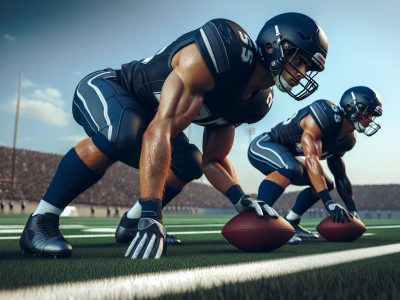
Imagine you’re at a nail-biting sports game, the crowd’s roar echoing around you. The tension is palpable as one team charges forward, every move calculated to outsmart their opponents. This is offense in action, where strategy and aggression take center stage. Now, picture the opposing team, steadfast and unyielding, anticipating every play to protect their territory. This is defense, the art of resilience and tactical precision.
The dance between offense and defense isn’t just a staple of sports; it permeates various aspects of life, from business strategies to personal interactions. Understanding the core differences between these two approaches can empower you to navigate challenges more effectively, whether you’re scoring goals on the field or negotiating in the boardroom. Immerse to uncover how mastering both offense and defense can give you an edge in any arena.
Understanding Offense and Defense
Got a sec? Let’s jump into the nitty-gritty of offense and defense. First things first, offense is all about taking the initiative. Think of it as the team that wants to make things happen. Offense involves creating opportunities, whether it’s scoring goals in sports or closing deals in business. Offense requires creativity and aggression, making it exciting and rapid.
On the flip side, defense is about protection. Teams and individuals play defense to prevent their opponents from succeeding. In sports, it means stopping the other team from scoring. In business, it can mean safeguarding your market share. Defense emphasizes stability, resilience, and tactical planning. While it may seem less thrilling than offense, defense plays a crucial role in any game or strategy.
Wondering why you should care? Well, balancing both offense and defense can help you navigate life’s challenges more effectively. Ever tried negotiating a raise? You probably used an offense by highlighting your achievements and a defense by countering potential objections. So next time you’re in a tight spot, remember it’s all about playing both sides.
Feeling curious yet? How do you see offense and defense playing roles in your daily life?
Key Characteristics of Offense
Understanding the essence of offense helps you excel in various competitive environments. Let’s jump into the core elements that define an offensive strategy.
Objectives and Strategies
Offense aims to take initiative and create opportunities. This approach involves proactive measures, whether in sports or business. For example, a soccer team’s objective might be to score goals by maintaining possession and applying constant pressure on the opponent’s defense. Similarly, a company’s strategy may involve launching marketing campaigns to capture market share from a competitor.
Aggressive actions, combined with strategic planning, form the backbone of an effective offensive approach. Offensive strategies often include:
High Tempo: Keeping momentum to overwhelm opponents.
Target Weak Points: Exploiting vulnerabilities in the opponent’s setup.
Diversified Tactics: Utilizing multiple approaches to keep opponents guessing.
By focusing on these aspects, you can increase your chances of success in offensive scenarios.
Skills and Techniques
Offensive skills and techniques are crucial for executing strategies effectively. In sports, these skills might include dribbling in soccer, shooting accuracy in basketball, or agility in football. In a business context, they might involve persuasive communication, innovative product development, or swift decision-making.
Key techniques frequently employed in offensive settings include:
Precision: Accurate execution of actions to maximize impact.
Agility: Quick adaptation to changing situations.
Coordination: Seamless teamwork to ensure collective success.
Mastering these skills enhances your ability to carry out offensive strategies proficiently.
Key Characteristics of Defense
Defense can be just as exciting as offense. You aren’t just sitting back waiting for the storm to pass; you’re strategically engaging with your opponents. It’s all about fending off attacks and pushing back with well-thought-out moves.
Objectives and Strategies
In defense, your main objective is to stop the other side from getting the upper hand. Whether it’s in a soccer match or a business deal, you aim to maintain stability and protect what’s yours. This often involves blocking or intercepting actions, creating strong barriers, and minimizing risks. Consider a basketball game: your strategy might include forming a tight zone defense, forcing turnovers, and controlling the tempo. In business, you could focus on safeguarding your market share by improving product quality and customer satisfaction.
Skills and Techniques
Defense requires a different set of skills compared to offense. You’ll need sharp awareness and quick reflexes. Think of a goalie in soccer; they’re scanning the field, predicting opponents’ moves, and swiftly reacting to shots on goal. In the business world, defensive techniques may include crisis management and cybersecurity measures. The ability to anticipate threats and adapt rapidly is crucial. You also need to collaborate effectively with your team, ensuring everyone is on the same page and works cohesively to thwart any offensive attempts.
What other defensive strategies have you noticed in daily life? Reflect on moments when being defensive wasn’t just about protection but also about clever counter-moves and strategic positioning.
Contextual Applications
Every situation, whether it’s a game or an office meeting, uses elements of offense and defense. Understanding where and how these apply keeps you in the know.
Sports
Sport offers clear examples of offense and defense. In football, the offense works to advance the ball and score points. Defensive lines, linebackers, and safeties coordinate to block, tackle, and intercept. It’s a constant battle – offense looking to break through and defense aiming to thwart their plans.
Any basketball fan sees this. The offense might dribble, pass, and shoot trying to outmaneuver the defense. Meanwhile, defenders guard, steal the ball, and block shots. It’s a dynamic mix – one side attacks, the other protects.
Military
Military strategy leans heavily on offense and defense. Offensive moves aim to gain territory or disrupt enemy operations. This might involve air strikes, ground attacks, or naval operations. The offense pushes forward to achieve tactical objectives.
Defense in military terms aims to protect assets, withstand enemy advances, and respond strategically. Fortifications, protective maneuvers, and intel analysis all form part of a defense plan. The balance between offense and defense might swing based on intel and situation.
Business
Business strategy often reflects these principles. A company on the offensive might launch new products or enter new markets. Marketing campaigns, aggressive pricing strategies, and innovation drive offense in business.
Defensive business strategies safeguard market position, protect intellectual property, and respond to competitors’ moves. Building strong brands and ensuring customer loyalty act as vital defensive maneuvers.
How you apply offensive and defensive tactics may well decide your success. Next time you’re strategizing,
think about which approach might work best for your situation. How do offense and defense play out in your industry or daily life?
Comparing Offense and Defense
Understanding the distinct roles of offense and defense enhances strategic thinking. They present unique strengths and weaknesses, each suited for different scenarios.
Strengths and Weaknesses
Offense boasts the advantage of initiative. It’s all about taking control, creating opportunities, and setting the pace. This proactive approach shines in scenarios demanding immediate action, like a soccer game where scoring goals quickly defines winners. But, offense can be taxing on resources and leaves gaps that opponents might exploit.
Defense, on the other hand, prioritizes stability and protection. It shines when the objective is to safeguard assets, manage risks, or fend off relentless attacks. Think about a goalkeeper in hockey; their job isn’t to score but to prevent scores. While defense is less resource-intensive, it’s reactive nature might limit the potential for unexpected achievements.
Curious how this plays out in business? Companies on offense might launch aggressive marketing campaigns, capturing market share rapidly. Conversely, those in defense may focus on improving product quality, preserving their existing customer base. Both strategies have merit, but they come with their own set of challenges and limitations.
When to Use Each
The choice between offense and defense depends on context. Offense is likely the best bet when you aim to capitalize on opportunities or lead in competitive situations. Picture a startup in a booming industry; rapid, innovative moves attract attention and investment.
But what if you’re already established? Defense might be the sound strategy. It helps maintain your position and mitigate risks. Think about a well-known brand protecting its market share against new competitors.
Ask yourself this: Are you aiming to grow or protect? Are you reacting to an existing threat, or are you creating a new path? These questions can guide whether an offensive or defensive strategy aligns better with your goals.
Eventually, mastering both offense and defense offers a balanced approach, vital for exploring the complexities of various battlefields, be it sports, business, or life itself.
Conclusion
Understanding the balance between offense and defense can greatly enhance your ability to navigate various challenges. Whether you’re aiming to seize new opportunities or protect your existing assets, mastering these strategies will give you a significant edge. Think about how you can incorporate both offensive and defensive tactics in your daily life, from business negotiations to personal interactions. By doing so, you’ll be better equipped to handle whatever comes your way, ensuring a more successful and well-rounded approach to any situation.
To provide the best experiences, we use technologies like cookies to store and/or access device information. Consenting to these technologies will allow us to process data such as browsing behaviour or unique IDs on this site. Not consenting or withdrawing consent, may adversely affect certain features and functions.
Functional
Always active
The technical storage or access is strictly necessary for the legitimate purpose of enabling the use of a specific service explicitly requested by the subscriber or user, or for the sole purpose of carrying out the transmission of a communication over an electronic communications network.
Preferences
The technical storage or access is necessary for the legitimate purpose of storing preferences that are not requested by the subscriber or user.
Statistics
The technical storage or access that is used exclusively for statistical purposes.The technical storage or access that is used exclusively for anonymous statistical purposes. Without a subpoena, voluntary compliance on the part of your Internet Service Provider, or additional records from a third party, information stored or retrieved for this purpose alone cannot usually be used to identify you.
Marketing
The technical storage or access is required to create user profiles to send advertising, or to track the user on a website or across several websites for similar marketing purposes.