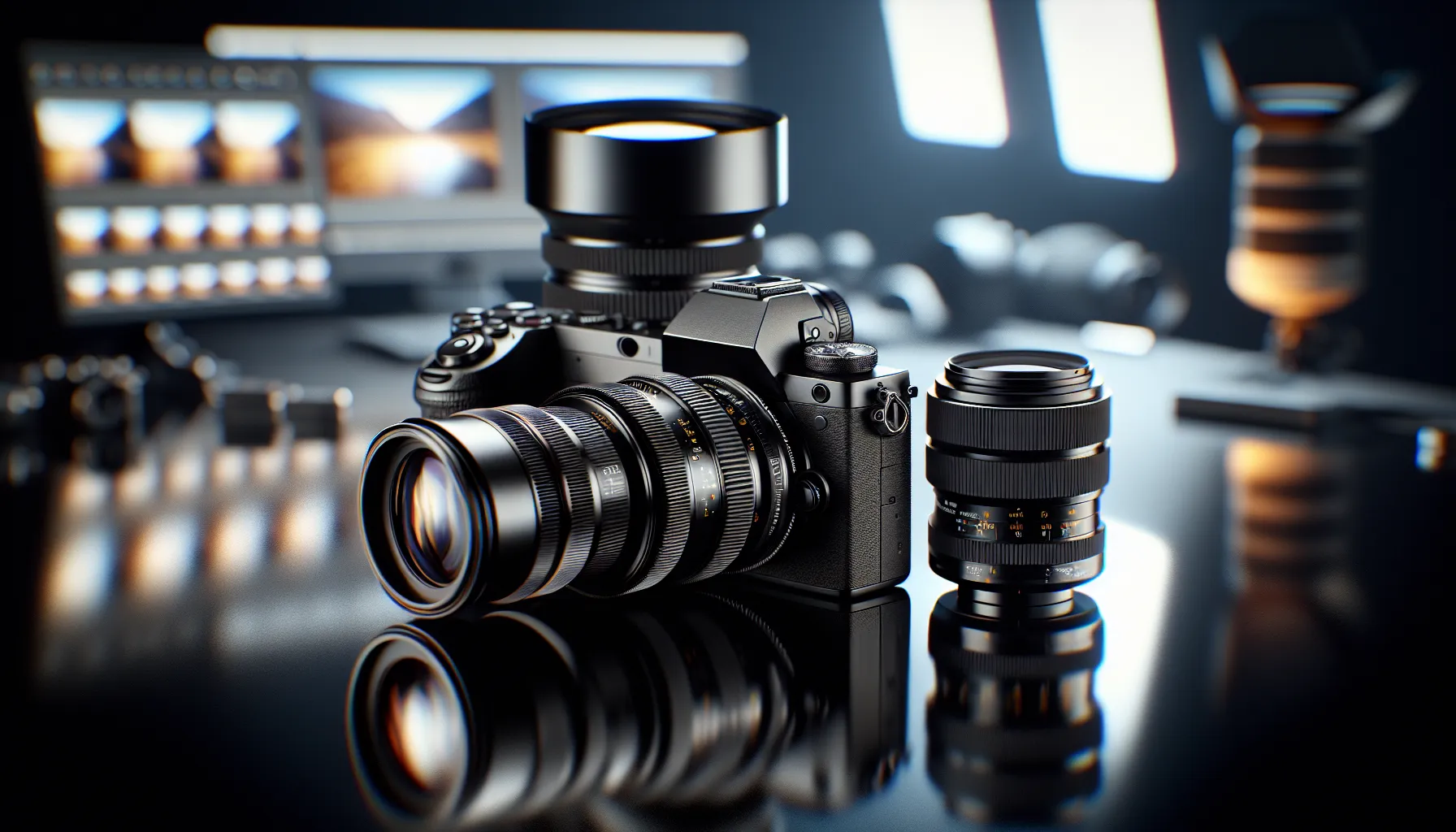
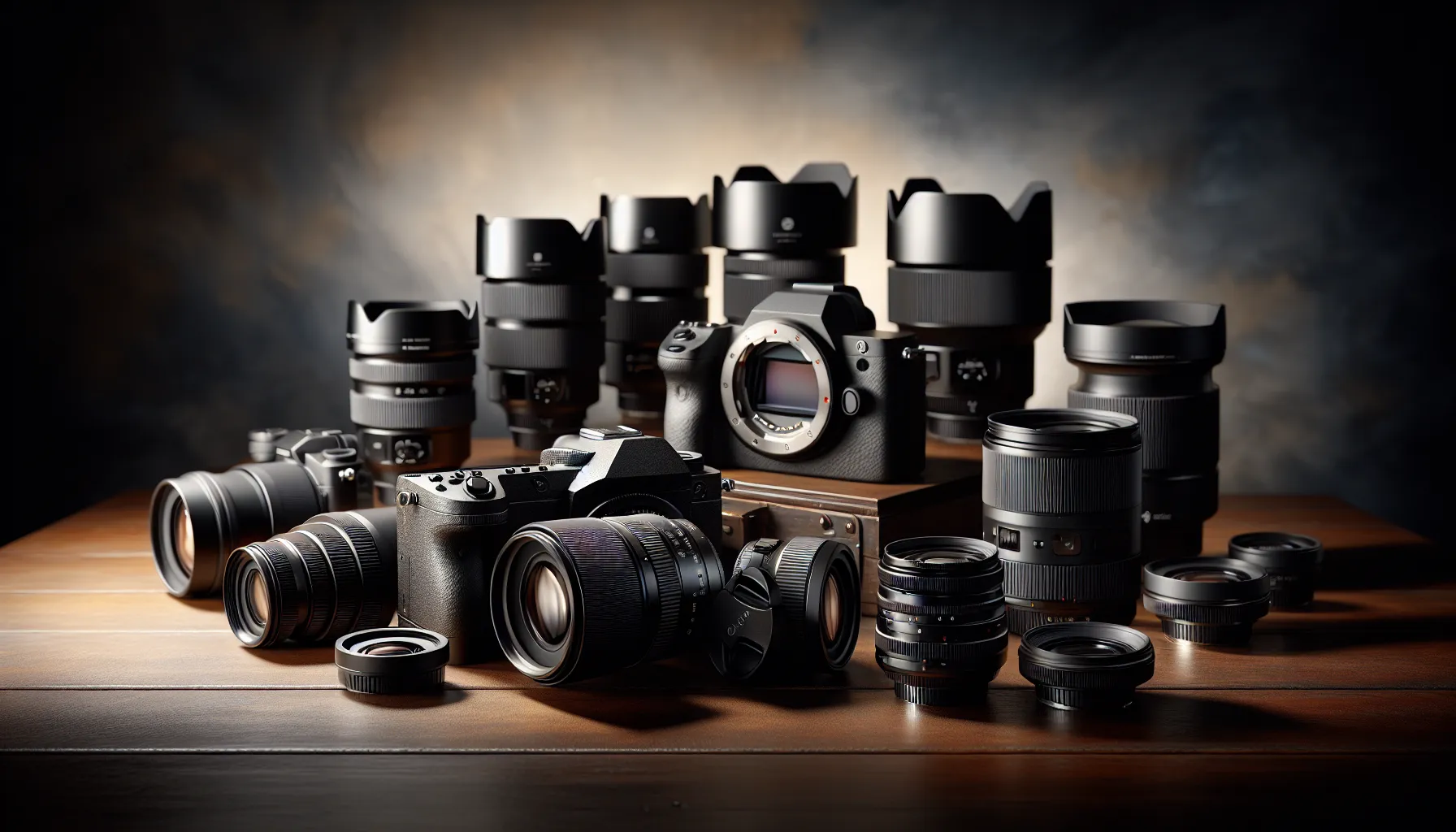
Photography has undergone a remarkable evolution over the last few decades, transforming from an analog discipline to one heavily defined by digital progress. Within this evolution, two dominant types of cameras have emerged: DSLR (Digital Single-Lens Reflex) and mirrorless cameras. As you discover the realm of photography, understanding the differences between these two types is essential to making an informed choice that aligns with your needs and preferences. Let’s investigate into the features, advantages, and applications of DSLR and mirrorless cameras to guide your decision-making process.
Overview of Camera Types
Historical Development of DSLR and Mirrorless Technologies
DSLR cameras have a rich history, originating from film-based SLRs and later adapting to incorporate digital sensors. In contrast, mirrorless cameras represent a more recent technological shift, designed to eliminate the mirror mechanism while focusing on compactness and innovation. Each type has carved its niche in the photography landscape, shaping how enthusiasts and professionals capture images.
Key Features of DSLR Cameras
Advantages and Limitations
DSLRs are renowned for their optical viewfinders, robust battery lives, and extensive lens ecosystems. But, their bulkier design and reliance on mechanical systems may deter some users from embracing them fully.
Popular Use Cases
DSLRs are commonly favored by professional photographers for their reliability during extended shoots and their capability to perform in diverse settings, from studio sessions to action-packed sports events.
Key Features of Mirrorless Cameras
Advantages and Limitations
Mirrorless cameras offer several innovations, including electronic viewfinders, faster autofocus systems, and slim designs. But, they often feature shorter battery life and limited lens options compared to DSLRs.
Popular Use Cases
Mirrorless cameras excel in travel photography due to their portability and are increasingly adopted in videography for their advanced video capabilities.
Comparative Analysis: DSLR vs. Mirrorless
Image Quality
Both camera types can deliver exceptional image quality, contingent on sensor size and technology. DSLRs traditionally led the market due to established sensor technologies, but mirrorless cameras now match or exceed them in some areas.
Portability and Build
Mirrorless models are generally more compact and lighter than DSLRs, making them ideal for travel enthusiasts.
Lens Availability and Compatibility
While DSLRs boast a comprehensive lens collection built over decades, mirrorless systems are rapidly expanding their offerings, with many lenses offering comparable or superior performance.
Battery Life
DSLRs often have longer battery lives due to their lack of power-draining electronic viewfinders. Nonetheless, battery life in mirrorless cameras is improving with recent advancements.
Price Point Trends
Pricing between the two formats varies across entry-level and professional models, with cost differences steadily narrowing as the market evolves.
Future Trends in Camera Technologies
Camera technologies continue to evolve, ushering advancements such as AI-assisted autofocus, improved sensor performance, and enhanced connectivity. These innovations suggest a robust, competitive future for both DSLR and mirrorless formats.
Which Camera Type Suits Your Needs?
Choosing the ideal camera type depends on your photography goals. If you prioritize robust build, longer battery life, and a versatile lens selection, DSLRs may appeal to you. Conversely, if portability, cutting-edge features, and innovation attract you, investing in a mirrorless camera could be the optimal choice.
To provide the best experiences, we use technologies like cookies to store and/or access device information. Consenting to these technologies will allow us to process data such as browsing behaviour or unique IDs on this site. Not consenting or withdrawing consent, may adversely affect certain features and functions.
Functional
Always active
The technical storage or access is strictly necessary for the legitimate purpose of enabling the use of a specific service explicitly requested by the subscriber or user, or for the sole purpose of carrying out the transmission of a communication over an electronic communications network.
Preferences
The technical storage or access is necessary for the legitimate purpose of storing preferences that are not requested by the subscriber or user.
Statistics
The technical storage or access that is used exclusively for statistical purposes.The technical storage or access that is used exclusively for anonymous statistical purposes. Without a subpoena, voluntary compliance on the part of your Internet Service Provider, or additional records from a third party, information stored or retrieved for this purpose alone cannot usually be used to identify you.
Marketing
The technical storage or access is required to create user profiles to send advertising, or to track the user on a website or across several websites for similar marketing purposes.