Picture yourself wandering through a vibrant spring garden, the air scented with fresh blooms. You catch sight of elegant yellow flowers swaying gently, but are they daffodils or jonquils? Understanding the subtle differences between these two beauties can transform your gardening game and elevate your floral arrangements. Imagine distinguishing their unique petal patterns and bulb structures, each adding its own charm to your space. Investigate into the fascinating traits that set daffodils and jonquils apart, and unlock the secrets to nurturing these springtime favorites with confidence. Let’s uncover the distinctive characteristics that make each flower uniquely captivating.
Overview of Daffodils and Jonquils
Daffodils and jonquils, both members of the Narcissus genus, feature vibrant blooms that herald the arrival of spring. Recognizing their differences enhances your gardening and floral arrangement choices.
Botanical Classification
Genus: Both daffodils and jonquils belong to the Narcissus genus within the Amaryllidaceae family.
Species: Daffodils are primarily classified as Narcissus pseudonarcissus, while jonquils are known as Narcissus jonquilla.
Flower Structure: Daffodils typically have a single central corona surrounded by six petals, whereas jonquils feature multiple small flowers per stem with narrower petals.
Bulb Type: Daffodil bulbs are generally larger and more robust, supporting solitary blooms. In contrast, jonquil bulbs are smaller and tend to cluster, allowing multiple blossoms.
Growth Habit: Daffodils usually reach heights of up to 20 inches, providing a taller presence in gardens. Jonquils maintain a more compact stature, growing up to 12 inches tall.
Origin: Daffodils originate from Europe and North Africa, thriving in temperate climates. Jonquils are native to the Iberian Peninsula and western Europe.
Cultural Significance: Daffodils symbolize renewal and rebirth, often associated with festivals like Easter. Jonquils have been valued for their beauty and fragrance in various cultural traditions.
Introduction to Cultivation: Daffodils gained popularity in Victorian gardens, while jonquils were favored for their scent in formal landscapes. Both have been cultivated for centuries.
Symbolism in Literature and Art: Daffodils inspired poets such as Wordsworth, and jonquils have been depicted in classical artworks, representing everlasting beauty.
Evolution of Cultivars: Over time, numerous varieties of daffodils and jonquils have been developed to enhance color diversity, bloom size, and disease resistance, increasing their appeal to gardeners and floral enthusiasts.
Physical Differences
Understanding the physical distinctions between daffodils and jonquils enhances your ability to select the right flower for your garden or floral arrangements.
Flower Structure
Daffodils (Narcissus pseudonarcissus) feature a single central corona, often resembling a trumpet, surrounded by six petal-like tepals. Each stem typically supports one bloom, which can grow up to six inches in height. In contrast, jonquils (Narcissus jonquilla) present multiple small flowers per stem, each with a slender, elongated corona. Their stems are adorned with clusters of blooms, usually ranging from three to eight flowers, creating a more compact and bushy appearance.
Color Variations
Daffodils boast a wide spectrum of colors, including vibrant yellows, whites, and subtle pinks. Some cultivars display bi-colored petals, adding depth and contrast to their appearance. Jonquils primarily showcase shades of yellow and white, often with a more uniform hue across the petals. The color intensity in jonquils tends to be consistent, while daffodils may exhibit variations within a single bloom, offering a more diverse palette.
Growing Conditions
To successfully cultivate daffodils and jonquils, understanding their specific growing conditions is essential.
Soil Preferences
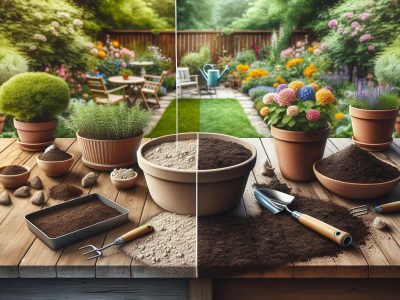
Both daffodils and jonquils thrive in well-drained soil with a pH between 6.0 and 7.0. Daffodils prefer loamy soil rich in organic matter, ensuring adequate drainage to prevent bulb rot. Jonquils, meanwhile, favor slightly sandy or gravelly soil, which facilitates their propagation and reduces moisture retention around their smaller, clustered bulbs.
Climate Requirements
These Narcissus species flourish in temperate climates with cool to mild winters and moderate spring temperatures. Daffodils exhibit greater hardiness, tolerating temperatures as low as -15°F (-26°C), making them suitable for a wider range of regions. Jonquils require a frost-free period during their growing season and may struggle in areas with extreme cold, so thriving best in regions with a stable, temperate climate.
Uses and Symbolism
Daffodils and jonquils serve various purposes in gardens and floral arrangements. You incorporate daffodils in spring landscapes to add vibrant yellow and white hues, enhancing curb appeal and garden aesthetics. Jonquils fit well in mixed flower beds, providing clusters of smaller blooms that create a lush, textured look.
In floral design, daffodils are popular in bouquets and as cut flowers due to their striking appearance and longevity. Jonquils, with their delicate clusters, are ideal for filling arrangements and adding depth. Both flowers are staples in Easter decorations, symbolizing renewal and the arrival of spring.
Symbolically, daffodils represent rebirth, new beginnings, and resilience. They often appear in literature and art as motifs of hope and renewal. Jonquils carry similar meanings but also signify respect and unrequited love. In various cultures, these flowers are used in celebrations and memorials, reflecting their deep-rooted significance.
Flower
Primary Symbolism
Common Uses
Daffodils
Rebirth, new beginnings
Garden landscapes, bouquets, Easter decorations
Jonquils
Respect, unrequited love
Mixed flower beds, floral arrangements, memorials
Understanding the distinct uses and symbolism of daffodils and jonquils helps you select the right flower for your specific needs, whether enhancing your garden or conveying meaningful messages through floral gifts.
Conclusion
You can transform your garden by selecting either daffodils or jonquils based on their unique qualities. Knowing their distinct features helps you make the best choices for your floral displays. Whether you’re drawn to the bold elegance of daffodils or the lush clusters of jonquils you can create a vibrant and harmonious spring world. Embrace their individual charm and enjoy the beauty they bring to your outdoor space each year.
Published: October 19, 2024 at 5:15 am by Ellie B, Site owner & Publisher
To provide the best experiences, we use technologies like cookies to store and/or access device information. Consenting to these technologies will allow us to process data such as browsing behaviour or unique IDs on this site. Not consenting or withdrawing consent, may adversely affect certain features and functions.
Functional
Always active
The technical storage or access is strictly necessary for the legitimate purpose of enabling the use of a specific service explicitly requested by the subscriber or user, or for the sole purpose of carrying out the transmission of a communication over an electronic communications network.
Preferences
The technical storage or access is necessary for the legitimate purpose of storing preferences that are not requested by the subscriber or user.
Statistics
The technical storage or access that is used exclusively for statistical purposes.The technical storage or access that is used exclusively for anonymous statistical purposes. Without a subpoena, voluntary compliance on the part of your Internet Service Provider, or additional records from a third party, information stored or retrieved for this purpose alone cannot usually be used to identify you.
Marketing
The technical storage or access is required to create user profiles to send advertising, or to track the user on a website or across several websites for similar marketing purposes.