Picture the aroma of freshly ground beans swirling through your kitchen as you cradle a warm mug in your hands. Is it the bold, no-nonsense intensity of coffee or the silky embrace of a latte that stirs your senses? The difference goes far beyond just milk or no milk—each cup tells a story of tradition, texture, and taste.
You might think choosing between coffee and latte is simple, but there’s a hidden world beneath that frothy surface. From the first sip, you’ll notice how one fuels your morning with pure vigor while the other wraps you in creamy comfort. But which one truly matches your mood, your needs, or even your health goals? Unlocking these secrets could transform your daily ritual into something extraordinary.
What Is Coffee?
Coffee reveals itself as a liquid story—an ancient drink brewed from roasted Coffea arabica or Coffea canephora (robusta) beans. Baristas grind, brew, then serve coffee in a thousand cafes worldwide, but what secrets the dark, bold liquid hold? You find yourself cradling a ceramic mug, the steam spiraling upward carrying notes of chocolate, nuts or citrus. It’s more than a morning ritual for most people—it’s a companion to conversation, reflection, or quick jolts of energy.
Every cup of coffee varies. Drip coffee, made by pouring hot water over grounds, delivers a straightforward bitterness. French press unlocks essential oils from coarse grounds, creating a distinctive mouthfeel. Espresso, a concentrated shot extracted under pressure, contains a higher caffeine concentration per ounce and forms the base for many other drinks. A single cup of brewed coffee averages 80-100 mg caffeine (FDA, 2022), though roast type and brew method can adjust the dose.
Farmers cultivate coffee cherries across climate regions—Brazil and Colombia lead global production. Ancient legend claims how a shepherd in Ethiopia first noticed goats dancing after nibbling red coffee berries. This isn’t just a beverage. It’s a cultural current stretching from Italian piazzas to bustling New York diners. Which coffee ritual calls out to you first: sipping solo in silence, or sharing laughter in a crowded café?
What Is a Latte?
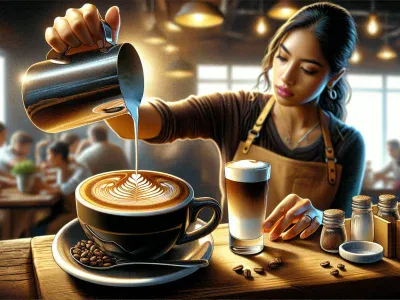
Picture standing in a bustling Italian cafe, the aroma of steamed milk blending with fresh espresso—that’s the very heart of a latte. You get a latte when espresso meets steamed milk at a balanced ratio, usually 1 part espresso to 3 parts milk (National Coffee Association). This combination creates a smooth, velvety texture that lightens the espresso’s robust intensity but keeps its signature flavor notes. Baristas often finish lattes with latte art—swirls, hearts, or even flowers—etched into the microfoam, transforming a cup into a fleeting, drinkable masterpiece.
If someone orders a plain “coffee” in Paris, you’ll get a puzzled look; ask for a “café au lait,” and then you might just get a latte’s close cousin. Do you think the same drink tastes different if sipped from a delicate porcelain cup versus a tall cafe mug? Some swear the vessel itself decides the latte’s experience. At Starbucks, where nearly half of espresso beverages sold are lattes (Statista 2023), customized flavors like vanilla, caramel, or even seasonal pumpkin-spice have created modern rituals. Lattes attract milk foam fans and those who enjoys savoring drinks slowly, while regular coffee callers racing through the morning rarely pause for latte’s creamy linger.
Remember, the word “latte” mean “milk” in Italian, yet in the United States, ordering a latte gets you far more than just dairy. It’s ritual and comfort bundled in a cup. Can you picture your favorite morning—drizzle outside, hands wrapped round a warm latte? There’s a reason cafes worldwide built entire menus around this creamy crowd-pleaser.
Key Differences Between Coffee and Latte
You’ll notice distinct contrasts between coffee and latte, rooted in their components, taste, and presentation. Coffee and latte serve different moods, whether you prefer boldness or want creamy comfort in a cup.
Ingredients and Preparation
Coffee uses water and ground coffee beans—think single-origin Ethiopian roast or a dark Sumatra blend—brewed by drip, French press, or cold-brew methods. Brews like Chemex or AeroPress showcase how simple changes in brewing alter both body and extraction. Latte, in constrast, always starts with espresso—pressurized hot water pushed through finely ground coffee, producing a concentrated shot. Steamed milk and a spoonful of milk foam stretch the espresso, typically using a 1:3 espresso-to-milk ratio, creating a silkier profile. Baristas even swirl art on top, adding visual flair and personal style.
Flavor and Strength
Coffee tends to showcase bold, sharp, or acidic flavors—Kenyan coffee bursts with berry-like acidity, while Colombian beans give a nutty note. Strength, here, means caffeine—an 8 oz cup contains 80-120 mg, according to USDA data. Lattes, on the other hand, mellow espresso’s intensity. Milk in a latte smooths bitterness, rounds sharp notes, and adds natural sweetness. With less caffeine per serving—about 60-80 mg in a small cup—lattes appeal to those seeking comfort over punch. Ever wondered why café drinks seem gentler? It’s the milk’s magic at work.
Appearance and Texture
Coffee’s appearance ranges from deep black to chestnut brown, sometimes with a thin crema if fresh and brewed as espresso. The texture remains light, with no creaminess, highlighting clarity and focus. Lattes, in comparison, arrive with a pale tan body, crowned with glossy, micro-foamed milk. The foam feels velvety—almost cloudlike. Instagram’s #latteart trend reveals a creative layer, where baristas craft hearts, ferns, and even elaborate portraits atop your cup. If you sip a latte, you’ll notice each mouthful carries smoothness absent in straight coffee.
Feature
Coffee
Latte
Main Ingredients
Water, ground coffee beans
Espresso, steamed milk, milk foam
Brew Method
Drip, French press, pour-over, cold brew
Espresso machine
Average Caffeine
80–120 mg per 8 oz
60–80 mg per 8 oz (mostly from espresso shot)
Flavor Profile
Bold, bitter, fruity, acidic, nutty (varies)
Smooth, mild, sweet, creamy
Texture
Thin, clear, no milk
Velvety, creamy, foamy top
Visual Style
Black or brown, minimal crema (if drip or press)
Light tan, layered, often latte art on foam
Consider your cravings before ordering—do you seek an energetic jolt or a cozy, slow-sipped comfort? Both coffee and latte have unique spaces in daily rituals, reflecting cultures and personal tastes.
Health Considerations
Coffee energizes mornings, but latte whispers comfort. When you compare health impacts, the two drinks unfold stories richer than their crema. Coffee, brewed black, contains little more than water and roasted Coffea arabica beans—that means few calories, no fat, and a good punch of caffeine. Harvard researchers linked moderate coffee intake (3–5 cups daily) with lower mortality risk (Lopez-Garcia et al., 2008). But pour in sugar or creamer, and suddenly something as simple as your mug’s contents transforms. Have you ever noticed how an innocent-looking flavored coffee can rival the sugar of a soda?
A latte, on the other hand, starts with espresso—a concentrated extract—and stretches its story with steamed milk. Dairy or oat, almond or soy, each introduces new nutrients or allergens. Milk provides calcium, vitamin D, and protein, but also brings saturated fat. One 16-oz latte packs roughly 200 calories and 9 g fat (USDA, 2023). This could fill hungry gaps—great post-yoga or after a rainy commute—but could tip your balance if extra calories sneaks in daily. why a latte sometimes feels more like breakfast than just a beverage?
Caffeine stands as a key entity in both drinks. Black coffee often contains 80–120 mg caffeine per 8 oz, while a latte’s shot of espresso delivers about 63 mg (FDA, 2022). Do you feel jittery after a third refill, but not after a creamy latte? That’s the milk, slowing caffeine absorption, making you less likely to crash. Your body’s response can depend on genetics, metabolism, or even what you’ve eaten before sipping—a coffee shop mystery only you can unravel.
Sugar, often a sneaky entity, mimics a double agent in flavored beverages. Consider pumpkin spice lattes or caramel macchiatos—one grande could exceed 30 g sugar (Starbucks Nutrition, 2024). If you’re leaning into healthier habits, unsweetened coffee or skipping syrup in your latte can reinforce your efforts. Have you ever tracked the mix of sugar, milk, and flavor in your daily ritual?
Some people ask: Which is healthier, coffee or latte? A dietitian might say, “It depends on what you add and how much you drink.” The answer shifts with your needs—are you chasing protein, cutting calories, or managing lactose intolerance? For some, acidic black coffee feels harsh; for others, dairy leaves you sluggish.
So next time you order, dig beneath the foam or rich aroma and ask yourself: what’s your health goal today? Picture uncovering a new favorite by tweaking your drink, or maybe turning your morning routine into a wellness ritual. Every sip writes a chapter in your day—how do you want your story to taste?
Choosing Between Coffee and Latte
Picture your morning as a blank page: do you fill it with a bold coffee stream or a latte’s creamy swirl? Choosing between coffee and latte, you usually balance two worlds—intensity and comfort. “Coffee,” in dependency grammar, often serves as the head of boldness in the sentence of your day, while “latte” becomes the modifier, lending smoothness and warmth to any routine.
Hesitate for a second; recall that busy Brooklyn café where the barista, whose hands danced over the espresso machine, watched regulars grab black coffee before long meetings, savoring efficiency as if it were an art. Others lingered, cupping lattes topped with foamy hearts, seeking solace and familiarity. These scenes, repeated in cafés from Milan to Seattle, speak toward more than just flavor—they showcase your personal narrative and social identity, too.
You weigh flavor and functionality: prefer rich, bitter notes and a caffeine surge, you may choose filtered coffee, like those produced using Chemex or French press methods (National Coffee Association, 2023). Yearn for silky sweetness or the quiet comfort of milk meeting espresso, you might select a latte, perhaps with a hint of cinnamon or a swirl of caramel syrup. According to the American Heart Association, moderation matters most, given the calorie burst from milk or sweetness additives in lattes.
But let’s make it practical. If deadlines loom, black coffee’s sharper jolt might propel focus, its quick caffeine absorption favored among coders and students late at night (Harvard School of Public Health, 2023). If catching up with a friend, though, the conversational murmur and gentle warmth of a latte—served in a wide ceramic mug—invites you to linger and savor the moment. Some refer to the latte as a ‘hug in a cup’ because the steamed milk, which muting espresso’s bite, lends calm.
Ask yourself: are you chasing creative thunder, or the soft rain of routine comfort? Sometimes, you shuffle preferences by the hour, changing weather in a day. Travelers find, for instance, that in Paris a “café crème” (akin to a latte) signals tourist status, while ordering “un café” marks belonging. The semantics—the very terms you use—reflect your context, mood, and, yes, social group.
Curiously, coffee’s ritual may connect to productivity hacks—author David Lynch claims black coffee stirs creativity, while psychologist Kelly McGonigal spotlights how a milky latte soothes anxiety when long workdays threaten overwhelm. Your choice becomes a kind of dependency tree, roots branching through taste, health, culture, and daily priorities: are you focused or relaxed, mindful of calories or chasing taste?
So, when the menu unfolds, you don’t just pick a drink. You sets a tone, you declare an intention, you join a tradition—but small, but brief. The aroma lifts and the cup warms your palm, but the real ritual dwells in the meaning you stir into every sip.
Conclusion
Choosing between coffee and a latte goes beyond simple taste—it’s about the experience you crave and the ritual you want to create. Whether you lean toward the bold simplicity of coffee or the creamy embrace of a latte, your choice reflects your mood, goals, and even your sense of self.
Let your daily cup be a mindful moment that suits your lifestyle and brings you comfort. No matter what you choose, you’re crafting a ritual that’s uniquely yours.
Published: July 25, 2025 at 8:47 am by Ellie B, Site owner & Publisher
To provide the best experiences, we use technologies like cookies to store and/or access device information. Consenting to these technologies will allow us to process data such as browsing behaviour or unique IDs on this site. Not consenting or withdrawing consent, may adversely affect certain features and functions.
Functional
Always active
The technical storage or access is strictly necessary for the legitimate purpose of enabling the use of a specific service explicitly requested by the subscriber or user, or for the sole purpose of carrying out the transmission of a communication over an electronic communications network.
Preferences
The technical storage or access is necessary for the legitimate purpose of storing preferences that are not requested by the subscriber or user.
Statistics
The technical storage or access that is used exclusively for statistical purposes.The technical storage or access that is used exclusively for anonymous statistical purposes. Without a subpoena, voluntary compliance on the part of your Internet Service Provider, or additional records from a third party, information stored or retrieved for this purpose alone cannot usually be used to identify you.
Marketing
The technical storage or access is required to create user profiles to send advertising, or to track the user on a website or across several websites for similar marketing purposes.