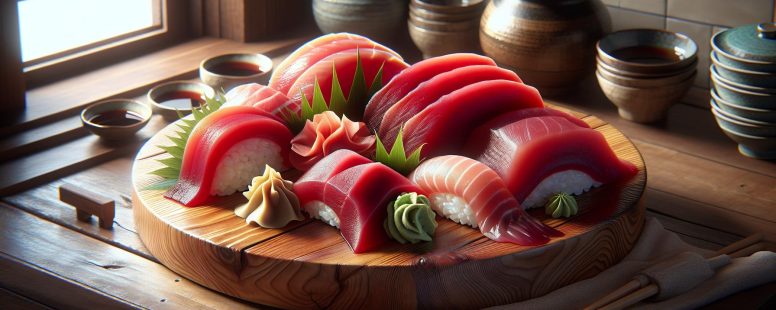
Imagine you’re standing at a bustling seafood market, the salty breeze mingling with the vibrant colors of fresh catch. Among the myriad options, two names often spark curiosity—ahi and albacore. These two types of tuna, each with its own unique flavor profile and culinary uses, can transform your dining experience. But what sets them apart?
Ahi, also known as yellowfin tuna, often graces the plates of sushi enthusiasts with its rich, buttery texture. In contrast, albacore, sometimes referred to as “white tuna,” offers a milder taste and a lighter, more delicate flesh. Whether you’re crafting a gourmet dish or simply curious about the nuances of these oceanic delights, understanding their differences can enhance your culinary adventures. Dive deeper into the distinct characteristics of ahi and albacore, and discover how each can elevate your next seafood feast.
Understanding Ahi and Albacore
Ahi and albacore, both part of the tuna family, present distinct qualities. Ahi, also known as yellowfin tuna, often appears in sushi and sashimi dishes because of its rich texture. It has a slightly firm, buttery feel, making it a favorite among culinary enthusiasts. In contrast, albacore, or white tuna, is popular for its softer texture. It often ends up as a staple in canned tuna products due to its mild flavor.
Ahi generally has a deeper red color, reflecting its strong, savory profile. Its bold flavor stands out in grilled or seared dishes. Conversely, albacore has a lighter, almost pinkish hue, indicating its gentle taste, which pairs well with light seasoning or in salads. Comparing the two, you’ll notice how ahi remains firm and maintains its form under heat, while albacore becomes more tender.
When selecting between the two, consider how ahi’s pronounced taste contrasts with albacore’s subtlety. Ahi suits bold flavors, making it ideal for adventurous recipes, while albacore works well in recipes where you emphasize the fish’s natural flavors.
Understanding these characteristics helps make informed culinary choices, enhancing your dishes with the appropriate type of tuna.
Key Characteristics of Ahi
Ahi, or yellowfin tuna, is prized for its culinary versatility and vibrant appearance. Understanding its characteristics helps you appreciate its role in diverse dishes.
Appearance and Color
Ahi boasts a stunning deep red hue. This striking color indicates freshness and quality, essential for dishes like sashimi. The flesh is firm and glossy, contrasting with albacore’s lighter shades. When evaluating presentation, ahi’s vibrant appearance enhances visual appeal.
Flavor Profile
Ahi delivers a rich, buttery taste. This pronounced flavor suits bold spices and marinades, distinct from albacore’s milder notes. Those seeking a more adventurous palate often choose ahi for its robust and satisfying profile. The high-fat content contributes to its luxurious texture, ideal for raw preparations.
Common Culinary Uses
Ahi shines in sushi and sashimi. Its texture complements the delicate art of raw dishes. Grilled or seared slices make an excellent entree, benefitting from ahi’s ability to maintain moisture. In poke bowls, ahi’s strong taste balances well with fresh vegetables and citrus flavors. In fusion cuisine, ahi allows creativity with spices and sauces.
Key Characteristics of Albacore
Albacore, a popular variety of tuna known as white tuna, stands out for its distinct features. Recognizing these key characteristics enhances your appreciation and culinary use of this fish.
Appearance and Color
Albacore tuna is identifiable by its light, almost translucent color. Unlike ahi, which presents a deep red hue, albacore offers a soft pinkish-white appearance. This lighter color indicates its leaner texture and suits dishes where a subtle aesthetic is preferred.
Flavor Profile
With a milder taste than other tuna varieties, albacore’s flavor is delicate and less assertive. Its clean taste with slight buttery undertones makes it versatile enough to complement various seasonings without overpowering. Lovers of simple flavors often favor albacore for this reason.
Common Culinary Uses
Albacore is frequently leveraged in canned products like tuna salads and casseroles. Its softer flesh absorbs marinades well, making it ideal for poaching or low-heat grilling. When paired with light dressings or herbs, albacore showcases its ability to enhance dishes without dominating their flavor profile.
Nutritional Differences
Ahi and albacore both offer impressive nutritional profiles, though they vary in specific ways. Ahi, often sourced from tropical and subtropical oceans, is a powerhouse of lean protein and omega-3 fatty acids. On average, a 3-ounce serving of raw ahi contains approximately 110 calories, 25 grams of protein, and around 1 gram of fat. Its high protein content and low-fat composition make it a favored choice for health-conscious individuals.
In contrast, albacore provides a unique blend of nutrients. A typical 3-ounce serving of canned albacore has about 109 calories, 20 grams of protein, and 2.5 grams of fat. Albacore is notably higher in mercury compared to ahi, leading to recommendations for limited consumption, especially among pregnant women and young children. Even though this, its higher fat content contributes to an increased level of omega-3 fatty acids, beneficial for heart health.
Below is a table highlighting key nutritional values for both ahi and albacore per 3-ounce serving:
Nutrient
Ahi (Raw)
Albacore (Canned)
Calories
110
109
Protein (g)
25
20
Fat (g)
1
2.5
Omega-3 (g)
0.5
1.2
These distinctions make each type of tuna a viable addition to a balanced diet, catering to varying nutritional needs. Depending on health priorities, you might choose ahi for its lower fat and calorie count, or albacore for its richer omega-3 content.
Market Availability and Pricing
Ahi and albacore are two distinct tuna varieties with different market dynamics. Ahi, commonly caught in the Pacific Ocean (e.g., Hawaii and Southeast Asia), is available year-round, but pricing fluctuates based on demand and quality. Fresh ahi typically demands a higher price in markets due to its popularity in sushi preparations and bold flavor profile. In the U.S., prices can range from $15 to $30 per pound, varying by season and sourcing location.
Albacore, on the other hand, is primarily found in cooler waters, such as the North Pacific. It’s available both fresh and in canned forms. While fresh albacore prices are moderately stable, ranging from $12 to $25 per pound based partially on fishing conditions, canned albacore remains a budget-friendly option at around $1 to $3 per can due to its widespread availability.
Purchasing decisions hinge significantly on these pricing conditions, so consider culinary needs and budget constraints. If opting for bold recipes, prioritize ahi for its rich flavor even though potential increased costs. For everyday dishes or bulk uses, albacore presents a cost-effective alternative.
Conclusion
When choosing between ahi and albacore, consider your culinary goals and budget. Ahi’s rich flavor and vibrant color make it perfect for dishes that require a bold presence, while albacore’s milder taste and softer texture are ideal for lighter meals. Both types of tuna offer nutritional benefits, with ahi providing lean protein and albacore offering heart-healthy omega-3s. By understanding their unique characteristics, you can make informed choices that suit your taste preferences and dietary needs. Whether you’re crafting a gourmet sushi platter or a simple tuna salad, both ahi and albacore have a place in your kitchen.
To provide the best experiences, we use technologies like cookies to store and/or access device information. Consenting to these technologies will allow us to process data such as browsing behaviour or unique IDs on this site. Not consenting or withdrawing consent, may adversely affect certain features and functions.
Functional
Always active
The technical storage or access is strictly necessary for the legitimate purpose of enabling the use of a specific service explicitly requested by the subscriber or user, or for the sole purpose of carrying out the transmission of a communication over an electronic communications network.
Preferences
The technical storage or access is necessary for the legitimate purpose of storing preferences that are not requested by the subscriber or user.
Statistics
The technical storage or access that is used exclusively for statistical purposes.The technical storage or access that is used exclusively for anonymous statistical purposes. Without a subpoena, voluntary compliance on the part of your Internet Service Provider, or additional records from a third party, information stored or retrieved for this purpose alone cannot usually be used to identify you.
Marketing
The technical storage or access is required to create user profiles to send advertising, or to track the user on a website or across several websites for similar marketing purposes.