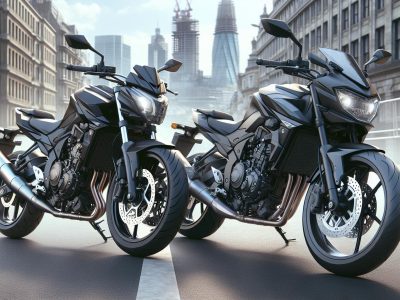
Choosing the best beginners sports bike shapes your first years on two wheels. A right bike builds confidence: the wrong one can intimidate and injure. This guide cuts through hype and specs to give you clear, practical choices and rules you can use today. You’ll learn which models favor predictable power, which fit shorter riders, and how safety tech matters more than peak horsepower. Read on to find a bike that teaches you well and keeps riding fun.
How To Choose The Right Beginner Sports Bike
Fact: Match the bike to your current skills and realistic goals before you buy.
Rider Experience, Goals, And Skill Level
Start with a clear answer: you need a bike that fits your riding experience. If you’ve only ridden a 125cc scooter, a 400cc bike with friendly power delivery is better than a 600cc supersport. Ask yourself: will you commute, learn track basics, or just weekend blast? The choice changes everything. For commuting you want low‑end torque and comfort. For learning cornering you want light weight and responsive brakes.
Be honest about mistakes you made. Many riders buy a high‑power bike and then regret it. I once jumped from a 150cc to a 650cc and stalled in traffic: that cost me confidence and money. You can avoid that by stepping up gradually.
Engine Size, Power Delivery, And Performance Balance
Fact: Power that you can predict beats raw horsepower for beginners. Engine size matters less than how the power comes on. A 300–500cc twin or single that delivers smooth, linear torque is ideal. It teaches throttle control. Look for models with a usable torque band and gentle throttle mapping. Fuel injection and slipper clutches on modern small sports bikes make them easier to manage.
Compare peak horsepower but weigh the throttle curve more. A 400cc twin with soft midrange will feel safer than a peaky 600cc four. Also note fuel economy: smaller engines cost less to run.
Ergonomics, Seat Height, And Rider Fit
Fact: If you can’t flat‑foot at stops, you’ll tense up and make mistakes. Seat height and reach determine control. Measure your inseam and test saddle contact. A low center of gravity and narrow tank help shorter riders plant their feet. Clip‑on bars are sporty but can strain your wrists: consider a model with a relaxed sport position if you commute.
Try riding boots and full gear during the test. A bad fit will hide real issues until after purchase. Ride what you’ll wear daily, not what you wear on a sunny afternoon.
Safety Features, Electronics, And Braking
Fact: Modern safety tech improves survival odds and learning speed. ABS, traction control with low intervention, and slipper clutches reduce scary moments. For beginners, choose bikes with switchable ABS so you can practice threshold braking in controlled environments.
Good brakes with predictable lever feel trump fancy modes. Check rotor size, caliper type, and whether the ABS is corner‑sensitive. Many OEM packages now include ride modes that smooth throttle, those help you learn control without killing the fun.
Budget, Insurance, And Running Costs
Fact: Insurance and maintenance often cost more than depreciation in early ownership. Get insurance quotes before you commit. Models with single cylinders or modest displacement usually have lower premiums. Consider tires, brake pads, and scheduled valve checks in your budget.
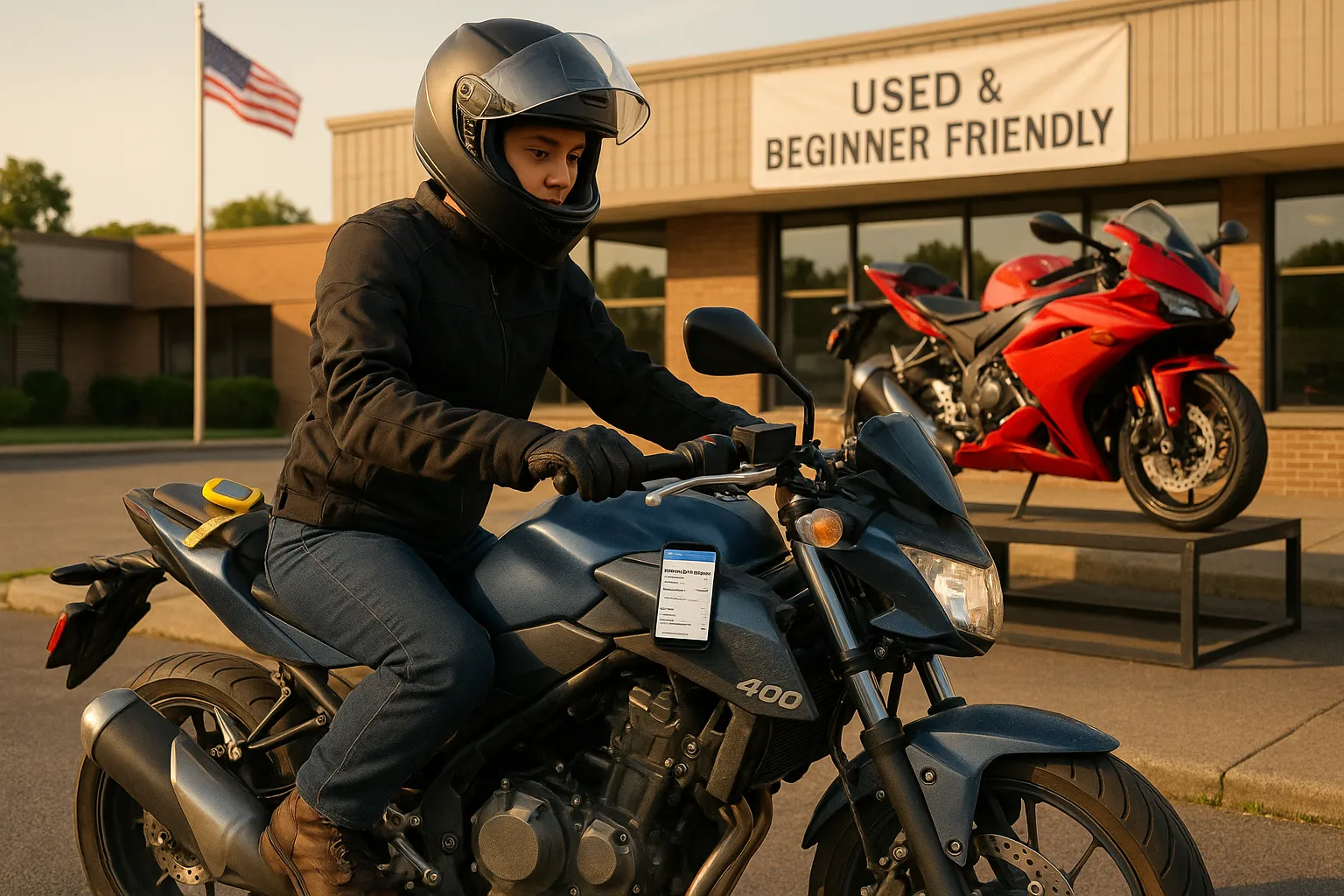
Buy used to save money, but factor in service history and possible upgrades. New riders often forget protective parts like frame sliders or replacement tires: count those into your first‑month spend.
Top Beginner Sports Bikes To Consider
Fact: Several production bikes consistently earn praise for their balance of power, handling, and value.
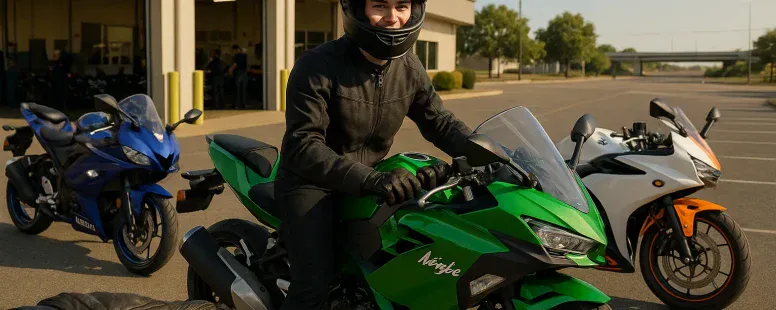
Kawasaki Ninja 400, Why It’s Popular For New Riders
The Kawasaki Ninja 400 offers a smooth 399cc twin that pairs light weight with usable power. You get crisp brakes, a forgiving throttle, and a comfortable ergonomics package. Kawasaki tuned the bike for midrange punch so you don’t need to rev to redline to pass.
Real riders praise its confidence‑building chassis. Insurance rates for the Ninja 400 typically sit in the midrange for small sports bikes which helps new owners. It’s a smart first step if you plan to keep riding for years.
Yamaha YZF‑R3, Lightweight Handling And Reliability
The Yamaha YZF‑R3 is a tried‑and‑true option. It uses a 321cc twin that revs cleanly and rewards precise inputs. The chassis is nimble: you can flick it through corners without fighting the machine. Yamaha’s reputation for reliability lowers long‑term costs.
Many schools use the R3 for advanced beginner courses, and you’ll find plenty of aftermarket parts and community advice online.
Honda CBR500R, Smooth Power And Everyday Usability
The Honda CBR500R has a 471cc parallel twin that serves daily riding and occasional sport work well. It’s heavier than 300–400cc bikes but gives more midrange torque, good for highway merges and two‑up rides. Honda’s dealer network and parts availability make ownership easier.
This bike is a common choice when you want one bike that does most things without demanding constant maintenance.
KTM RC 390, Sporty Character With Modern Tech
The KTM RC 390 stands out for its sharp styling and punchy 373cc single. It includes ride‑by‑wire throttle and often comes with switchable ABS and quickshifter options on newer models. The RC 390 teaches aggressive line discipline but still remains manageable for most beginners.
If you like track days and starved for sporty feedback, the RC 390 rewards you. But expect firmer suspension and a more committed riding position.
Suzuki GSX250R, Affordable, Easy‑To‑Ride Option
The Suzuki GSX250R is an economical and simple entry point. It uses a lightweight frame and a modest engine that encourages smooth inputs. Its low running costs and gentle manners suit learners who want low stress.
You won’t get blistering performance, but you will get a dependable commuter that teaches you throttle control without shocks.
Honda CBR300R / Alternative Small‑Displacement Picks
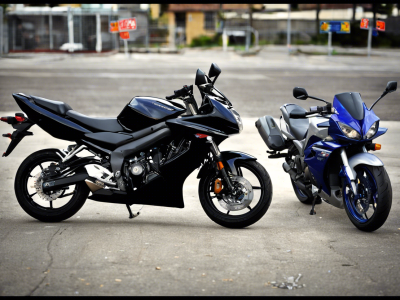
Fact: Small displacement bikes teach fundamentals without intimidation. The Honda CBR300R, along with models like the KTM 200/250 and Yamaha MT‑03 (naked but related), offers manageable power and low insurance. These bikes are ideal if you are short, budget‑conscious, or only riding around town.
Consider future goals: choose a bike that you won’t outgrow in a year if you plan longer commutes or track sessions.
Essential Gear And Safety For Beginner Sport Riders
Fact: Proper gear reduces injury severity and boosts confidence while you learn.
Helmet, Eye Protection, And Fit Standards
Buy a helmet that meets DOT or ECE standards. A full‑face helmet protects face and chin and improves focus by cutting wind and noise. Fit matters: the shell should sit snug without pressure points. Brands to check: Shoei, Arai, HJC, and Bell. Replace helmets every five years or after any impact.
Use clear or lightly tinted visors for low‑light riding. Goggles or peak protectors don’t suit sport bikes: stick to full faces.
Jackets, Gloves, Boots, And Armor Recommendations
Wear CE‑rated armor in shoulders, elbows, spine, and chest. Leather jackets offer abrasion resistance: textile jackets with armor offer weather flexibility. Gloves must cover the wrist and include knuckle protection. Boots should be ankle‑covering, stiff, and have good grip.
Don’t skimp on gloves and boots: many low‑speed crashes injure hands and feet most. Look at brands like Alpinestars, Dainese, and REV’IT for sport‑oriented kits.
Training, Rider Courses, And Progressive Practice Plans
Fact: Formal training reduces crash risk and accelerates skills. Take basic and advanced courses from groups like the Motorcycle Safety Foundation (MSF) or local track schools. Practice braking drills, slow maneuvers, and cornering in empty lots before real roads.
Make a six‑month plan: month one focus on balance and clutch control: months two to four add braking and lean angle: months five and six work on higher‑speed confidence and emergency stops. Regular, short practice sessions beat rare, long rides.
Practical Buying And Ownership Tips
Fact: Inspect history and ride the bike before you buy: many issues show only under test.
New Vs. Used: What To Inspect And Ask About
If you buy used, ask for service records, crash history, and reason for sale. Inspect chain and sprockets, fork seals, tire wear, and frame for repairs. Check the VIN on title and match it to the frame. A clean service log from Honda, Yamaha, Kawasaki, KTM, or Suzuki dealers adds value.
Don’t buy a bike with bent levers or mismatched fairings without a deep discount, those can hide a drop that might have stressed the frame.
Test Ride Checklist And How To Evaluate Handling
On the test ride, check clutch engagement point, brake feel, and low‑speed maneuverability. Start in a parking lot and perform tight turns, emergency stops, and slow‑ride balance checks. Listen for unusual noises from the engine or suspension. Evaluate how the bike returns to center after a corner. If it feels nervous at low speed, it will be stressful in traffic.
Bring a friend to help push the bike back if it stalls: some small bikes still stall under stress, and that’s okay, it’s good to know before you buy.
Maintenance, Warranty, And Long‑Term Ownership Costs
Fact: Routine maintenance prevents most failures. Follow the manufacturer’s service intervals for oil changes, valve checks, and chain maintenance. Factor in chain and sprocket replacement every 10–15k miles on sporty singles and twins. Warranties on new bikes usually cover 12 months: extended plans help if you plan to keep the bike longer.
Keep a riding log. Track costs per month for fuel, tires, and consumables. This makes future decisions, like upgrades or selling, much easier.
Published: March 8, 2026 at 10:20 pm by Ellie B, Site owner & Publisher
To provide the best experiences, we use technologies like cookies to store and/or access device information. Consenting to these technologies will allow us to process data such as browsing behaviour or unique IDs on this site. Not consenting or withdrawing consent, may adversely affect certain features and functions.
Functional
Always active
The technical storage or access is strictly necessary for the legitimate purpose of enabling the use of a specific service explicitly requested by the subscriber or user, or for the sole purpose of carrying out the transmission of a communication over an electronic communications network.
Preferences
The technical storage or access is necessary for the legitimate purpose of storing preferences that are not requested by the subscriber or user.
Statistics
The technical storage or access that is used exclusively for statistical purposes.The technical storage or access that is used exclusively for anonymous statistical purposes. Without a subpoena, voluntary compliance on the part of your Internet Service Provider, or additional records from a third party, information stored or retrieved for this purpose alone cannot usually be used to identify you.
Marketing
The technical storage or access is required to create user profiles to send advertising, or to track the user on a website or across several websites for similar marketing purposes.