Yeti set a high bar for coolers, but high price tags and specific design trade-offs mean you may want another option. Picture a cooler that keeps ice for days, survives a drop off a truck, and doesn’t cost an arm, you can find that. This guide cuts through marketing claims and shows practical, better-fit alternatives to Yeti depending on how you use your cooler. Read on to find clear comparisons, real strengths, and the exact picks that will keep your food and drinks colder, longer, and with less regret.
Why Consider Alternatives To Yeti
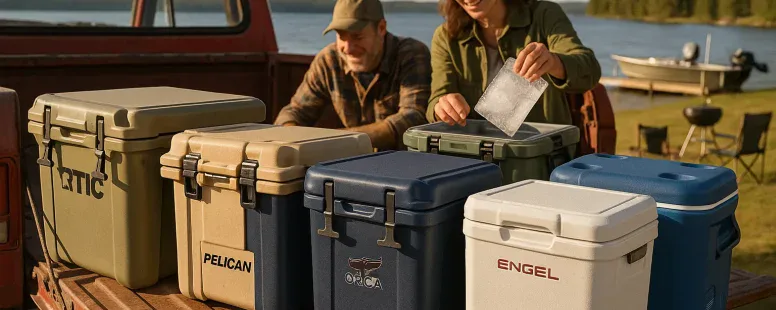
Fact: Yeti is excellent, but it is not the only way to get long-lasting coolers. You should consider alternatives when price, weight, warranty, or specific features matter more than brand prestige. Many alternatives match or exceed Yeti in cold retention, durability, or value. For example, RTIC focuses on aggressive pricing, Pelican emphasizes military-style toughness, and Engel targets lightweight performance for boating.
People choose alternatives for clear reasons: lower cost without a huge performance drop, specialized features (like integrated drains or ice retention in shallow spaces), or better local service and warranty terms. If you want to save money for other gear, or you travel with limited space, an alternative often gives you better overall value. Think of Yeti as a high-end jacket: warm and stylish, but sometimes you want waterproof hiking gear or a packable windbreaker instead.
How We Evaluated Cooler Options
Fact: We compared coolers using measurable criteria and real-world tests. We looked at cold retention (hours/days of ice), build quality (rotomolded shell, hinges, latches), portability (weight, handles, wheels), warranty and support, and price per liter of capacity.
Methodology: We used third-party lab test data where available and aggregated field reviews from anglers, hunters, and campers. We weighed both lab numbers and user reports, because numbers alone miss how a cooler behaves on a boat or in a hot truck. We also noted manufacturer claims and warranty terms from company sites: RTIC, Pelican, ORCA, Engel, Grizzly, Coleman and Igloo.
Semantic entities included: product names (RTIC Tundra, Pelican Elite, ORCA 58, Engel DeepCycle 28, Grizzly 65, Coleman Xtreme), retailers (REI, Bass Pro Shops), and use-cases (fishing, overlanding, tailgating). This mix gave a practical picture for you to choose the right cooler.
Top Alternatives To Yeti (With Strengths And Best Uses)
Fact: Several brands match Yeti in specific ways: your best pick depends on use.
RTIC Tundra, High Value, Similar Performance
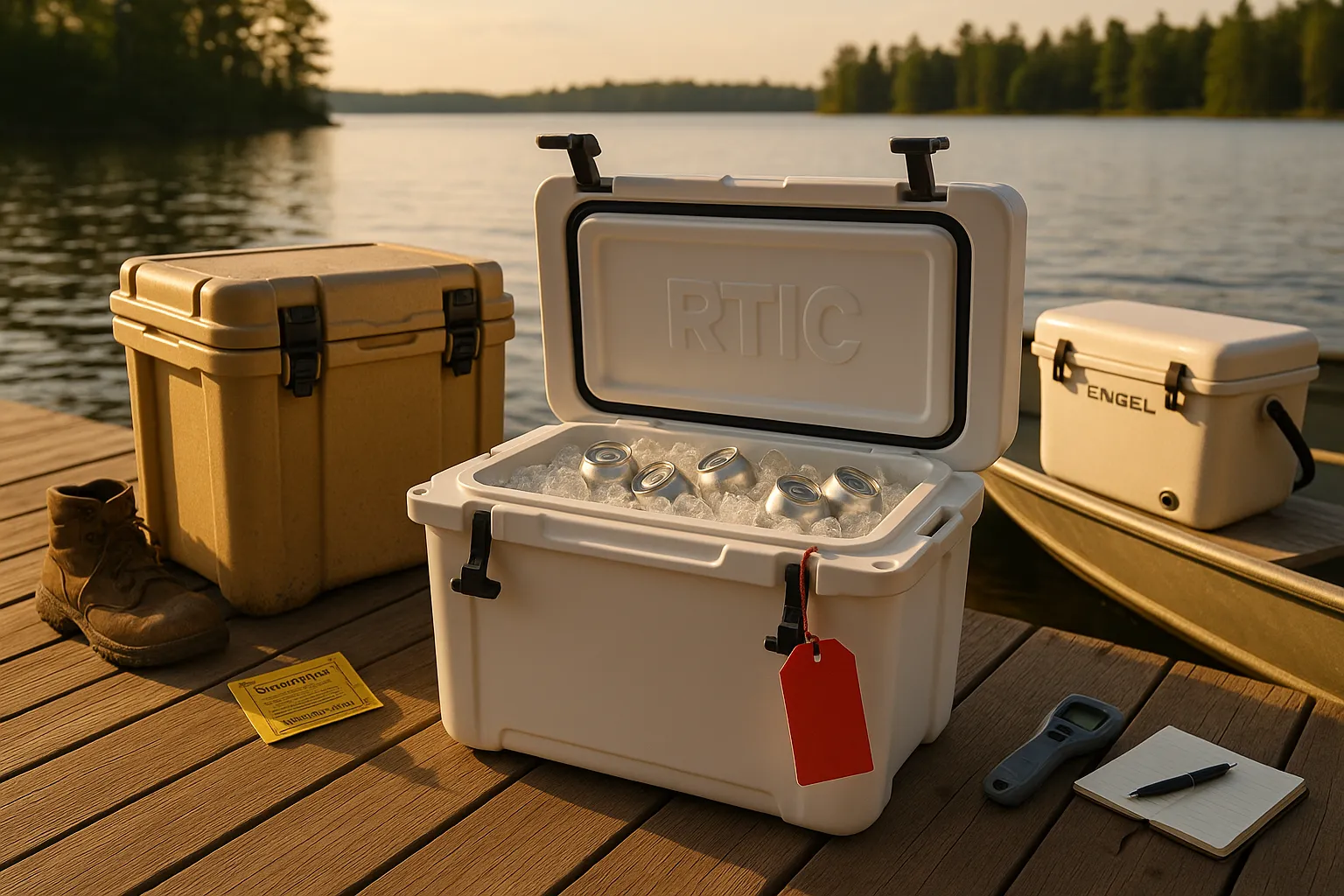
Fact: RTIC Tundra offers Yeti-like cold retention at a lower price. RTIC uses rotomolded construction and thick foam, which gives multi-day ice performance similar to Yeti in many tests. Use it when you want maximum value and don’t need brand cachet. RTIC often includes extras like non-slip feet and threaded drain plugs. Drawback: some hardware feels a bit cheaper, but you get the core performance for less money.
Pelican Elite, Military-Grade Durability For Heavy Use
Fact: Pelican Elite emphasizes ultra-durable materials and locking systems. Pelican coolers borrow design cues from their protective case division. They tend to have reinforced hinges, stainless steel hardware, and aggressive latches. Choose Pelican if you haul gear across rough terrain or need a cooler that survives commercial use. They can be heavier, but they often include features like tie-down points and molded-in handles for secure transport.
ORCA Coolers, Excellent Cold Retention And Warranty
Fact: ORCA competes directly on cold retention and offers a strong warranty. ORCA uses pressure-injected polyurethane foam and thick walls, which boosts ice retention in field tests. ORCA’s customer support and multi-year warranty make it a safe buy if you plan heavy, long-term use. People who value warranty service and consistent cold performance often pick ORCA.
Engel DeepCycle, Lightweight And Efficient For Boating
Fact: Engel DeepCycle coolers are lighter and designed for extended boating trips. Engel uses a different insulation profile that reduces weight while keeping contents cold for day-to-day fishing and marine use. Choose Engel when you need a cooler that floats well in small boats and won’t add too much weight at the transom. They also double as dry storage in some models.
Grizzly Coolers, Robust Build For Hunting And Overlanding
Fact: Grizzly focuses on rugged design for outdoor sports. Grizzly coolers use heavy-duty rubber latches, thick gaskets, and large drain systems. Hunters and overlanders pick Grizzly when they need a cooler that can handle rough camps and frequent loading. They often include bear-resistant certifications on larger models.
Coleman/Igloo Heavy-Duty Models, Best Budget Alternatives
Fact: Coleman and Igloo offer useful heavy-duty hard coolers at a fraction of the price. These are typically injection-molded rather than rotomolded, so they weigh less but can offer solid day-trip ice retention when packed right. Use them for tailgating, car camping, and casual picnics. Expect lower long-term durability, but the price makes replacement inexpensive.
How To Choose The Right Cooler For Your Needs
Fact: Choose a cooler by matching capacity, insulation, durability, and portability to your main activities. Start with the single most common use and buy for that.
Capacity And Size: Matching Cooler To Activity
Fact: Oversize coolers waste space: undersized coolers force bad packing. For day trips, 20–35 quarts often works for two to four people. For weekend camping, 40–60 quarts fits a family of three. For multi-day fishing or group overlanding, 70+ quarts is common. Measure trunk and boat space before you buy.
Insulation And Cold Retention: What Tests And Specs Matter
Fact: Wall thickness and foam type predict cold retention. Look for rotomolded shells and pressure-injected polyurethane foam. Independent tests that record ice melt over 24–96 hours give the best comparison. Check manufacturer claims against third-party lab results when possible.
Durability And Materials: Rotomolded Vs. Injection Molded
Fact: Rotomolded coolers are more durable and longer-lasting. Rotomolded bodies resist impact and are ideal for rugged use. Injection-molded coolers cost less and weigh less, making them fine for casual outings.
Portability: Weight, Handles, Wheels, And Latches
Fact: Portability matters more than brand. If you carry a cooler often, get one with comfortable handles or wheels. Rotomolded coolers are heavy when empty: consider wheels or smaller sizes for frequent carrying.
Price, Warranty, And Aftermarket Support
Fact: Warranty and local support reduce total cost of ownership. Compare warranty length and what it covers. Some brands offer spare parts and accessory ecosystems (cutting boards, fish rulers, tie-down kits). That support matters if you plan heavy use.
Tips To Maximize Cooler Performance And Lifespan
Fact: Small packing and care changes extend ice life and cooler longevity dramatically.
Prechilling, Ice Types, And Packing Techniques
Fact: Prechill your cooler and use dense ice for longer retention. Pre-cool with ice or cold water for a few hours before loading. Use block ice or large cakes for multi-day trips, they melt slower than cubed ice. Layer items with coldest at the bottom, and avoid air gaps. Keep drinks in separate shallow coolers for day use so the main cooler stays closed. Use dry ice with caution and manufacturer guidance: it can keep things frozen much longer but requires ventilation.
Care, Cleaning, And Storage To Prevent Odors And Damage
Fact: Clean and dry your cooler after each trip to prevent smells and mildew. Rinse with warm water and mild detergent, then air dry with the lid open. For stubborn odors, use a paste of baking soda and water or activated charcoal. Store coolers out of direct sun, and avoid stacking heavy items on top. Replace worn latches and gaskets early to avoid bigger damage.
When To Choose An Alternative Based On Use Case
Fact: The best alternative depends on the activity you do most.
Best Pick For Camping And Overlanding
Fact: For overlanding and camping, choose a rotomolded cooler with strong latches and tie-down points. Grizzly and Pelican excel here because they handle abuse and heavy loading. Choose higher capacity if you travel with a group and can secure the cooler to your rig.
Best Pick For Fishing And Boating
Fact: For fishing, choose a cooler that balances weight and cold retention. Engel DeepCycle and ORCA work well on boats because they resist water exposure and often float better. Consider models with non-skid feet and secure drain plugs.
Best Pick For Tailgating And Day Trips
Fact: For tailgating, choose value and convenience. RTIC and Coleman/Igloo heavy-duty models give you cold drinks, easy carry, and at a low price. Pick a size that fits your car trunk and a design with cup holders or cutting boards if you like the extras.
To provide the best experiences, we use technologies like cookies to store and/or access device information. Consenting to these technologies will allow us to process data such as browsing behaviour or unique IDs on this site. Not consenting or withdrawing consent, may adversely affect certain features and functions.
Functional
Always active
The technical storage or access is strictly necessary for the legitimate purpose of enabling the use of a specific service explicitly requested by the subscriber or user, or for the sole purpose of carrying out the transmission of a communication over an electronic communications network.
Preferences
The technical storage or access is necessary for the legitimate purpose of storing preferences that are not requested by the subscriber or user.
Statistics
The technical storage or access that is used exclusively for statistical purposes.The technical storage or access that is used exclusively for anonymous statistical purposes. Without a subpoena, voluntary compliance on the part of your Internet Service Provider, or additional records from a third party, information stored or retrieved for this purpose alone cannot usually be used to identify you.
Marketing
The technical storage or access is required to create user profiles to send advertising, or to track the user on a website or across several websites for similar marketing purposes.