
Best Alternatives to Adderall
Adderall helps many people concentrate, but it isn’t the only option, and it may not be the right one for you. Picture a day where your attention feels steady without midday crashes, where side effects don’t shadow your focus. That scenario is possible through prescription substitutes, therapy, lifestyle shifts, and safe over-the-counter supports. This article maps the best alternatives to Adderall, explains why people search for substitutes, and gives practical steps so you can choose what fits your symptoms, health history, and goals.
Why People Look For Alternatives
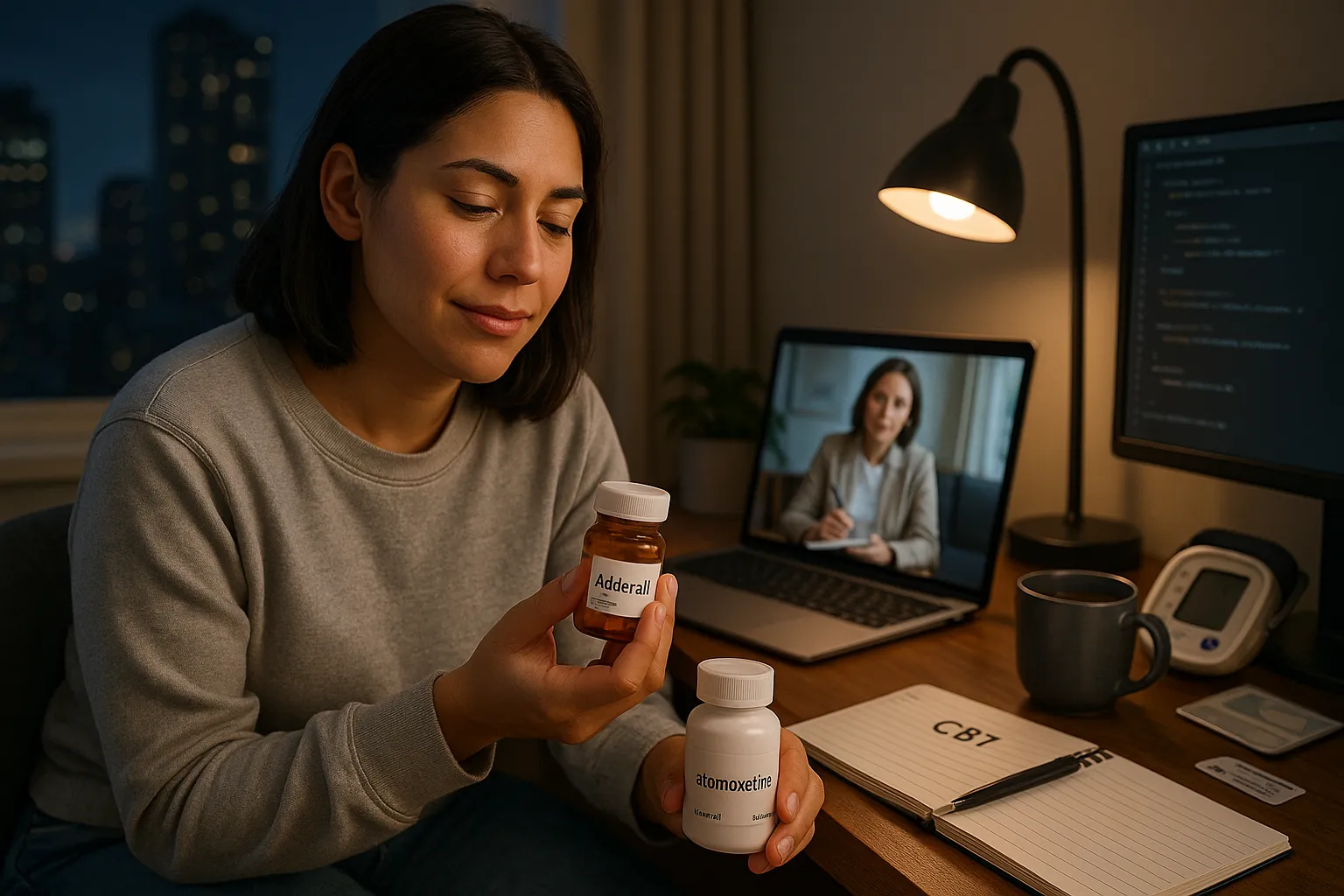
Fact: Many people seek alternatives because stimulants cause side effects, interact with other meds, or fail to meet their needs.
You may stop Adderall for specific reasons: insomnia, anxiety, loss of appetite, elevated blood pressure, or simply poor response. Others want to avoid dependence or pass workplace drug tests. Some have comorbid conditions, like heart disease or bipolar disorder, that make stimulants risky. Insurance rules and access barriers also push people to explore other options.
Consider the case of Maria, a 28‑year‑old software developer. She found Adderall sharpened her focus but worsened her anxiety and made sleep impossible. After switching to a different approach that combined atomoxetine and CBT, her concentration improved while anxiety decreased. That trade-off is common: you gain in one area and may lose in another, so choices should match your priorities.
Anticipated question: will alternatives work as well? Sometimes they match or exceed benefits, sometimes not. You must weigh effectiveness, side effects, safety, and daily goals before you switch.
Prescription Medication Alternatives
Fact: Several nonstimulant prescriptions can reduce ADHD symptoms and may suit people who can’t or won’t take stimulants.
Nonstimulant ADHD Medications: Options and Considerations
Atomoxetine (Strattera) reduces impulsivity and improves attention by blocking norepinephrine reuptake. It has lower abuse potential than amphetamine salts and may help if you have comorbid anxiety. Guanfacine (Intuniv) and clonidine (Kapvay) are alpha‑2 agonists: they help impulse control and hyperactivity and sometimes improve sleep. Side effects commonly include drowsiness, dizziness, or blood pressure changes.
Named entities: atomoxetine, guanfacine, clonidine, Strattera, Intuniv, Kapvay.
Wakefulness-Promoting Agents and Off-Label Prescriptions
Fact: Modafinil (Provigil) and armodafinil (Nuvigil) promote wakefulness and are used off‑label for ADHD in some adults. They have lower stimulant properties but still require medical supervision. Bupropion (Wellbutrin) is an antidepressant used off‑label for attention symptoms: it can help motivation and energy with less risk of appetite loss than stimulants. You should not use these if you have certain cardiac issues or a seizure history.
Antidepressants Used Off-Label for Attention Symptoms
Fact: Several antidepressants affect attention and motivation.
Examples: bupropion boosts dopamine and norepinephrine. Nortriptyline and desipramine (tricyclics) sometimes help but carry more side effects and cardiac monitoring needs. SSRIs (e.g., sertraline) don’t treat core ADHD well but can address coexisting anxiety or depression that worsens attention.
How To Weigh Effectiveness, Side Effects, And Contraindications
Fact: You should match medication choice to symptoms, medical history, and side‑effect tolerance.
Ask your clinician: Which symptoms bother you most? Are you anxious or depressed? Do you have heart disease, high blood pressure, or a seizure disorder? Review interactions, bupropion lowers seizure threshold, atomoxetine raises blood pressure for some people, and modafinil interacts with hormonal contraceptives and certain antidepressants. Track outcomes: use symptom rating scales, monitor vitals, and set a trial window (often 6–12 weeks) to judge benefit. This planned approach limits surprises and keeps you safer.
Behavioral And Therapy-Based Alternatives
Fact: Behavioral interventions can change how you manage attention and often produce durable gains.
Cognitive Behavioral Therapy (CBT) For ADHD Symptoms
CBT reduces maladaptive thinking that sabotages focus. Therapists help you break large tasks into small steps, restructure negative self‑talk, and create cue‑based routines. Evidence shows CBT lowers functional impairment and improves time management, especially in adults with ADHD plus mood symptoms.
Coaching, Skills Training, And Organizational Strategies
Fact: ADHD coaching teaches concrete skills.
A coach trains you in prioritization, calendar use, and chunking work. Tools include the Pomodoro Technique, time‑blocking in Google Calendar, and prioritized to‑do lists (label tasks A/B/C). Use physical anchors: a dedicated workspace, visible checklists, and simple filing systems. These habits reduce cognitive load so you rely less on medication.
Sleep, Stress Management, And Environmental Modifications
Fact: Poor sleep and high stress worsen attention: fixing them often reduces symptom severity.
Improve sleep with a wind‑down routine, blackout curtains, and consistent wake times. Manage stress with brief breathing exercises, progressive muscle relaxation, or 10–20 minutes of brisk walking. Change your environment: reduce clutter, mute notifications, and set ambient noise (white noise or instrumental music) to block distractions. These adjustments often multiply the effect of any other treatment you choose.
Nonprescription And Natural Approaches
Fact: Some lifestyle changes and supplements have evidence for small to moderate benefits: they are not miracle cures.
Lifestyle Interventions: Exercise, Diet, And Sleep Hygiene
Exercise increases dopamine and norepinephrine in the brain. Short high‑intensity sessions and consistent aerobic activity improve attention within hours and over weeks. Diet: prioritize protein at breakfast, maintain regular meal timing, and limit added sugars late in the day to reduce energy swings. Sleep hygiene matters: consistent bedtimes and avoiding screens 60 minutes before sleep improve consolidation and daytime attention.
Evidence-Based Supplements And Nutrients (Omega‑3, Zinc, Iron, etc.)
Fact: Omega‑3 fatty acids (EPA/DHA) show modest benefits for attention, especially when baseline levels are low. Zinc and iron can help if you’re deficient: low ferritin is linked to worse attention. Always check labs before supplementing. Recommended entities: fish oil supplements with higher EPA ratios, a ferritin test, and serum zinc. Supplements can interact with meds, so consult your clinician.
Caffeine, L-Theanine, And Common Over-The-Counter Nootropics, Benefits And Risks
Fact: Caffeine improves alertness but can increase anxiety and disrupt sleep.
Pairing 50–100 mg caffeine with 100–200 mg L‑theanine (found in green tea) often smooths jitteriness and enhances focus for some people. Over‑the‑counter nootropics (like racetams or proprietary blends) lack robust ADHD trial data and may carry risks. Use low doses initially, track effects, and stop if you get insomnia, irritability, or palpitations.
Practical Steps To Choose The Right Alternative Safely
Fact: Safe switching requires assessment, planned trials, and monitoring.
Working With Your Clinician: Assessment, Trials, And Monitoring
Start with a clear assessment: symptom history, medical conditions, current meds, and goals. Ask for baseline labs, blood pressure, pulse, ECG if indicated, ferritin, and relevant drug levels. Set a measurable goal (e.g., reduce missed deadlines by 50% in 8 weeks). Use single‑variable trials: change one element at a time so you can attribute effects. Track progress with daily logs, symptom scales (e.g., ASRS), and scheduled check‑ins.
Managing Medication Changes: Tapering, Switching, And Avoiding Interactions
Fact: You should never stop stimulants abruptly without clinician advice.
Taper plans vary by dose and duration: your prescriber will recommend a schedule. When switching to atomoxetine or bupropion, allow several weeks for full effect. Watch for drug interactions: modafinil alters contraceptive hormones: bupropion interacts with seizure risk: atomoxetine interacts with CYP2D6 inhibitors. Keep an updated medication list and use a single pharmacy when possible to reduce errors.
Personal Factors To Consider: Symptoms, Comorbidities, And Lifestyle Goals
Fact: Your best alternative depends on your symptom profile and life demands.
If inattention predominates with sleep problems, consider behavioral strategies plus nonstimulant meds that don’t worsen sleep. If you have substance use history, prefer nonstimulants like atomoxetine or behavioral plans. If you need daytime wakefulness (shift work), consider modafinil under supervision. Match choices to work, family, and health priorities.
Real-World Implementation: Daily Routines And Actionable Plans
Fact: Routine changes often produce the fastest, most sustainable improvements in daily focus.
Sample Morning And Workday Routines To Support Focus Without Stimulants
Morning routine (sample): wake at the same time, hydrate, 10 minutes of brisk exercise, protein‑rich breakfast, review 3 top tasks for the day. Use a single prioritized list and set timers. Midday: short walk after lunch, one Pomodoro block for heavy work, one lighter block for emails.
Example workday schedule: 9:00–9:25 deep work (Pomodoro), 9:25–9:30 break, 9:30–10:30 focused meeting prep, 12:00–12:30 walk/eat, 2:00–2:20 power nap or meditation if you need it. Adjust times to match your energy curve.
Strategies For Meetings, Studying, And Task Prioritization
Fact: Small adjustments reduce cognitive load and improve task completion.
Before meetings, set a single goal and an agenda. For studying, break chapters into 20–30 minute units, use active recall, and test yourself. Prioritize tasks by consequence and time sensitivity: use the Ivy Lee method (list six tasks, do the top one first). Use visual cues, colored sticky notes, calendar flags, to mark priorities.
When An Alternative Isn’t Working: Signs To Reassess And Next Steps
Fact: Clear signs tell you to reassess: worsening daily functioning, new safety issues, or no measurable improvement after a solid trial.
If you don’t improve after 6–12 weeks on a strategy or medication, reassess with your clinician. Consider combination approaches (med plus CBT), check for untreated sleep apnea or thyroid issues, and revisit labs. If side effects are intolerable, stop the offending agent under guidance and document reactions for future care.

- Olive Oil Alternatives: When Olive Oil Is the Wrong Tool, and What to Use Instead - March 23, 2026
- The Difference Between Bridge and Whist: How to Tell Them Apart Fast for Parents - March 23, 2026
- Best Substitute for Sherry Vinegar - March 23, 2026
by Ellie B, Site Owner / Publisher