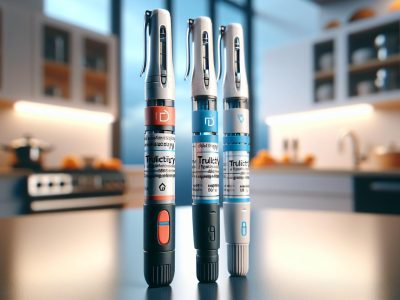
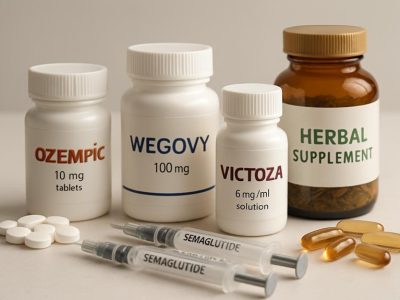
Managing your health can sometimes feel like navigating a maze, especially finding the right medication. If you’ve been prescribed Trulicity but are exploring other options, you’re not alone. Whether it’s due to side effects, cost concerns, or personal preferences, seeking an alternative doesn’t have to be overwhelming.
Picture discovering a solution that fits seamlessly into your life—something effective yet tailored to your unique needs. With advancements in diabetes care and a growing number of treatment choices, there’s no shortage of promising alternatives that could work for you. The key is understanding what each option offers and how it aligns with your goals.
In this guide, you’ll uncover some of the best alternatives to Trulicity and learn what makes them stand out. From innovative medications to lifestyle-focused approaches, you’ll find insights that empower you to take control of your health journey confidently.
What Is Trulicity And How Does It Work?
Trulicity is a prescription medication used to manage type 2 diabetes. It’s classified as a GLP-1 receptor agonist, which mimics the effects of the natural hormone glucagon-like peptide-1. This hormone plays a crucial role in regulating blood sugar levels and supporting insulin secretion when glucose levels rise.
The drug works by stimulating your pancreas to release insulin after meals, but only when necessary, reducing the risk of low blood sugar (hypoglycemia). It also slows down stomach emptying, helping you feel full longer and control appetite better. These combined effects make it effective for managing not just blood glucose but also potential weight loss.
Administered through a weekly injection, Trulicity simplifies treatment schedules compared to daily medications. It’s designed for convenience, though some users may experience side effects like nausea or gastrointestinal discomfort during initial use.
Why Consider Alternatives To Trulicity?
Exploring alternatives to Trulicity can help address specific challenges like side effects, high costs, or personal health factors. Understanding these reasons ensures an informed approach to managing type 2 diabetes effectively.
Potential Side Effects
Trulicity’s side effects, such as nausea and vomiting, may affect your daily life. Some users report persistent gastrointestinal discomfort that hampers meal routines. If symptoms disrupt quality of life, seeking other medications like Ozempic or Byetta could be beneficial. Both belong to the GLP-1 receptor agonist class but differ in tolerability depending on individual responses.
Rarely, Trulicity has been linked to more severe conditions like pancreatitis or thyroid tumors (FDA-approved labeling). Discussing these risks with a healthcare provider is essential when considering alternative treatments.
Cost Concerns
For some individuals, Trulicity’s cost becomes a financial burden. Without insurance coverage or assistance programs, monthly expenses can exceed $800 for a single prescription. Alternatives such as Victoza or generic metformin often come at a lower price point while offering effective blood sugar control.
Comparing prices across pharmacies using services like GoodRx might reveal affordable options. Also, lifestyle interventions combined with less expensive medications could reduce dependency on costly drugs.
Personal Health Needs
Not all treatments align with your unique health profile. Conditions like kidney disease or severe gastrointestinal disorders limit the suitability of certain medications, including Trulicity. Alternatives tailored to specific needs include SGLT2 inhibitors (e.g., Jardiance) for those focusing on cardiovascular benefits and weight management goals.
Your preferences also matter—if weekly injections feel inconvenient or intimidating, oral medications such as Rybelsus provide non-injection-based solutions within the same drug class.
Best Alternative To Trulicity: Top Choices
Finding the best alternative to Trulicity depends on your specific health needs, treatment goals, and preferences. Several medications offer similar benefits with distinct features, improving blood sugar control while addressing individual concerns.
Ozempic
Ozempic, another GLP-1 receptor agonist, helps manage type 2 diabetes by lowering blood sugar levels and supporting weight management. It mimics natural hormones that regulate glucose and appetite. Administered weekly like Trulicity, it offers comparable convenience but may cause fewer side effects for some users.
For example, clinical trials show Ozempic reduces HbA1c levels by up to 1.5% in many patients over 30 weeks (source: FDA). If you’re experiencing severe nausea or gastrointestinal issues from Trulicity, discussing Ozempic with your healthcare provider could be beneficial.
Victoza
Victoza works similarly to Trulicity but requires daily injections instead of weekly ones. This medication effectively lowers blood sugar levels while promoting cardiovascular protection in people with type 2 diabetes who have heart disease risks.
Studies reveal that Victoza can reduce major adverse cardiovascular events (MACE) by 13% when compared to placebo treatments (source: American Diabetes Association). If you prioritize heart health alongside glycemic control and don’t mind a more frequent injection schedule, Victoza is worth considering.
Bydureon
Bydureon delivers long-term glycemic regulation through a once-weekly extended-release injection. Like other GLP-1 receptor agonists, it enhances insulin secretion after meals while suppressing appetite.
Users who prefer alternatives offering minimal dosing frequency might benefit from Bydureon’s formulation. While its efficacy in reducing HbA1c is on par with competitors like Ozempic or Trulicity, some individuals report fewer incidences of nausea post-administration (source: Mayo Clinic).
Mounjaro
Mounjaro belongs to a newer class called GIP/GLP-1 receptor dual agonists and targets both glucose-dependent insulinotropic polypeptide (GIP) and glucagon-like peptide-1 receptors simultaneously. This dual action significantly enhances blood sugar control and promotes weight loss beyond traditional GLP-1 drugs’ capabilities.
Factors To Consider When Choosing The Right Alternative
Finding the right alternative to Trulicity involves examining multiple factors. Each choice affects your health outcomes, daily routine, and financial situation.
Effectiveness
Evaluate how well the alternative controls blood sugar levels and supports overall health goals. GLP-1 receptor agonists like Ozempic or Victoza effectively lower A1C levels while promoting weight loss. For example, Ozempic reduces A1C by up to 1.8% over 30 weeks in clinical studies. SGLT2 inhibitors such as Jardiance focus on reducing glucose through urinary excretion, offering heart-related benefits for those with cardiovascular risks. If managing post-meal spikes is critical, alternatives like Byetta may be a better fit due to its shorter duration of action and targeted control.
Side Effects Profile
Consider the potential side effects that impact quality of life. Nausea and gastrointestinal issues are common with GLP-1 receptor agonists but vary by medication; Bydureon tends to cause milder symptoms compared to others in this class. If injection-related discomfort is problematic, oral medications like Rybelsus provide an effective non-injectable option within the same drug category. Assessing tolerance levels helps you avoid disruptions in daily activities caused by adverse reactions.
Insurance Coverage And Cost
Review insurance coverage since out-of-pocket costs differ significantly across diabetes treatments. Without insurance, Trulicity averages $900 monthly, whereas generic metformin costs less than $10 per month at many pharmacies. Alternatives like Mounjaro or Ozempic might have savings programs from manufacturers that lower expenses temporarily for eligible patients. Verify formulary inclusion with your insurer and compare co-pays to select an affordable yet effective solution tailored to your budget constraints.
Consulting Your Doctor For The Best Option
Discussing your healthcare needs with a doctor ensures you receive personalized recommendations for diabetes management. Physicians evaluate your medical history, current medications, and any underlying conditions to identify suitable alternatives to Trulicity. Their expertise helps balance effectiveness, potential side effects, and lifestyle preferences.
Bring up specific concerns during consultations, such as cost constraints or difficulty managing injections. Mention past experiences with GLP-1 receptor agonists like Ozempic or Victoza if relevant. Highlighting these factors allows the doctor to tailor their advice more accurately.
Ask about newer treatments like Mounjaro, which targets both GIP and GLP-1 receptors for enhanced glucose control and weight loss benefits. If injections feel inconvenient, inquire about oral medications or SGLT2 inhibitors that might align better with your routine.
Regularly monitor progress after switching treatments. Report changes in blood sugar levels or unexpected side effects promptly so adjustments can be made if necessary. Establishing an open line of communication ensures long-term success in managing type 2 diabetes effectively.
Conclusion
Finding the right alternative to Trulicity is a personal journey that depends on your unique health needs and goals. With advancements in diabetes care, there are several effective options available, whether you’re looking for fewer side effects, lower costs, or a different method of administration.
Consulting with your doctor is essential to ensure any new treatment aligns with your medical history and lifestyle preferences. By exploring all available options and staying proactive in your care, you can take confident steps toward better managing type 2 diabetes while prioritizing what works best for you.
To provide the best experiences, we use technologies like cookies to store and/or access device information. Consenting to these technologies will allow us to process data such as browsing behaviour or unique IDs on this site. Not consenting or withdrawing consent, may adversely affect certain features and functions.
Functional
Always active
The technical storage or access is strictly necessary for the legitimate purpose of enabling the use of a specific service explicitly requested by the subscriber or user, or for the sole purpose of carrying out the transmission of a communication over an electronic communications network.
Preferences
The technical storage or access is necessary for the legitimate purpose of storing preferences that are not requested by the subscriber or user.
Statistics
The technical storage or access that is used exclusively for statistical purposes.The technical storage or access that is used exclusively for anonymous statistical purposes. Without a subpoena, voluntary compliance on the part of your Internet Service Provider, or additional records from a third party, information stored or retrieved for this purpose alone cannot usually be used to identify you.
Marketing
The technical storage or access is required to create user profiles to send advertising, or to track the user on a website or across several websites for similar marketing purposes.